

Starting small with a big ambition, Mr. Ta Minh Vang and the CEH team are confidently bringing "Make in Vietnam" products to the international market after jointly solving the nation's digital port challenge.
Overcoming obstacles and competing with foreign products.
Recounting how he became involved in the field of digital transformation in seaports, Mr. Ta Minh Vang, Director of CEH Technology Solutions Company, reminisced about 2009, when he was involved in managing the CEH.vn Security Forum: “Our team had the opportunity to access a multi-million dollar terminal operation system (TOS) software that had been deployed in many seaports around the world . Initially, it was simply curiosity because of the enormous copyright value. After a more thorough investigation, the question arose: Why can't Vietnamese tech people do it?”
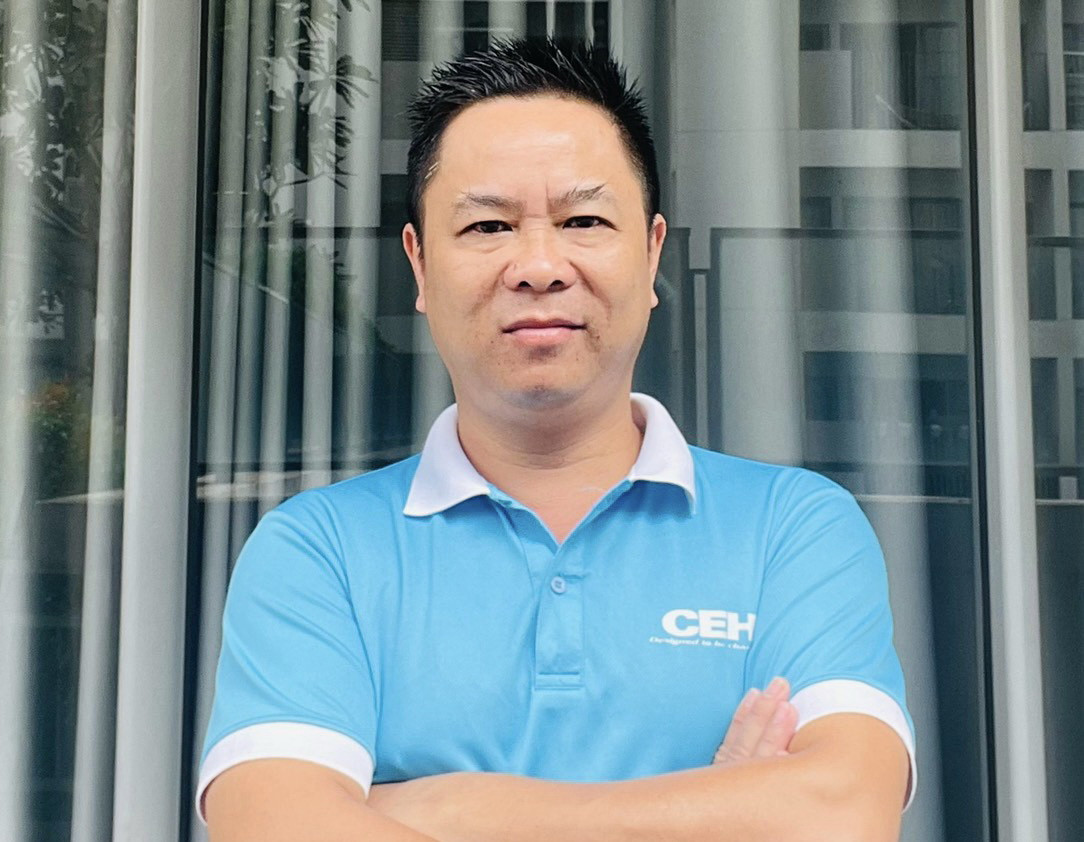
Mr. Ta Minh Vang, Director of CEH Technology Solutions Company.
Starting out as an IT professional with little knowledge of port operations, in 2015, Mr. Vang and a few colleagues applied to work as IT staff at a new seaport in Ho Chi Minh City to gradually accumulate knowledge and practical experience.
With the enthusiastic support from his colleagues at the port, Mr. Vang and his associates had many favorable conditions to conduct in-depth research on the TOS solution, and subsequently on expanded features to support port operations, applying high technology to automated monitoring and management such as artificial intelligence (AI), optical character recognition (OCR), and developing an online trading platform… Everything continued day by day in the naturally close relationship of those who were "in the same boat".
For a long time, in Vietnam, logistics was considered one of the slowest-moving sectors on the digital transformation journey due to numerous obstacles. For the port industry, the biggest obstacles were management levels' reluctance to change, their vague anxieties about operational risks, and the lack of personnel with the necessary technological skills within the organization.
Most seaports in Vietnam purchase products/solutions from foreign companies such as Catos (South Korea), Navis (USA), TOPS (Australia), etc., at high costs. The upgrade, maintenance, and operation processes are complex, requiring a large number of highly skilled personnel, and integration and data sharing are difficult. Sometimes, the investment does not yield the desired results. In some cases, companies have to revert to traditional manual paperwork when the technology solution system malfunctions.
With the vision of "Affirming Vietnamese intelligence, integrating technology into port operations, and elevating port brand," the CEH team quickly embarked on research and development (R&D) activities with the expectation of creating a major product that could compete with foreign products.
The CEO of CEH is fortunate to have friends and colleagues in the logistics and banking industries who are willing to enthusiastically support them with knowledge, time, and even funding. Sometimes there are financial and personnel difficulties, but everyone makes a small sacrifice, and together they overcome them.
“The biggest challenge arose when we launched the first version of the VTOS specialized port operation solution. With limited business knowledge, we painstakingly created documentation, introduced the product, and contacted several places to pitch it. The response was a blunt rejection from port businesses, because in their eyes, despite the very low price, with zero experience, VTOS posed too many risks when applied to port operation and management. After nearly a year of trying to sell it, our finances were depleted, and some of us had to find new jobs to make ends meet. The four of us remained, sitting at a street corner cafe, looking at each other, wondering: How do we sell it? To whom? Should we continue or not?” Mr. Vang recalled thoughtfully.
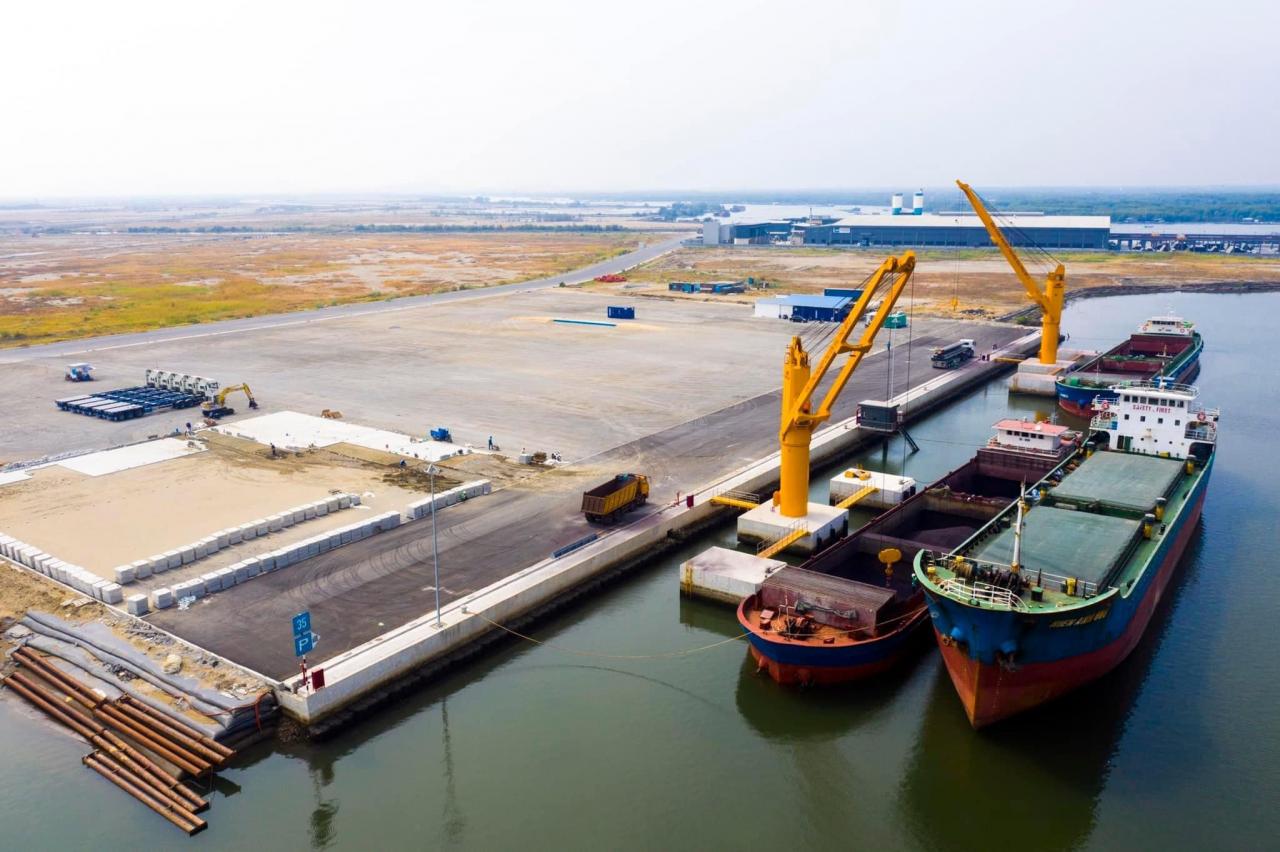
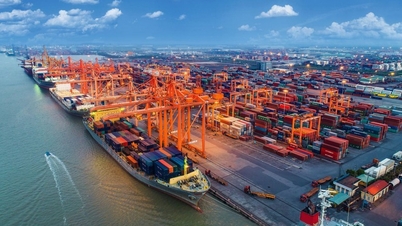
For a long time, most seaports in Vietnam used foreign software products and digital technology solutions.
“Our first customer was a big surprise for CEH,” Mr. Vang continued. “Back then, the TOS system at SP-ITC International Container Port (in Ho Chi Minh City) often had to shut down when receiving two ships or when all equipment and facilities were operating at maximum capacity. This did not meet the criteria of international shipping lines as well as the electronic customs integration process of the General Department of Customs. Recognizing this as an opportunity for VTOS, we contacted the Port's Board of Directors to request permission to present and conduct a trial. Based on the results achieved, in September 2019, SP-ITC International Container Port officially launched VTOS.”
After about four years, the VTOS product, designed to international standards, has now risen to the top of the domestic market, gradually replacing foreign-supplied TOS systems and contributing to solving the difficult problem of digital transformation of the nation's seaports.
Applying the latest technologies to "Make in Vietnam" products.
According to Director Ta Minh Vang, from the very beginning, CEH has steadfastly pursued the "Make in Vietnam" product line, even though it was once harshly rejected by customers simply because they preferred foreign goods to Vietnamese products.
"We were willing to forgo numerous business opportunities in the US because we always believed in Vietnamese ingenuity, in a future where Vietnamese technology would assert its brand, and the national flag would be present everywhere in the world," Mr. Vang emphasized.
With bold thinking and ambitious vision, CEH invests heavily in R&D, focusing on R&D human resources; it is committed to listening to user requests and developing products that are suitable for Vietnamese people and culture.
CEH's "Make in Vietnam" products and solutions are continuously researched, developed, and utilize the latest technologies.
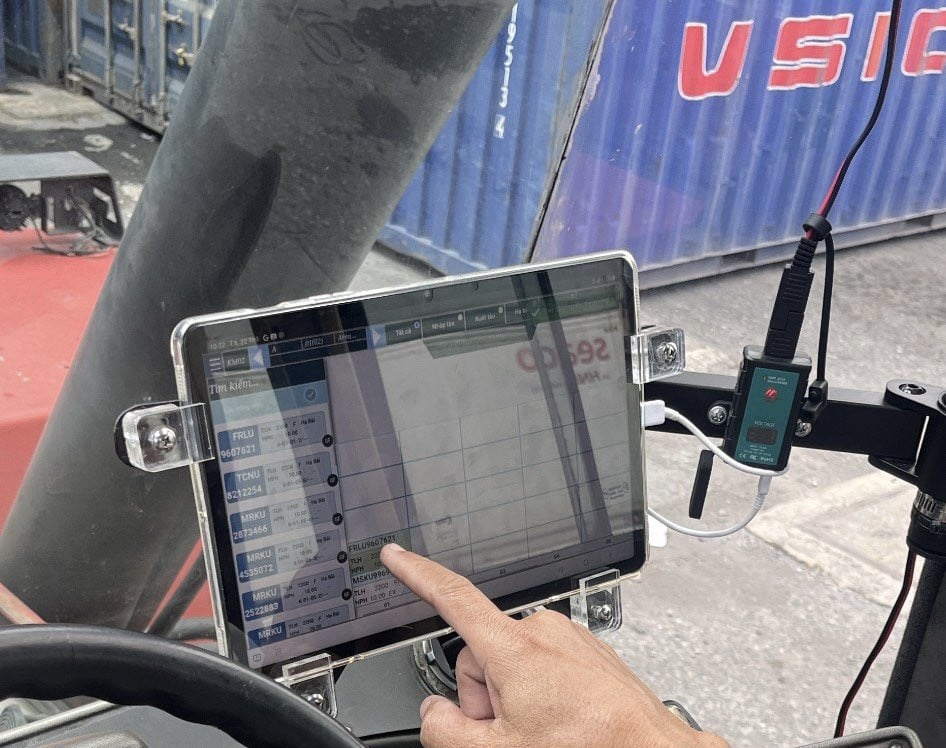
CEH is a pioneer in applying AI to automate port delivery and receipt authentication.
CEH is a pioneer in applying AI to the automation of port handling authentication. After the OCR system identifies the vehicle number, trailer number, customs seal number, citizen identification card, driver's license, vehicle inspection certificate, and vehicle registration certificate, and then compares it with the electronic delivery order (EDO), lifting/unloading order, cargo information, and integrates customs clearance data, the AI-powered system will make a decision on whether the goods enter or leave the port.
Solutions such as CFS warehouses, container yards, Salaan monitoring, empty container repair, EDI systems, etc., all utilize IoT to manage and optimize operational activities. Data is integrated on a cloud computing platform using a big data architecture.
CEH's research and development of new technologies has benefited from the support of partners such as Gemadept, the Ministry of Information and Communications, and the General Department of Customs. Young Vietnamese engineers possess a strong grasp of the technology, are proficient in training, and can quickly integrate AI into software.
Currently, CEH's product portfolio is quite diverse, including: VTOS port operation and management software; CAS electronic customs software; CFS and bonded warehouse management software; port asset and vehicle management software; Eport/Smartport online application; ride-hailing application (similar to Grab, Uber models)...
CEH's "Make in Vietnam" products and solutions are highly regarded for their outstanding advantages: Development based on actual requirements and operations, on a new and modern technology platform; Easy to use and user-friendly; A team of personnel with in-depth business expertise; Deployment time within 2-5 weeks (much faster than the average 16-18 months for foreign products); High upgrade and customization capabilities, with API standards for easy integration and expansion with third-party applications; Deployment costs are only 10-20% of foreign products…
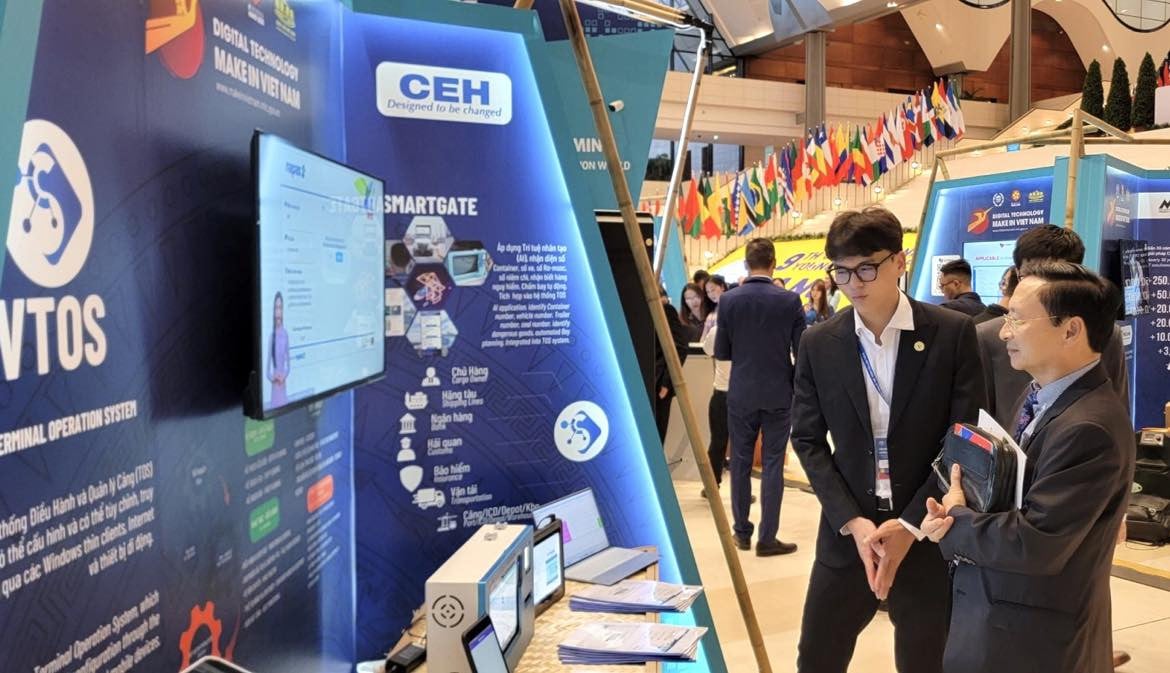
CEH's "Make in Vietnam" products and solutions have many advantages over foreign products.
Despite its many outstanding advantages, like many other Vietnamese technology companies, CEH still faces a lack of trust among Vietnamese people in Vietnamese products and solutions.
“The biggest obstacle in negotiating with our clients was perhaps the lack of confidence in ‘Made in Vietnam’ products. This might be because, in the past, when mentioning mechanical, electrical, and electronic products, the brands of developed countries were automatically associated with many Vietnamese consumers. Taking advantage of the opportunity with our first client, CEH professionally implemented and actively upgraded new features, contributing to increased productivity and value for the port. This gradually built trust among domestic port businesses,” Mr. Vang stated.
Promoting the development of the digital economy.
To date, 23 seaports, inland container depots (ICDs), and warehouses have used CEH's solution, achieving many positive results.
For example, at SP-ITC International Container Port, CEH's "Make in Vietnam" solutions have digitized 100% of operational activities, reducing accounting, documentation, reporting, and statistical personnel by 70-90%. Cargo handling time through the gate has been reduced from 10 minutes to just 1 minute. In addition, other features such as optimized yard and vessel operations; automatic EDI and EDO data exchange with shipping lines… have helped increase throughput from 60,000 TEUs/year in 2018 to 800,000 TEUs/year in 2022. In July 2023, impressed by the significant technological changes at SP-ITC International Container Port, MSC returned to using its services.
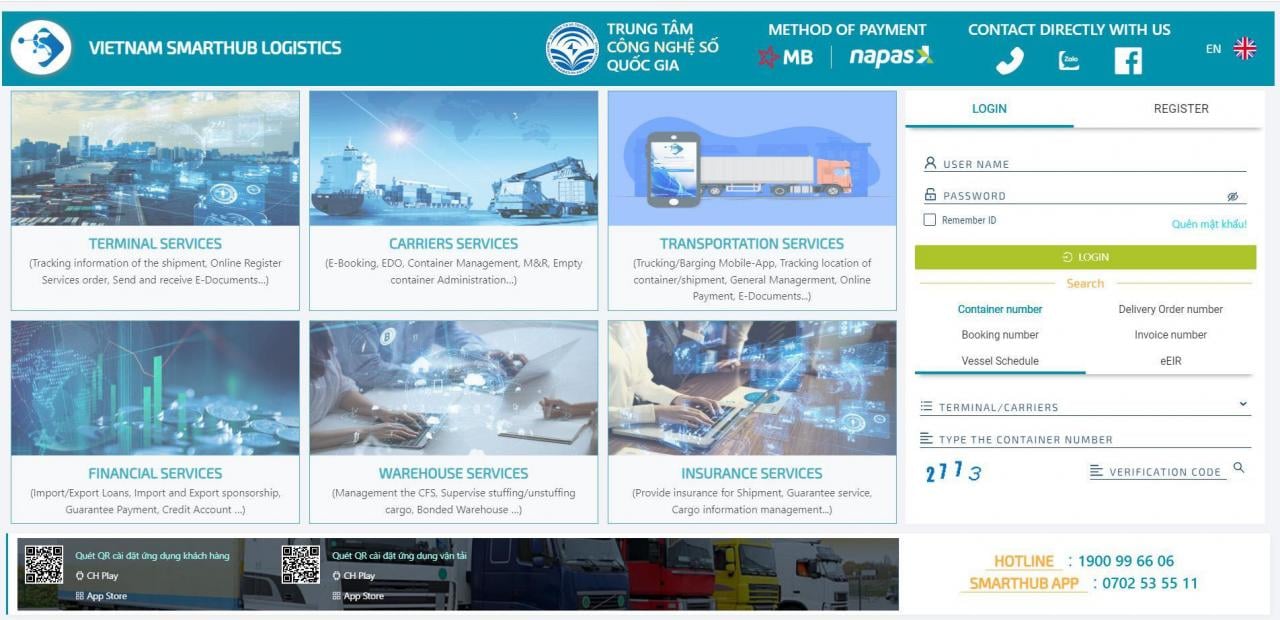
Another typical example is the Smartport platform used at 11 ports belonging to Gemadept Group. Online interactions such as: querying cargo information, bills of lading, vessel schedules, issuing lifting and unloading orders, customs clearance, and receiving legally valid electronic documents... have transformed processes that previously required 10-12 touch points and multiple trips into just 2-3 minutes of online operation, providing a positive customer experience.
Alternatively, applications such as container trucking, salan trucking, container reuse, and online repair betting help shippers reduce transportation costs by up to 50%, contributing to the development of Vietnam's digital economy.
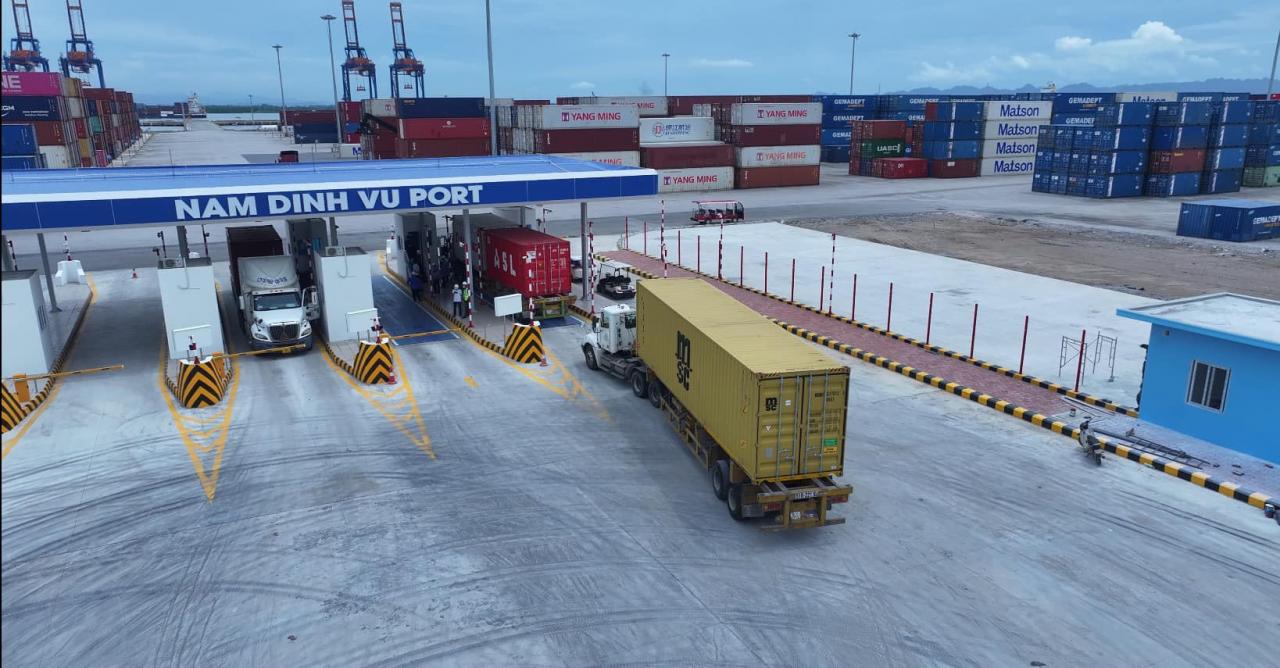
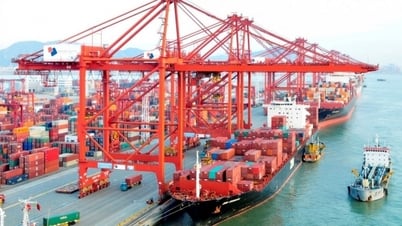
The Digital Port Ecosystem enables all port operations to take place online and comprehensively.
In particular, CEH's VSL (Vietnam Seaport) ecosystem, which connects components within the logistics industry and operates 24/7, has helped Vietnamese seaports enhance their competitiveness and reach international standards.
VSL creates an intermediary operations center, processing online logistics services in real time, operating on a cloud platform, verifying the identity of each participant, issuing legally valid electronic documents, and integrating banking, insurance, and transportation services according to the sharing economy model. VSL operates based on a large data warehouse, selectively sharing data with state management agencies. The constituent entities in this ecosystem include: Seaports/inland ports/warehouses; shipping companies; land/water transport companies; state management agencies (customs, port authorities, border guards, etc.); banks; and insurance companies.
“The maximum vessel handling capacity of each port varies. When a ‘mega’ container ship arrives, only a few ports can accommodate it. Typically, only one ship can be received at a time (other ships have to queue). This leads to overload for some large ports, while others may not operate at full capacity, wasting resources. Despite having the natural advantage of waterways capable of receiving ‘mega’ ships, with the current organizational structure, Ba Ria – Vung Tau province has not yet unlocked the potential of the Cai Mep Thi Vai port area to become a regional and international-level seaport. Using a VSL (Variable Sea Level) system would shorten the processing time for a ship by mobilizing resources from other ports to handle customs clearance simultaneously, instead of one port handling it. A VSL can integrate port clusters and transportation facilities to become a ‘mega’ port. This would allow for the exploitation and optimization of resources from various ports.” "It's another port in the port cluster, and it can compete with the transshipment ports in the region," Mr. Vang enthusiastically analyzed CEH's "trump card."
On October 10, 2022, VSL was honored as an outstanding digital transformation product, and subsequently, it was quickly included in the list of national digital platforms.
“That evening, upon receiving the news that VSL had been honored by the Government and the Ministry of Information and Communications, we were so happy we couldn't sleep. We were incredibly happy. Somewhere, silent tears fell on faces weathered by nearly 10 years of hard work at the seaport,” the Director of CEH recalled emotionally.
Prepare your bags for the open sea.
For about 10 years, Director Ta Minh Vang has always dreamed of the day when CEH's "Make in Vietnam" products would enter the regional market and reach the global stage.
In 2023, CEH took its first steps on its journey to the global market: approaching the two largest shipping lines in the world, Maersk Line and MSC.
Vietnamese digital technology businesses are striving to realize the goal of deploying VTOS and VSL in Southeast Asia, starting with countries that have similar operating models to Vietnam, such as Thailand, Indonesia, and Cambodia.
“By 2025, CEH plans to export its first port deployment software in the region. And by 2030, the VTOS solution is expected to be available in the European market,” Mr. Vang revealed some key points on the road ahead.
Recognizing that the journey to the "open sea" will involve many "rough waves," CEH has been preparing its "equipment" to be ready to "weather the storm."
Along with continuously improving and upgrading its products to stay ahead of competitors, the company also implements many activities to recruit and train a team of young engineers with strong professional skills and foreign language proficiency. Notably, it has put into operation a Training Center for Port Operations Personnel and implemented practical training for graduating students who wish to work in the logistics industry.
“When deploying digital technology solutions for warehousing/port businesses, we recognized a significant need for digital human resources to effectively operate applications, helping businesses reduce pressure during the change process, minimize risks and costs. Through training and talent development activities, CEH aims to spread the inspiration of technological innovation to the next generation, encouraging young people to be confident, dare to dream, dare to realize their dreams, and build a strong nation,” Mr. Vang shared.
A major source of motivation for CEH is that Vietnamese businesses are not alone when entering the international market.
Mr. Vang happily recounted: “Every step of the way, we have always had the guidance and support of the Ministry of Information and Communications. In particular, within the framework of the Global Young Parliamentarians Conference held in mid-September 2023, National Assembly Chairman Vuong Dinh Hue facilitated CEH's introduction of its products to nearly 500 parliamentarians worldwide. Currently, many Vietnamese entrepreneurs abroad are ready to support CEH in its business and help it access major port enterprises.”
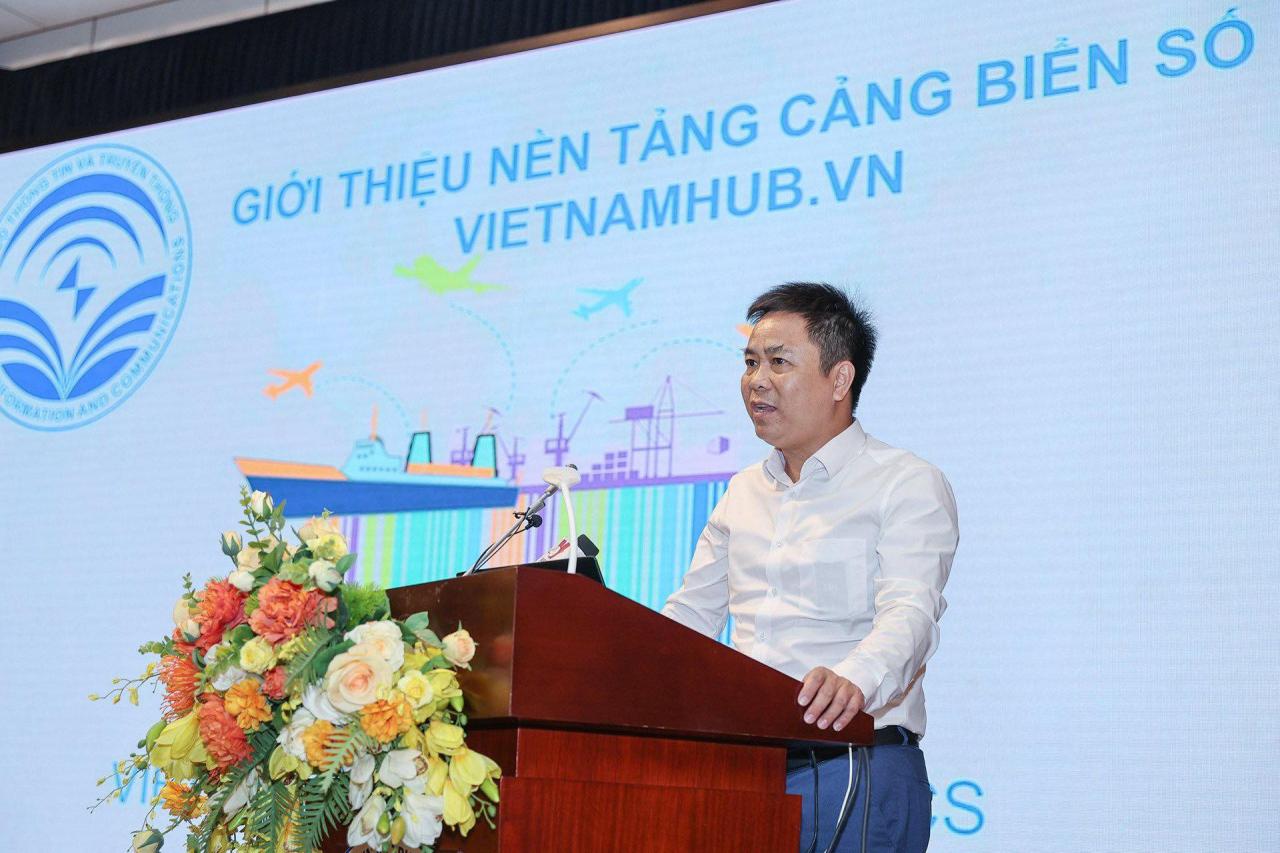
The Director of CEH hopes that relevant ministries and departments will encourage businesses to use domestic products instead of imported products.
When asked about specific suggestions and recommendations to help Vietnamese products and intellectual property leave a more positive mark on the global technology map, Mr. Vang expressed: “As a young and small-scale enterprise, CEH wishes to cooperate, integrate, and selectively share data with technology companies such as FPT, Viettel, VNPT, Nexttech, CMC, VNG…, thereby leveraging resources to develop high-tech applications for the logistics industry. We hope that the Ministry of Transport, the Ministry of Industry and Trade, and the Ministry of National Defense will encourage their affiliated enterprises to use domestic products instead of foreign products. In addition, we also hope that universities training in logistics and information technology will create conditions for CEH to share documents, technology products, and skills, helping students to gain practical knowledge and simultaneously inspire creativity from the energy of youth. From there, many “Make in Vietnam” products will be born, following the Vietnamese path, building a strong and prosperous country. global scale.
“The saying, ‘When you want to build a ship, don’t start by finding wood, saws, planks, and assigning tasks, but guide yourself with the heart of a person yearning for the vast and endless ocean,’ is a part of my life and the spirit of CEH. We started small with a big desire, overcame challenges with simple courage, always believed that there would be a way forward, never retreating from hardship, never letting small gains or personal interests overshadow our aspirations and dreams of elevating and bringing Vietnamese technology to the ‘big ocean’,” Director Ta Minh Vang shared before concluding his story.
| During a meeting between Prime Minister Pham Minh Chinh and leaders of Can Gio district in mid-July 2023, Minister of Information and Communications Nguyen Manh Hung reported to the Prime Minister that the Ministry of Information and Communications, along with relevant ministries and agencies, is promoting a digital port platform developed by a Vietnamese enterprise. This platform is being successfully implemented at many domestic ports at a competitive price, only 20% of the cost of foreign platforms, while still ensuring similar functionality. The Ministry of Information and Communications is leading the evaluation and ensuring the technical criteria for domestic ports to widely deploy this digital port platform. |
Vietnamnet.vn























































































Comment (0)