

A labyrinth of procedures and costly expenses.
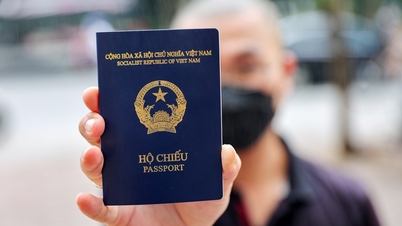
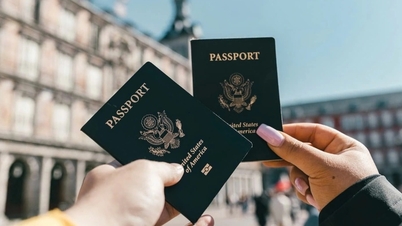
For Alex, a South African living in Singapore, every business trip or independent vacation is a battle with complicated visa procedures. Her South African passport ranks 51st on the Henley Passport Index, meaning she faces obstacles that her friends with more powerful passports cannot understand.
"If someone offered me or my child another passport, I would grab it immediately," Alex shared. She recounted a recent trip to Europe, where obtaining visas for the Schengen Area and the UK took her six weeks. During that time, she couldn't go anywhere because she had to surrender her passport, a major obstacle for someone who travels frequently for work.
The visa application process was also fraught with stringent requirements. During one visa application, Alex was required to provide bank statements with a bank stamp. After numerous rejections, she finally found a place that agreed to print a watermark for $10 per page. Along with other fees, such as $50 per visit to the visa center, the total cost for a six-day Italian visa application amounted to "around $600-700, if not more."
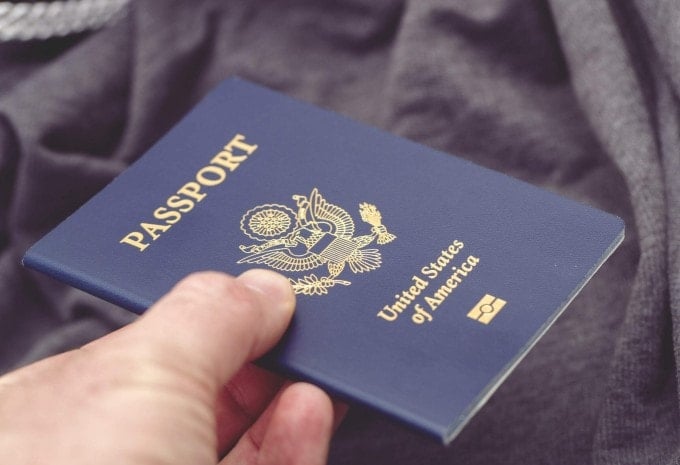
Similarly, Pantha Roy, an Indian businessman, describes traveling with his passport as adding extra money, time, and effort. He has to plan months in advance, especially when backpacking in South America, where some countries require precise declaration of entry points and means of transport. "You can't be spontaneous," he says, recalling how friends in Europe could book cheap flights and depart within a week, a luxury he couldn't afford.
Psychological barriers and feelings of inequality
Beyond the financial and time burdens, many tourists also face psychological pressure. Lily, a Chinese tourist, calls it "an unequal system." She has encountered "arrogant" consular officers who asked hurtful questions such as "Do you intend to overstay your visa?". She was even asked to submit a criminal record check, further complicating the process.
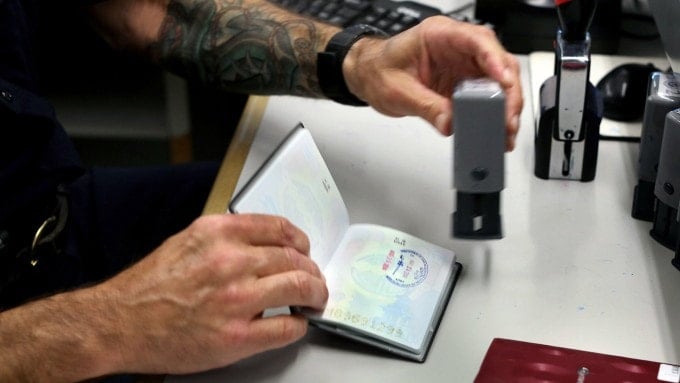
Alex also agreed that being subjected to so many travel restrictions felt like being looked down upon. She stressed that people with low-power passports may be educated citizens with high social status, yet still face interviews and hurdles to travel.
When asked if people understood the hardship, Lily likened it to asking a man to understand "how difficult childbirth is."
The trade-off between identity and convenience.
These difficulties not only affected travel but also impacted career opportunities. Lily said she was unable to apply for positions requiring frequent international travel. This experience even made her consider applying for a Hong Kong passport, despite the requirement of living and working there for seven years.
Like Alex, Lily asserts that while she loves her country, she still "wants to change her passport." To avoid hassle, Alex now prioritizes visa-free destinations for South Africans, because "it's a huge difference if you go on a week-long vacation and have to pay $1,000 in visa fees."
However, not everyone is willing to make the trade-off. Despite acknowledging the inconveniences, businessman Pantha Roy says he has no intention of changing his passport. "I like having my Indian passport. I won't give it up," he asserted.
Source: https://baodanang.vn/noi-kho-vo-hinh-khi-du-lich-voi-ho-chieu-khong-du-manh-3314833.html




















































































Comment (0)