

 |
The Veo 3 model was introduced by Google at I/O 2025. Photo: Android Authority . |
Veo 3 is one of Google's newest AI video creation tools. In just seconds, users can create short videos complete with motion, lighting effects, dialogue, and background music without the need for specialized recording equipment.
Since the beginning of the year, many AI models for creating videos have emerged at a rapid pace. For example, OpenAI's Sora stands out with its realistic 60-second videos, alongside ByteDance Seedance, Runway Gen-4, and Kling AI. Meanwhile, Google's Veo 3 is notable for its ability to create sharp video and synchronized audio from just a line of text.
With the widespread launch of Google Veo 3 in Vietnam, users now have another useful tool to support their work and studies. However, the effectiveness and applicability of Veo 3 largely depend on how it is used.
Impact on the creative sector
Public reaction in Vietnam to Veo 3 has been mixed, with both enthusiasm and caution, particularly regarding the tool's impact on the creative field.
Tom Nguyen, a lecturer in Digital Communication at the School of Communication and Design, RMIT University Vietnam, argues that AI-generated tools are not emerging simply to take away jobs or creative inspiration, but rather to support creators in focusing on core values.
“In my companies, AI frees up time for artists to focus on creativity. Visual effects (VFX) teams can handle complex sequences more flexibly. Game development teams no longer waste time programming from scratch.”
"In toy manufacturing, we can find better materials and techniques in just minutes instead of days like before," Tom shared.
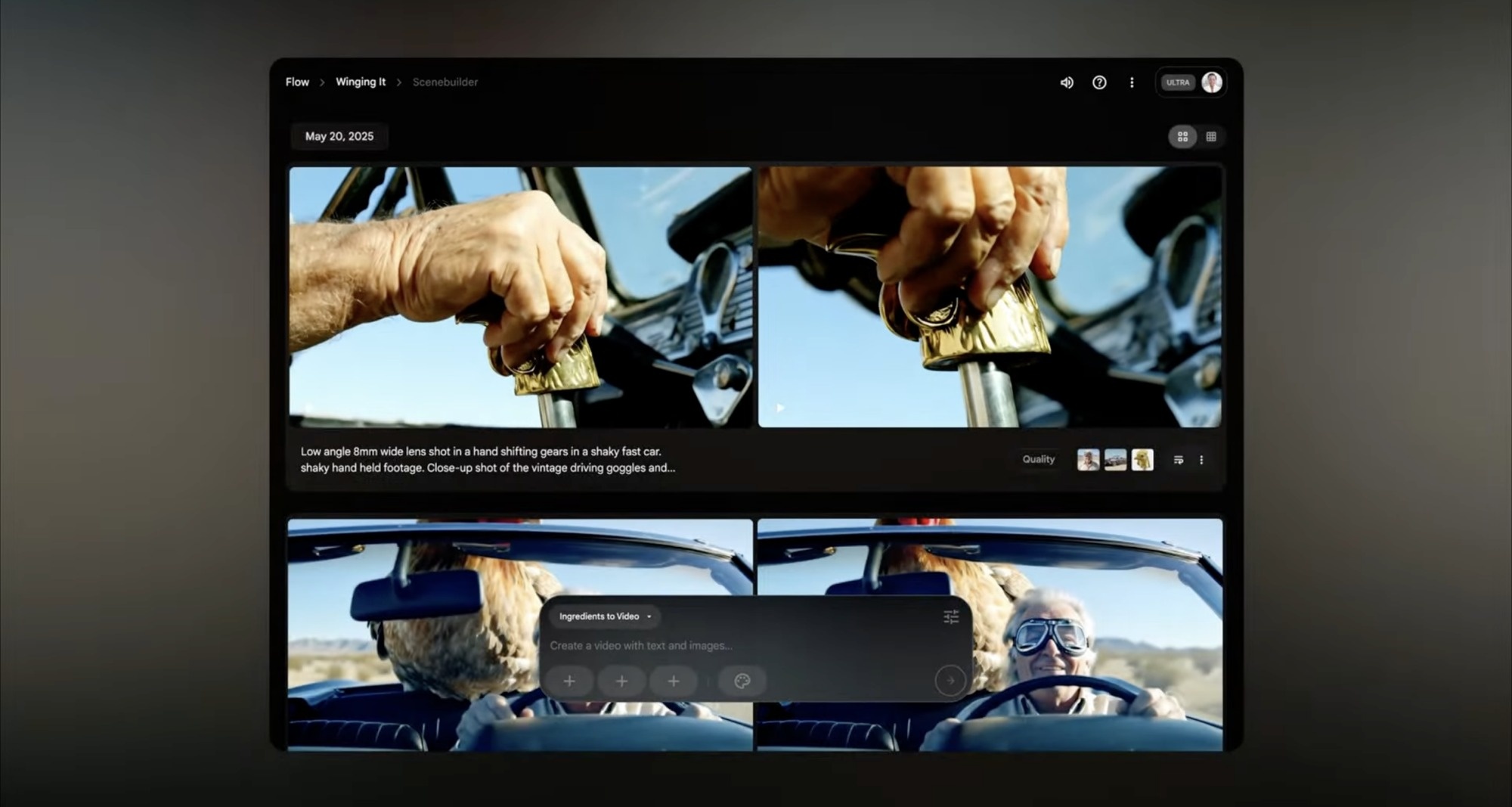 |
Google Flow is one of the video creation tools that uses the Veo 3 model. Photo: Google . |
Besides automating repetitive or overly technical tasks, Tom believes AI can help creators take on more strategic roles such as art director, curator, or creative strategist.
Beyond internal processes, tools like Veo 3 can also change how creative teams present ideas to clients. For example, instead of using moodboards or static slides, teams can create short, moving videos, ad mockups, or trailers.
"This level of visual clarity helps clients visualize ideas more clearly and makes it easier for them to agree with the creative team's proposals, even experimental ones," Tom emphasized.
According to representatives from RMIT Vietnam, this shift could shape the future of the creative industry, especially for young creative professionals in Vietnam. Traditional roles such as editors and animators may no longer be central. Instead, new roles may emerge, such as command-based storytelling and AI-powered animation direction.
“You no longer need a large budget or a film crew, just imagination and clear instructions,” Tom shared. In other words, this could be a turning point for digital artists, content creators, and small businesses looking for ways to make their mark on the market.
Concerns remain.
Besides the positive impact, some argue that AI-generated tools can "erode" creativity. When many people use the same tool, the products may feel mass-produced and quite similar. Therefore, Tom suggests that creative individuals need to put more effort into their own unique style.
“In Vietnam, that means leveraging local language, emotional nuances, traditional storytelling, and cultural depth. AI can mimic images, but it cannot recreate the soul hidden within unless we allow it to do so,” Tom emphasized.
The Veo 3 craze in Vietnam has also raised concerns about fake news or deepfakes, and AI-generated controversial videos designed to attract views.
Speaking to Tri Thuc - Znews , Tom said that the situation may be difficult to completely control, but users will become more aware of fake videos over time.
“It will be impossible to control the quality and quantity of content generated by AI. Organizations and businesses can create guidelines to promote awareness and caution.”
Over time, I believe audiences will become increasingly aware of artificial information. Skepticism, awareness, and critical thinking will increase overall. Someone might be able to deceive the public for a few months, but not for years,” Tom emphasized.
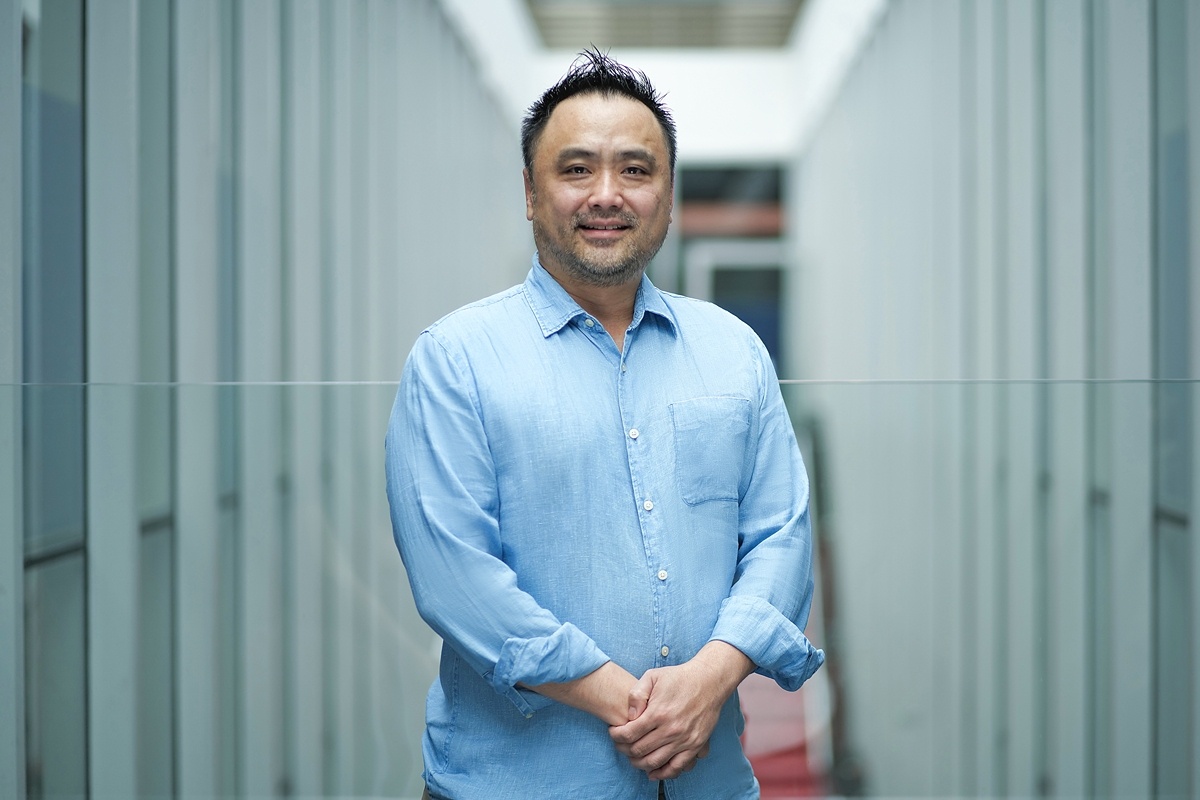 |
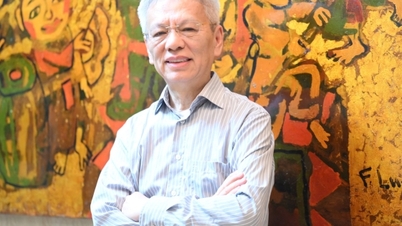
Tom Nguyen, lecturer in Digital Communication at the School of Communication and Design, RMIT University Vietnam. Photo: RMIT Vietnam . |
Copyright is also a topic worth discussing. Before Veo 3 appeared, AI-generated models were controversial in the creative community, with accusations of copyright infringement being made by companies like Google and OpenAI using them to train models. Even users could create content based on other people's ideas through AI.
According to representatives from RMIT Vietnam, original ideas are always valued most highly over time. There may be copyright disputes in the beginning, but audiences generally are not very interested in works that lack creativity.
“Organizations like Google and OpenAI will always strive to push the boundaries of legality. We often say they ‘should’ act ethically, but that will never truly happen. The factors keeping them within the framework are public relations and risk mitigation,” Tom added.
Education geared towards creativity
Tools like Veo 3 emerge in the context of Vietnam's accelerated national strategy on digital transformation, creative economy , and AI development.
According to Tom, the impact of AI generation could spread throughout Vietnam's burgeoning creative economy, from advertising companies and content creators to independent (indie) game designers and educational content startups.
"With the right tools, a small team, even just one person, can produce cinematic videos for storytelling, marketing, or educational purposes. This is a step forward that can create a more level playing field, helping domestic talent compete on the global stage," Tom emphasized.
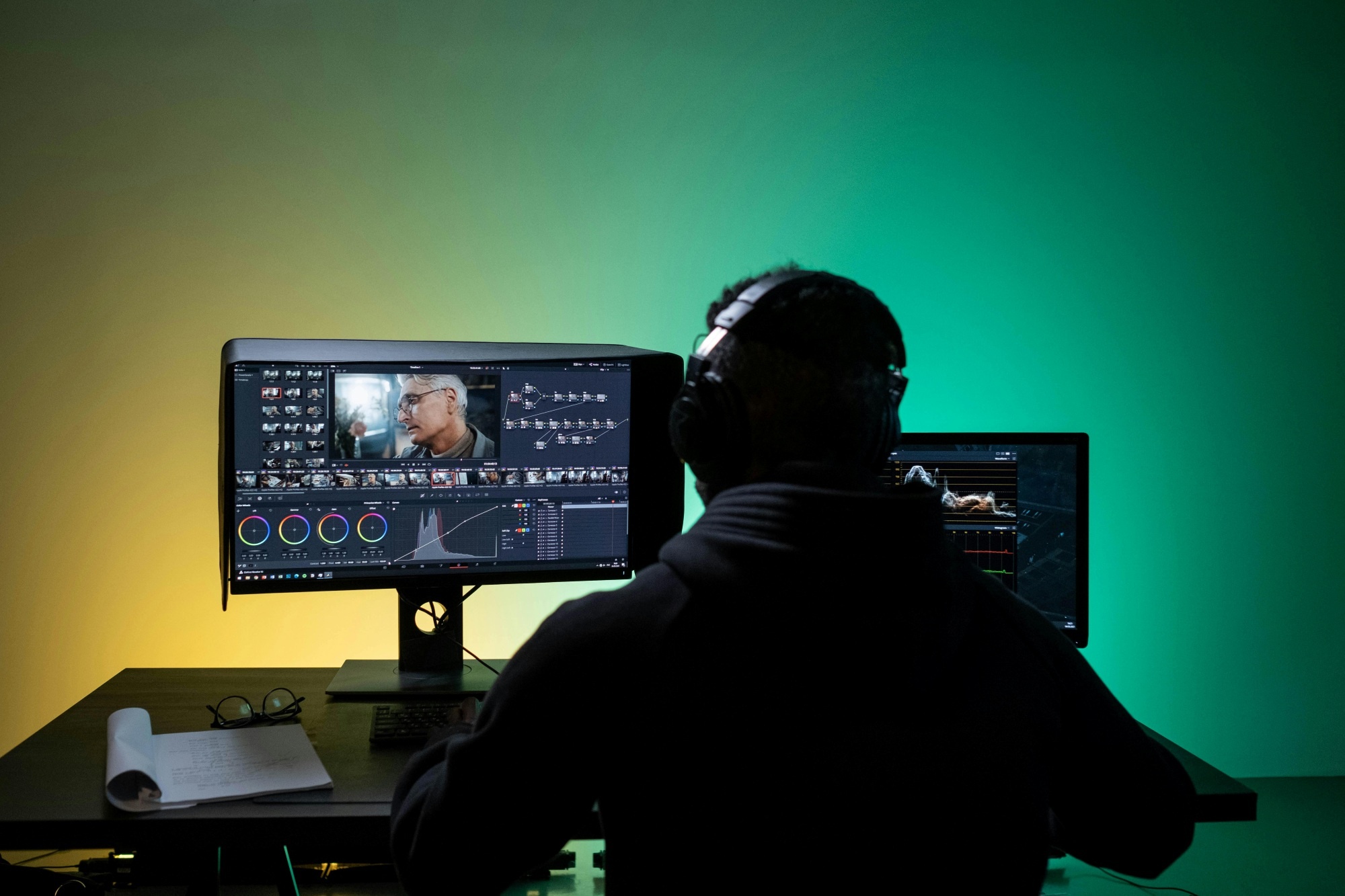 |
AI video creation tools like Veo 3 could revolutionize creative work. Photo: Pexels . |
That is why education is a priority area in this transition. Some of Tom's suggestions include developing media training programs that prioritize creative thinking, professional ethics, and a focus on purpose rather than mere technical skills.
“Students should be taught how to formulate insightful statements, just like when writing a script, while also learning how to rigorously verify content, just as they would with content they create themselves. The issue isn't about replacing creativity, but about expanding how we understand and apply it,” said a representative from RMIT Vietnam.
Finally, Tom noted that the future belongs to those who know how to cooperate, not compete, with AI. Instead of trying to “beat AI,” humans can use it to tell stories that only humans can tell.
"Commands can replace cameras, but they can't replace human inspiration and creative perspective," Tom shared.
Source: https://znews.vn/google-veo-3-tac-dong-linh-vuc-sang-tao-nhu-the-nao-post1574492.html


![[Image] Shipbuilders exposed to steel and record-breaking heat.](https://vphoto.vietnam.vn/thumb/1200x675/vietnam/resource/IMAGE/2026/06/04/1780545781745_ndo_br_img-5402-4683-jpg.webp)






























![[Video] Sunset at Lap An Lagoon – Where the sun sets over the fishing nets](https://vphoto.vietnam.vn/thumb/1200x675/vietnam/resource/IMAGE/2026/05/31/1780192137701_beach-landscape-sea-water-nature-grass-745871-pxhere-com.jpeg)
























Comment (0)