Foldable smartphones: From a bold idea to a breakthrough era.
From their initial bulky and limited design, foldable smartphones have undergone a remarkable evolution to become a future-shaping technology trend.
Báo Khoa học và Đời sống•17/09/2025
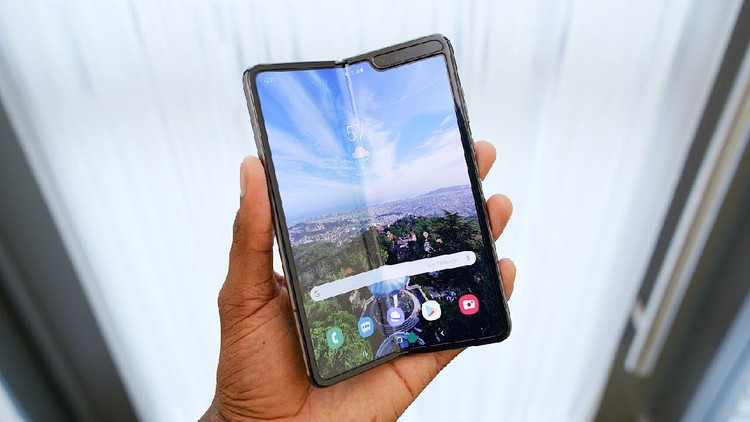
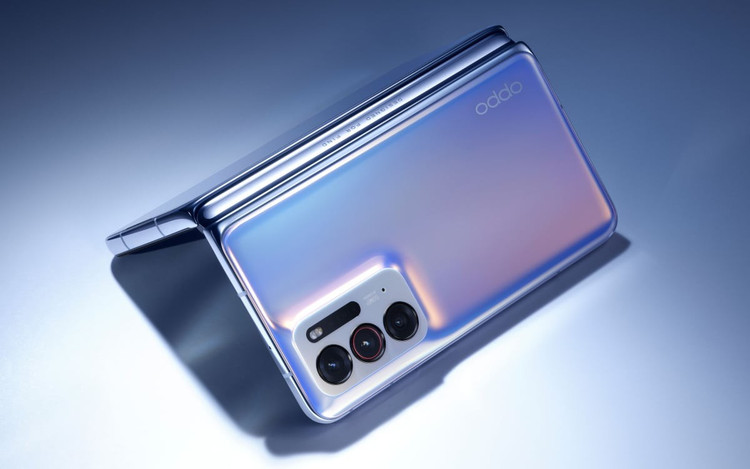
The first foldable smartphones, such as the Galaxy Fold and Huawei Mate X, attracted attention but had many limitations in terms of durability, screen folding, and high price. In just a few years, new hinge technology and materials have enabled the Galaxy Z Fold7 and OPPO Find N5 to achieve a thickness of under 9mm, providing a comfortable grip similar to traditional phones.
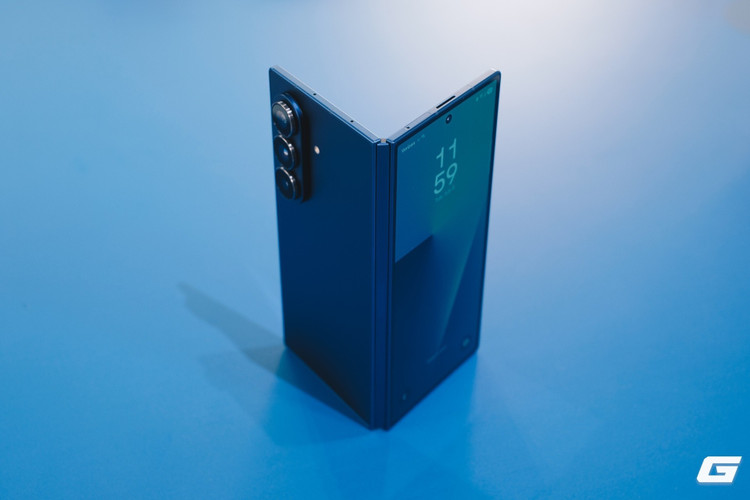
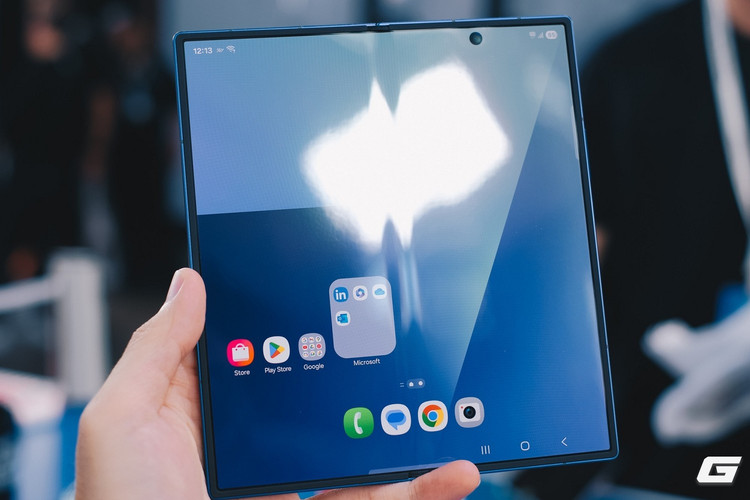
The screen crease, which was once the biggest weakness, has now almost disappeared thanks to the ultra-thin UTG glass and optimized design. (Image: Genk) Manufacturers are also focusing on software, optimizing the foldable interface to take advantage of the large screen, supporting smooth multitasking and smart features.
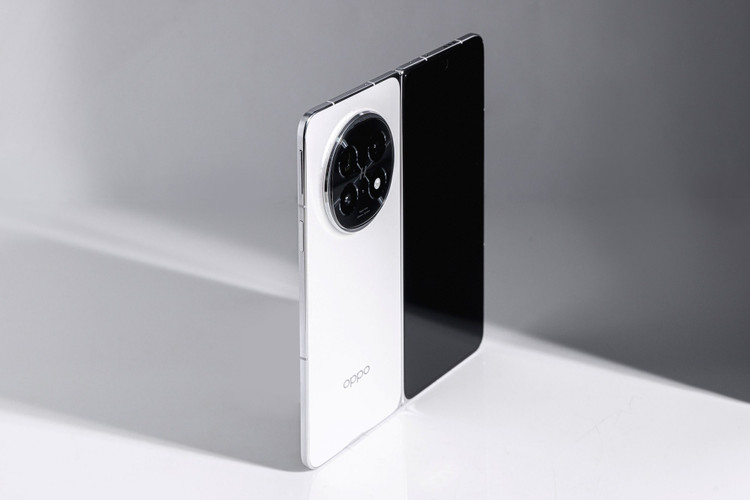
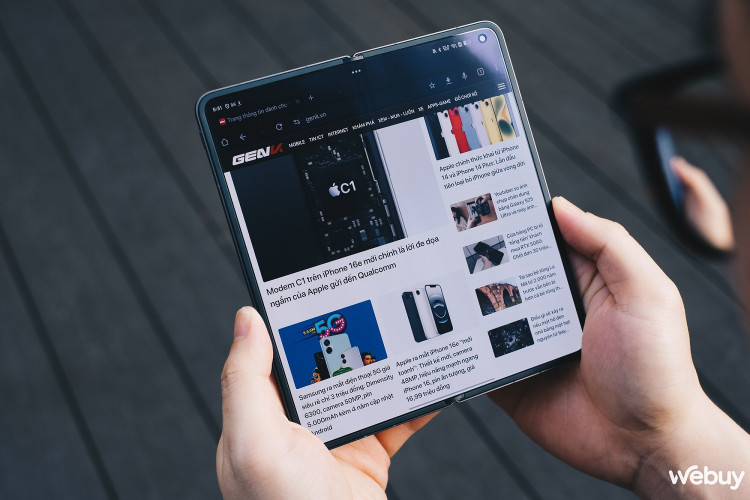
Cameras on foldable smartphones are also making breakthroughs, with both the Galaxy Z Fold7 and OPPO Find N5 boasting flagship sensor systems, 8K video recording, and AI-powered photo editing. (Image: Genk) AI has become a disruptive element, with its ability to provide real-time translation, optimize battery life, and support content creation, transforming foldable smartphones into comprehensive tools for both work and entertainment. (Image: We Buy) The competition between Samsung and OPPO is making this segment even more vibrant, as both models have been nominated for the Better Choice Awards 2025.
From a bold idea, foldable smartphones have now established their position, shaped the future of the mobile industry, and become a groundbreaking technological trend. Readers are invited to watch the video: Top 10 'Terrifying' Tech Devices of the Future.



 Báo Khoa học và Đời sống•17/09/2025

























































































Comment (0)