

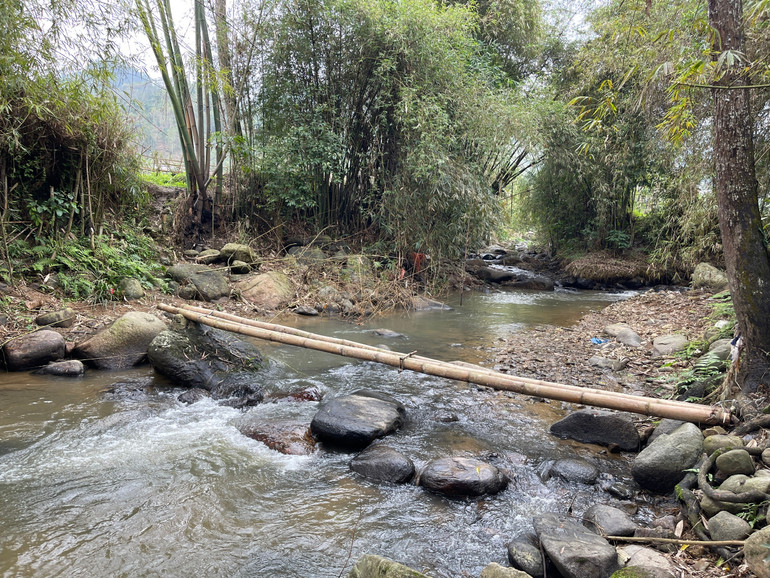
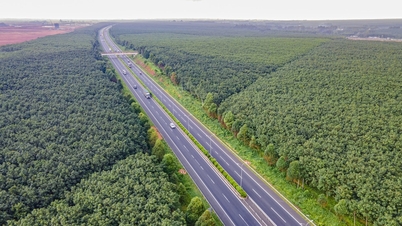
The Cau River possesses all the elements of natural landscape, historical tradition, and diverse cultural identity, making it attractive for tourism development. Currently, tourism in the Cau River is gradually being awakened by investors and the people living along the river, especially with the opening of key transportation routes such as National Highway 3b and the recently inaugurated road from Bac Kan city to Ba Be Lake.
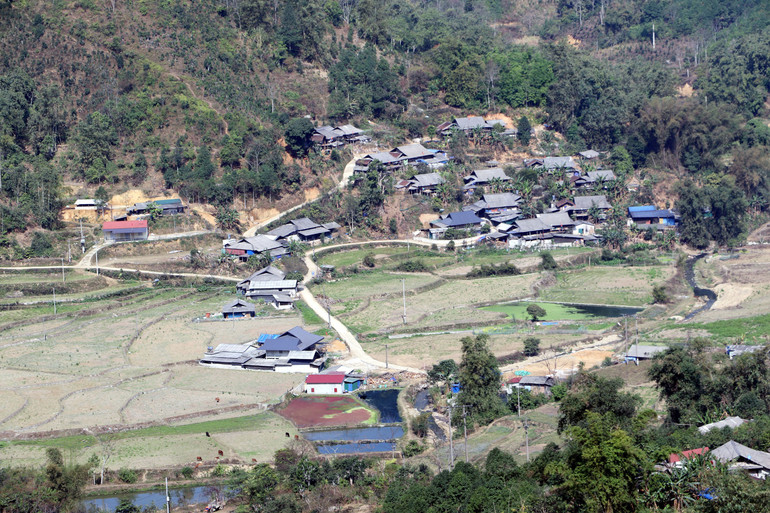
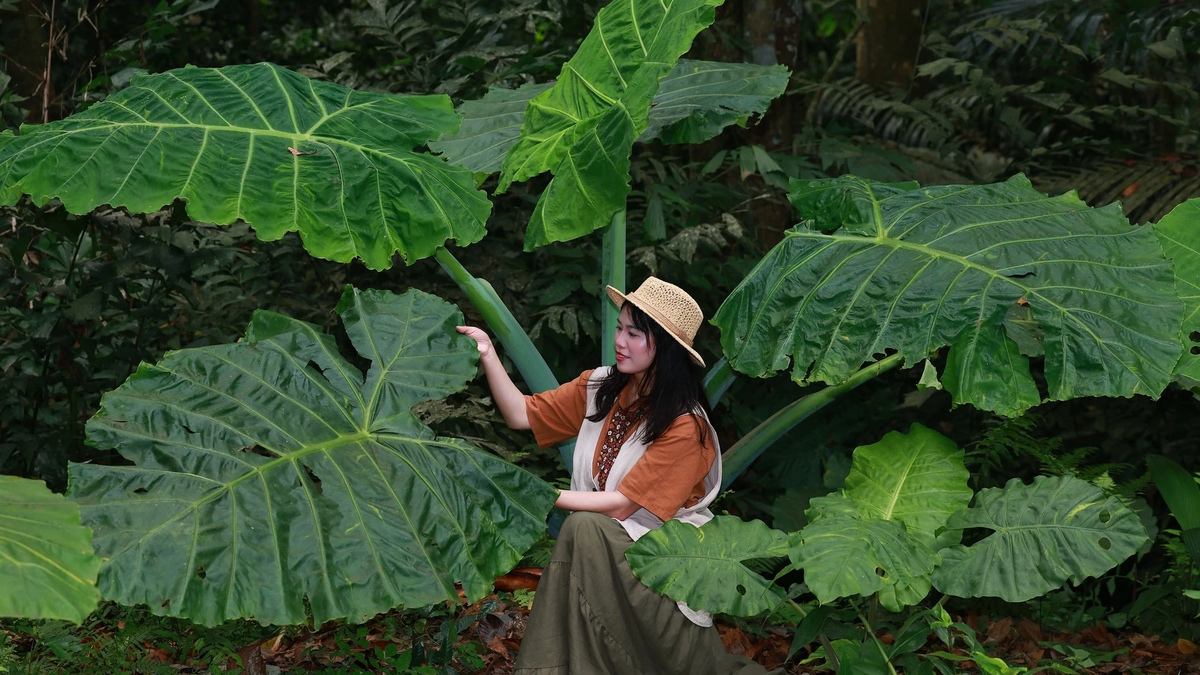
Upon reaching the upper reaches of the Cau River (Phuong Vien commune, Cho Don district), visitors can explore the primeval forest with ancient trees hundreds of years old and witness firsthand the crystal-clear spring flowing from the heart of the mountain.
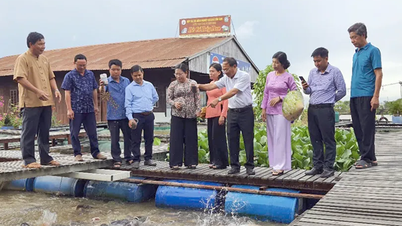
This area is not only the source of the Cau River but also a land preserving the cultural identity of the Tay and Dao ethnic groups. Tourists can experience local life and enjoy traditional dishes made from clean water, such as salmon and sturgeon raised on-site by local cooperatives. In particular, wild vegetables like wild spinach, watercress, and watercress have a distinctive flavor; and Bao Thai rice from Cho Don is also famous for its delicious aroma, contributing to the unique character of the upstream region's cuisine .
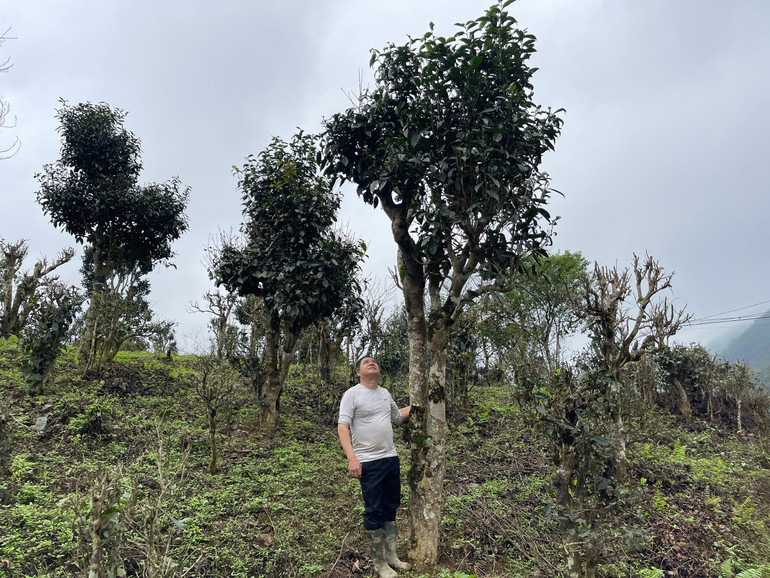
Traveling upstream along the Cau River, visitors to Bang Phuc commune (Cho Don district) can experience picking ancient Shan Tuyet tea – a type of tea that grows naturally, with young buds high up in the trees, requiring climbing or using a ladder to pick them. The tea here is famous for its distinctive refreshing taste.
Bang Phuc also boasts a traditional village specializing in brewing rice wine using leaf yeast; the yeast is made from dozens of types of forest leaves according to the local people's secret recipe. In winter, enjoying a cup of fragrant, freshly distilled rice wine by the warm fire or sipping a cup of Shan Tuyet tea brewed with crystal-clear water flowing from the heart of the mountain are unforgettable experiences. Tourists can stay overnight in stilt houses with the locals and continue their journey to explore Ba Be Lake the next morning.
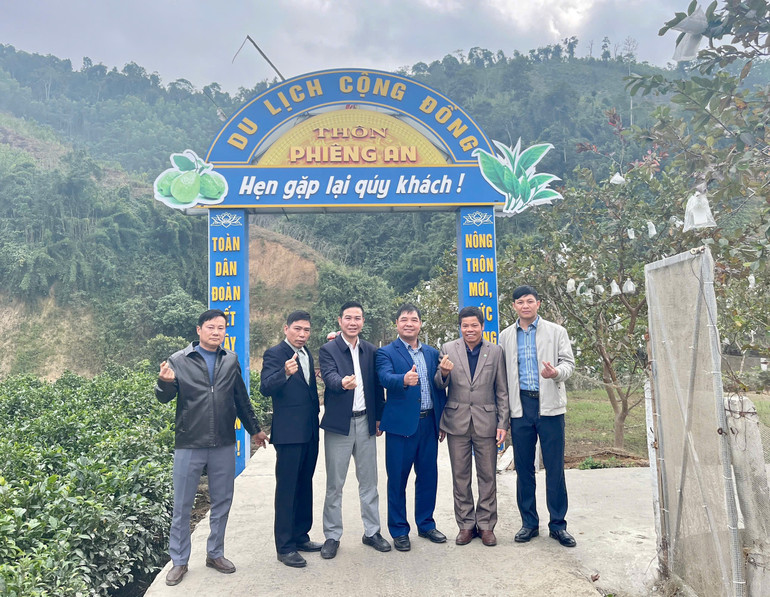
Continuing the journey along the Cau River, about 8-10 km from Bac Kan city on National Highway 3C, visitors will arrive at Quang Thuan commune – the largest fruit-growing area in the province. This place is considered the "fruit capital" with oranges, tangerines, guavas, apples, etc., thriving year-round, offering different fruits in each season.
Right on the banks of the Cau River, the Lan Nhi Cooperative has developed an experiential tourism destination linked to agriculture. Visitors can climb hills to pick local oranges, tangerines, guavas, and apples; and learn about the traditional rice wine brewing process of the Red Dao ethnic group. After the trip, visitors return to the Lan Nhi Cooperative to enjoy a meal with authentic local flavors such as river fish, bamboo shoots, and whole boiled local pork; relax on hammocks swaying by the river, and enjoy the cool, fresh breeze from the gentle Cau River.
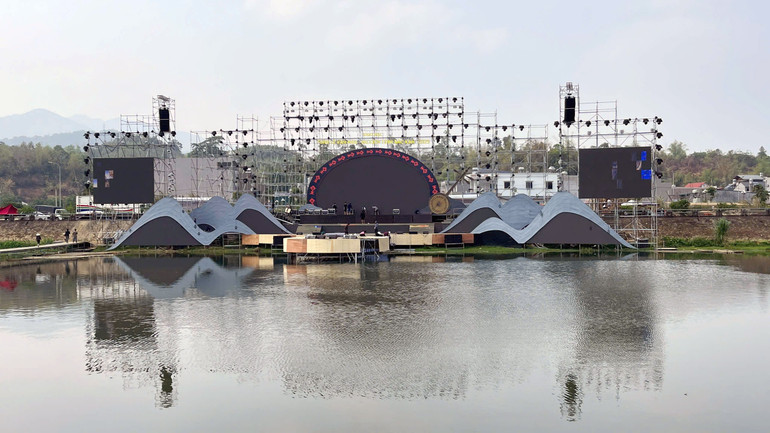
Returning to Bac Kan city for the night, visitors can immerse themselves in the vibrant atmosphere of the pedestrian street, enjoy a hot cup of tea or a glass of spicy wine at night eateries with signature dishes such as grilled eggs, grilled river fish, and thang co (a traditional stew)... The atmosphere, rich in cultural identity, is further enhanced by the melodies of Then singing, the resonant sounds of the Tinh lute, and the traditional bowl dances of the Tay people of Bac Kan.
Source: https://baobackan.vn/song-cau-diem-den-du-lich-post70449.html
![[Photo] Prime Minister Pham Minh Chinh receives the Chinese Ambassador to Vietnam](https://vphoto.vietnam.vn/thumb/1200x675/vietnam/resource/IMAGE/2026/04/05/1775397481797_ndo_br_dsc-5512-jpg.webp)







![[Update] Announcement Ceremony for the Merger of Provincial and Commune-Level Administrative Units in Thai Nguyen and Bac Kan Provinces](https://vphoto.vietnam.vn/thumb/402x226/vietnam/resource/IMAGE/2025/6/30/0de85cb56da843d897e30016b57b1412)







































Comment (0)