

In Gansu Province, northwestern China, the traditional art of shadow puppetry is still preserved and promoted by the local people, becoming a unique cultural highlight that attracts many tourists. Artist Xu Mingtang, who has been involved in the craft for over 40 years, says he was inspired by his father – a shadow puppet sculptor – before undergoing formal training for six years to begin his independent performing career.
Shadow puppetry is an art form with a benevolent message, telling stories of eliminating evil and upholding filial piety. The puppeteer must simultaneously sing, manipulate the puppets, and express emotions appropriate to the plot, giving each performance its soul. However, behind the scenes, there is also the silent contribution of sculptors – those who create the exquisite puppets from cowhide.
According to the artisans, creating a complete puppet requires more than 10 steps: processing the skin, sketching, hand-carving, coloring, and ironing. Each product takes one to two days to complete. Reporter Huyen Trang said that trying her hand at carving on cowhide showed the meticulousness and skill required in this traditional craft.
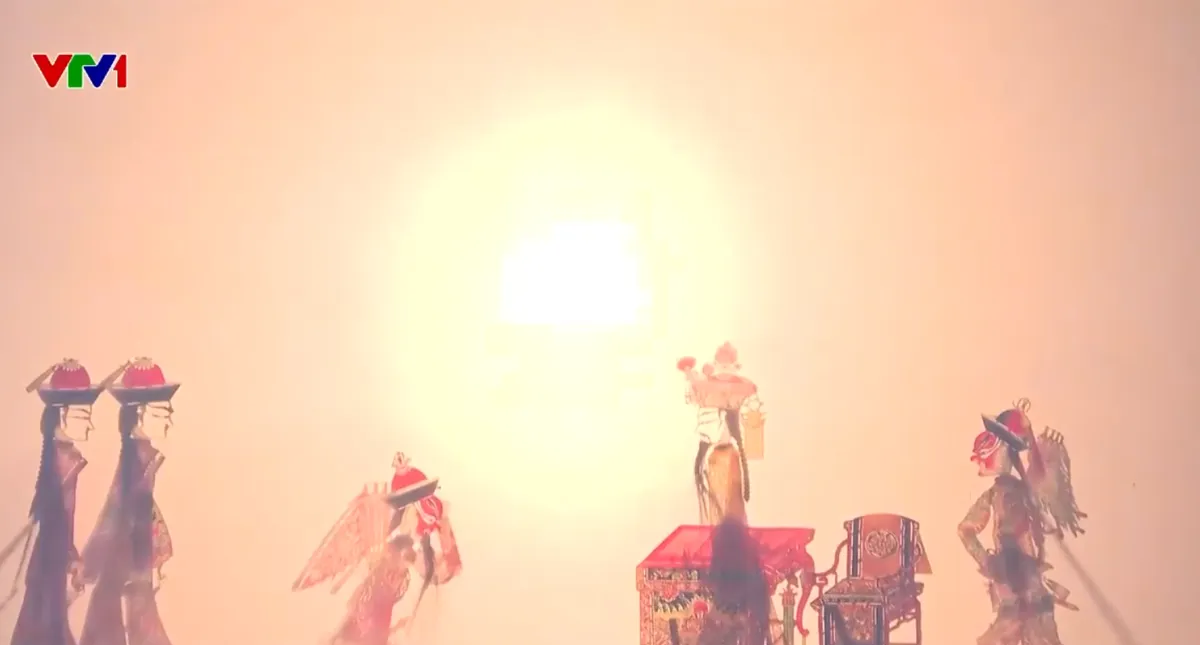
Today, watching shadow puppetry, experiencing puppet making, and trying your hand at controlling puppets have become prominent tourist attractions in Gansu. During peak season, local shadow puppet theaters offer 30-50 performances daily, catering to both domestic and international tourists. Korean tourist Yeonji Kang shared that her first time watching and trying a shadow puppet performance was a truly wonderful experience, particularly impressed by the durability of the puppets made from cowhide.
In 2011, UNESCO included shadow puppetry on its list of cultural heritage in need of preservation. To this day, local people continue to strive to preserve and promote the value of this heritage.
Behind every artistic performance lies a lifetime of dedication from the artisans. And this is also an experience not to be missed for tourists who have the opportunity to visit Gansu Province, China.
Source: https://vtv.vn/thuong-thuc-nghe-thuat-roi-bong-trung-quoc-10025121213500228.htm


![[Photo] Prime Minister Pham Minh Chinh attends the Conference summarizing and implementing tasks of the judicial sector.](/_next/image?url=https%3A%2F%2Fvphoto.vietnam.vn%2Fthumb%2F1200x675%2Fvietnam%2Fresource%2FIMAGE%2F2025%2F12%2F13%2F1765616082148_dsc-5565-jpg.webp&w=3840&q=75)

















































































Comment (0)