


Dish fit for a king
This simple dish is not only the pride of Hung Yen but also famous on the Vietnamese culinary map. It has even been immortalized in a traditional folk song: "La cucumber, Lang mint, Bang spring rolls, Ban soy sauce, Van Van fish sauce, Dam Set perch..."
Along with Nam Dan soy sauce (Nghe An) and Duong Lam soy sauce ( Hanoi ), Hung Yen's ban soy sauce was once a delicacy offered to the emperor. Today, this dipping sauce has transcended the village boundaries, proudly occupying a place on elegant banquet tables alongside other exquisite dishes such as rare beef, goat, and wild boar meat.
The most famous and delicious soy sauce comes from Ban village, Ban Yen Nhan town, My Hao district. Here, soy sauce makers have gathered four essential elements: high-quality soybeans, soy sauce fermentation starter (yeast), clean water, and the skillful hands of artisans. Soybeans, although grown everywhere, yield more abundant, uniformly sized, golden-yellow pods in the riverside alluvial soil.
The process of making fermented soybean paste is an art that requires patience and meticulous attention to detail, and it is also a secret recipe passed down through generations in families.
Sticky rice is made from glutinous rice (specifically the "golden flower" variety) which is soaked and then cooked into sticky rice.
When the sticky rice is cooked, spread it out on a tray to cool, then cover it with lotus leaves or taro leaves and let it ferment until mold appears. Then, dry it in the dry sun until the mold blooms and feels light and fluffy like cotton when you hold it in your hand.
After careful selection, the soybeans are roasted on sand. To roast them evenly, the fire must be kept steady, and the beans must be constantly stirred. Even the earthenware jars used for making the soy sauce are chosen from Tho Ha village in Bac Giang province.
The water used to soak the beans is clear and sweet, coming from the village well. The salt used here isn't chosen haphazardly; the people of Ban village prefer Hai Hau sea salt to achieve the right level of savory flavor.
The colors shimmer
Every morning, as the golden sunlight shimmers on the courtyard, the villagers of Ban open the lids of their soy sauce jars, use bamboo sticks to stir the sauce, and add water. They leave the lids open to air dry in the sun, and cover the jars with plastic bags to protect them from rainwater when it rains.

Soy sauce thrives in sunlight; the stronger the sun, the more golden and glossy it becomes. However, it's unsuitable for rain; even a few raindrops can spoil the jar of soy sauce. The ladle used to scoop the soy sauce is usually made from a piece of coconut shell with a bamboo handle. Before scooping, people typically stir the soy sauce thoroughly with the ladle.
Making fermented soybean paste is hard work and requires meticulous attention to detail, yet a bottle of it is very inexpensive, costing only a few tens of thousands of dong. Once purchased, users can customize it according to their preferences, turning it into a magical condiment.
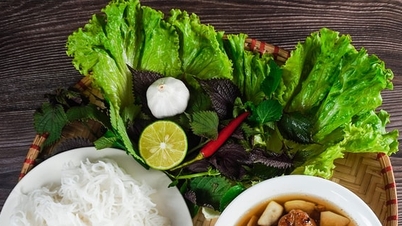
Dipping boiled water spinach into a bowl of fermented soybean paste, and bringing it to your mouth, you feel the flavor of the fermented soybean paste spreading across your tongue, awakening your senses. You feel the saltiness of the salt and the lingering sweetness of the soybeans blended into each piece of green vegetable. It's like savoring the simple, rustic essence of the countryside.
Every time I go back to my hometown, my favorite dish is the crucian carp stewed with bananas and fermented soybean paste, meticulously prepared by my mother-in-law. She goes to the Đo market to buy crucian carp. This humble river fish, when stewed with green bananas, creates a unique and delicious flavor.
My mother-in-law, with her skillful hands, marinates crucian carp with ginger, galangal, lemongrass, chili peppers, and a little fermented soybean paste. After marinating, the fish is carefully arranged in a pot, alternating with layers of galangal leaves, green bananas, and fermented soybean paste, then simmered over low heat. Until everything is well combined, and the aroma of the fermented soybean paste marinade fills the air, it's ready to be served.
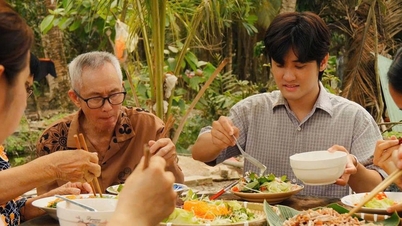
The whole family gathered together on the breezy porch. They picked up pieces of braised fish, infused with the aroma of soy sauce, ginger, lemongrass, and a hint of spicy chili. A slice of green banana, soft and sweet, absorbed the flavor of the soy sauce. Nothing could compare to Mom's cooking; once you taste it, you'll never forget it.
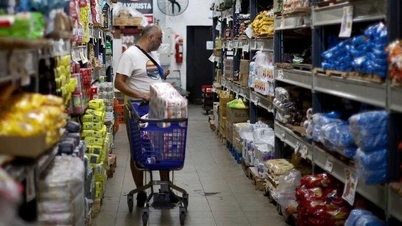
Every time I go to the supermarket and see a jar of soy sauce on the shelf, it makes me nostalgic for the home-cooked meals my husband used to make in Northern Vietnam.
Source




![[Photo] General Secretary and President To Lam presides over a working session with the Central Policy and Strategy Committee on the development of the materials industry.](https://vphoto.vietnam.vn/thumb/1200x675/vietnam/resource/IMAGE/2026/05/21/1779359935432_a3-bnd-3129-1412-jpg.webp)




















































































Comment (0)