

Strong influence in Africa
The Wagner private military group, founded by Yevgeny Prigozhin in 2014, has received much attention since its involvement in the Ukraine conflict and its major victories, such as those on the Bakhmut front earlier this year. However, Wagner's influence extends beyond Ukraine.
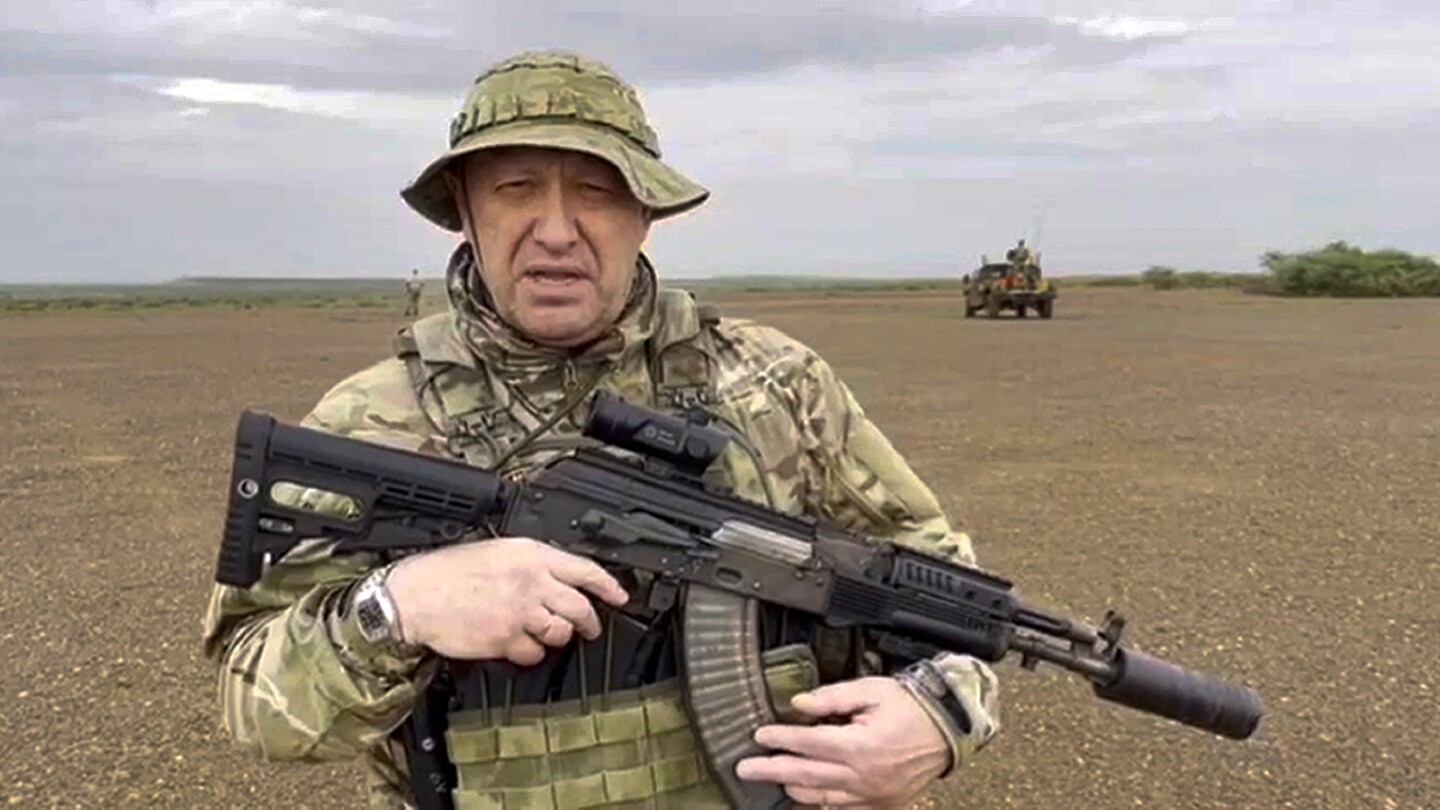
Yevgeny Prigozhin, the head of the Wagner military conglomerate, who is believed to have died in the plane crash on August 23rd - Photo: The Telegraph
In recent years, Prighozin's forces have left their mark in many parts of Africa, from North Africa to Central and West Africa. Particularly noteworthy is the Sahel region, a vast, arid strip of land spanning over 3 million square kilometers across Africa, located south of the Sahara Desert and serving as a transitional zone between North and Central Africa.
In the Sahel, jihadist armed groups linked to the Islamic State (IS) and Al-Qaeda are increasingly active, making it difficult for governments in the region, such as Mali, Burkina Faso, and Niger, to cope. Coupled with power struggles among military leaders and between military and civilian authorities, the security problem in this area is extremely complex.
That context provided fertile ground for Wagner to infiltrate and take root. According to Foreign Policy, Wagner's soldiers are operating in at least eight African countries, participating in a wide range of security services: from protecting mining facilities and ensuring the security of VIPs to replacing regular troops in combating terrorism and defending territory.
For example, in the Central African Republic, Wagner mercenaries are hired to protect Faustin-Archange Touadéra and fight against armed rebel groups. An estimated 1,000 Wagner mercenaries have been stationed in the Central African Republic since 2018, and in addition to acting as a force on the battlefield, Wagner mercenaries are also involved in protecting government-owned precious metals mining facilities.
Wagner's second major presence is in Mali. There, Wagner supports the current military government in controlling the country and suppressing uprisings by Islamist militants. According to Columbia University political science professor Kimberly Marten, Wagner is also cooperating with one of the two military factions in the Sudanese civil war, the paramilitary force known as the Rapid Support Force (RSF) led by General Mohammed “Hemedti” Hamdan Daglo.
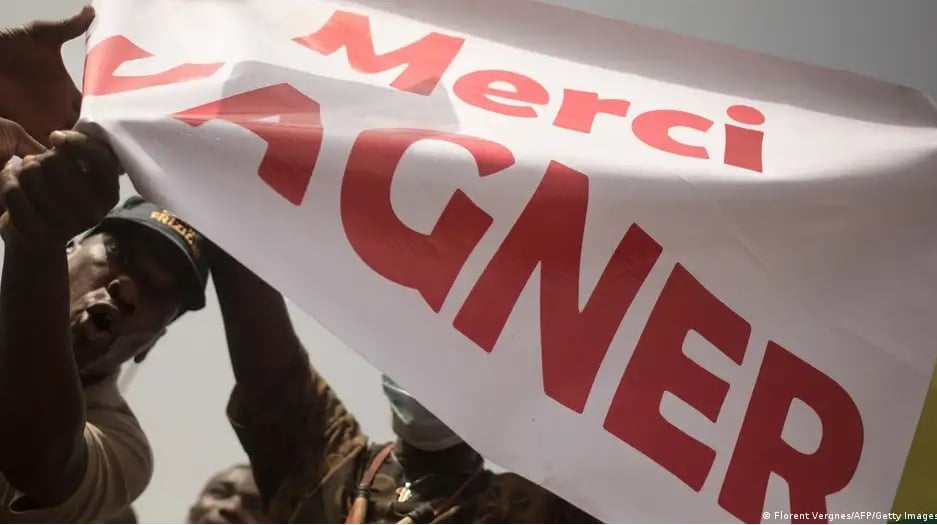
Malian citizens applaud Wagner for his fight against extremist Islamist rebels. Photo: Getty
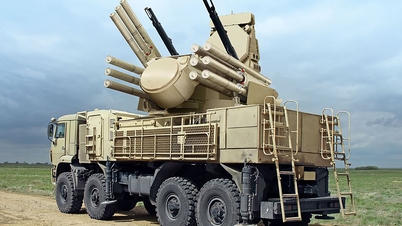
Furthermore, Wagner also had a significant presence in eastern Libya, working with the region's warlord, Khalifa Haftar, to ensure his air defense system operated effectively, thereby protecting the oil and gas resources that Haftar controlled.
Does the snake lose its head, or does it grow a new head?
But following reports that Wagner leader Yevgeny Prigozhin may have died in a plane crash in Russia, many are now wondering whether military support from this private military corporation in Africa will remain unchanged.
According to Ryan Cummings, Director of Risk Assessment at the Center for Strategic and International Studies (CSIS), it appears that Wagner's activities in Africa will "continue as they have been doing for the past few months or even years under certain circumstances."
Cummings said the future of the mercenary group in Africa remains intact, even though Prizgozhin is no longer involved in or commanding the force. "If you look at the structure of the Wagner Group in countries like the Central African Republic, Mali, Sudan, and Libya, there's no immediate indication that they will cease operations or even experience a significant disruption."
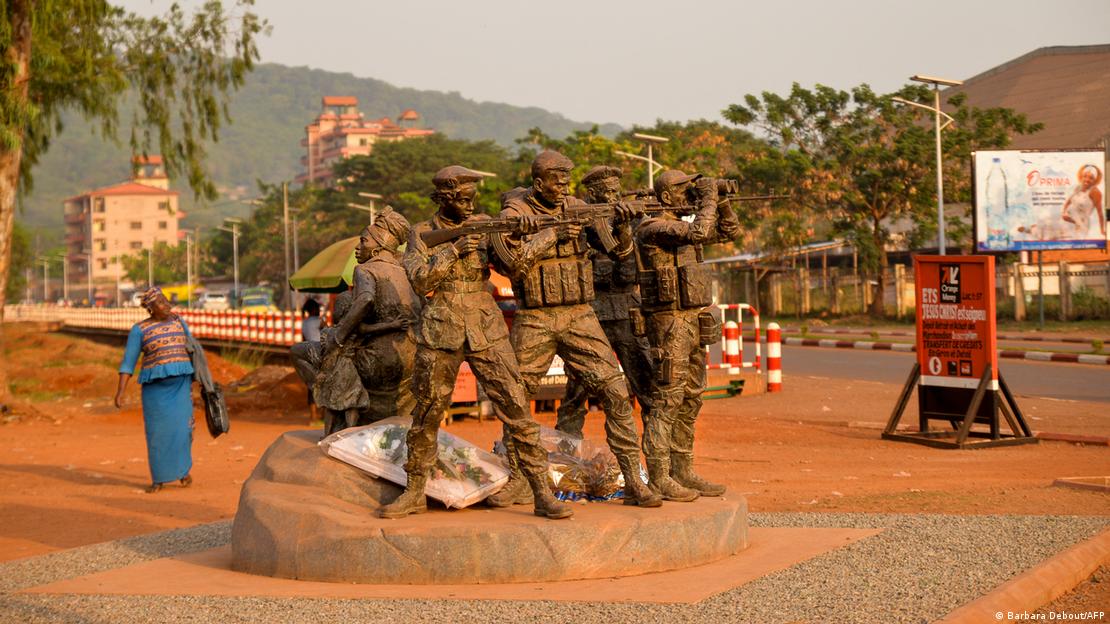
A monument has been erected in Bangui, the capital of the Central African Republic, to honor the contributions of the Wagner private security forces. Photo: AFP
In an exclusive interview with DW, Fidele Gouandjika, an advisor to Central African Republic (CAR) President Faustin-Archange Touadera, said that relations between his country and the paramilitary forces (from Wagner) would remain unchanged. Gouandjika stated, “We have a defense agreement and the paramilitary forces that work with us will continue their work as before. They will find a different leader.”
Meanwhile, in Mali, there were even more financial entanglements between the military government and Wagner and its subsidiaries. In late 2021, the Center for Strategic and International Studies (CSIS) identified a new military base under construction in Mali. Witnesses on the site later confirmed that the base belonged to the Wagner Group.
Western intelligence reports indicate that Mali – one of the world's poorest countries – spent $10 million a month, or more than €100 million a year, on Wagner mercenaries. Wagner also held significant stakes in Mali's oil sector, effectively controlling the country's export oil prices.
Therefore, according to historian Irina Filatova, professor emeritus and senior research fellow at the University of KwaZulu-Natal in South Africa, each branch of Wagner in Africa can position itself independently in a potential post-Prigozhin future.
Therefore, it can be concluded that the interests and relationships between Wagner and its partners in Africa will not change, even if Yevgeny Prigozhin is no longer there.
Nguyen Khanh
Source















































































Comment (0)