

The body needs nutrients to function properly. Since the body cannot produce nutrients on its own, it must obtain them through daily diet. When the body doesn't absorb enough of these nutrients, it will experience nutrient deficiencies, according to the health website Medical News Today (UK).
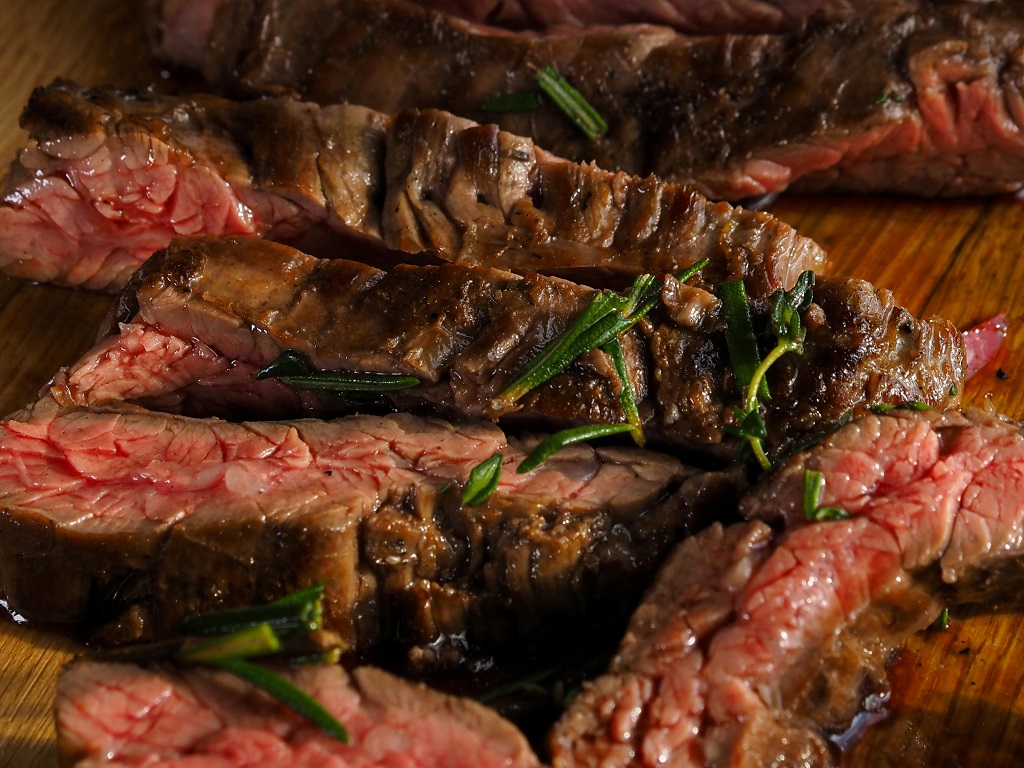
Red meat is rich in iron and can help prevent iron-deficiency anemia, but it shouldn't be consumed in excessive amounts.
Nutrient deficiencies can have a significant impact on health, including:
Iron deficiency
Iron is extremely important for health because it is the main component of red blood cells. Red blood cells transport nutrients and oxygen in the blood to organs throughout the body. Iron deficiency is the most common type of iron deficiency, affecting approximately 25% of the population.
Iron deficiency can cause anemia, reducing the number of red blood cells and affecting the blood's ability to transport oxygen and nutrients. This can lead to symptoms such as persistent fatigue, weakened immunity, and impaired brain function. To prevent iron deficiency, people need to eat enough iron-rich foods such as red meat, shellfish, beans, sardines, and leafy green vegetables.
Vitamin D deficiency
Vitamin D is produced by the body from cholesterol in the skin when exposed to sunlight. A deficiency in vitamin D weakens muscle mass, leading to bone loss and an increased risk of fractures. In children, vitamin D deficiency can lead to developmental delays.
In addition, vitamin D deficiency can also increase the risk of depression. To prevent vitamin D deficiency, besides getting about 10 minutes of sun exposure per day, people can eat foods rich in vitamin D such as cod liver oil, egg yolks, and fatty fish like salmon, tuna, and herring.
Magnesium
Magnesium is an extremely important mineral that helps strengthen bone and heart health, and regulates over 300 enzyme reactions. Long-term magnesium deficiency increases the risk of type 2 diabetes, heart disease, osteoporosis, and several metabolic disorders.
Studies show that people hospitalized for extended periods are at high risk of magnesium deficiency. Foods rich in magnesium include leafy green vegetables, dark chocolate, whole grains, and nuts such as almonds and walnuts, according to Medical News Today.
Source: https://thanhnien.vn/3-duong-chat-khong-duoc-thieu-vi-se-de-gay-benh-185241020182137757.htm





























































































Comment (0)