

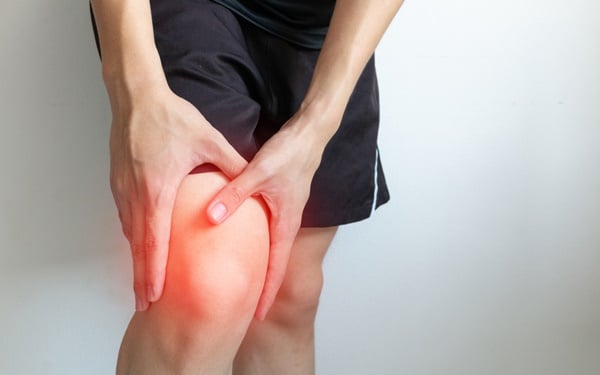
1.Why does joint pain often flare up in winter?
Dr. Dhananjay Gupta, an Orthopedic and Joint Replacement Surgeon in India, explains that cold weather can affect arthritis by narrowing blood vessels, reducing blood flow to muscles and joints. When blood flow is reduced, tissues can contract, leading to pain and stiffness. This increases sensitivity to discomfort.
Additionally, barometric pressure, the weight of air in the atmosphere, can affect sensation, especially in cold or rainy weather. As pressure drops, the tissues around joints can expand, causing additional discomfort for people who already have conditions such as osteoarthritis or rheumatoid arthritis.
Winter often has shorter days and colder weather, which means less activity. This reduced activity can lead to stiffness and weight gain, which puts extra stress on your joints. It can also weaken your muscles, which can make joint pain worse.
People with arthritis often feel stiffer in the morning or have more difficulty performing daily tasks when the weather is cold or the temperature drops in winter. It can be said that winter does not directly harm the joints, but it can increase inflammation, making joint pain more pronounced.

Cold weather in winter is a favorable condition for arthritis symptoms to flare up.
2. Measures to prevent pain caused by arthritis
2.1. Dress warmly and keep warm
Cold weather is one of the most common causes of joint pain. To help your body adapt, wear layers of clothing that trap heat and protect vulnerable areas like your hands, knees, and feet. Thermal leggings, tight gloves, and warm socks can make a big difference. Don’t forget scarves, hats, and body warmers to help maintain your overall body temperature.
When you do need to go out, warm up your muscles indoors first with gentle stretching or walking in place. Keeping your body warm helps reduce stiffness and prevent flare-ups.
2.2. Vitamin D supplementation
In winter, shorter days and less sunlight can mean lower vitamin D levels, especially for older adults who spend more time indoors. Vitamin D plays an important role in maintaining bone and joint health. Low vitamin D levels have been linked to muscle weakness and increased arthritis pain.
Therefore, try to get some morning sun and talk to your doctor about taking vitamin D supplements if necessary or eating more vitamin D-rich foods such as salmon, vitamin D-fortified milk and eggs.
2.3. Gentle exercise
Exercise may seem counterintuitive when your joints are in pain, but it is one of the most effective ways to manage arthritis symptoms. Regular, gentle exercise helps keep joints flexible, strengthens surrounding muscles, and promotes blood circulation, which can help relieve pain.
Activities such as yoga, tai chi and swimming in a heated pool help maintain flexibility and keep joints functioning optimally, preventing stiffness. If you have access to a heated therapeutic pool, this is even better as the warmth of the water can soothe stiff joints while providing gentle resistance to build strength.
If you prefer to stay indoors, consider chair exercises or short stretches throughout the day. The goal is to stay active, even if only slightly, to prevent stiffness.
2.4. Eat smart to reduce inflammation
What you eat can have a powerful impact on inflammation and joint pain. A diet rich in anti-inflammatory foods can help reduce swelling and improve mobility over time.
Focus on anti-inflammatory foods including:
- Fruits and vegetables like cherries, berries, grapes, kale and spinach.
- Foods rich in omega-3s include salmon, walnuts, and flaxseeds.
- Whole grains and lean protein...
Try to limit or avoid processed foods, sugary snacks, and refined carbohydrates, as they can trigger an inflammatory response.
2.5. Vitamin C supplement
Vitamin C supports the body's ability to produce collagen, a key component of cartilage, which cushions joints and helps them move smoothly. As arthritis progresses, this cartilage can wear away, leading to pain and stiffness.
Adding more vitamin C-rich foods to your diet can help support joint health. Focus on citrus fruits, bell peppers, strawberries, cauliflower, and cherries. These foods are also rich in antioxidants that help protect joints from further damage.
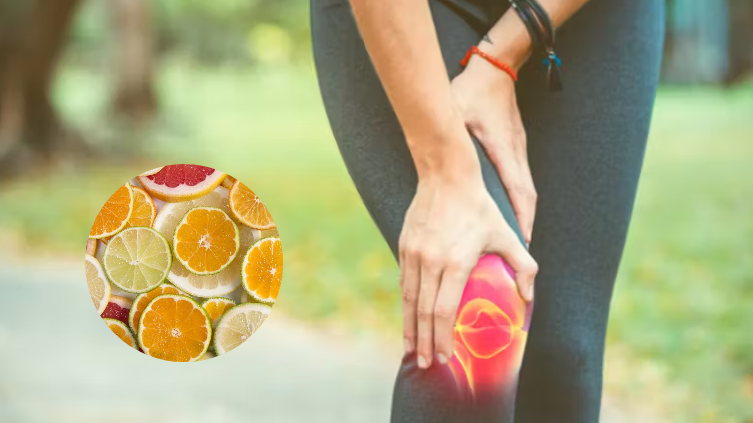
Supplementing foods rich in vitamin C helps cushion joints to function smoothly, reducing pain as arthritis progresses.
2.6 Weight monitoring
Being overweight puts extra pressure on your knees and hips, so maintaining a healthy weight can help reduce the aches and pains that often come with winter. Even small changes to your diet and exercise routine can make a big difference over time.
Source: https://suckhoedoisong.vn/6-cach-tu-nhien-giup-giam-bung-phat-viem-khop-khi-troi-lanh-169251126151803357.htm


![[Photo] Cat Ba - Green island paradise](/_next/image?url=https%3A%2F%2Fvphoto.vietnam.vn%2Fthumb%2F1200x675%2Fvietnam%2Fresource%2FIMAGE%2F2025%2F12%2F04%2F1764821844074_ndo_br_1-dcbthienduongxanh638-jpg.webp&w=3840&q=75)









![[Video] Prevent disease outbreaks after floods](https://vphoto.vietnam.vn/thumb/402x226/vietnam/resource/IMAGE/2025/12/04/1764833541876_720-jpg.webp)



































![[VIMC 40 days of lightning speed] Da Nang Port: Unity - Lightning speed - Breakthrough to the finish line](https://vphoto.vietnam.vn/thumb/402x226/vietnam/resource/IMAGE/2025/12/04/1764833540882_cdn_4-12-25.jpeg)










































Comment (0)