

 |
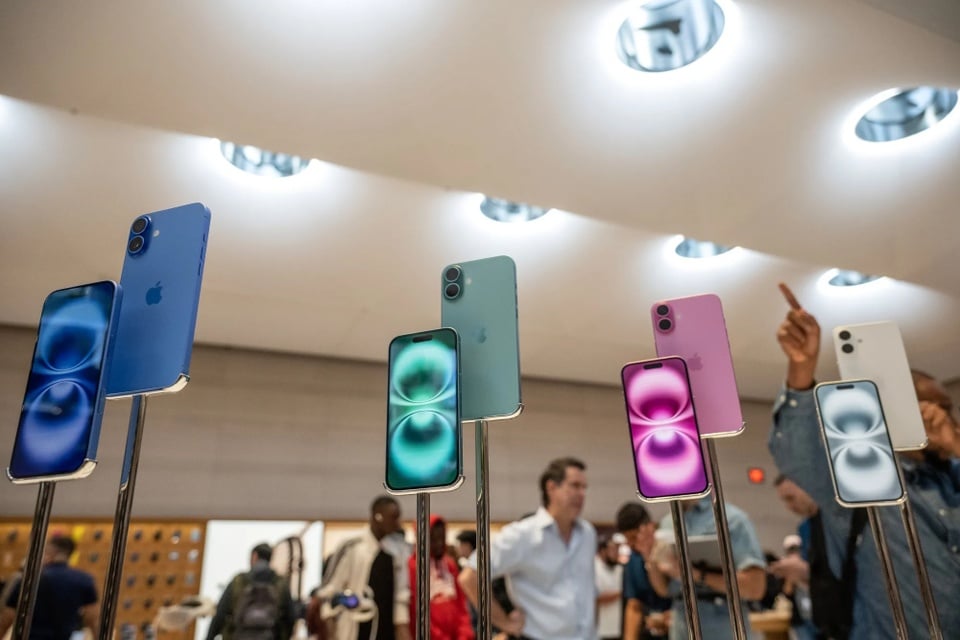
Apple's sales in China have surged. Photo: Bloomberg . |
China's Double Eleven holiday ended nearly three weeks ago, but the smartphone market in China is only now clearly shaping its sales figures. Contrary to the "leadership" claims of many companies on e-commerce platforms, data from Counterpoint Research reveals a somewhat surprising reality.
Specifically, Apple, OPPO, and Vivo experienced strong growth, while Xiaomi, Huawei, and Honor recorded declines compared to the same period last year.
The opposite number
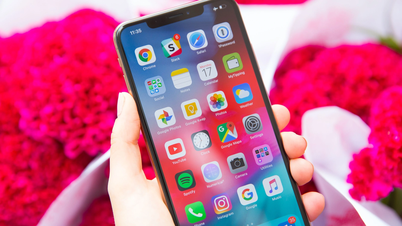
According to reports, Apple's sales increased by 37% during Singles' Day. This figure surprised even market observers, as Apple has been more controlling on pricing this year, with significant discounts almost non-existent. The iPhone 17 still sold strongly, with pre-orders during the launch period and the "no-wait" mentality of consumers driving this purchasing power.
Furthermore, while price reductions of around 500 yuan ( US$70 ) on some e-commerce platforms weren't substantial enough to create a significant boost, upgrade demand from long-time users compensated for that gap. Given Apple's generally lackluster annual sales, achieving significant growth without relying heavily on price discounts is a rare bright spot for the American tech giant.
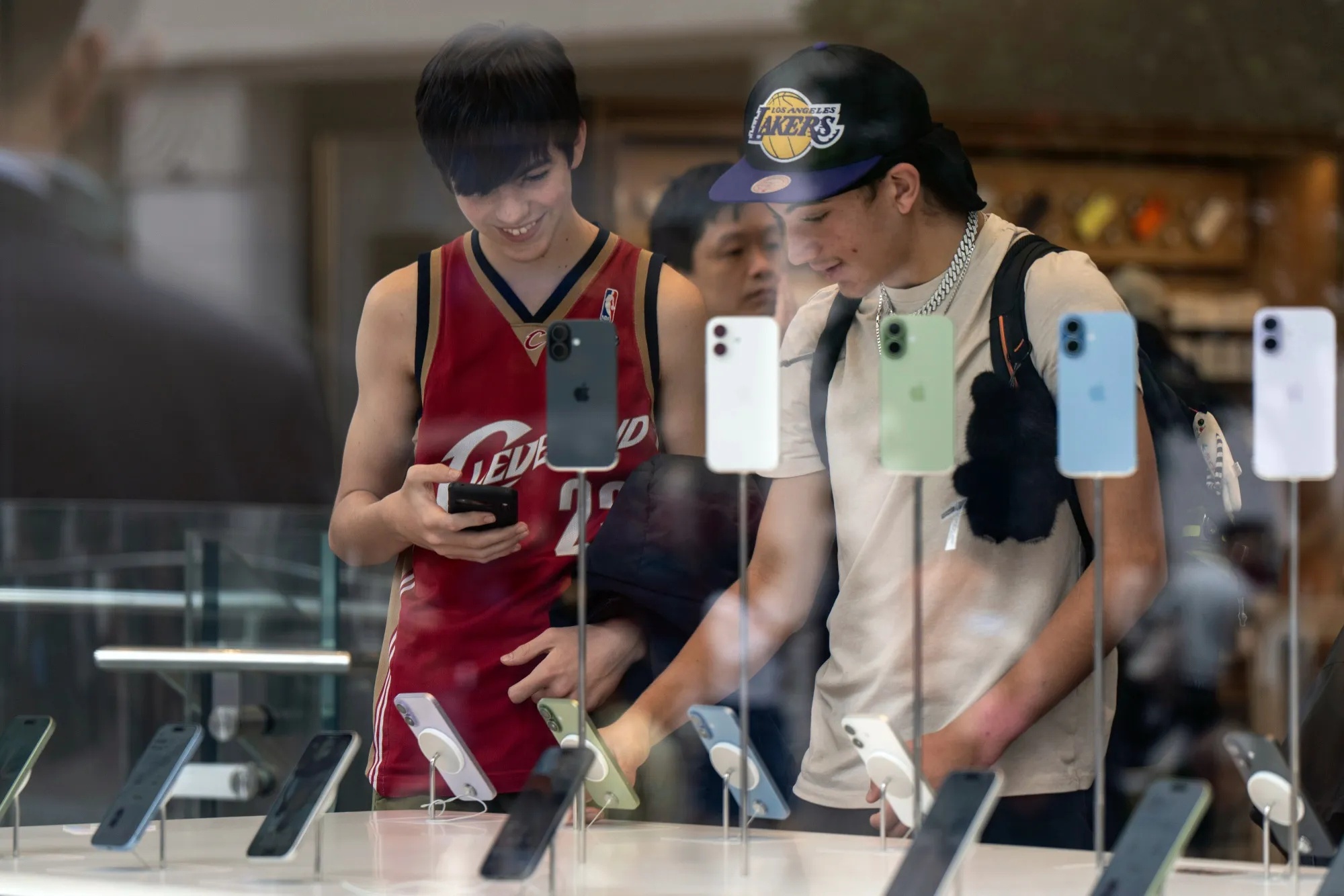 |
Consumers in China no longer wait for Singles' Day to hunt for discounted goods. Photo: Bloomberg . |
In contrast to Apple, Xiaomi and Huawei are two brands that experienced a significant decline. For Xiaomi, the reason stems from the launch timing. The Xiaomi 17 series went on sale a month earlier than usual, causing the majority of initial sales to fall in October, a period outside of Counterpoint 's statistics.
On October 2nd, Xiaomi announced that it had sold over one million Xiaomi 17-inch phones, but this sales figure was not included in the survey data that began on October 20th. The fact that the largest sales figures appeared before the official statistics period led to the company's results being underestimated.
Furthermore, Xiaomi has tightened its pricing strategy this year to build a premium image. This has made discount programs during the shopping season less attractive to users who prioritize cost.
The rankings have changed hands.
Huawei experienced the sharpest decline among the brands surveyed. Data from the first three quarters of the year shows that the company's sales began to decline from Q3 2025, mainly due to the lack of new flagship models. Market demand for the Pura and Nova series, which were key growth drivers last year, weakened after their early launch in Q2 2025.
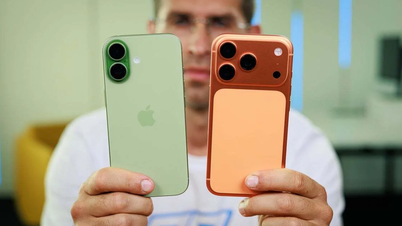
While Xiaomi and Huawei slowed down, OPPO and Vivo emerged as bright spots in the market. Both brands launched new flagships just before the promotional period. The Find X9 and Vivo X300 achieved significantly higher sales than their predecessors, contributing to the growth of both brands during Singles' Day.
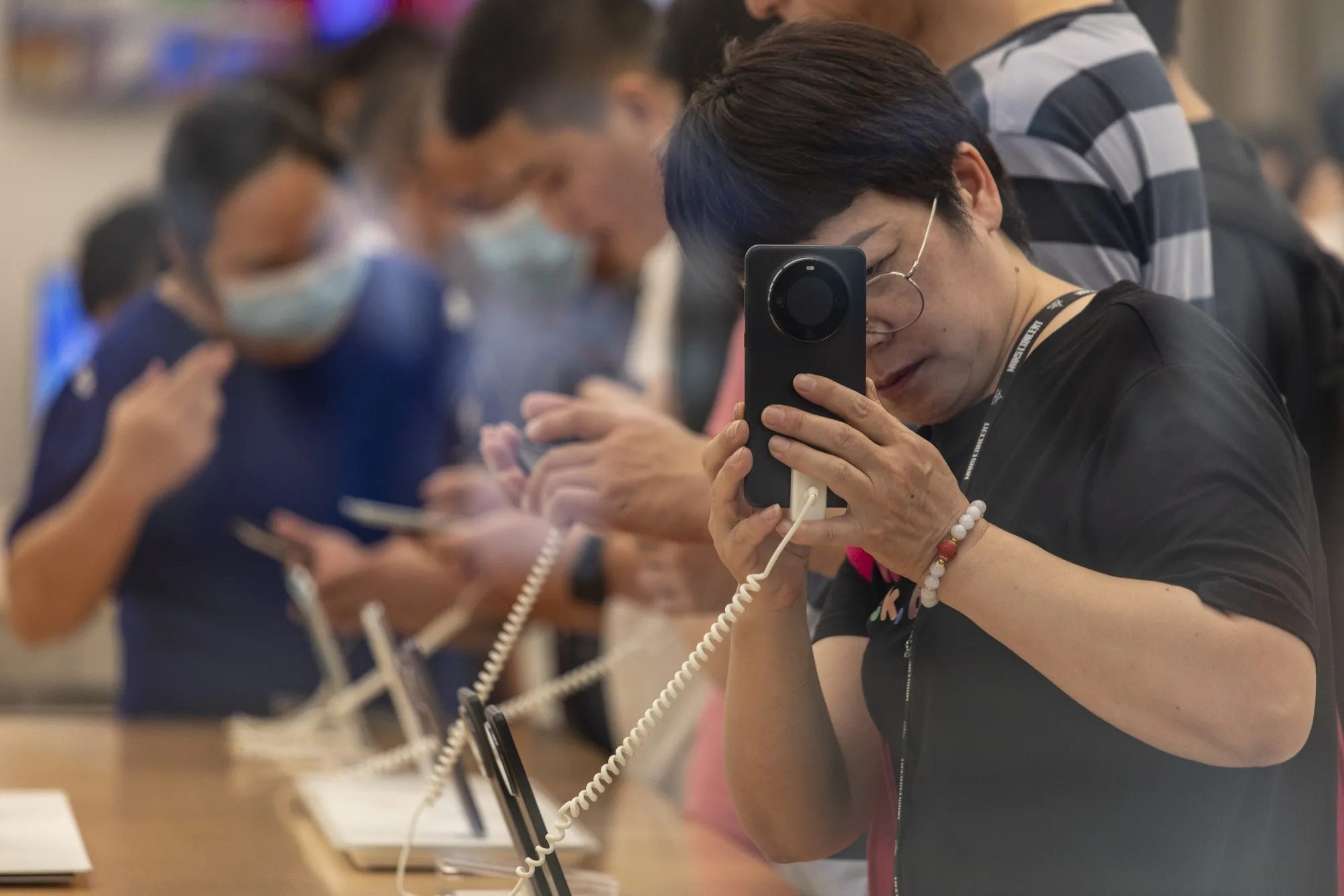 |
Both Huawei and Xiaomi did not have good sales figures during the year-end shopping season. Photo: Bloomberg . |
Introducing competitive new products, along with improvements in online sales strategies, has helped OPPO and Vivo capitalize on market gaps as competitors adjust their product schedules.
From a market perspective, this year's sales data reflects a shift in consumer sentiment. Buyers no longer wait for Singles' Day to hunt for deals as they used to. Numerous discount programs appear continuously throughout the year, meaning that discounts of a few hundred yuan are no longer enough to stimulate purchasing power.
According to Lei Technology, the competition in the smartphone market has shifted from fixed sales milestones to a continuous race lasting from September to November. Next year, as many manufacturers plan to accelerate the launch of their flagships, the market could witness even more profound changes, directly impacting sales during major promotional seasons.
Source: https://znews.vn/apple-thang-lon-tai-trung-quoc-post1607550.html






























































Comment (0)