

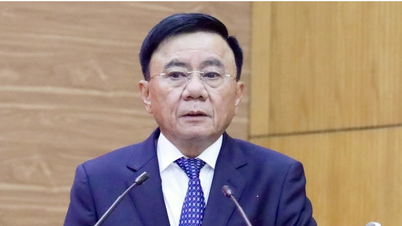
Tran Cam Tu, Standing Member of the Secretariat of the Central Committee, has just signed and issued Directive No. 52-CT/TW dated October 3rd of the Secretariat of the Central Committee, on the implementation of universal health insurance in the new phase.
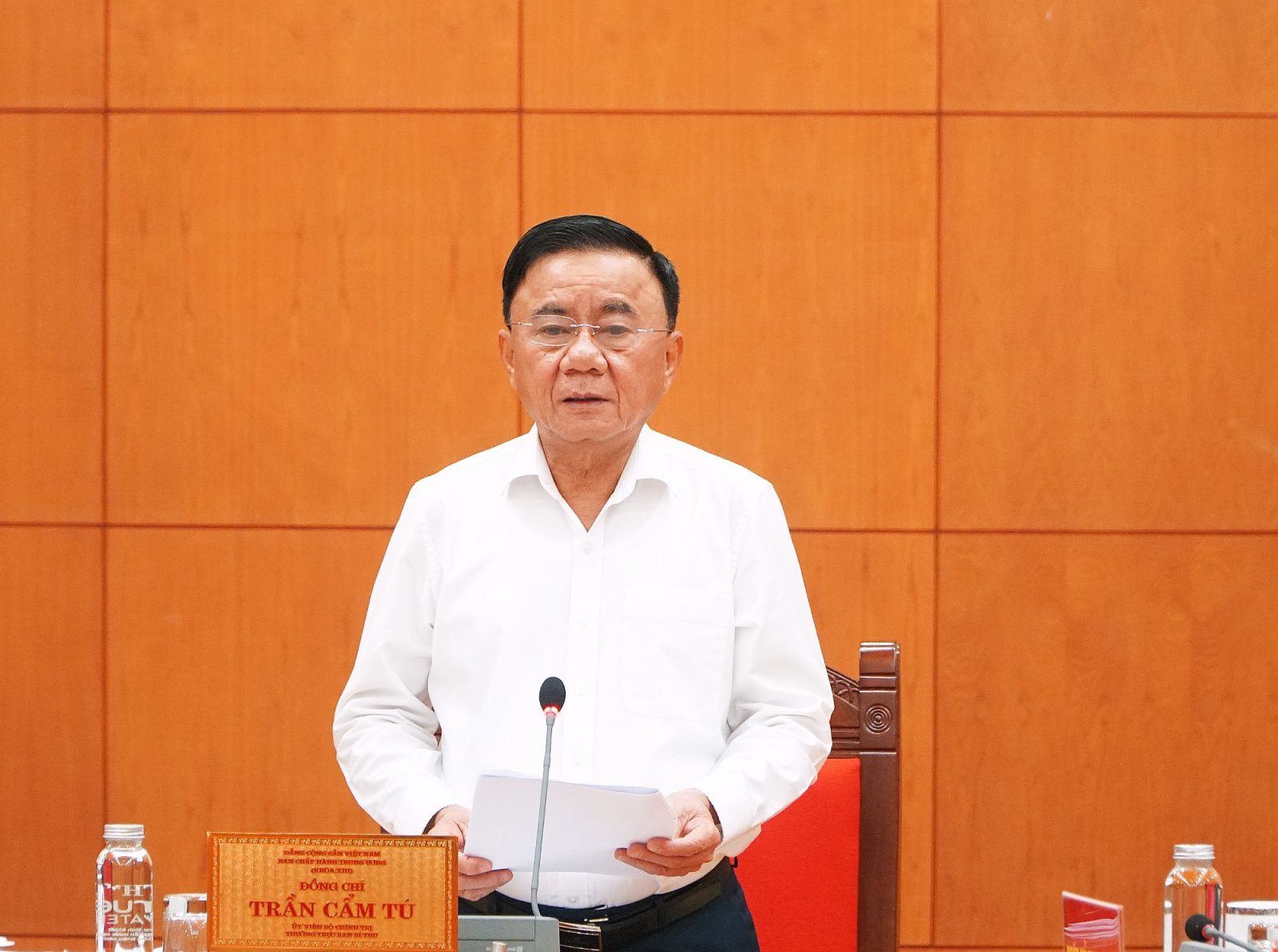
Permanent member of the Party Central Committee Secretariat Tran Cam Tu has just signed and issued Directive No. 52 on the implementation of universal health insurance in the new phase.
PHOTO: VNA
In Directive 52, the Secretariat of the Central Committee assessed that, after 15 years of implementing Directive No. 38-CT/TW dated September 7, 2009, of the Secretariat of the 10th Central Committee on promoting health insurance work in the new situation (Directive No. 38), health insurance work has achieved important results.
By the end of 2024, the health insurance coverage rate reached 94.29% of the population; the quality of medical examination and treatment under health insurance has improved positively… However, the implementation of Directive No. 38 still faces challenges, as the health insurance coverage rate is not yet sustainable; and there are still difficulties in health insurance auditing and payment of medical examination and treatment costs under health insurance.
Furthermore, the methods for paying health insurance premiums have not been fully implemented in accordance with the Health Insurance Law; the quality of medical examination and treatment under health insurance at grassroots healthcare facilities and in remote, disadvantaged, and particularly difficult areas does not meet the requirements.
Increase health insurance reimbursement rates starting in 2026.
To implement universal health insurance in the new phase, the Party Central Committee Secretariat requests Party committees, Party organizations, and governments at all levels to strengthen leadership and guidance in effectively implementing policies, plans, and programs related to health insurance .
Specifically, the Party Central Committee Secretariat requested a focus on expanding the number of people participating in health insurance , and promoting health insurance coverage based on households. The State will continue to increase the level of support for health insurance contributions for policy beneficiaries, people in poor and near-poor households, people with disabilities, and vulnerable groups. By 2026, the health insurance coverage rate will reach over 95% of the population, and by 2030, the goal of universal health insurance coverage will be achieved.
The Secretariat also requested a focus on amending, supplementing, and perfecting the system of policies and laws on health insurance to meet the goal of universal health insurance coverage. Research should be conducted on increasing health insurance contributions to match the expansion of benefits and coverage levels.
At the same time, pilot programs to diversify health insurance packages and supplementary health insurance based on people's needs; strengthen linkages and cooperation between health insurance and health insurance provided by insurance companies to avoid duplication of medical expense payments.
The Secretariat also requested that the development of diverse types of health insurance be encouraged and facilitated. It called for mobilizing, diversifying, and expanding revenue sources, ensuring the sustainability and development of the Health Insurance Fund to serve the protection, care, and improvement of people's health.
Notably, the Party Central Committee Secretariat requested that, starting in 2026, the proportion and level of payments for disease prevention, early diagnosis, and treatment of certain diseases and priority groups be gradually increased, in line with the roadmap for increasing health insurance contributions and the balancing capacity of the Health Insurance Fund.
This includes expanding the scope of health insurance coverage to include certain preventive health services, nutrition, chronic disease management, routine health check-ups, and screening examinations as required by medical professionals.
This study investigates the mechanism of using a portion of funds from tobacco harm prevention funds, alcohol and sugary drink taxes, etc., to pay for certain services related to disease prevention, chronic disease management, routine health check-ups, screening, diagnosis, and early detection of certain diseases, especially non-communicable diseases.
Reducing the burden of healthcare costs for patients.
The Secretariat also requested innovation in the content, form, and methods of information and communication about health insurance to raise awareness and responsibility of all levels, sectors, organizations, and people regarding health insurance ; to create a strong shift in participation in health insurance , and to recognize that participation in health insurance is both a right and a responsibility of all citizens and of the entire society.
The Party Central Committee also requested the effective implementation of projects, programs, and plans related to healthcare and health insurance . It called for innovation in service style and attitude, and a strong emphasis on improving the medical ethics of healthcare workers to ensure patient satisfaction.
In addition, investment in infrastructure, equipment, and professional capacity is needed to improve the quality of services in disease prevention and examination and treatment under health insurance , especially at the grassroots level, in remote areas, areas with special difficulties, border regions, and islands.
Accelerate the implementation of accurate and comprehensive pricing for preventive healthcare services, medical examinations, and treatment under health insurance , while simultaneously establishing effective control mechanisms to prevent waste, overcharging, unreasonable increases in medical service prescriptions, and violations of the law in the management and use of the Health Insurance Fund. Implement solutions to reduce the burden of healthcare costs for patients.
The Secretariat also emphasized the need to fully implement all methods of health insurance payment and to identify methods of direct support for health insurance participants when using medical services.
Improve infrastructure, accelerate administrative reforms, and comprehensively transform health insurance operations through digitalization; strengthen the application of artificial intelligence and big data to control and monitor health insurance- covered medical examination and treatment services; ensure that the national health insurance database is interconnected and synchronized with the databases of ministries, sectors, and localities.
Source: https://thanhnien.vn/ban-bi-thu-tang-muc-dong-bhyt-bao-phu-bhyt-toan-dan-vao-nam-2030-185251015092137308.htm





















![[Image] Close-up of the newly discovered "sacred road" at My Son Sanctuary](/_next/image?url=https%3A%2F%2Fvphoto.vietnam.vn%2Fthumb%2F1200x675%2Fvietnam%2Fresource%2FIMAGE%2F2025%2F12%2F13%2F1765587881240_ndo_br_ms5-jpg.webp&w=3840&q=75)




















































Comment (0)