

 |
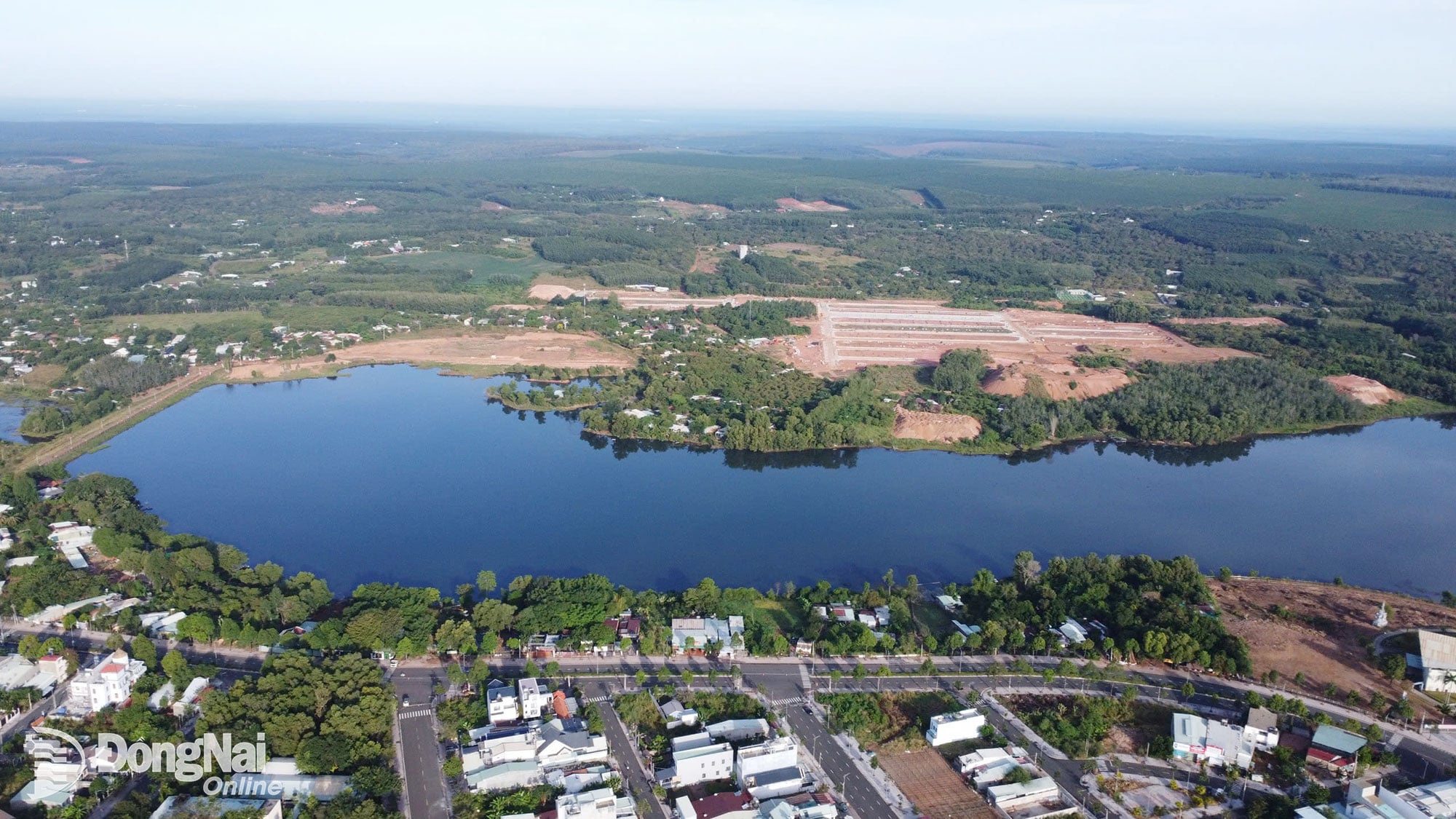
| A view of Suoi Cam Lake area, located in the Đồng Xoài and Bình Phước wards. (Illustrative photo: Hoàng Lộc) |
The new Board of Directors is considered to be closer to the true market value, ensuring the legitimate rights of the people while contributing to attracting investment and stabilizing budget revenue.
Adapt to practical realities.
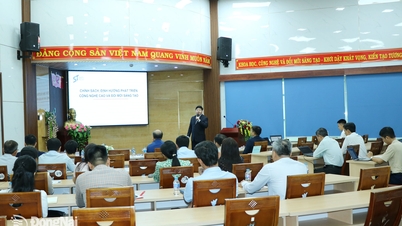
According to information presented at the meeting, Comrade Nguyen Tuan Anh, Member of the Standing Committee of the Provincial Party Committee and Director of the Department of Agriculture and Environment, stated that the price list, first developed according to new legal regulations, specifically outlines the scope of application, the subjects of application, and the principles of implementation. The price list details each type of land: agricultural, non-agricultural, and unused; it also specifies the method for determining the location, border areas, and how to apply the price list at border points between Dong Nai and other provinces and cities.
The review by the Economic and Budget Committee of the Provincial People's Council shows that this adjustment has many new points, is consistent with the practical situation after the province's merger, and is more in line with market conditions.
Specifically, agricultural land prices in the Dong Nai area (before the merger) generally increased by 80-233% across all road sections and routes, compared to the current price list, accurately reflecting the real market value over the past several years. Meanwhile, in the Binh Phuoc area (before the merger), agricultural land prices increased slightly by 5-35% along major transportation routes; prices on inter-communal roads and rural roads remained largely unchanged.
Non-agricultural land prices are adjusted according to infrastructure and urbanization levels. Accordingly, the Dong Nai area (before the merger) recorded an average increase of 10-30%, with some routes seeing increases of up to 50%. In the Binh Phuoc area (before the merger), many residential areas saw land prices decrease by 1-19% due to slowed transactions and the conversion of government office buildings, but some areas still saw land prices increase thanks to new and upgraded transportation infrastructure.
According to Mr. Huynh Viet Cuong, Head of the Economic and Budget Committee of the Provincial People's Council, the agency responsible for appraising the draft resolution, the new price is closer to market value. This ensures both the rights of the people when the State reclaims land for projects and creates a stable source of revenue for the budget, as well as fairness in fulfilling financial obligations.
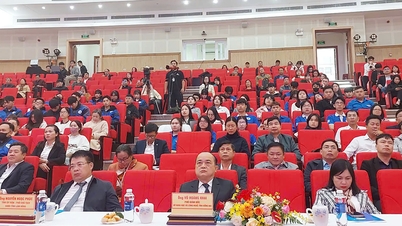
Speaking at the year-end session of the Provincial People's Council on December 9th, Comrade Ton Ngoc Hanh, Alternate Member of the Central Committee of the Party, Standing Deputy Secretary of the Provincial Party Committee, and Chairman of the Provincial People's Council, emphasized: The first-ever Board of Directors is a particularly important issue, directly impacting the implementation of projects, investment attraction, and the socio-economic development tasks of the province in 2026 and the coming period. The Provincial People's Council's discussion, consideration, and adoption of the resolution at the year-end session clearly demonstrates responsibility in accordance with the law, while also promptly meeting the demands of the new development phase.
The resolution stipulating the initial land price list for Dong Nai province in 2026 was adopted at the 8th session (late 2025) of the 10th Provincial People's Council. The resolution consists of 3 articles, along with the regulations and 8 appendices.
Further improvements will be made during the implementation process.
According to the new regulations, the land price list will be issued for the first time in 2026 and updated annually, instead of being updated only once every five years. This is a major shift, helping to adjust promptly to market fluctuations and reduce the gap between land prices issued by the State and actual transaction prices.
According to Huynh Viet Cuong, Head of the Economic and Budget Committee of the Provincial People's Council: The Steering Committee needs to continue improving the implementation process, focusing on market-oriented approaches and harmonizing the interests of the people, businesses, and the State.
During discussions at the provincial People's Council meeting at the end of 2025, many delegates expressed their expectations for the new Board of Directors. Accordingly, delegate Nguyen Kim Phuoc, Secretary of the Party Committee and Chairman of the People's Council of Binh Minh commune, commented: For many years, agricultural land prices have not been adjusted or have been adjusted only minimally, resulting in a significant gap with market prices. The first adjustment in the Board of Directors is necessary and appropriate. However, further surveys are needed in areas with projects and land acquisition preparations to ensure the rights of the people and create feasibility in land clearance.
Furthermore, Representative Phuoc proposed that there should be a "loophole" mechanism, allowing the continued application of the old Board of Directors in the first quarter of 2026 to resolve the backlog of applications and ensure a smooth transition.
Sharing the same view, delegate Ta Quang Truong, Secretary of the Party Committee and Chairman of the People's Council of Xuan Hoa commune, stated that: Increasing land prices in some areas will create additional financial obligations for the people, especially in rapidly urbanizing areas. Therefore, he proposed extending the application of the old price list until the end of the first quarter of 2026 to facilitate administrative procedures and ensure public consensus.
According to Provincial Party Committee member and Vice Chairman of the Provincial People's Committee Nguyen Thi Hoang, the issuance and timely implementation of the Price Management Board in accordance with regulations is a crucial foundation for the province's development in the new context. The province's guiding principle throughout the process of establishing and finalizing the Price Management Board is to minimize discrepancies between state-regulated and market prices, ensure transparency of information, and contribute to a stable investment environment.
In the coming period, to ensure that the new land price list truly takes effect and creates high consensus among the people, relevant agencies and localities will strengthen propaganda and public disclosure; at the same time, they will continue to improve the land database annually to serve the updating of land price lists in subsequent years to reflect reality.
The land price list serves as both a management tool and a driving force for development. A market-oriented land price list that harmonizes the interests of the majority will contribute to accelerating land clearance, promoting the disbursement of public investment, improving infrastructure, and increasing investment attractiveness. Land prices should not only be close to market rates at the time of issuance but also be adjusted flexibly and continuously to help reduce complaints and lawsuits in the land sector.
Hoang Loc
Source: https://baodongnai.com.vn/kinh-te/202512/bang-gia-dat-nam-2026-tiem-can-hon-voi-gia-thi-truong-c760061/














![[Photo Gallery] Admiring the 123m-tall 'lotus bud' at Long Thanh Airport](https://vphoto.vietnam.vn/thumb/402x226/vietnam/resource/IMAGE/2025/12/10/1765365850401_anh_8_20251210163954_20251210180813.jpeg)





![[Video] The craft of making Dong Ho folk paintings has been inscribed by UNESCO on the List of Crafts in Need of Urgent Safeguarding.](https://vphoto.vietnam.vn/thumb/402x226/vietnam/resource/IMAGE/2025/12/10/1765350246533_tranh-dong-ho-734-jpg.webp)





















































Comment (0)