

Gout is becoming one of the most common health problems in modern times. No longer considered a "disease of the rich," gout now affects both men and women, and is particularly prevalent in postmenopausal women and young people with unhealthy diets.
This is a form of arthritis caused by the accumulation of urate crystals, resulting in severe pain in the toes, fingers, and knees, accompanied by swelling, warmth, and redness.
Gout attacks often come on suddenly, like a spark igniting in the joint: the big toe becomes burning hot, swollen, and red; even a light touch is enough to send the patient into a state of shock.
With approximately 35% of the population living with arthritis and 2-5% of adults suffering from gout, understanding which foods to avoid and which to include will help patients be more proactive in reducing inflammation, stabilizing uric acid levels, and limiting gout attacks.
7 food groups to avoid when you have gout.
People with gout need to particularly limit foods high in purines and fructose-containing beverages to keep uric acid levels in the blood stable. Foods to avoid include:
1. Red meat
Beef, pork, and goat meat all contain high amounts of protein, which increases uric acid production during metabolism. When the body digests red meat, purine compounds are broken down extensively, increasing the risk of gout attacks.
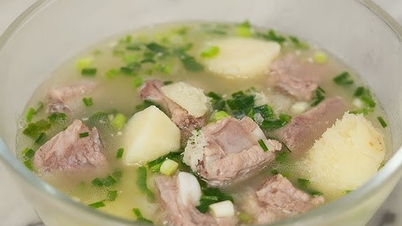
However, complete abstinence is not necessary. Patients can eat boiled, stewed, or steamed dishes up to twice a week, prioritizing boiled, stewed, or steamed options instead of fried or grilled to reduce fat and lessen the burden on the liver and kidneys.
2. Animal organs
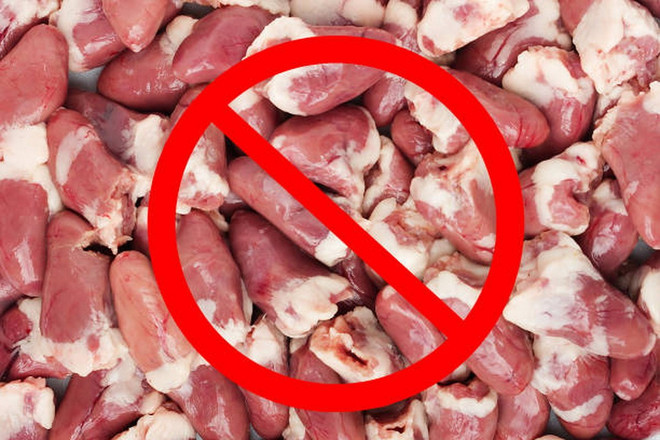
While animal liver, kidneys, heart, and brain are rich in B vitamins, iron, and zinc, they also contain very high levels of purines. This is the factor that causes uric acid levels to spike, leading to severe swelling and pain, so people with gout should avoid them completely.
3. Turkey and goose meat
These types of meat are rich in nutrients but also contain significant levels of purines. Patients should only consume them in moderation, between 110-175 grams at a time, to avoid triggering acute arthritis.
4. Seafood
Herring, tuna, clams, oysters, snails, and many other types of seafood are rich in purines and protein. These foods easily increase uric acid levels and should be minimized, especially during acute gout attacks.
5. Alcoholic beverages, beer, and sugary drinks
Alcohol and fructose are two of the most potent uric acid metabolism disruptors. Alcoholic beverages, sugary drinks, and bottled fruit juices can all worsen inflammation, so patients should eliminate them from their diet.
6. Processed meat
Sausages, bacon, fermented pork rolls, cured sausages… contain high levels of salt, preservatives, and purines. These products not only increase uric acid levels but also negatively impact cardiovascular health. Fresh food is always the safer choice.
7. Vegetables with high purine content
Although green vegetables are generally healthy, some varieties such as lentils, black beans, peanuts, peas, white beans, green beans, kale, and kohlrabi are high in purines. Patients should consume them in moderation and prioritize other, more easily digestible vegetables.
11 best foods and drinks for people with gout
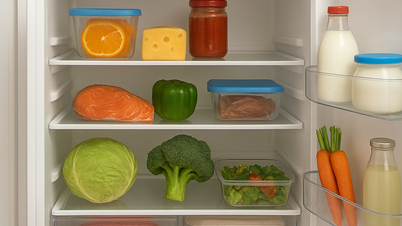
Besides foods to avoid, a proper diet can significantly help manage the disease. Here are 10 of the best foods for people with gout:
1. White meat
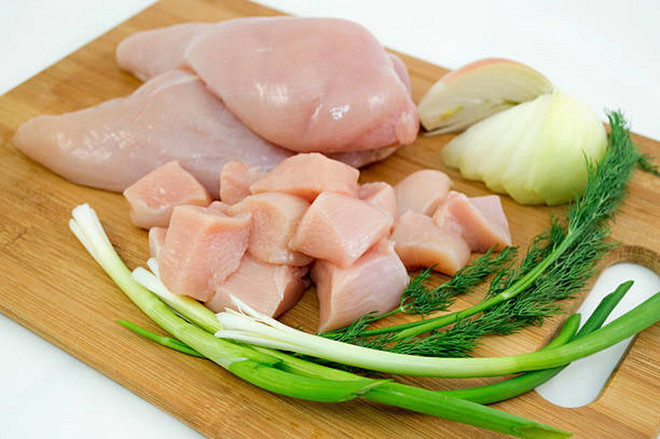
Chicken breast and freshwater fish such as snakehead fish, tilapia, or perch are low in purines and provide quality protein. The recommended daily intake is approximately 110–170 grams, sufficient to maintain nutrition without increasing uric acid levels.
2. Fruit
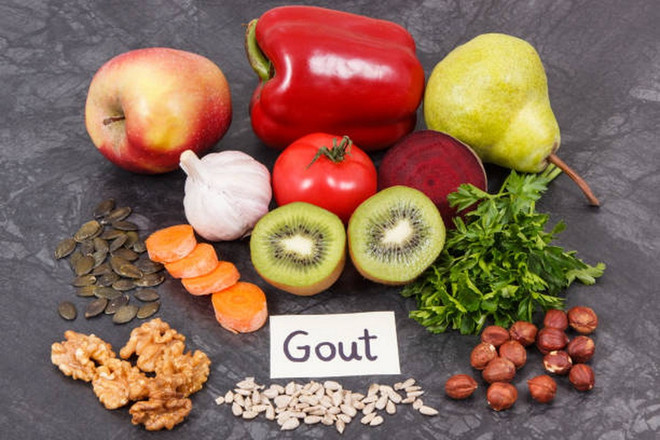
Most fruits are safe, but cherries stand out for their anti-inflammatory properties thanks to their vitamin C, beta-carotene, and powerful antioxidants. Many studies suggest that cherries may help reduce the risk of acute gout attacks.
3. Foods rich in vitamin C
Vitamin C helps lower uric acid and boost immunity. Guava, pineapple, bell peppers, and cauliflower are good choices. However, excessive intake can cause nausea, increased urinary oxalate levels, and stone formation, so moderation is key.
4. Olive oil and vegetable oil
Unsaturated fats in olive oil and vegetable oils have anti-inflammatory effects and support joint tissue. Patients should use these oils in salads or cook them at low temperatures to retain their nutrients.
5. Eggs
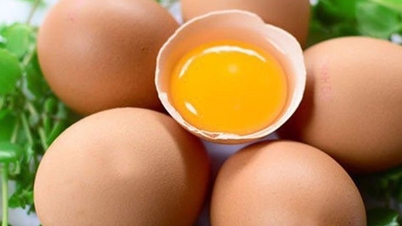
As a low-purine source of protein, eggs are a suitable meat substitute in many meals. Additionally, eggs provide calcium, which helps strengthen bones.
6. Vegetables
Potatoes, mushrooms, kale, spinach, and eggplant are all patient-friendly choices. Vegetables provide fiber, vitamins, and antioxidants, which help reduce oxidative stress on the joints.
7. Whole grains
Oats, brown rice, and barley are rich in soluble fiber, which helps reduce inflammation and improve digestion. These foods should be included in the breakfast of people with gout.
8. Coffee
Studies show that coffee can lower uric acid by increasing urinary excretion and inhibiting the enzyme that breaks down purines. Drinking coffee in moderation daily offers noticeable benefits for people with gout.
9. Green tea
Green tea helps increase uric acid excretion and supports anti-inflammation. When brewed correctly and consumed regularly, it is a beneficial beverage for joint health.
10. Dairy and soy products
Yogurt, cheese, cream, and soy products can help reduce uric acid in the blood. They are a safe, easily digestible source of protein suitable for people with this condition.
11. Drink enough water every day.
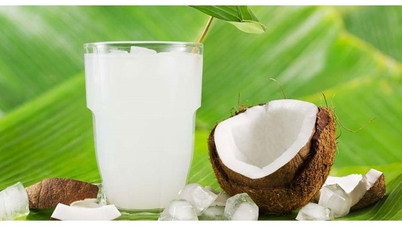
Water is an important aid in eliminating uric acid. Drinking 2 to 2.5 liters of water daily, preferably still alkaline mineral water, helps the body reduce the risk of urate crystal formation in the joints.
Source: https://www.vietnamplus.vn/bi-gout-nen-an-gi-va-kieng-gi-de-tranh-con-dau-nhu-cham-lua-vao-khop-post1082552.vnp


![[Photo] Prime Minister Pham Minh Chinh holds a phone call with the CEO of Russia's Rosatom Corporation.](/_next/image?url=https%3A%2F%2Fvphoto.vietnam.vn%2Fthumb%2F1200x675%2Fvietnam%2Fresource%2FIMAGE%2F2025%2F12%2F11%2F1765464552365_dsc-5295-jpg.webp&w=3840&q=75)





































































Comment (0)