

Diabetic patients face the risk of foot injuries due to complications caused by the disease.
A typical case is Mrs. NTK (64 years old, Binh Duong ) who has had diabetes for over 10 years and frequently experiences numbness in her legs. Ten days ago, she noticed her left ring toe was swollen and red, but she felt no pain.
After self-medicating with over-the-counter antibiotics, the wound became swollen and red, spreading across her entire foot. Her little toe turned black and started oozing pus. Her family took her to the hospital hoping to save her left foot.
Upon examination, doctors determined that Mrs. K. was suffering from diabetic neuropathy, causing loss of sensation in her feet, which led to toe infections.
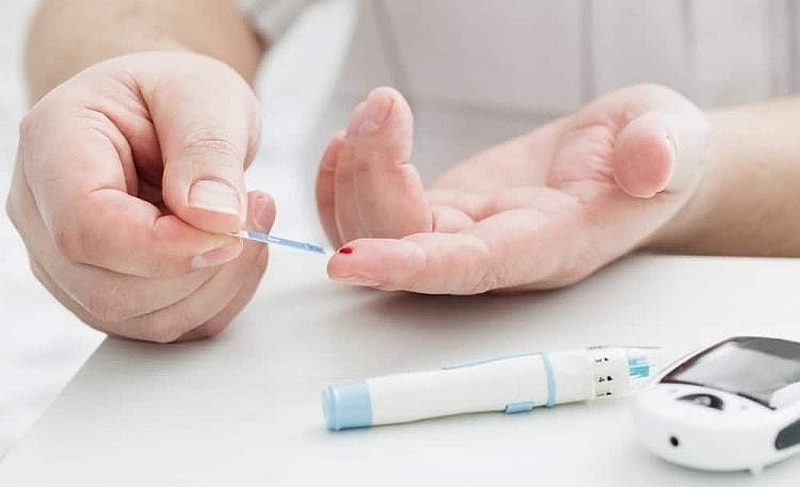 |
| Illustrative image |
A normal person with an injury like Mrs. K's would experience unbearable pain, even to the point of being unable to sleep, but Mrs. K felt no pain at all.
Ms. K faced the risk of toe amputation due to severe necrosis. After examination and assessment, the doctor decided to remove the necrotic tissue and provide care to preserve the patient's foot intact.
Another case is that of Mrs. NTM (57 years old, Soc Trang ), who has type 2 diabetes and had to have two toes amputated due to a severe infected wound.
Previously, she had been pricked by a small piece of glass but felt no pain, so she didn't seek medical attention. After a week, her foot became infected, and two toes became necrotic.
According to statistics from the Ministry of Health , Vietnam has approximately 7 million people with diabetes, of which more than 55% have complications.
The World Health Organization (WHO) ranked diabetic neuropathy among the top 10 neurological diseases causing health deterioration in 2021.
According to Dr. Truong Thi Vanh Khuyen, Specialist II, Department of Endocrinology - Diabetes, Tam Anh General Hospital, Ho Chi Minh City, among patients admitted due to foot infections, nearly 50% experience reduced or lost sensation in their feet.
Diabetic neuropathy can reduce or eliminate sensation in the feet, so when stepping on thorns, bones, glass shards, hot coals, or getting scratches or insect bites, patients may not feel them immediately, leading to delayed diagnosis and treatment.
Furthermore, because the sensation of pain is reduced, the patient will not be fully aware of the severity of the injury, delaying hospitalization. These factors increase the risk of severe infection, necrosis, and amputation.
Diabetic distal polyneuropathy is the most typical and common peripheral neuropathy complication in people with diabetes, with the incidence increasing over time.
Statistics show that 10%-15% of newly diagnosed type 2 diabetes patients develop peripheral neuropathy, and this rate can exceed 50% in patients who have had diabetes for more than 10 years. Limb pain, numbness, and paresthesia are the most common clinical manifestations in patients with peripheral neuropathy; severe cases may lead to foot ulcers or even amputation.
The causes and pathogenesis of diabetic neuropathy are not yet fully understood, but hyperglycemia, lipid metabolism disorders, and abnormalities in nerve signal conduction are now considered to be initiating factors for a range of pathophysiological changes in peripheral neuropathy complications.
When metabolic factors are abnormal, the normal structure and function of the entire peripheral nervous system are disrupted, including myelinated and unmyelinated nerve axons, vascular neurons, and glial cells. Furthermore, abnormalities in nerve signaling pathways inhibit nerve axon repair and promote the self-destruction of damaged cells.
There have been many recent advances in research into the mechanisms of peripheral neuropathy, including oxidative stress pathways, microvascular damage mechanisms, neurotransmitter pathway damage mechanisms, and other underlying mechanisms related to neuroinflammation, mitochondrial dysfunction, and cellular oxidative damage.
Severe diabetic neuropathy not only causes loss of sensation in the feet, but also leads to foot deformities, calluses, ulcers, foot necrosis, and increases the risk of amputation.
Patients can recognize early signs of diabetic neuropathy in the feet such as: numbness, tingling, and itching in the feet; pain when walking and relief when resting; not noticing when shoes fall off; muscle atrophy in the legs and arms; muscle weakness, etc.
To prevent diabetic neuropathy, in addition to good blood sugar control, patients should listen to their bodies and detect any unusual symptoms early so that they can seek prompt examination and treatment.
At the same time, people with diabetes should proactively see an endocrinologist or diabetes specialist for regular screening for diabetic foot complications at least twice a year. This will allow for early detection and treatment, preventing unfortunate complications from occurring.
Patients who have developed diabetic foot complications need to follow their doctor's instructions for monitoring, examination, and treatment.
Source: https://baodautu.vn/bien-chung-ban-chan-cua-benh-nhan-tieu-duong-d223591.html

































































































Comment (0)