

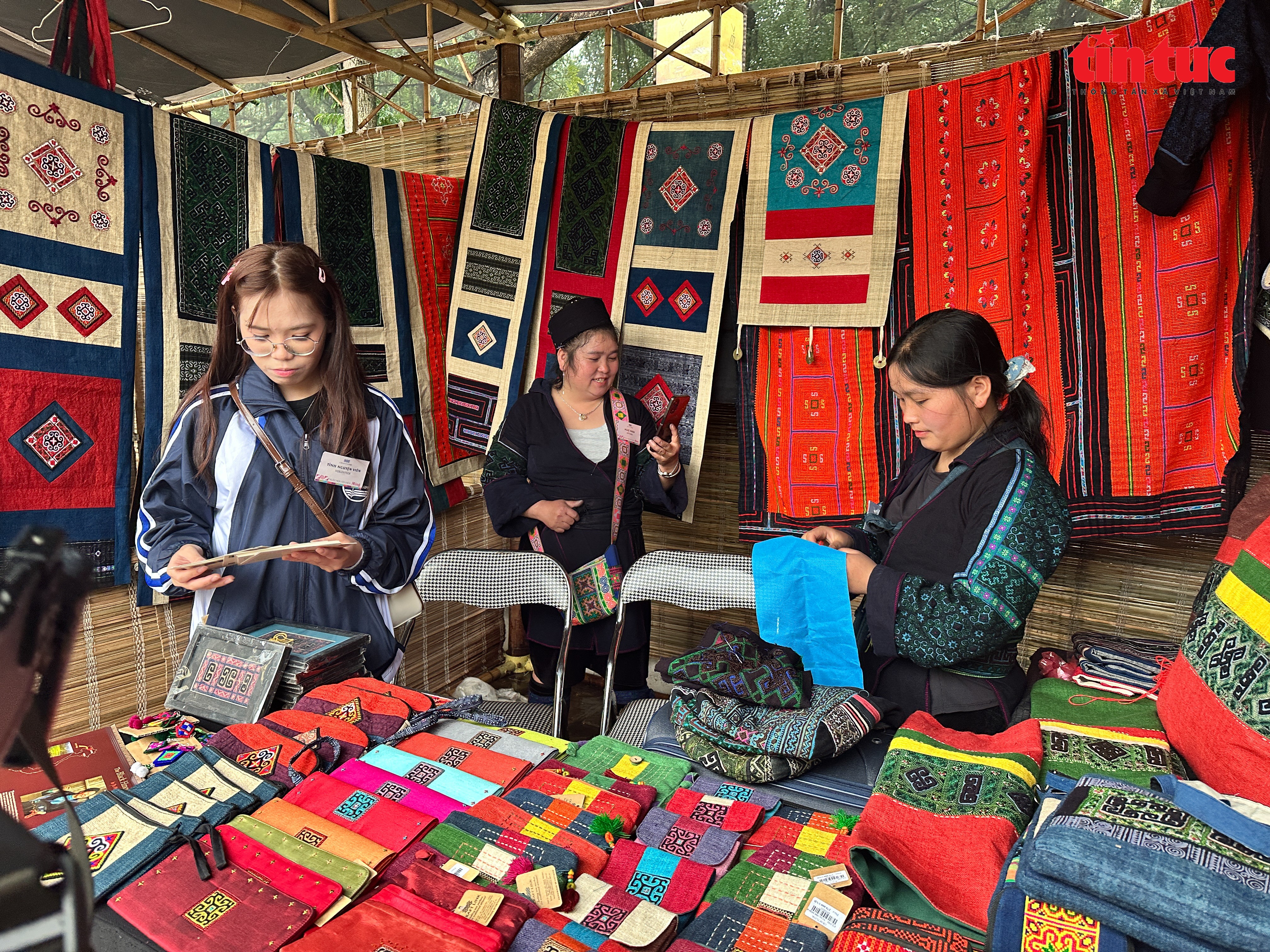
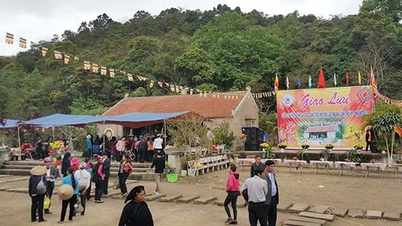
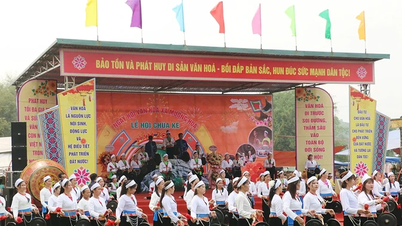
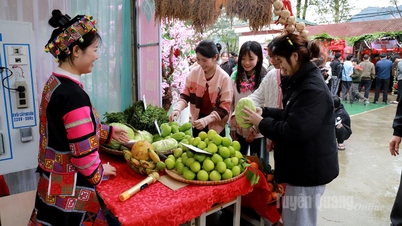
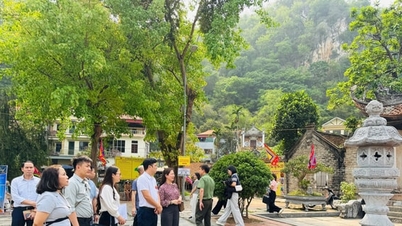
Despite the rain, the cultural space of the Hmong people from the provinces of Cao Bang , Lao Cai, Dien Bien, Tuyen Quang, Phu Tho, and Nghe An still attracted a large number of locals, tourists, and especially young people to visit and experience the culture.
In the heart of the capital city, the Mong ethnic cultural space is impressively arranged with many exhibition areas showcasing traditional costumes, distinctive patterns, and age-old crafts. Through a system of images, documents, and artifacts, the public has the opportunity to better understand the types of costumes, the techniques of creating patterns, and the cultural values hidden in each stitch and brushstroke.
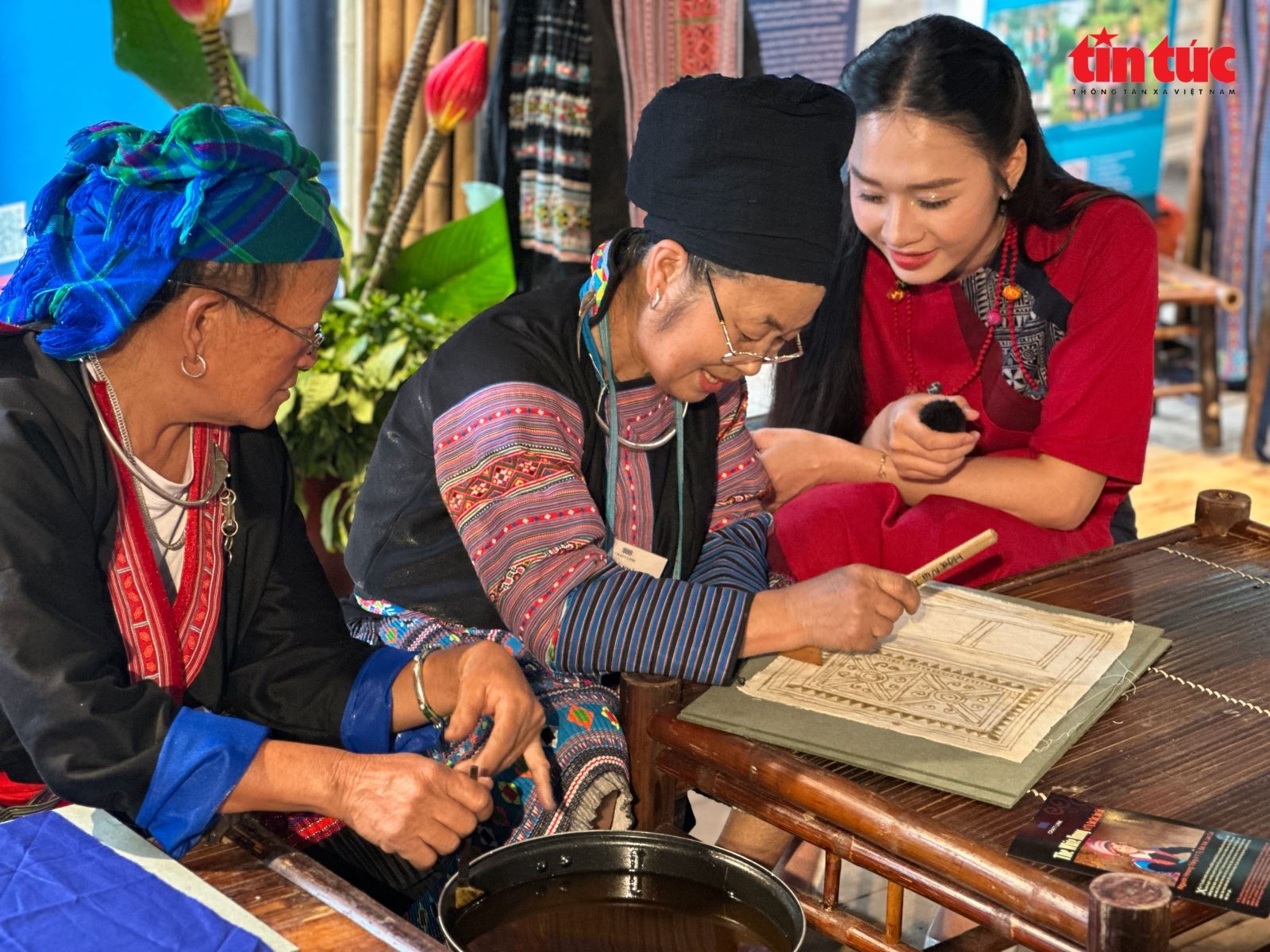
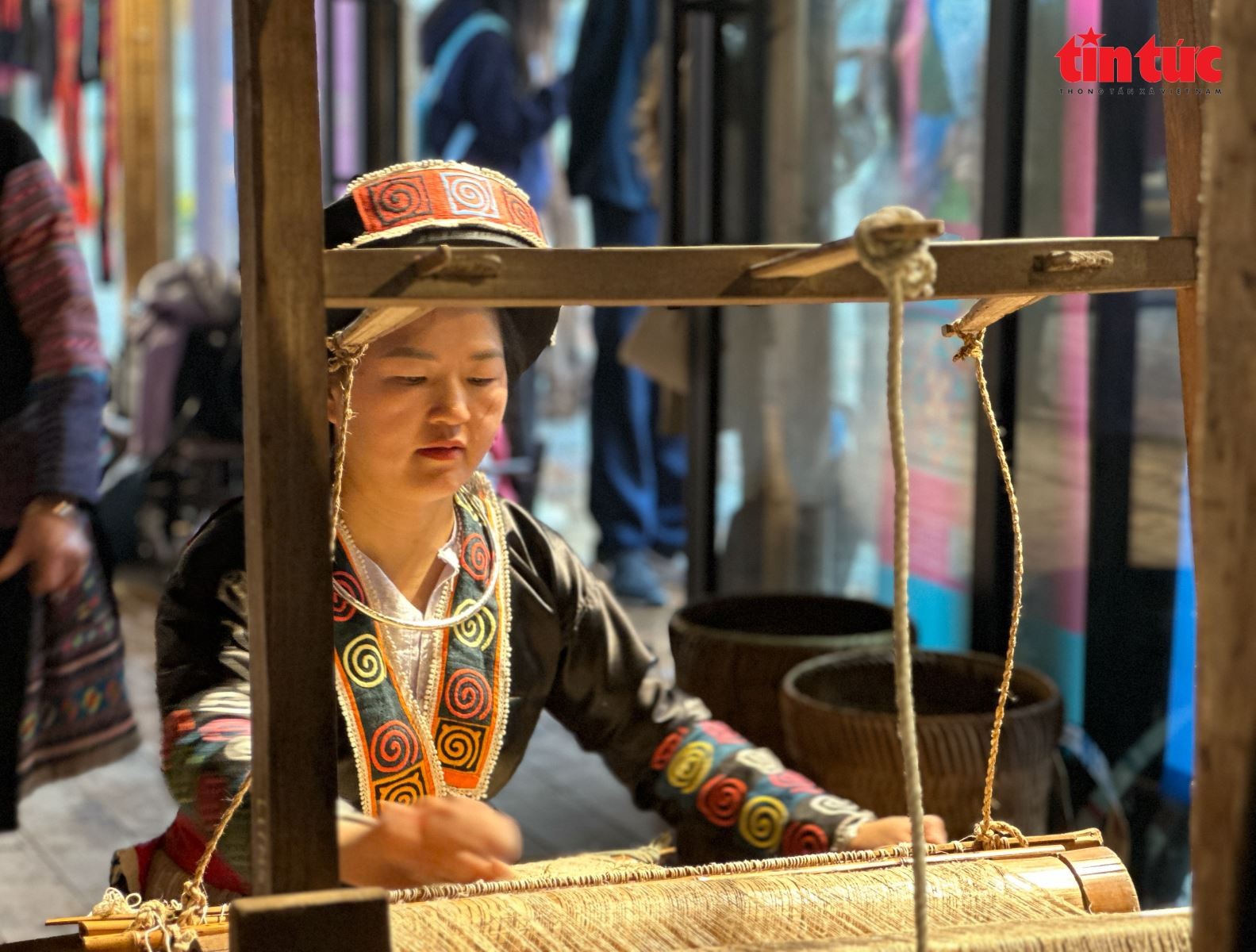
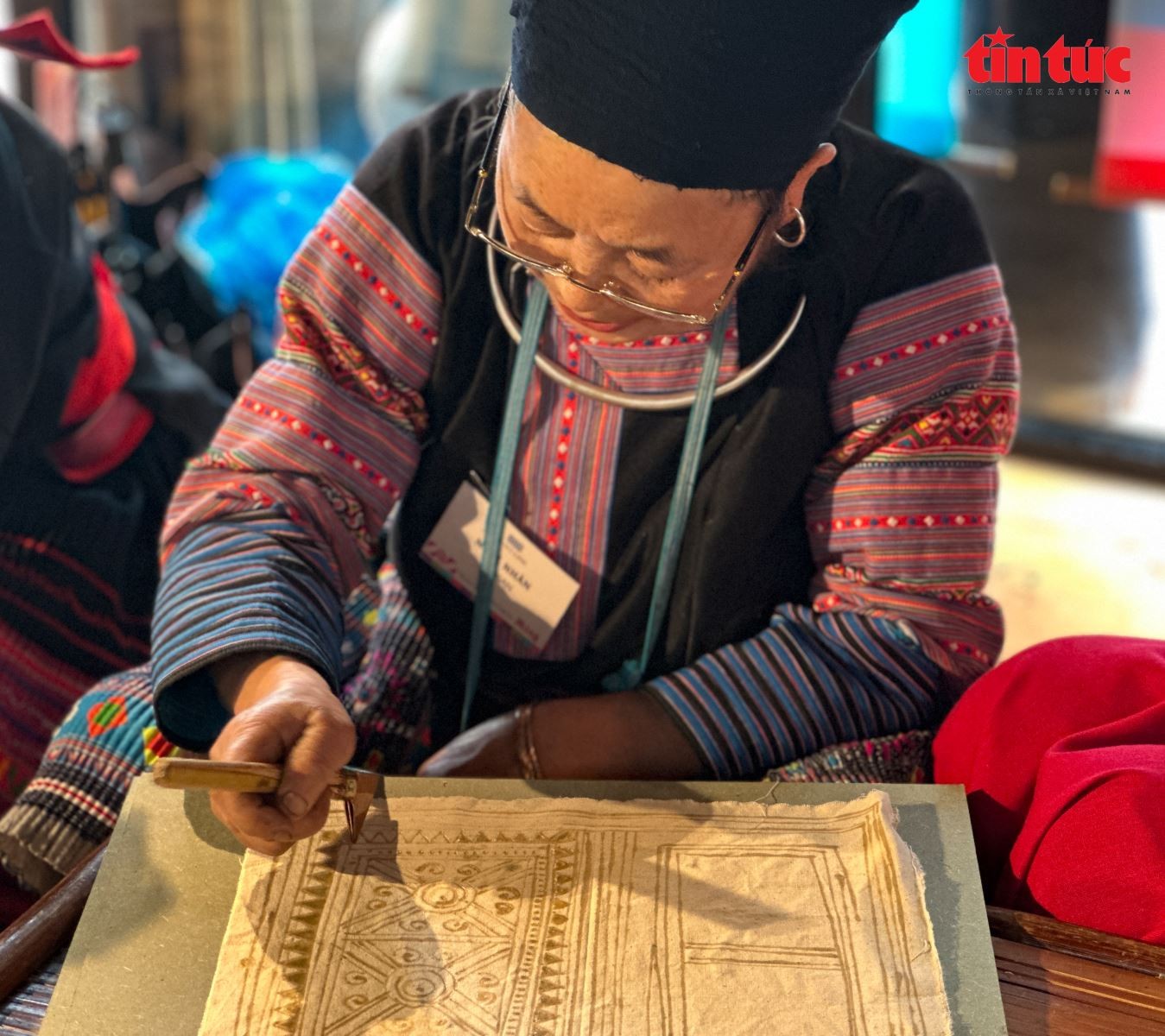
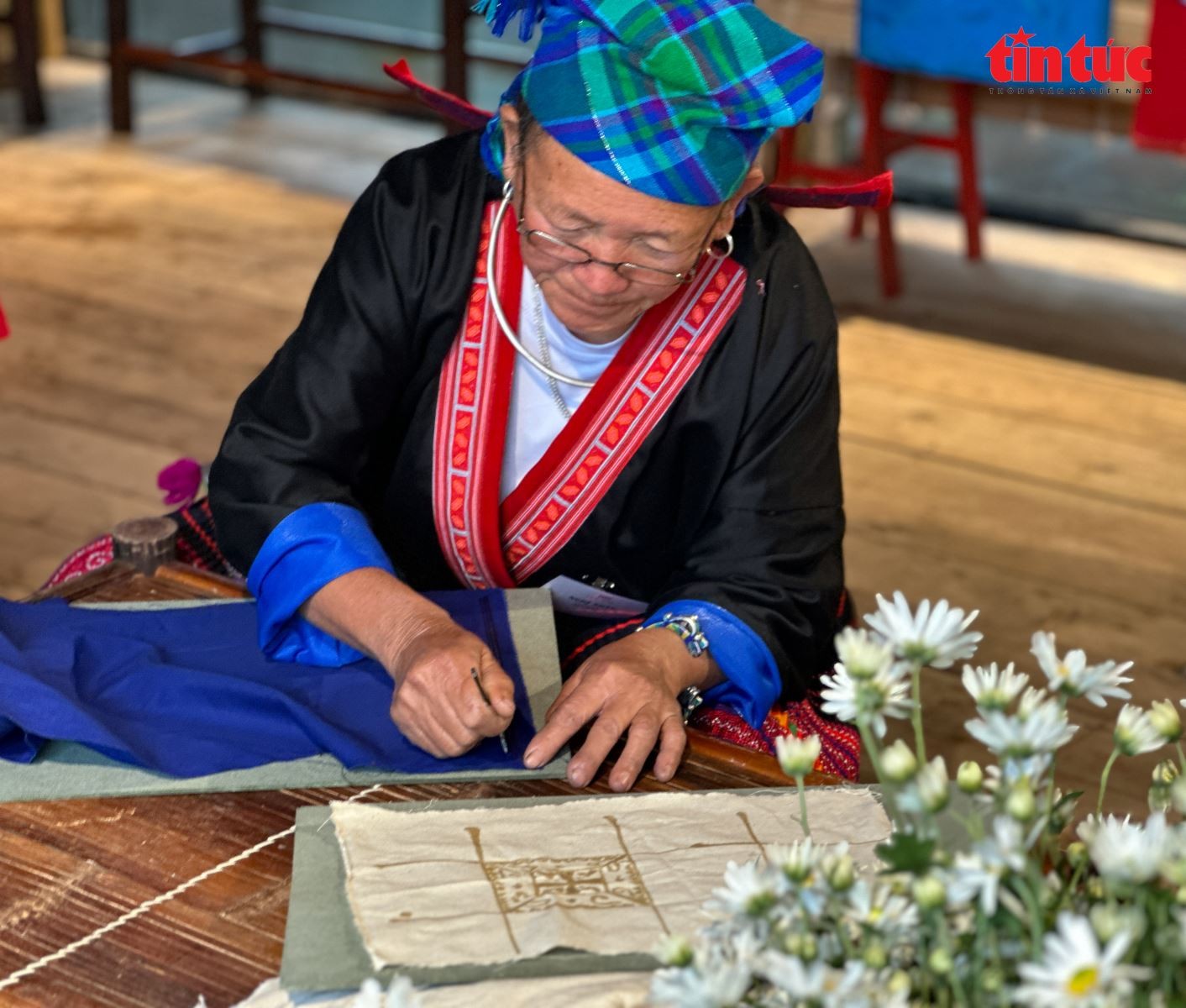
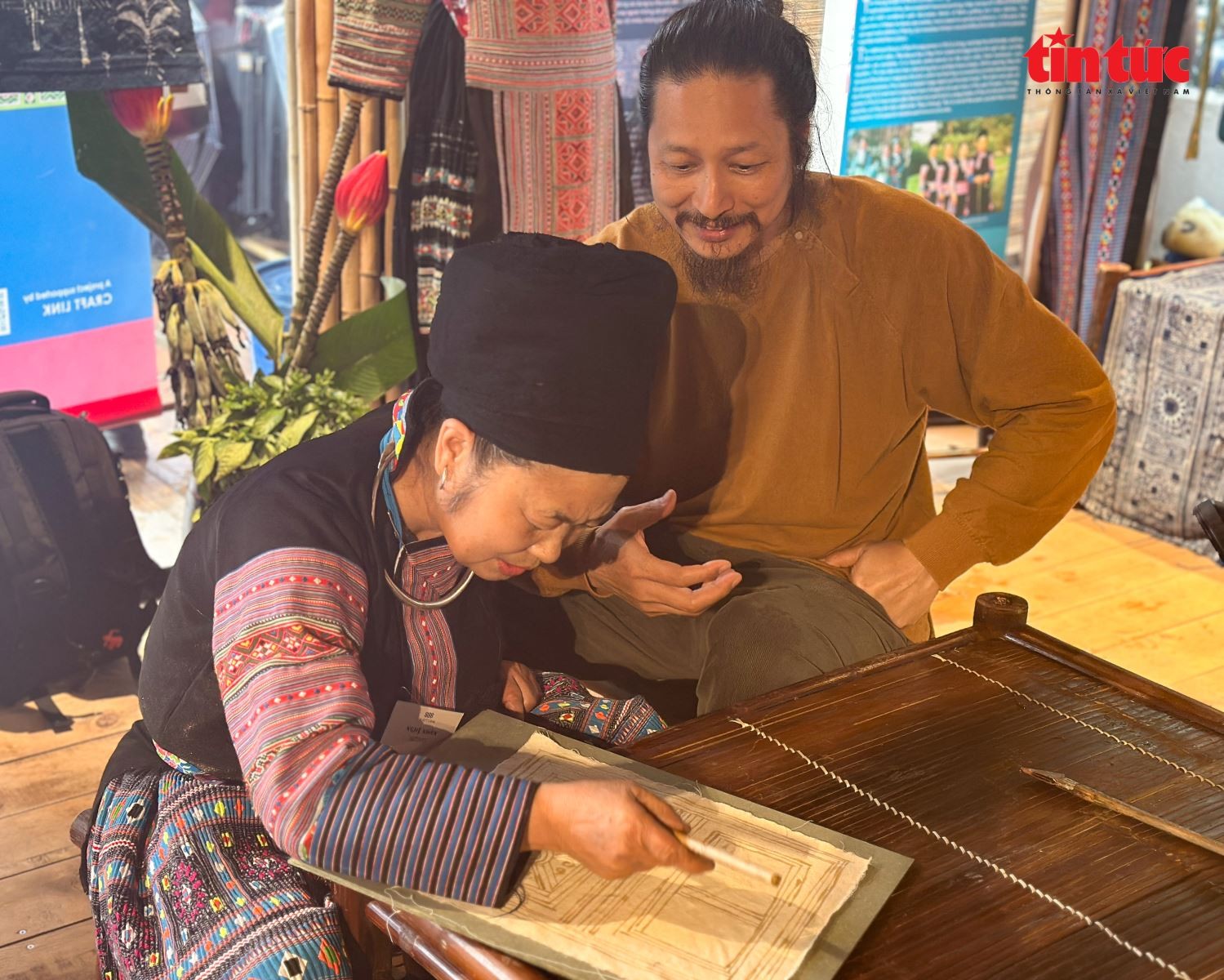
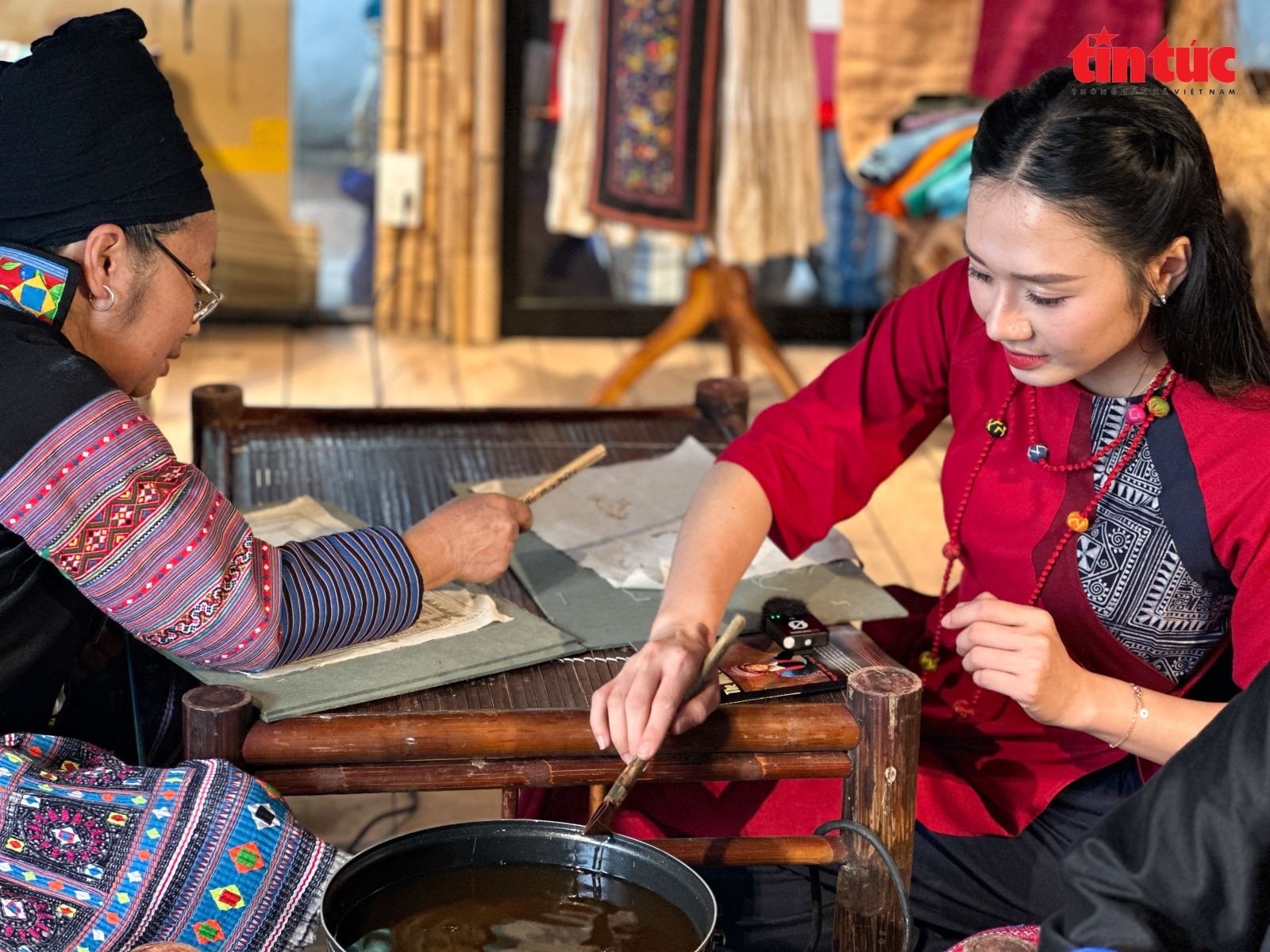
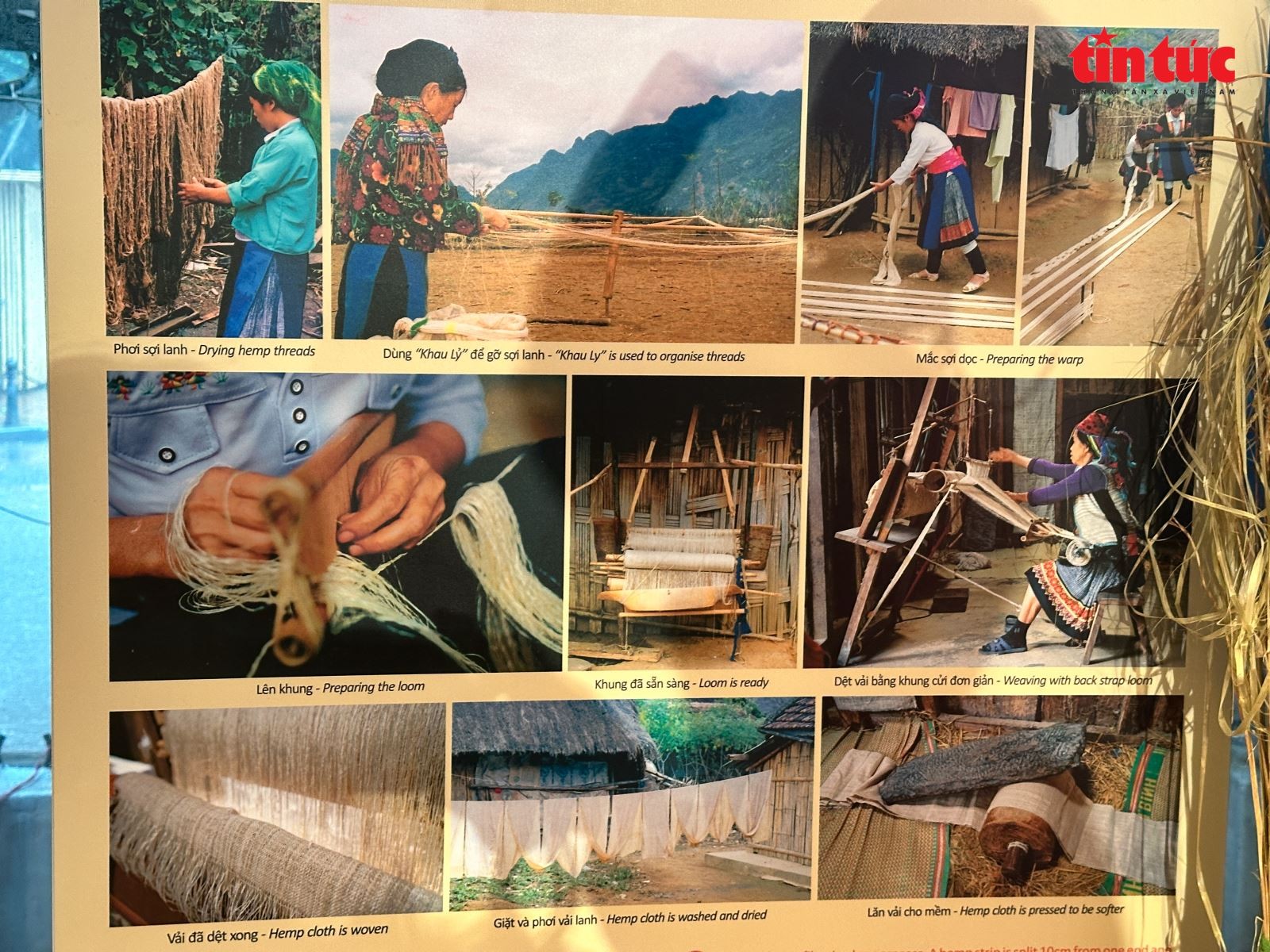
In addition, the festival vividly recreates the traditional linen-making process, from growing flax, joining threads, weaving fabric to beeswax painting and indigo dyeing. The folk art performance space, featuring Hmong flute music, courtship dances and songs, and games like pao throwing and spinning tops, creates a vibrant atmosphere rich in the cultural identity of the highlands.
The program also impresses visitors with its culinary experiences, introducing typical Hmong dishes such as thang co (a type of stew), colored rice, and banh day (sticky rice cake), simple flavors closely associated with the daily lives of the people in the mountainous region.
According to the Heritage Law: “Intangible cultural heritage is knowledge, skills, customs, cultural expressions, along with related objects, artifacts, and spaces, practiced and transmitted by communities, groups of people, and individuals through many generations, forming their cultural identity, and continuously transmitted, protected, recreated, and created, possessing historical, cultural, and scientific value.”
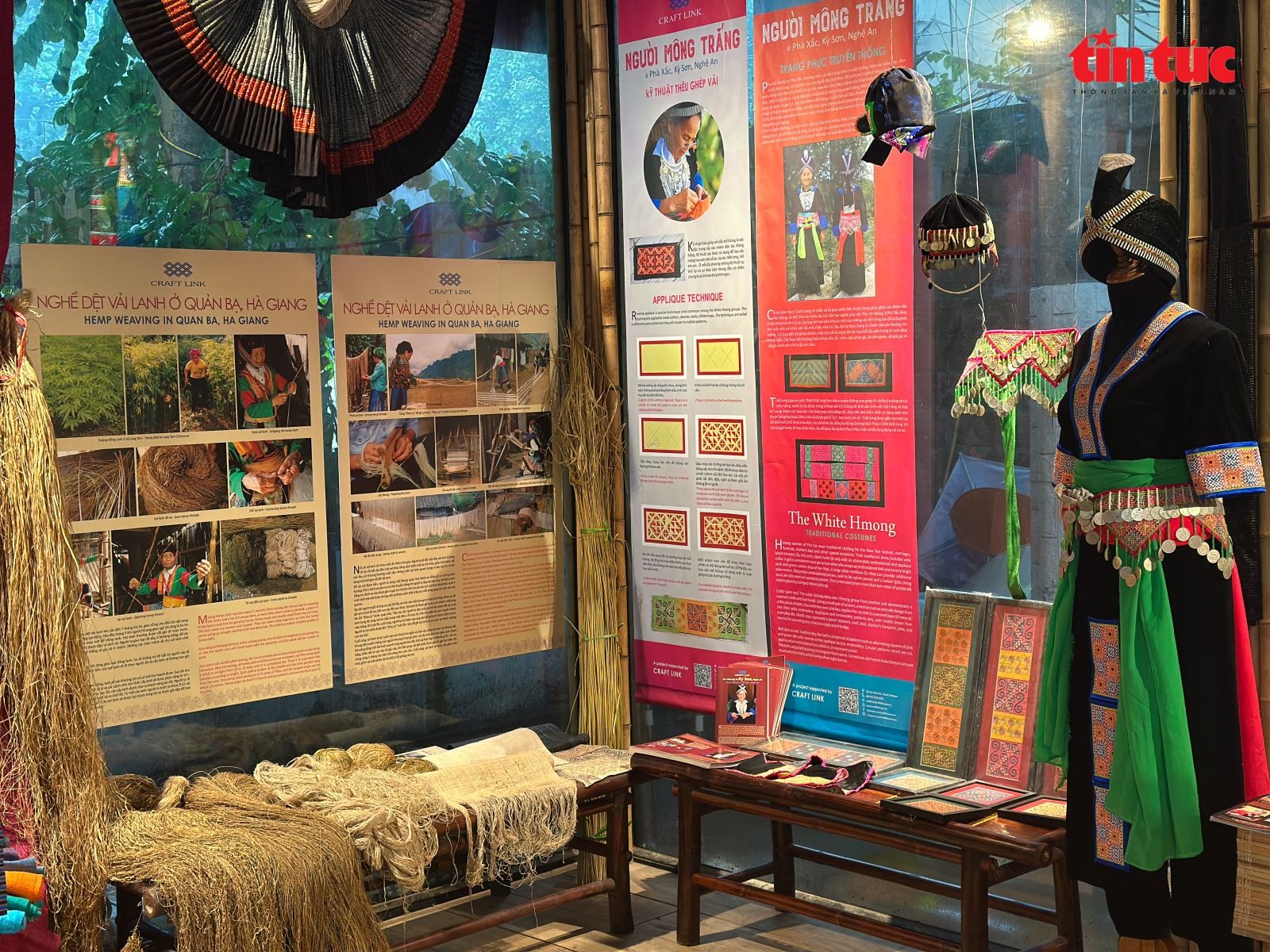
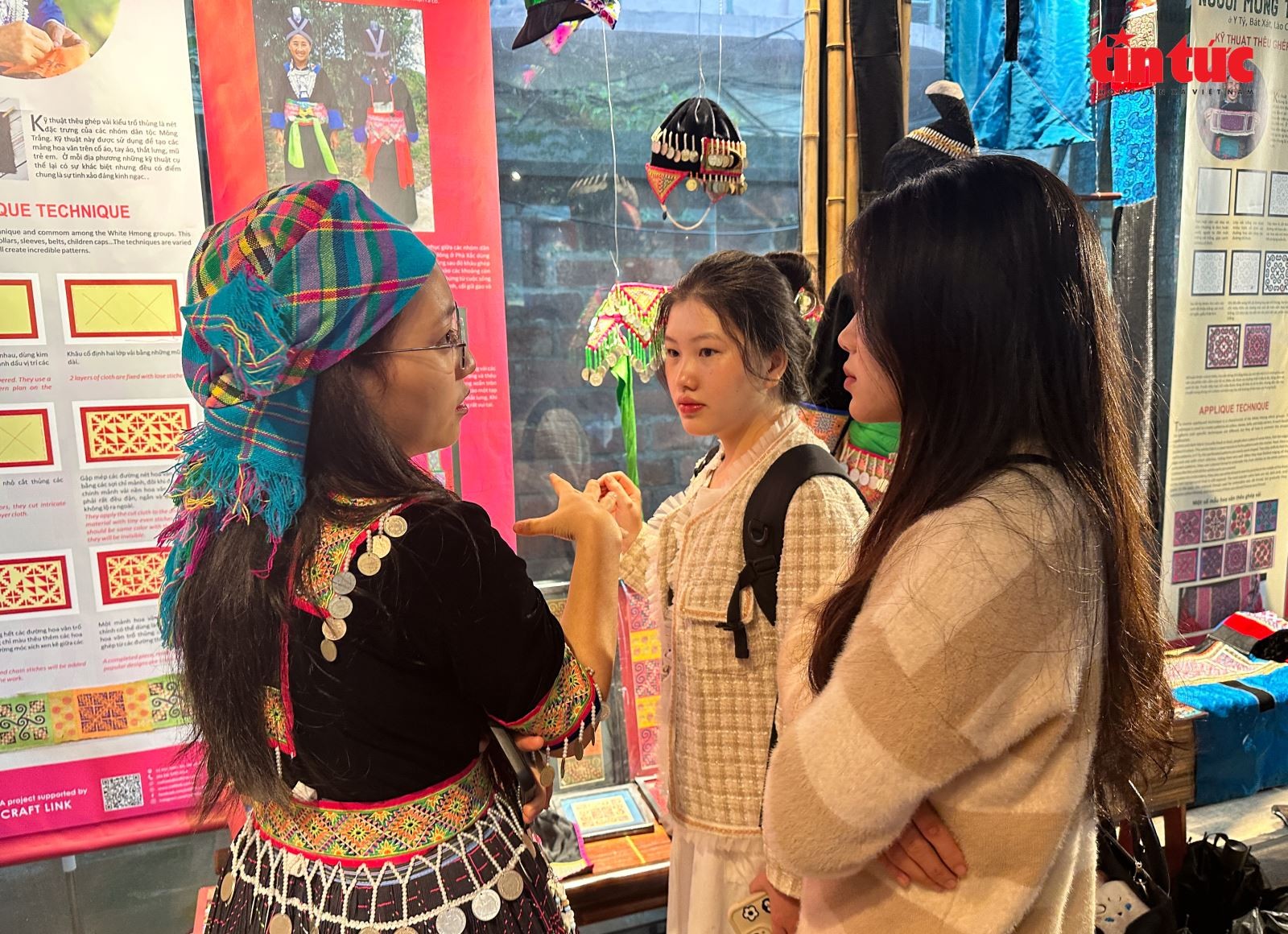
According to the organizers, the festival is not only an opportunity to introduce and promote the cultural heritage of the Mong ethnic group, but also a space for exchange and connection between the communities of Mong people living in the localities and the public in Hanoi. Through exhibitions, performances, and experiences, traditional cultural values are "retold" in a familiar and vivid language, creating interest for viewers, especially the younger generation.
Bringing the Hmong cultural space to the heart of Hanoi aims to contribute to raising community awareness about the preservation and promotion of the cultural identity of ethnic minorities in contemporary life. This is also a way for traditional culture to not only be preserved within the community but also to spread widely, becoming a resource for sustainable cultural tourism development.
Experiencing the Hmong cultural space, Ha Nhien (24 years old, Hanoi) expressed her excitement and delight at the traditional costumes from many localities. “I discovered many new and interesting things about the costumes of the White Hmong, Black Hmong, and Green Hmong… Each group has its own unique characteristics, especially the way the collars are decorated, which helps distinguish the costumes between different Hmong ethnic groups and also shows the skill and finesse of the women's hands,” Ha Nhien shared.
In addition, Ha Nhien said she was particularly impressed with the beeswax pattern painting activity. “This was a very fun and relaxing experience. Under the meticulous guidance of the artisans, I had memorable moments painting with beeswax, and through that, I learned more about the meticulousness and patience involved in the traditional crafts of the Hmong people,” Ha Nhien expressed.
Intangible cultural heritage includes the following types:
1. Oral expression and traditions include forms of information expression through language, speech, writing, symbols, and folk literature; 2. Folk performing arts include music, dance, singing, traditional theater, and other forms of folk performance;
3. Social customs and beliefs include regular, stable practices that express the concepts and beliefs of a community, through rituals associated with traditional customs and practices that reflect the cultural identity of the community;
4. Traditional festivals include ritual practices and folk cultural activities of the community, performed cyclically in the relevant cultural space;
5. Folk knowledge includes knowledge about nature and the universe, human health and life, labor, production, disease prevention and treatment, cuisine, clothing, and other folk knowledge;
6. Traditional crafts encompass handcrafted practices utilizing knowledge, skills, techniques, know-how, and artistry, along with tools, objects, artifacts, and natural materials, to create products that reflect the cultural identity of the community.
Source: https://baolaocai.vn/gioi-tre-ha-noi-thich-thu-kham-pha-khong-gian-van-hoa-mong-post888926.html
![[Image] National Assembly discusses the implementation of the socio-economic development plan.](https://vphoto.vietnam.vn/thumb/1200x675/vietnam/resource/IMAGE/2026/04/20/1776696707422_ndo_br_img-20260420-185419-jpg.webp)

![[Photo] General Secretary and President To Lam meets with National Assembly delegates from ethnic minorities.](https://vphoto.vietnam.vn/thumb/1200x675/vietnam/resource/IMAGE/2026/04/20/1776696701056_a1-bnd-8331-3342-jpg.webp)

















































Comment (0)