

Cyberspace is only truly healthy when each person is aware of their responsibility in speech and behavior, so that there are no more victims who have to suffer from virtual attacks.
That is the comment of People's Artist Nguyen Xuan Bac, Director of the Department of Performing Arts, Ministry of Culture, Sports and Tourism at the Workshop to collect opinions on the draft Code of Conduct for Culture on Cyberspace held on October 22, in Hanoi.
Building a set of rules that are easy to understand and easy to practice
Commenting on the draft Code of Conduct, Director of the Department of Performing Arts Xuan Bac said that in the context of the current strong explosion of activities in cyberspace, the development of a Code of Conduct for Cultural Conduct in Cyberspace is very appropriate, correct and extremely necessary.
The contents of the draft are quite comprehensive, because they have synthesized and specified many current legal documents such as the Press Law, Advertising Law, or Decree 144 on performing arts activities - all of which aim to regulate the behavior of individuals and organizations in the digital environment.
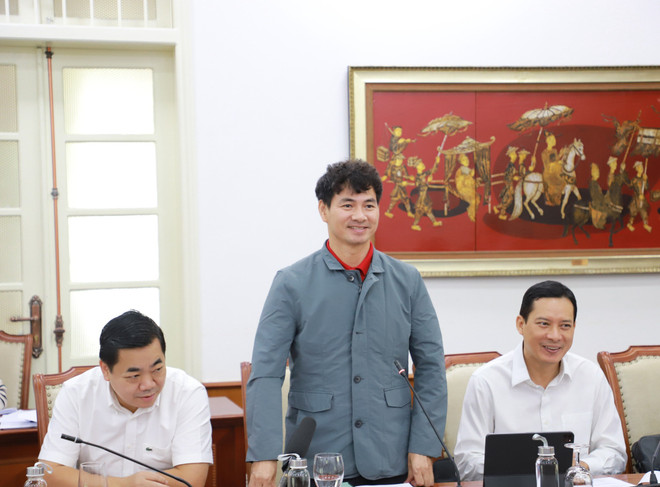
Supporting the encouragement of social network users to register with real names and real information, Director Xuan Bac emphasized that this is to minimize fake accounts that spread false information, insult or attack others.
Also according to Director Xuan Bac, after being issued, the dissemination and popularization of the code of conduct on cyberspace so that network users understand and strictly implement it will be the key factor to promote the effectiveness of the Code of Conduct.
Commenting on the draft Code of Conduct, Deputy Head of the Central Propaganda and Mass Mobilization Commission Tran Thanh Lam said that the development of the draft Code of Conduct on cyberspace was carried out in the context that the Party and State had many important policies and orientations on the development of science , technology, innovation and building Vietnamese people in the new era.
Notable ones are Resolution No. 57-NQ/TW on breakthroughs in science and technology development, innovation and national digital transformation; Resolution No. 33-NQ/TW on building and developing Vietnamese culture and people to meet the requirements of sustainable national development. Along with that, the Ministry of Culture, Sports and Tourism is currently coordinating with relevant agencies to develop a draft Resolution of the Politburo on reviving and developing Vietnamese culture in the new era.
With the above major orientations, the promulgation of the Code of Conduct for Culture in Cyberspace is very necessary and timely.
According to Mr. Tran Thanh Lam, Vietnam is one of the countries that is very open in welcoming international technology businesses and social networking platforms to operate.
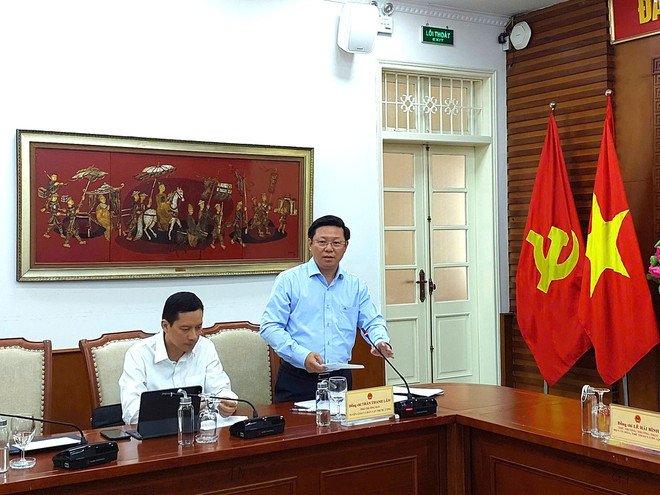
However, along with the increase in user experience, cyberspace has also seen many complex developments. Therefore, in addition to legal regulations, the promulgation of a Code of Conduct on Cyberspace is necessary and is expected to have a direct impact on about 76 million social network users in Vietnam.
In order for the Code of Conduct to be implemented in life and receive consensus and support from the people, Mr. Tran Thanh Lam expressed his hope that the content of the document will be completed in a way that is close, easy to understand, easy to implement, and avoids using overly specialized terms.
Creating a clean digital environment for everyone
In the context of increasingly strong digital technology development, cyberspace has become an essential part of social life, contributing to creating an open communication environment, promoting creativity, connecting communities and spreading knowledge.
However, alongside its immense benefits, cyberspace also presents many new challenges: the increase in harmful and toxic information, inappropriate speech, uncivilized behavior, privacy violations, cyber violence, etc., negatively impacting the spiritual life of society and the nation's positive cultural values.
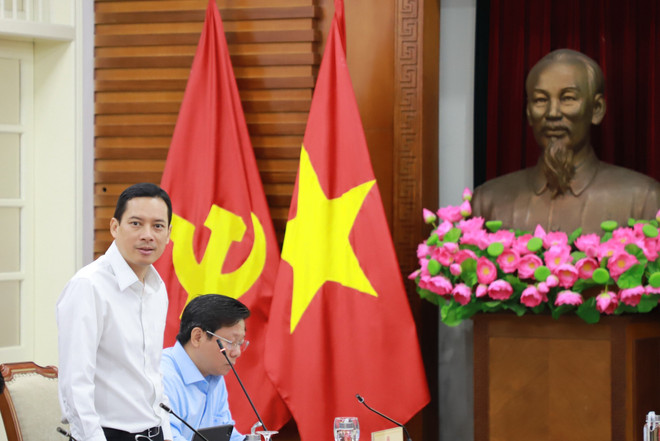
With a proactive approach to fulfilling its assigned tasks, the Ministry of Culture, Sports and Tourism has drafted a Code of Conduct for Cultural Conduct in Cyberspace and sent it to relevant ministries, agencies, and units for comments. Simultaneously, it has fully incorporated and addressed all feedback to finalize the draft, based on input from relevant ministries, agencies, and units, as well as on scientific, practical, and feasible grounds.
The second draft of the Code of Conduct for Cultural Conduct in Cyberspace includes 3 chapters and 11 articles guiding civilized behavior, building a healthy cyberspace and enhancing the responsibility of individuals, cyber influencers (KOLs, KOCs) and businesses.
This is the first time that groups of KOLs, KOCs, multi-channel network companies (MCNs), multimedia communication enterprises... have been recognized in a legally-based document. From there, it creates a premise to mobilize these forces to participate in spreading the State's policies and guidelines.
Representatives of businesses such as Yeah1, Metub, Meta and TikTok all expressed high consensus with the draft. The units said they are ready to coordinate training and thoroughly educate KOLs to comply with the Code of Conduct, build a transparent cooperation mechanism, and propose adding specific examples in a number of articles of the Code of Conduct to make it easier for users to understand and implement.
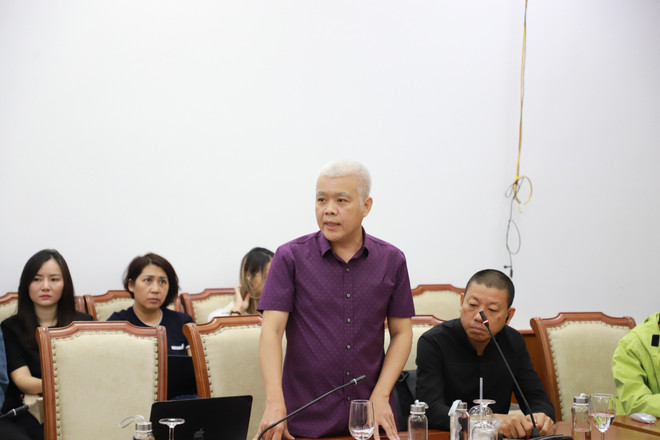
Mr. Nguyen Lam Thanh, representative of TikTok Vietnam, stated that the implementation of the Code of Conduct for the Internet needs to be flexible and adapted to the specific characteristics of the digital environment. Mr. Lam Thanh also suggested integrating this Code of Conduct with the cultural industry development plan to link the activities of KOLs and KOCs in the digital environment with the Ministry's overall cultural plan.
Mr. Pham Anh Thi, Yeah1 Group said Yeah1 is deeply aware of its responsibility in shaping a civilized and positive cyberspace.
"We not only support but also proactively propose solutions to build common standards that are in line with the industry's continuous development. For example, at Yeah1, through the 1Creators product, we incorporate technological advancements into the application to support creators in easily creating high-quality content that generates economic benefits, while also adhering to common standards, contributing to protecting brand value, and spreading positive content to the community," said Mr. Pham Anh Thi.
Specifically, 1Creators has created a set of "Dos and Don'ts" to help content creators easily orient themselves and maximize their positive influence.
Yeah1 representative believes that in a sustainable creative ecosystem, having a transparent operating mechanism and clear guidelines will contribute to creating a clean and trustworthy digital environment for everyone.
In his concluding remarks at the workshop, the Permanent Deputy Minister of Culture, Sports and Tourism, Le Hai Binh, thanked the experts and representatives of various units for their insightful contributions. The Deputy Minister requested the drafting committee to seriously study and incorporate these suggestions to finalize the Code of Conduct. He emphasized that when promulgated, the Code will closely reflect reality, foster consensus, and encourage the collective efforts of the entire society.
The Deputy Minister also suggested that when the Code of Conduct is issued, ministries, branches, agencies, units and individuals need to join hands so that the Code of Conduct can spread in life and have long-term impact./.
Source: https://www.vietnamplus.vn/bo-quy-tac-ung-xu-tren-khong-gian-mang-tac-dong-truc-tiep-toi-76-trieu-nguoi-post1071946.vnp





















![[Video] The craft of making Dong Ho folk paintings has been inscribed by UNESCO on the List of Crafts in Need of Urgent Safeguarding.](https://vphoto.vietnam.vn/thumb/402x226/vietnam/resource/IMAGE/2025/12/10/1765350246533_tranh-dong-ho-734-jpg.webp)













































Comment (0)