

 |
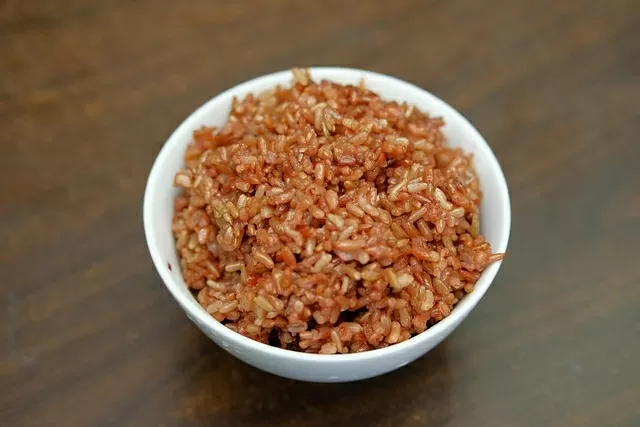
| Brown rice is rich in fiber and supports weight loss, but it shouldn't be consumed in excessive amounts. (Source: Pixabay) |
More than just a less processed version of white rice, brown rice is also a rich source of fiber, vitamins, and minerals, and is recommended by nutritionists as part of a balanced diet.
What is brown rice and why is it good for your health?
Brown rice is milled to remove the husk, while retaining the bran and germ – the parts that contain many important nutrients.
Thanks to minimal processing, brown rice retains most of its B vitamins, magnesium, manganese, selenium, iron, and especially fiber – a key component in supporting digestion, controlling blood sugar, and maintaining a feeling of fullness.
According to a study published in the journal Nutrition Research , people who consumed brown rice instead of white rice for six weeks had more stable insulin levels, reduced LDL cholesterol, and a noticeable improvement in body mass index (BMI).
Professor Frank Hu, a nutritionist at Harvard University (USA), emphasizes that switching from refined grains to whole grains like brown rice is "one of the simplest yet most effective things you can do to improve metabolic health and prevent weight gain."
The mechanism by which brown rice helps with weight loss.
- Rich in both soluble and insoluble fiber
Brown rice contains approximately 3.5g of fiber per 100g (when cooked), which is 2-3 times higher than white rice. This fiber helps slow down digestion, making you feel full longer, reducing cravings, and thus lowering your total daily calorie intake.
- Low glycemic index (GI)
Brown rice has a glycemic index (GI) of around 50-55 (medium to low), compared to 70 for white rice. This helps to better control blood sugar, avoiding sudden spikes in blood sugar – a cause of fat accumulation and increased hunger.
- Increased metabolism thanks to magnesium and selenium.
Magnesium and selenium in brown rice support the metabolism of fats and carbohydrates, helping the body burn energy more efficiently and reducing the accumulation of excess fat.
How to eat brown rice effectively for weight loss?
To achieve effective weight loss while maintaining good health, brown rice should be incorporated appropriately into your daily diet. Below are some important principles and considerations:
- Replace white rice with brown rice in a scientific way.
Start by replacing 1-2 main meals each day with brown rice, combined with protein-rich foods (such as chicken breast, salmon, hard-boiled eggs), vegetables, and a small amount of healthy fats (olive oil, nut butter).
Brown rice not only has fewer calories than white rice (approximately 110 calories/100g cooked compared to 130 calories for white rice), but it also provides a longer feeling of fullness thanks to its three times higher fiber content.
- Soak and cook properly to maximize nutrient absorption.
Before cooking, brown rice should be soaked for 8-12 hours (or overnight) to soften the grains, reduce cooking time, and remove most of the phytic acid—a compound that can inhibit mineral absorption. Using a rice cooker with a brown rice setting or a pressure cooker will result in softer, easier-to-eat, and more digestible rice.
- Do not overuse
Although brown rice is healthy, excessive consumption (more than 3 cups/day) can put strain on the digestive system due to its high fiber content. Additionally, the bran layer can accumulate inorganic arsenic – a substance believed to pose a health risk if accumulated over the long term.
Therefore, it is necessary to diversify starch sources by combining brown rice with other whole grains such as oats, quinoa, sweet potatoes, etc.
- Prepared in various ways to make it easy to eat.
Besides cooking it into rice, you can make brown rice porridge with red beans and chia seeds for breakfast, or make brown rice sushi rolls or homemade brown rice cakes, limiting the use of oil, fat, and sugar.
A 2021 study by Tufts University (USA) showed that people who ate three servings of whole grains per day – including brown rice – reduced their waist circumference by 2.5cm within 12 weeks, compared to the group who consumed refined grains.
This is particularly important in controlling visceral fat – a factor closely linked to the risk of type 2 diabetes and cardiovascular disease.
Dr. Cynthia Sass, a sports nutritionist in Los Angeles, advises: "Instead of completely cutting out carbohydrates to lose weight, prioritize whole grains like brown rice. This is a smart way to maintain energy, control cravings, and stay in shape long-term without resorting to extreme dieting."
Things to note when using brown rice for weight loss.
- Avoid eating too much brown rice: Although it's a healthy food, eating too much brown rice can cause indigestion and affect the absorption of micronutrients (due to phytic acid).
- People with digestive problems should use it with caution: Brown rice is harder to digest than white rice, especially for the elderly, young children, or people with stomach or colon diseases.
Source: https://baoquocte.vn/cach-an-com-gao-luc-de-giam-can-khong-day-bung-316543.html


![[Photo] Prime Minister Pham Minh Chinh presides over a meeting on private sector economic development.](/_next/image?url=https%3A%2F%2Fvphoto.vietnam.vn%2Fthumb%2F1200x675%2Fvietnam%2Fresource%2FIMAGE%2F2025%2F12%2F20%2F1766237501876_thiet-ke-chua-co-ten-40-png.webp&w=3840&q=75)




























































































Comment (0)