

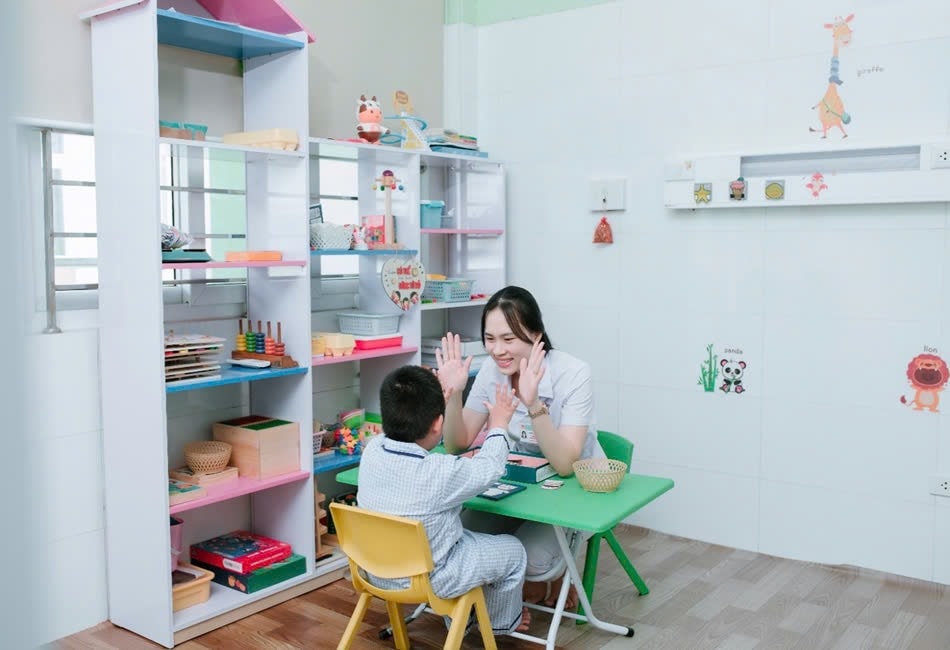
Signs of language disorders
Ms. Ha Thi My Phuong (Cam Le ward) shared that her 5-year-old daughter, who is about to enter first grade, still has a speech impediment and a limited vocabulary. Worried that her daughter will face difficulties in learning, she wants advice on the appropriate time for intervention and a reputable place in the city that can provide support. Ms. Phuong's case is not uncommon.
According to Dr. Vo Van Chien, Department of Pediatric Rehabilitation - City Rehabilitation Hospital, children with language disorders often exhibit delayed speech compared to normal developmental milestones, a limited vocabulary, frequent pronunciation errors, unclear speech, or difficulty expressing ideas verbally.
Some children can only say single words, unable to form sentences, or they may not understand or follow simple instructions. Many tend to use gestures instead of words. These are all signs that parents can observe early at home to detect problems promptly.
Young children's brains have a very high capacity for adaptation and recovery in the early years of life, especially between 18 and 36 months of age. Missing this period can lead to learning difficulties, reduced self-confidence, and limited social integration.
Dr. Nguyen Van Dung, Director of the City Rehabilitation Hospital, said that on average, the hospital receives more than 550 patients daily for inpatient, outpatient, and day-care examinations and treatments. Among them, more than 250 are children with various disabilities and developmental disorders seeking intervention and rehabilitation.
Intervention methods
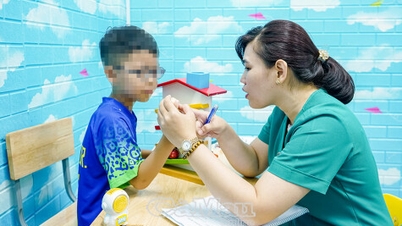
Currently, the treatment of language disorders is implemented in a multidisciplinary approach, with speech therapy playing a central role, helping children practice pronunciation, expand their vocabulary, and improve their expressive abilities. Children also participate in activities that stimulate communication through games, music , and images, combined with behavioral therapy, occupational therapy, and special education to develop social skills, concentration, and integration.
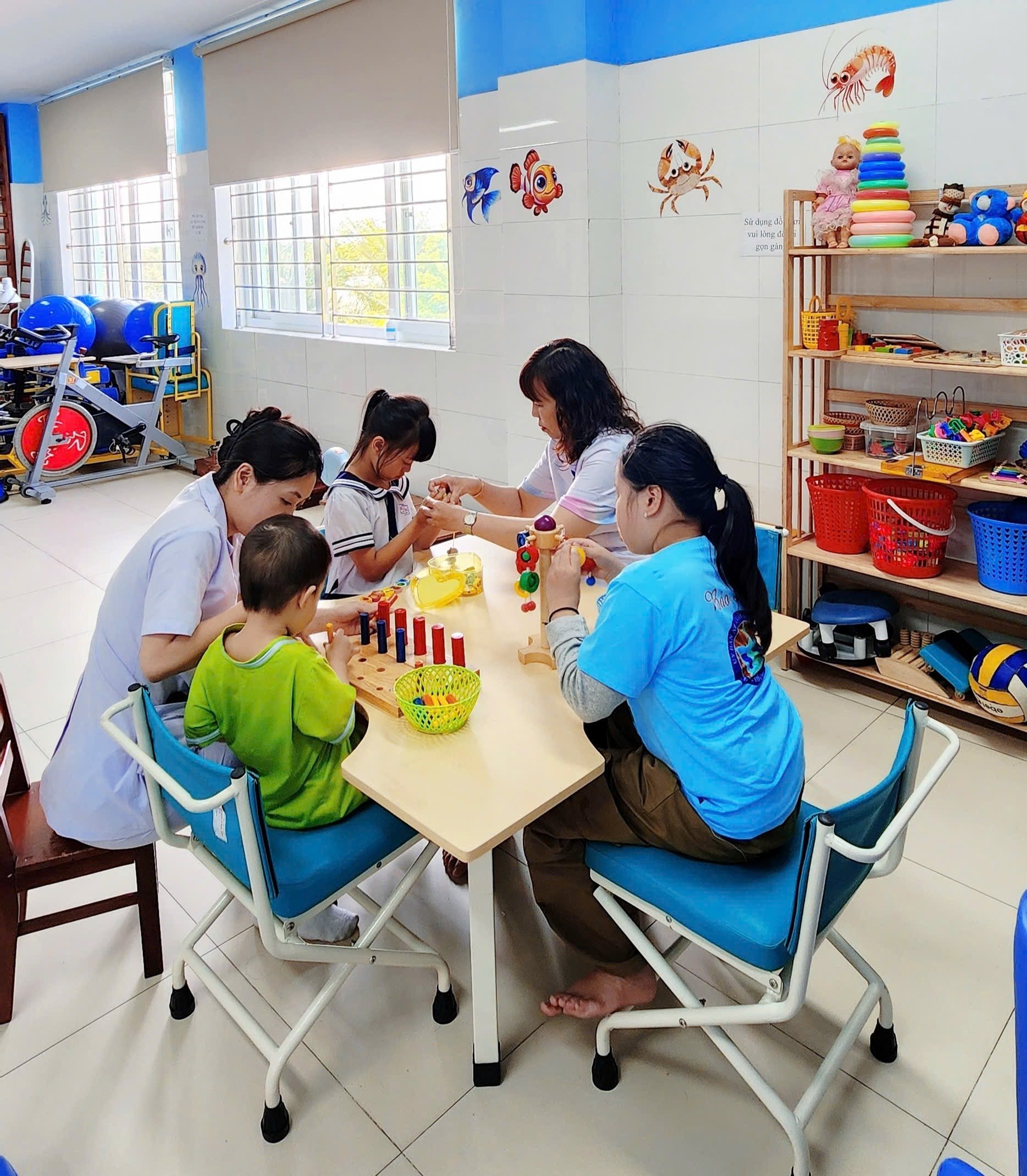
According to Dr. Vo Van Chien, at the hospital, doctors also combine traditional medicine such as electroacupuncture and acupressure to improve health and support intellectual and language development.
Each child receives a personalized intervention plan, flexible to the severity and cause of their disorder. Children learn language not only during therapy sessions but also through meals, games, and daily conversations. The patience, love, and support of parents help children make rapid and sustainable progress.
Therefore, parents need to cooperate closely with professionals and create a positive communication environment for their children.
Key developmental milestones to note: 12 months: speaking single words; 18 months: approximately 10-20 words; 2 years: speaking two-word sentences; 3 years: speaking longer sentences and understanding instructions. If a child is slower than these, makes little eye contact, doesn't imitate, or doesn't understand speech, they should be taken to a specialist for early intervention.
Doctors recommend: "Ideally, detection and intervention before age 3 is ideal, but there are still many opportunities for improvement even before age 5."
Timely intervention not only helps children develop language skills but also opens up opportunities for integration, fosters self-confidence, and provides a solid foundation for the future.
Source: https://baodanang.vn/can-thiep-kip-thoi-cho-tre-roi-loan-ngon-ngu-3300416.html

![[Photo] Admire the coral "masterpiece" amidst the million-year-old heritage of Dak Lak province.](https://vphoto.vietnam.vn/thumb/1200x675/vietnam/resource/IMAGE/2026/05/30/1780107638639_y25-jpg.webp)



































































































Comment (0)