

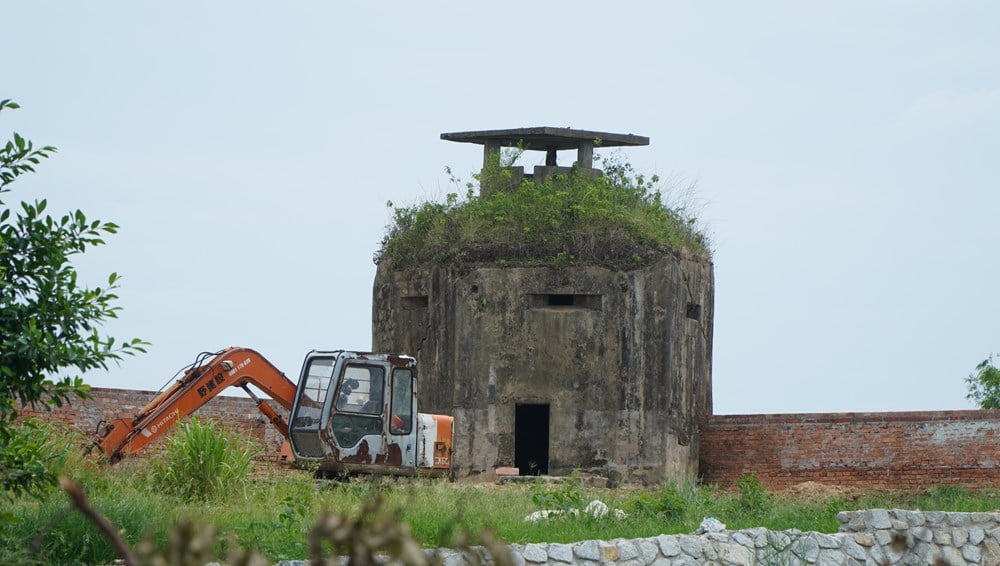
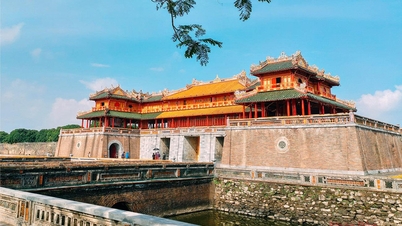
At the end of 2024, the People's Committee of Thua Thien Hue province, now Hue City, issued Decision No. 3323 approving the investment project "Conservation, restoration and embellishment of the Hue Imperial Citadel system (phase 2)" with a total budget of over 367 billion VND, from the central government budget, local government budget and other legally mobilized sources.
Dismantling these structures is necessary.
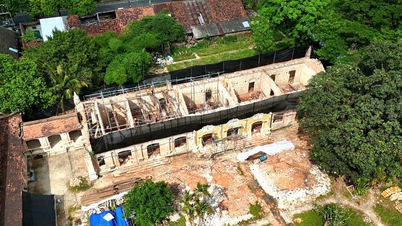
In addition to relocating residents from Zone I of 16 historical sites outside the Hue Citadel, the project will also dismantle 31 combat structures within the Hue Citadel area, including 26 bunkers, 2 shelters, 2 watchtowers, and 1 anti-aircraft position, along with 9 combat structures in the Tran Hai Citadel area (Thuan An ward) and the Temple of Literature - Temple of Martial Arts area (Kim Long ward). Many residents and researchers are interested in the dismantling of structures inside the Hue Citadel, especially the plan to dismantle the bunkers in the Upper Citadel area.
According to representatives from the Hue Imperial Citadel Conservation Center, when compiling the dossier for the Hue Imperial Citadel complex, specifically the Hue Citadel, there was no information or content about these bunker structures. This is because these structures were mainly built during the anti-American war period (approximately from 1957 to before 1975), and are not related to the Hue Imperial Citadel complex.
The dismantling of these structures is necessary to preserve, protect, and restore the original landscape of the Hue Imperial City; at the same time, it aims to improve the landscape to enhance the value of the relics and create tourism products in the Hue heritage area.
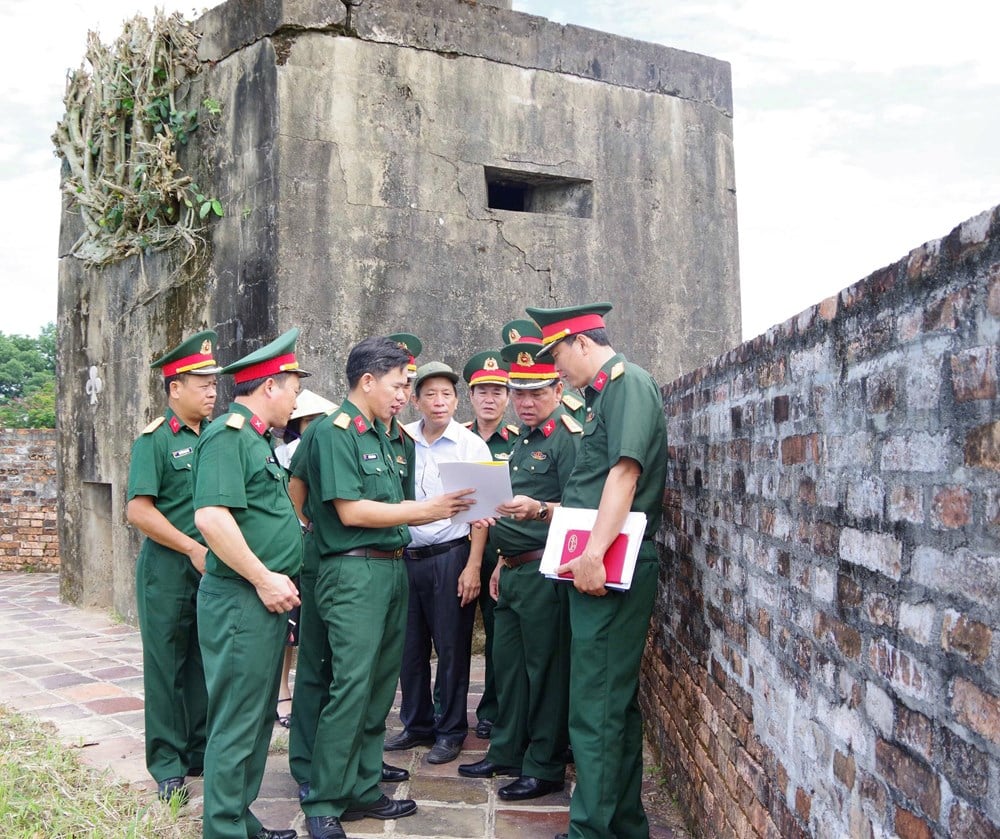
Mr. Phan Van Tuan, Deputy Director of the Hue Imperial Citadel Conservation Center, informed: In 2024 and 2025, the 4th Military Region and the City Military Command have conducted several field surveys to develop a plan for dismantling the bunkers in the Hue Imperial Citadel area. Currently, the procedures are being submitted to the 4th Military Region and the Ministry of National Defense for approval because these structures are national defense projects with unique characteristics, and not everyone is allowed to carry them out.
“The bunkers are managed by the military, so everything like dismantling, rebuilding, or whatever else is under their authority. The center also participated in surveying, reporting, and seeking consensus. However, there is no specific information on how to proceed; we have to wait for their approval,” Mr. Phan Van Tuan informed.
Previously, the Mang Cá fort was an important military structure throughout various historical periods, most recently serving as the headquarters of the Military Command of Thừa Thiên Huế province, now Huế City. When Huế City implemented the project "Relocation of residents and land clearance in Zone 1 of the Huế Imperial Citadel," the Ministry of National Defense also decided to approve investment, relocate units in the Mang Cá area, and hand over the land to the local authorities for management and restoration of Zone 1 of the Huế Imperial Citadel.
Many residents and experts believe that relocating military facilities out of the Hue Citadel is appropriate, freeing up space for the preservation and development of the historical site. This time, the dismantling of combat and defense structures such as bunkers and shelters in the Hue Citadel area is also appropriate and necessary.
It needs to be carefully calculated .
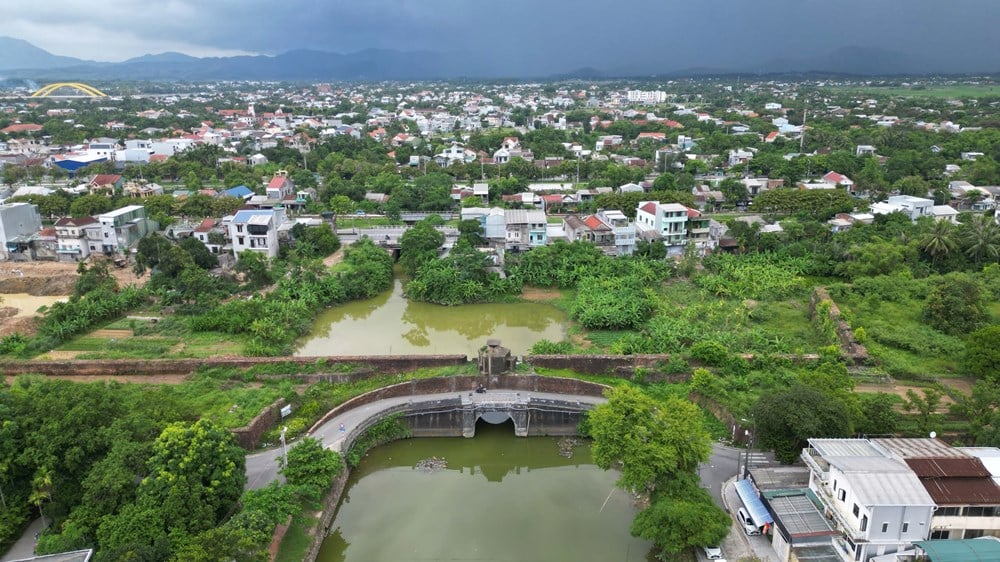
Although there is consensus on dismantling the bunkers and underground tunnels in the Hue Citadel area to restore the space and landscape of the historical site, many experts and researchers have also expressed concerns. These bunkers and tunnels were built very solidly; the concrete walls are thick and deep, while the structure of the citadel walls and the historical site itself has stood for a long time and its lifespan is not very long.
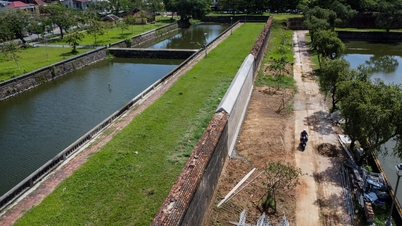
Most of the fortifications are located within the citadel, many of them situated very close to the city walls and architectural relics. If the demolition plan is not carefully considered by all relevant parties to ensure absolute safety for the relics, it will have very serious consequences. Some even suggest that the demolition plan should be independently assessed and reviewed and approved by relevant ministries and agencies.
Researcher Nguyen Xuan Hoa, former Director of the Department of Culture and Sports of Hue City, believes that the bunkers and shelters in the Hue Citadel area are structures built during the war against the US and are no longer suitable for the technical aspects and functions of defensive structures.
The Ministry of National Defence agrees with Hue's decision to dismantle these structures, stating that it is appropriate and should have been done sooner. Of course, the technical aspects of the dismantling process must be carefully considered, as improper execution could easily damage the historical site. "I believe that with today's modern technology, dismantling these bunkers will not be complicated," said Mr. Nguyen Xuan Hoa.
According to Mr. Nguyen Xuan Hoa, during the dismantling process, war artifacts will inevitably be unearthed, and even the foundations of these bunkers may contain traces related to the Hue Citadel. Therefore, this work requires coordination between the military, the Historical Museum, and the Hue Imperial Citadel Conservation Center to ensure timely handling of any discovered artifacts.
Researcher Nguyen Xuan Hoa also suggested that, among these 31 defense structures, consideration should be given to selecting a few in suitable locations that do not affect the historical space and overall landscape of the site, in order to preserve them. This would serve as a way to retain a vestige of the wartime period in this area.
Representatives from the Hue Imperial Citadel Conservation Center stated that the dismantling plan aims to minimize the impact on the relics and will, of course, not affect the overall structure of the Hue Imperial Citadel's ramparts. However, the unit will monitor the extent of the impact at each location with the bunkers after dismantling in order to restore and return the site to its original condition.
Source: https://baovanhoa.vn/van-hoa/can-thiet-nhung-phai-het-suc-than-trong-158161.html



![[Image] Hanoi's urban life under the challenge of a "scorching hot" environment](https://vphoto.vietnam.vn/thumb/1200x675/vietnam/resource/IMAGE/2026/05/25/1779706979265_nang-nong-t5-2026-minh-duy-7-4636-jpg.webp)

![[Image] Close-up view of the interchange connecting the two expressways and Long Thanh Airport.](https://vphoto.vietnam.vn/thumb/1200x675/vietnam/resource/IMAGE/2026/05/25/1779703378210_ndo_br_z7863716673926-224453a31600126cce10622af6290afd-4549-jpg.webp)





















































































Comment (0)