

The heartache of an oncologist when informing a patient that treatment must be stopped.
In an oncology clinic, the conversation doesn't always revolve around treatment plans and test results.
There are days when the hardest thing isn't deciding on treatment, but finding a way to tell the patient and their family that medicine has exhausted all other options. For oncologists, that's a devastating moment.
Dr. Nguyen Duy Anh, a specialist in oncology, said that each patient is a unique individual with their own unfinished business.
"I once treated a 19-year-old patient diagnosed with soft tissue sarcoma, a rare and rapidly progressing form of cancer."
The patient was admitted to the hospital when the disease was already advanced. My team and I still decided to aggressively treat the patient with chemotherapy and radiation, closely monitoring each cycle.
After six months, the disease did not respond. Once, while receiving treatment, the patient shared with me, "I wish I had one more year to go to school and take my mother on a trip ."
"Two weeks later, I had to tell the family that we could no longer intervene. It was an incredibly difficult moment," Dr. Duy Anh shared.
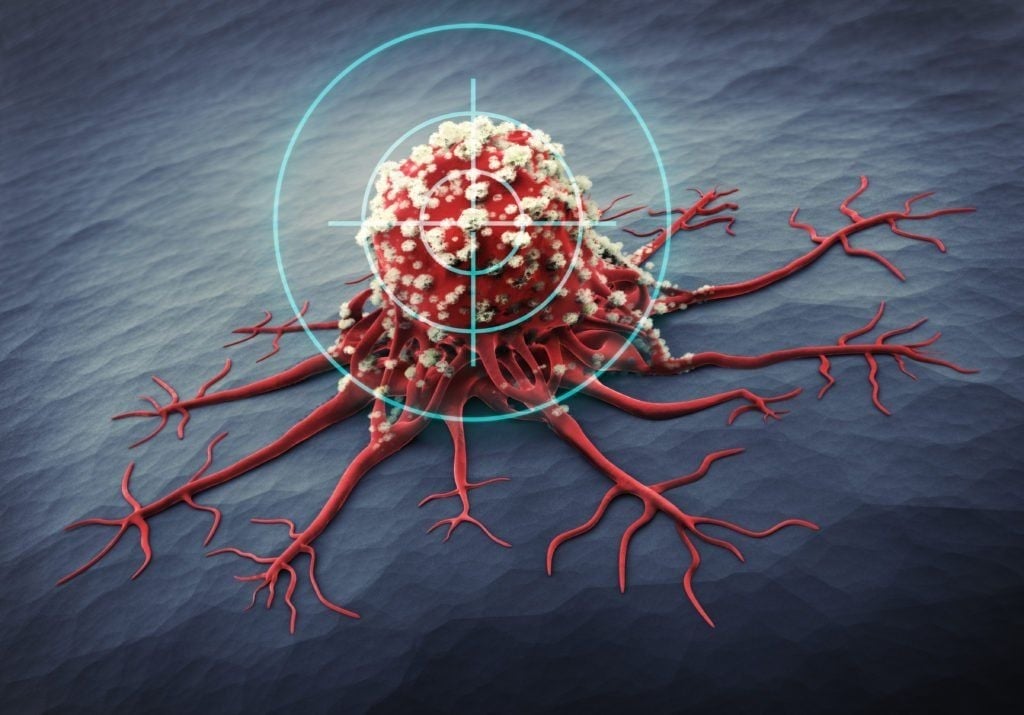
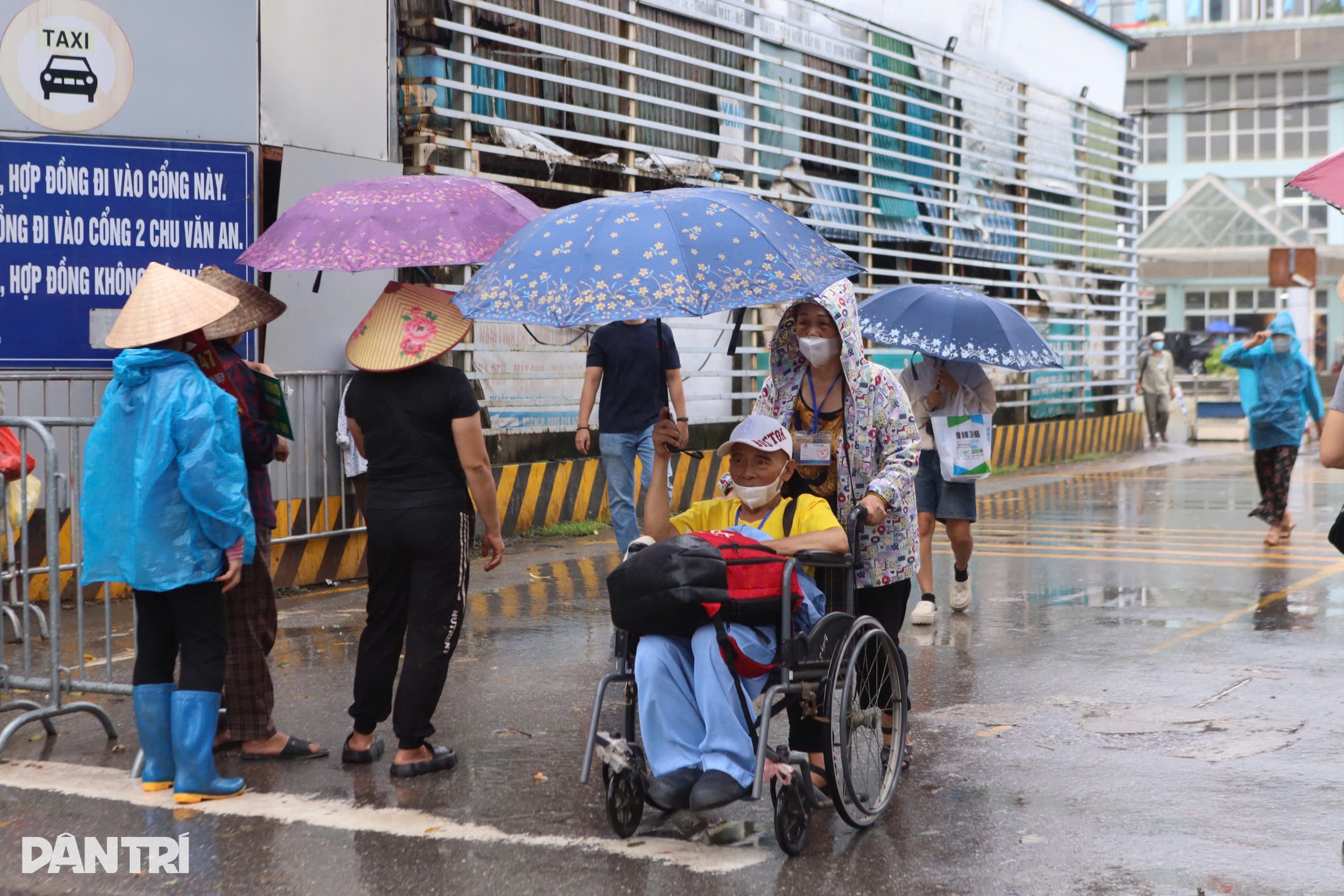 New signals from the personalized mRNA vaccine (Enteromix) meet the expectations of both cancer patients and oncologists, promising "targeted results with minimal toxicity" (Photo: Bao Ngoc).
From such moments of helplessness, any signs of progress in medicine, especially promising directions for reducing toxicity and individualizing treatment, are closely monitored by medical professionals.
News about Russia's personalized mRNA vaccine, Enteromix, has therefore attracted particular attention in recent days, as it perfectly meets the expectations of cancer patients and doctors regarding "targeted efficacy and minimal toxicity."
According to the WHO, Vietnam records approximately 165,000 new cases and 115,000 deaths from cancer each year. Common types of cancer include liver, lung, stomach, breast, and colorectal cancer... Some people as young as 20 have been diagnosed with colorectal cancer.
The Russian cancer vaccine is a step forward, but more data is needed.
Speaking to a reporter from Dan Tri newspaper , Dr. Duy Anh said that Russia's announcement that it is ready to use a cancer vaccine and is awaiting approval from the country's Ministry of Health for clinical use is a very significant step forward in the field of cancer treatment.
According to Dr. Duy Anh, the concept of cancer vaccines is not new, but it is still in the testing and development phase. Currently, there are two main types:
Preventive vaccines: Such as the HPV vaccine (to prevent cervical cancer) or the hepatitis B vaccine (to prevent liver cancer). These have been widely used.
Vaccine therapy: Aims to activate the body's immune system to recognize and destroy already formed cancer cells. This is a challenging approach and is currently undergoing clinical trials in many countries (USA, Japan, Germany, China, etc.).
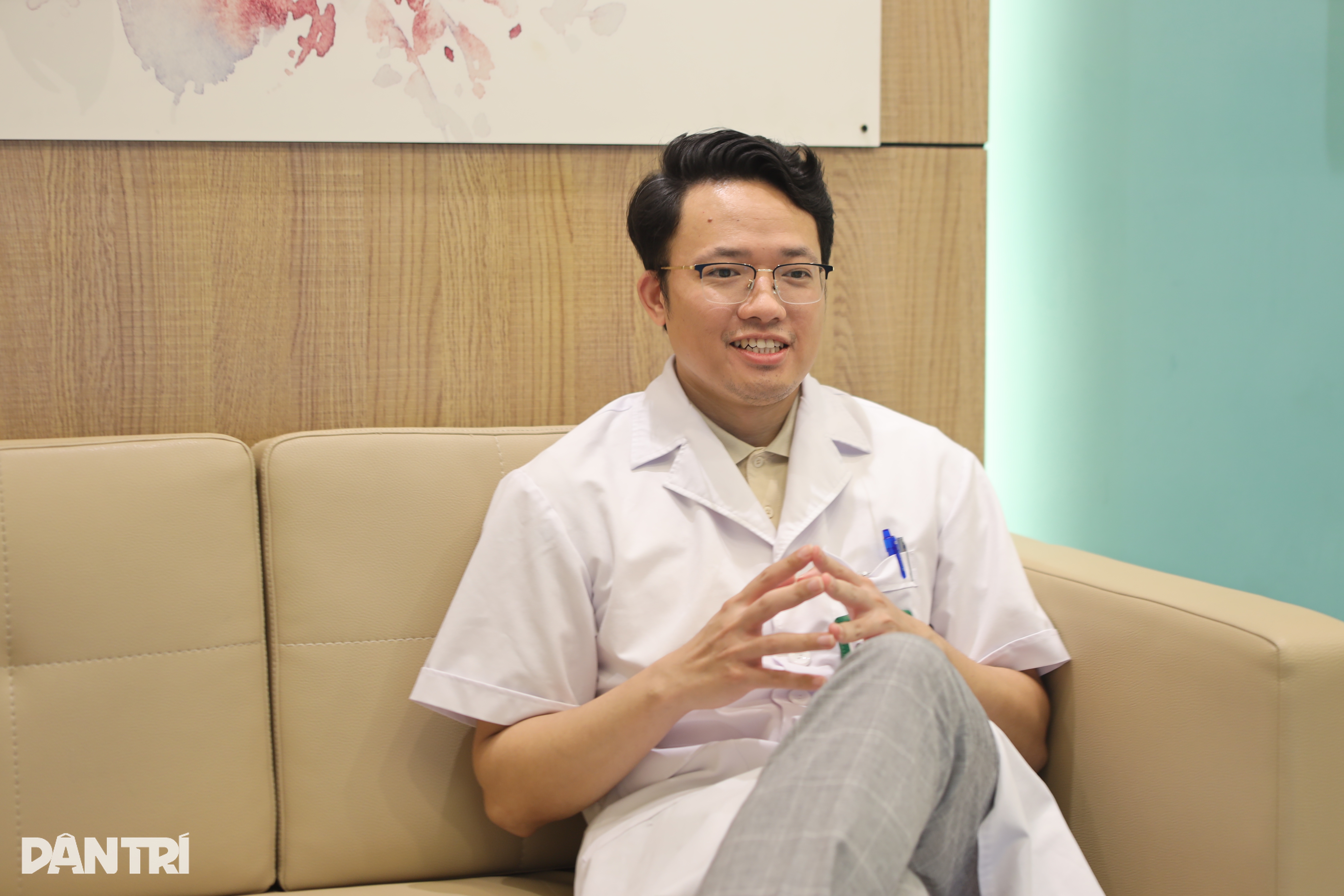 According to Dr. Duy Anh, Russia's announcement of its readiness for clinical use of a cancer vaccine is a significant step forward (Photo: Bao Ngoc).
"For a cancer vaccine to be considered 100% effective, it needs clear clinical evidence, across multiple phases of trials with large sample sizes, multiple centers, and long-term follow-up."
In medicine, especially in the field of oncology, claims of "100% effectiveness" should always be approached with caution, because cancer is inherently complex and diverse, and there is no single therapy that can be applied universally to all patients," Dr. Duy Anh explained.
Dr. Duy Anh shared that if the preclinical results and phase I and II trials are positive, then this is a positive sign.
"However, for widespread application, a phase III with a large sample size, comparison to the standard protocol, and sufficiently long follow-up are necessary," Dr. Duy Anh emphasized.
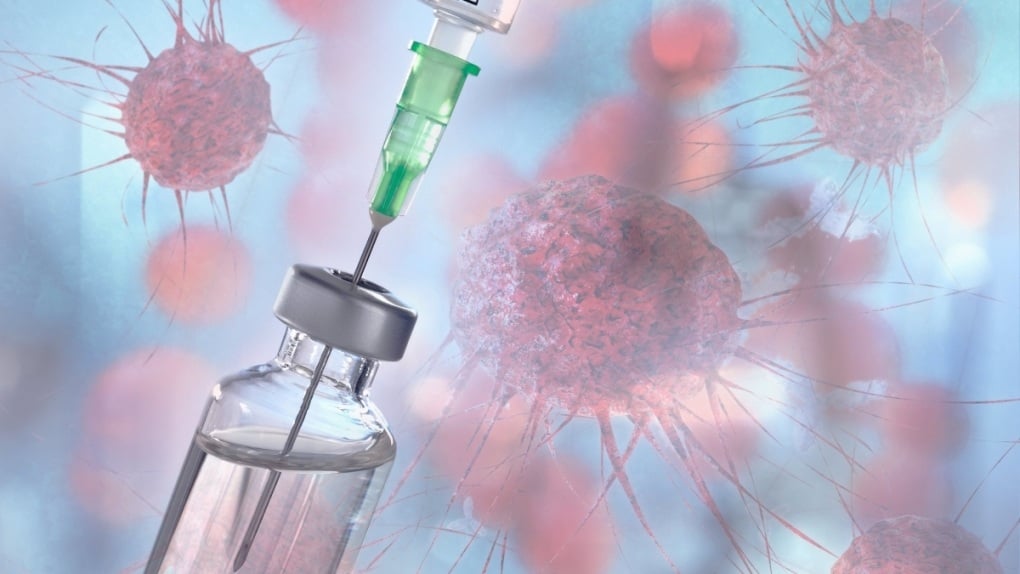
Along with expectations, scientists need more data to validate the sustained effectiveness of the Enteromix vaccine (Photo: Arizona State University).
Dr. Dhiren Bhatia, a former advisor to the World Health Organization (WHO), also noted: “The Phase I trial only included 48 patients. This phase mainly assesses safety, and it is not yet possible to confirm long-term effectiveness. We need more data on survival rates, disease progression, and outcomes after 6-12 months.”
According to information from the Federal Biomedical Agency of Russia (FMBA), the vaccine will be used first for colorectal cancer.
According to the agency, in addition to colorectal cancer, patients with lung, breast, or pancreatic cancer may also benefit from this vaccine.
Patients with compromised immune systems who cannot tolerate traditional therapies are a group of patients who may need this vaccine for treatment.
Cancer treatment in Vietnam: Surgery, chemotherapy, and radiation are the "pillars" of treatment.
In Vietnam today, the standard cancer treatment protocol is still based on three standardized methods that have proven effective in the long term: surgery, chemotherapy, and radiotherapy.
In addition, modern methods such as targeted therapy and immunotherapy are opening up more options, full of potential but with practical constraints regarding biological indications, costs, and response rates.
Traditional methods (surgery, chemotherapy, radiotherapy) remain the "backbone" of most treatment protocols.
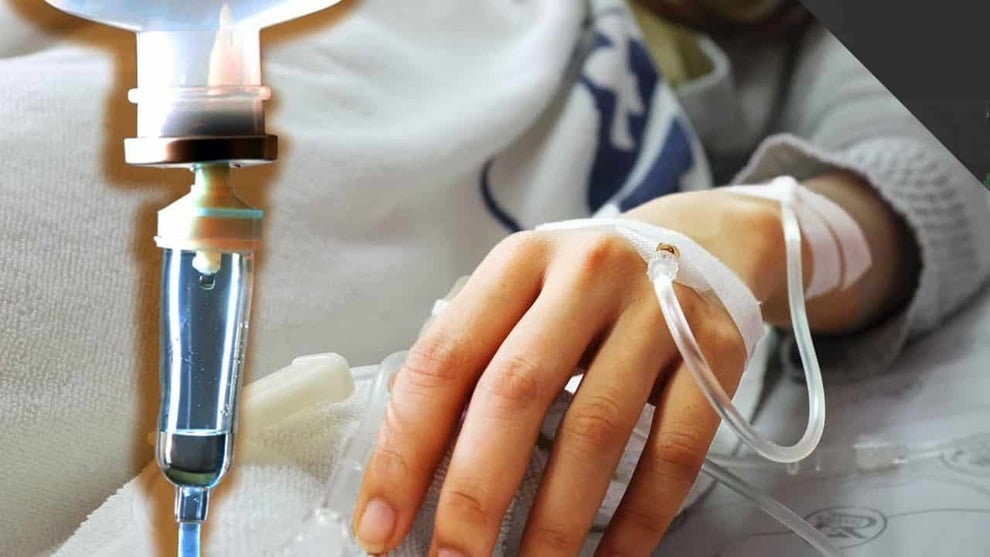
According to Dr. Duy Anh, the three methods of surgery, chemotherapy, and radiation are effective in the early stages, but they deplete the patient's physical and mental strength (Photo: Getty).
According to Dr. Duy Anh, the advantages of the traditional method have been studied and applied for decades, especially in the early stages.
However, these methods cause patients pain due to weakened immunity, nausea, hair loss, and sometimes have limited effectiveness in metastatic or refractory tumors.
Dr. Duy Anh explained that targeted therapy acts on specific molecules/mutations of cancer cells, resulting in high selectivity and generally lower toxicity compared to chemotherapy.
"However, the limitation is that it is only effective when there is a suitable mutation, depending on the disease, and only about 10-30% of patients respond," said Dr. Duy Anh.
Modern methods improve the quality of treatment but come with high costs and only about 20–30% of patients respond to treatment (Photo: Getty).
In immunotherapy, the goal is to activate the immune system to recognize and destroy cancer cells.
"Typically, these are immune checkpoint inhibitors such as PD-1, PD-L1... The advantage is that they can provide a sustained response in some diseases (melanoma, lung cancer...).
However, this method is very expensive, has a low response rate (usually only 20-30%), and carries the risk of autoimmune side effects that can affect multiple organs," Dr. Duy Anh informed.
According to Dr. Duy Anh, the Enteromix vaccine from Russia is considered a scientific and personalized advancement.
"The mechanism of this type of vaccine is to use genetic information from the tumor itself to design specific mRNA, thereby training the immune system to accurately identify and attack cancer cells," Dr. Duy Anh explained.
Dr. Duy Anh also emphasized the expected advantages of this type of vaccine: very high personalization, reduced extra-target toxicity, and the potential for immune synergy to increase effectiveness.
In particular, this could become a gentler treatment option: simple, minimally invasive intramuscular injections, fewer side effects compared to chemotherapy/radiotherapy, and a focus on personalized treatment tailored to each patient's genetic profile.
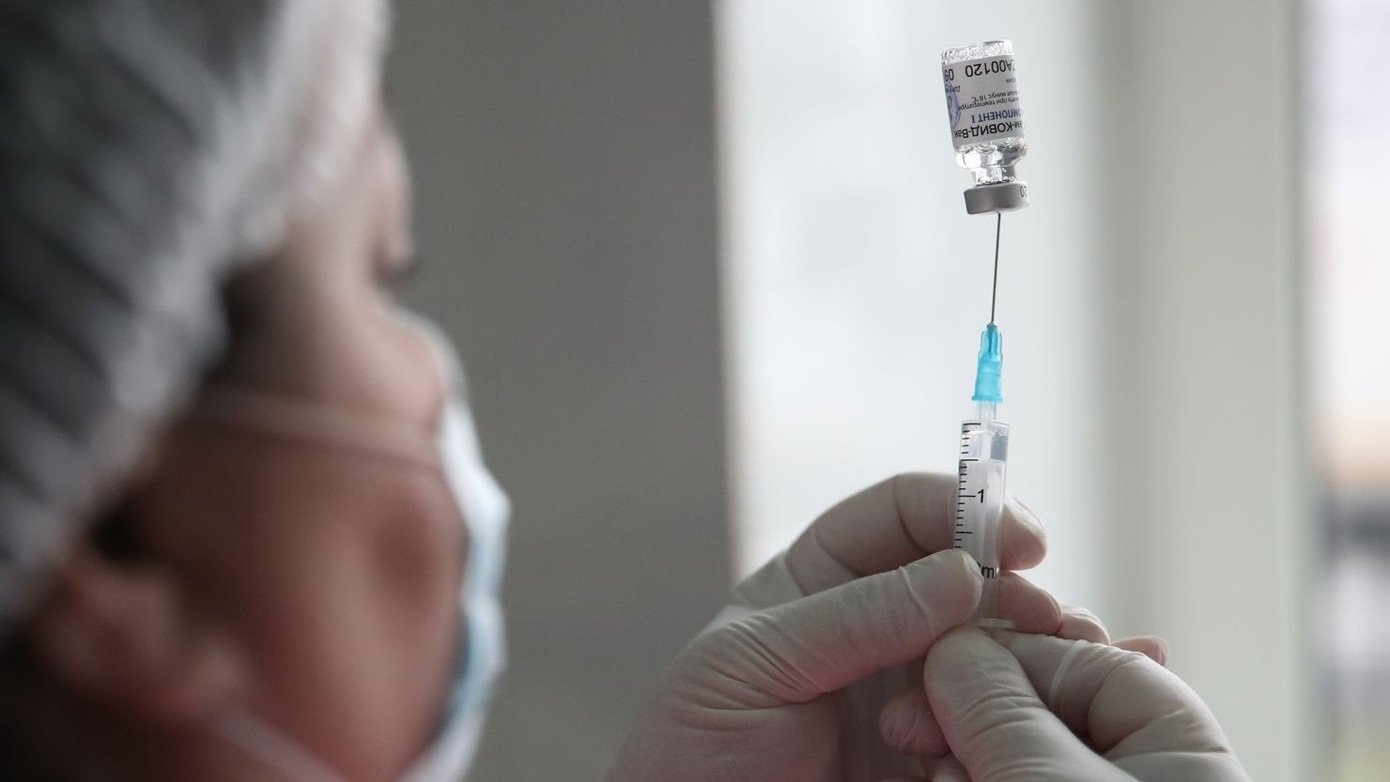
To ensure that cancer vaccines do not remain a "luxury dream," policies on affordability, testing infrastructure, production, and a roadmap and guidelines based on scientific evidence are needed (Photo: Getty).
However, Dr. Duy Anh also pointed out the current limitations: the technology is complex, the cost is high, and the production process is tailored to each patient, making it time-consuming and unsuitable for situations requiring urgent treatment.
"The biggest challenges remain cost and accessibility. To avoid becoming a 'luxury dream,' it needs to be accompanied by payment policies, testing infrastructure, production, and a roadmap for implementation based on scientific evidence," Dr. Duy Anh emphasized.
Source: https://dantri.com.vn/suc-khoe/chuyen-gia-ky-vong-vaccine-ung-thu-cua-nga-xoa-an-tu-them-co-hoi-song-20250910024019819.htm

















































































Comment (0)