

VIOLATIONS ARE BECOMING INCREASINGLY COMPLEX AND SOPHISTICATED
At the conference, Dr. Duong Tu from Purdue University (USA) warned about the current situation where scientific publications are being manipulated by some organizations and individuals, causing science to lose its original beauty of creating new knowledge, discovering laws in nature, and contributing to society, instead becoming a race for quantity and measurement. Initially, the number of publications was small, so evaluation could be done directly for each work. Later, as the number of works increased, evaluation had to rely on intermediate indicators such as citations, H-index, ranking, etc.
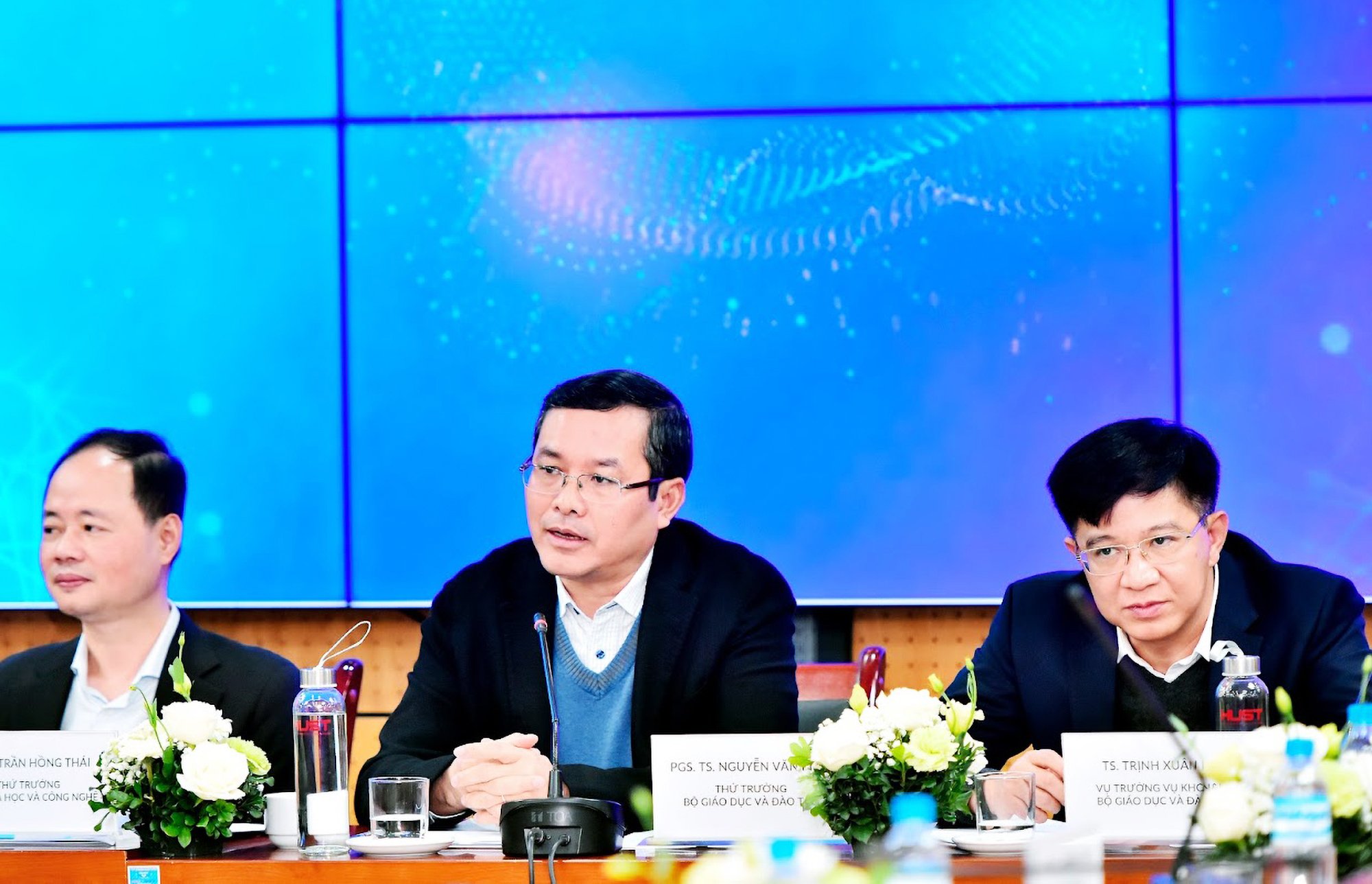
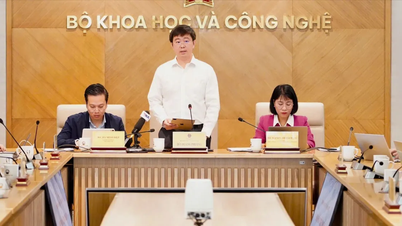
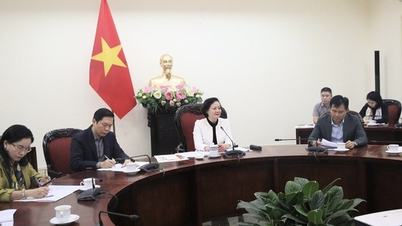
For the first time, the Ministry of Science and Technology collaborated with the Ministry of Education and Training to organize a scientific conference on integrity in research.
Evaluations based on these indicators are easily manipulated for personal gain. What was once a tool for evaluating research has become a goal driven by the pursuit of publication numbers, citation indices, H-indexes, etc. "From its early days, science has been based on two fundamental pillars: honesty and the trust of those who receive the results. But these two pillars are fragile and easily abused and manipulated. As a result, those who are not very honest take advantage of the trust the scientific community places in them, fabricating or doing unethical things," Dr. Duong Tu expressed his concern.
Dr. Duong Tu also shared his personal experience regarding the increasingly complex and sophisticated nature of violations of scientific integrity. Plagiarism and fabricated data are classic forms of misconduct. With the development of technology, new forms of fraud have emerged, such as citation fraud or the formation of networks and systems of collusion. "They can publish whatever they want. I call it a mafia network. If we are not aware of the existence of such networks, if we are not aware of the existence of such sophisticated fraud and deception, then we will not be able to combat it or improve the situation," Dr. Duong Tu warned.
According to Dr. Duong Tu, the harm caused by violations of scientific research regulations is not only the waste of taxpayers' and state funds (through research funding), but also the devastating impact on people's lives if the fraudulent research results are used as a basis for policy making. More importantly, it affects public trust in scientists. This is a global issue, not just in Vietnam. People are increasingly distrusting science, instead believing in pseudoscience, conspiracy theories, and other unhealthy practices.
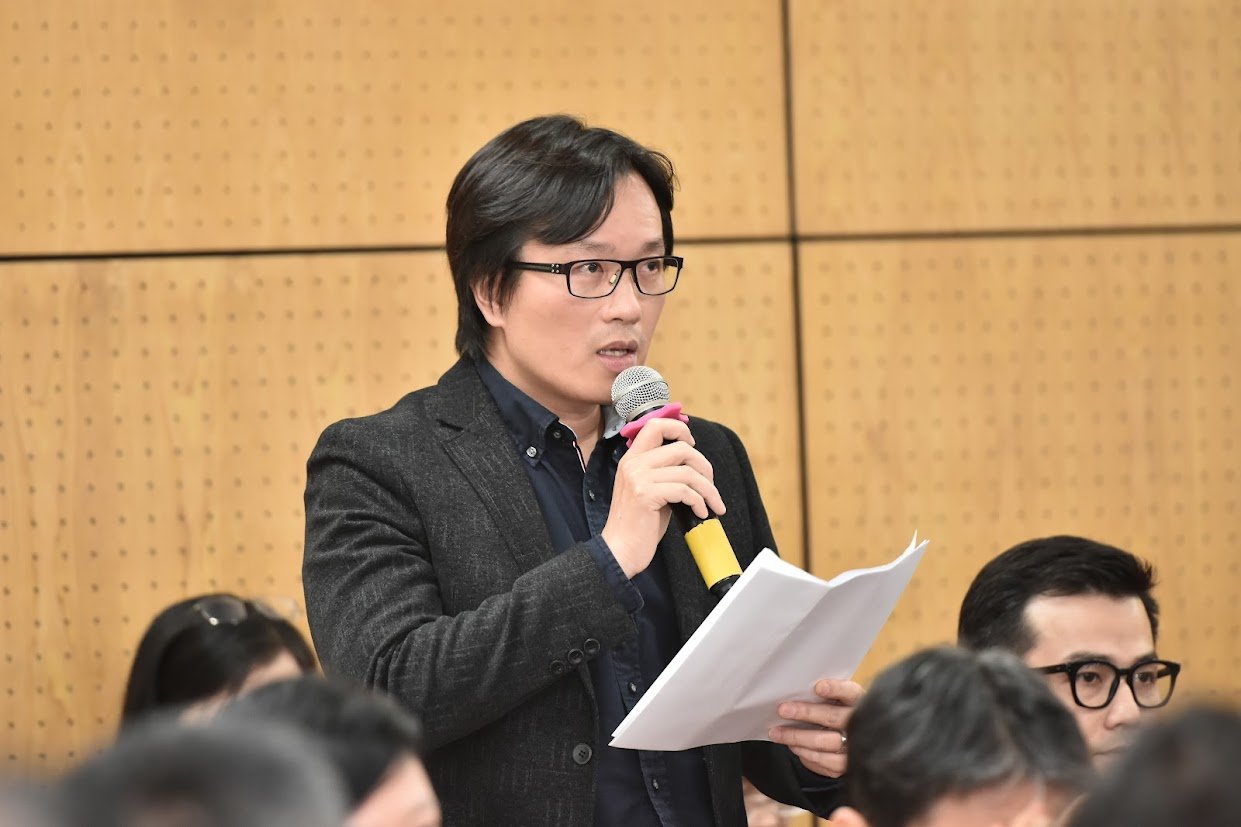
Dr. Duong Tu, from Purdue University (USA), has issued a warning about the current state of scientific publication.
DO N'T LET SCIENTISTS SACRIFICE HONESTY FOR A LIVING.
According to Dr. Duong Tu, for scientists to be happy because their research serves science and the community, earns public trust, and continues to receive funding from the state and the community, scientific evaluation must focus on quality rather than quantity. Policies are needed to ensure that scientists, instead of chasing the number of publications, citation indices, H-indexes, and rankings, return to the essence of science. Policies must be in place to ensure scientists can make a living, to give them peace of mind, and not have to compromise their honesty and integrity for the sake of daily sustenance.
Professor Phung Ho Hai, from the Vietnam Institute of Mathematics, also believes that to solve the problem of scientific and technological innovation, one cannot simply talk about ethics but must address it through legislation, and even more profoundly, the issue of institutions and mechanisms. "I want to emphasize the mechanism. Violations of scientific and technological innovation are created by the mechanism. It's not that natural scientists are acting improperly. The mechanism creates this. Decades ago, there weren't any violations of scientific and technological innovation like we're seeing now! The main issue is how to reform the mechanism!" said Professor Phung Ho Hai.
Mr. Hai further analyzed: "Why do scientists violate integrity? Circumstances create them, so now we must change those circumstances. Like fighting corruption, the first step is to ensure that there is no need, no desire, no courage, and no possibility of corruption. The same applies to science; we must create mechanisms to ensure that scientists do not need, do not want, do not dare, and cannot engage in dishonesty. The root cause is the lack of need. That means scientists must first have enough to eat."
A CHANGE IS NEEDED IN THE EVALUATION OF SCIENTISTS
According to Deputy Minister of Education and Training Nguyen Van Phuc, one of the outstanding results of science, technology, and innovation activities in the last 10 years has been the significant increase in the number of scientific publications in prestigious international journals. Along with this increase, besides the positive contributions, there are also some issues that need attention and resolution, including debates about integrity in scientific research, which is the reason why the two ministries organized this workshop.
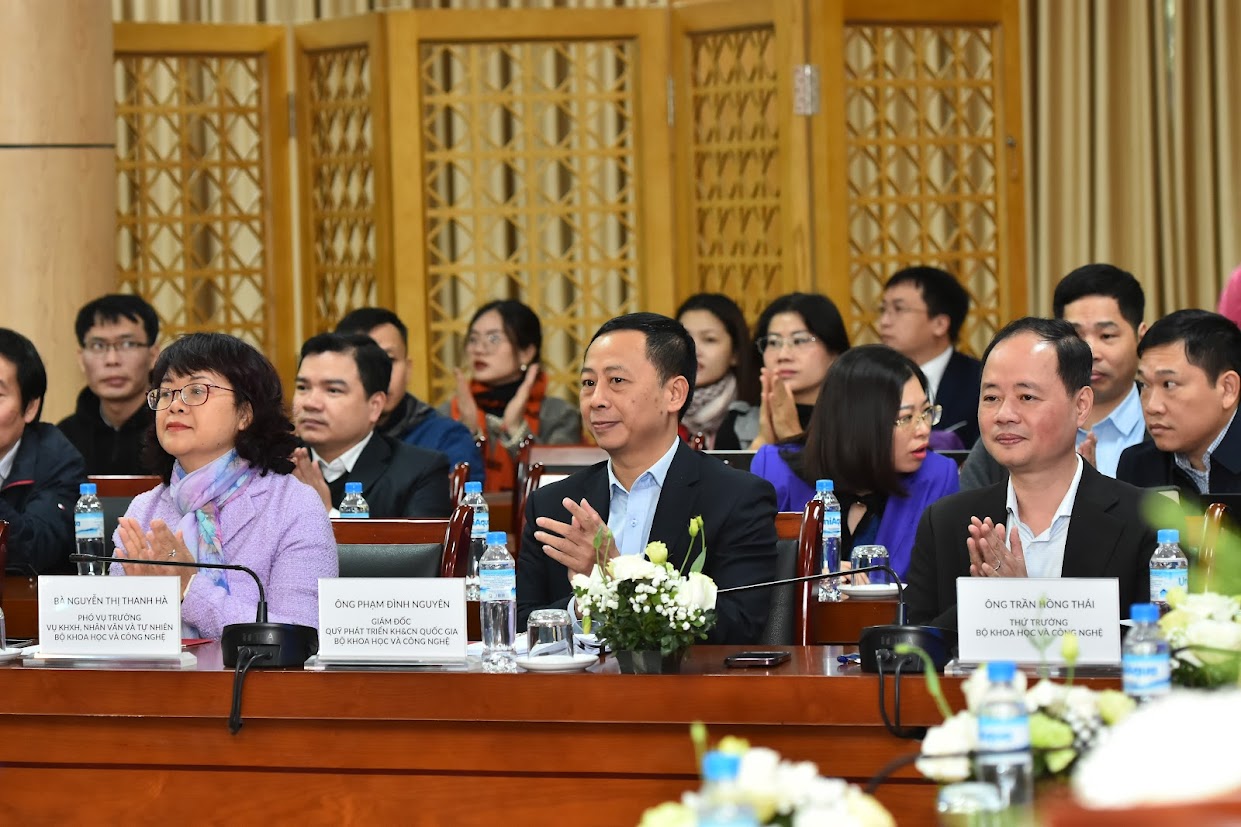
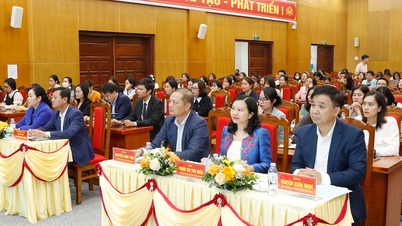
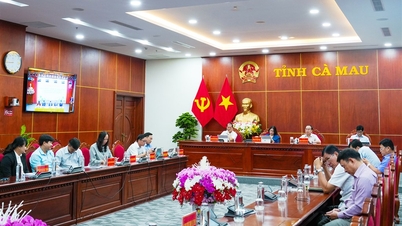
Delegates participating in the workshop on integrity in scientific research.
The organizers of the workshop hope that through the opinions of scientists, they can identify existing difficulties and limitations, and propose appropriate, feasible, and effective solutions to enhance integrity in scientific research in general and scientific publications in particular, thereby improving the substantive quality of science and technology and education activities.
According to Deputy Minister of Science and Technology Tran Hong Thai, scientific integrity is beginning to become a matter of social concern. It is time for state management agencies to pay attention, to listen together to the opinions of the scientific community and public opinion in order to act appropriately. Integrity is an "open" concept, so it requires updating and general guidance for implementation. The two ministries should work together to unify their views on specific issues.
The advisory bodies of the two ministries need to urgently study and propose document formats and guidelines for universities, research institutes, and other units to implement. "It's time to expedite the inspection of the implementation of regulations, and to develop and implement regulations on research and teaching integrity in research and training institutions," Deputy Minister Tran Hong Thai said.
Deputy Minister Tran Hong Thai also stated that there needs to be a change in the evaluation of scientists, including criteria for assessing the contribution of research projects to the socio-economic development of the country, instead of focusing solely on international publications. Furthermore, the funding model of the NAFOSTED Fund needs to change to ensure balanced development across scientific fields, avoid corruption, and strive to improve integrity in scientific research.
The government not only funds international publications but also strives to support Vietnamese scientists in participating more in international scientific forums across various fields.
"Both ministries recognize that it is time for state management agencies to step in and address the issue of integrity in scientific research and training, gradually striving to create a healthy environment for science, technology, and education," Mr. Thai said.
Violations of scientific research regulations due to pressure for international publication.
One of the three keynote speakers at the conference was Associate Professor Truong Viet Anh, Head of the Science and Technology Department, Hanoi University of Science and Technology, on some initial results of the research "On building academic integrity through some surveys at higher education institutions" conducted by the Hanoi University of Science and Technology research group.
According to Associate Professor Truong Viet Anh, initial survey results show that the most common violation of academic integrity today is listing the names of people who did not participate as authors or co-authors of scientific research.
The next most common violations include plagiarism/self-plagiarism; doing research on behalf of others; using the research of an entire group for personal purposes without the consent of the research group; fabricating or using false data in literature reviews and research results.
The primary reason cited for violations is the pressure on individual scientists to publish a large number of papers.
Source link


















































































Comment (0)