

Water retention occurs when the body drinks too much water or due to a health condition that causes water retention. This results in an imbalance of electrolytes and essential minerals that regulate heart rate and blood circulation.
The U.S. National Academy of Medicine recommends that adults drink 2 to 3 liters of water per day. Depending on ambient temperature, age, gender, physical activity level, and other factors, more or less water may be needed, according to the health website Verywell Health (USA).
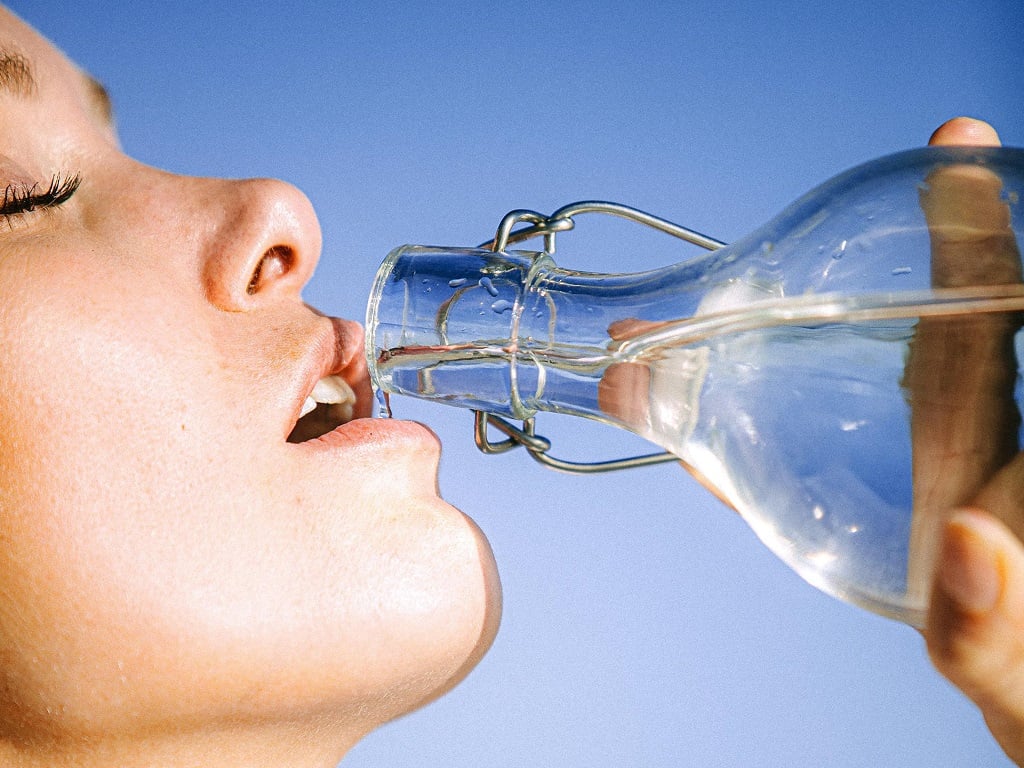
Experts recommend that an adult should drink 2-3 liters of water per day.
While drinking water is essential, drinking too much can lead to water intoxication or even water intoxication. Besides the quantity of water, the speed of drinking is also a significant factor contributing to water intoxication. Excess water can lead to symptoms such as confusion, fatigue, headaches, and muscle cramps.
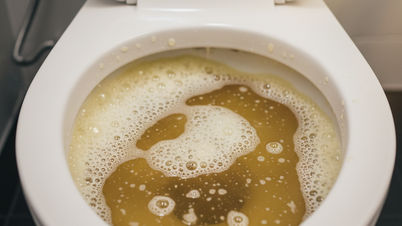
One of the early warning signs of excess water is the color of your urine. Pale yellow urine indicates adequate hydration, while dark urine indicates dehydration. However, clear urine, accompanied by more frequent urination than usual, is a sign of excess water. Normally, a healthy person urinates 6-10 times a day.
If excess water causes adverse health symptoms, the affected person should limit their daily water intake, use diuretics, urinate frequently, and seek medical intervention if necessary. Severe excess water can lead to water intoxication.
Water intoxication dilutes electrolytes in the blood, especially sodium. This can cause cerebral edema, leading to impaired nervous system function and affecting brain function. Symptoms of water intoxication include blurred vision, diarrhea, fatigue, high fever, headache, increased salivation, cramps, nausea, vomiting, and seizures. Those affected should seek medical attention.
To prevent water intoxication, people need to understand their body's water needs. Generally, drinking 2 to 3 liters of water per day is safe. Those who exercise regularly also need to replenish fluids regularly before, during, and after workouts, according to Verywell Health .
Source: https://thanhnien.vn/dau-hieu-canh-bao-co-the-dang-thua-nuoc-o-muc-nguy-hiem-185241106165351821.htm



![[Photo] Prime Minister Pham Minh Chinh holds a phone call with the CEO of Russia's Rosatom Corporation.](/_next/image?url=https%3A%2F%2Fvphoto.vietnam.vn%2Fthumb%2F1200x675%2Fvietnam%2Fresource%2FIMAGE%2F2025%2F12%2F11%2F1765464552365_dsc-5295-jpg.webp&w=3840&q=75)

![[Photo] Closing Ceremony of the 10th Session of the 15th National Assembly](/_next/image?url=https%3A%2F%2Fvphoto.vietnam.vn%2Fthumb%2F1200x675%2Fvietnam%2Fresource%2FIMAGE%2F2025%2F12%2F11%2F1765448959967_image-1437-jpg.webp&w=3840&q=75)


































































Comment (0)