

 |
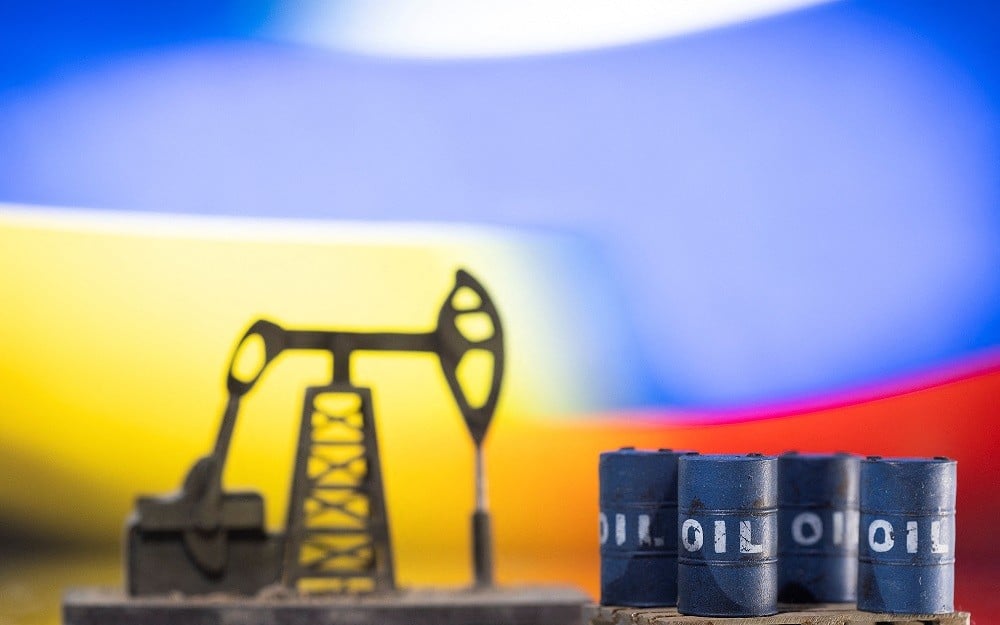
| EU officials are holding discussions on strengthening the effectiveness of the price cap on Russian oil. (Source: Reuters) |
According to data obtained by the Financial Times , nearly three-quarters of Russia's total seaborne crude oil shipments in August were transported without Western insurance – a key indicator that price limits are gradually being breached.
In October, only 37 of Moscow's 134 oil tankers had Western insurance, and officials said the number of operating vessels below the current compliance ceiling could be much lower.
European officials are concerned that some insurance providers have received false declarations from Russian oil companies or traders, which required them to provide written guarantees that crude oil prices were below $60 per barrel.
In recent days, EU officials have held discussions on strengthening the effectiveness of the restrictions, including options to increase enforcement or limit Russia's access to the used tanker market.
Western concerns are heightened by official Russian statistics showing the average price of oil is above $80 per barrel.
The surge in Moscow's oil export prices has dealt a severe blow to the efforts of the Group of Seven (G7) industrialized nations to curb capital flows into the Kremlin.
G7 member countries and Australia imposed crude oil price caps last December to tighten Russia's budget revenue. These countries also cut off access to Western services such as shipping and insurance, unless traders complied with the $60/barrel limit.
Although these measures achieved some initial success, Russia appears to have found ways to circumvent the rules. For example, it has built a "shadow fleet" of old oil tankers to avoid Western markets.
Source


![[Image] Close-up of the newly discovered "sacred road" at My Son Sanctuary](/_next/image?url=https%3A%2F%2Fvphoto.vietnam.vn%2Fthumb%2F1200x675%2Fvietnam%2Fresource%2FIMAGE%2F2025%2F12%2F13%2F1765587881240_ndo_br_ms5-jpg.webp&w=3840&q=75)














































































Comment (0)