

Key component
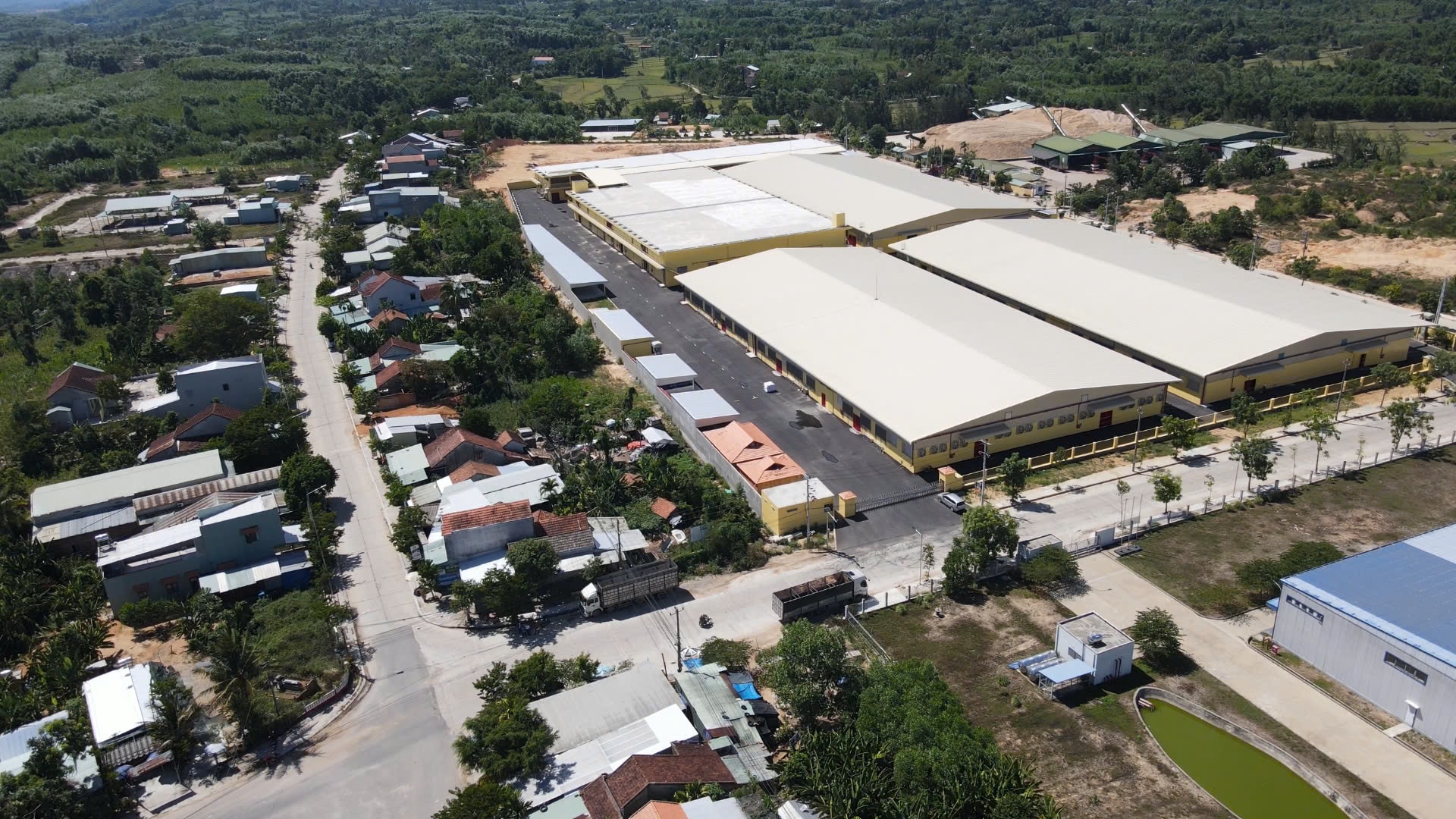
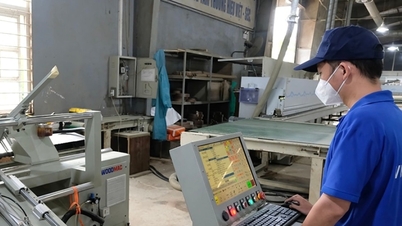
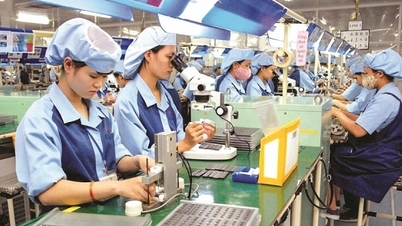
Of the 735 planned industrial clusters, Da Nang is the locality with the most, with 126 industrial clusters (accounting for 17.1%), followed by Thanh Hoa (115), Gia Lai (99)... To date, the whole region has 352 industrial clusters established, reaching 48% of the plan with a total area of more than 11,556ha, of which 279 industrial clusters are operating, with a total leased area of about 8,100ha, attracting 3,068 production and business investment projects, creating jobs for nearly 170,000 workers, mainly local workers.
According to Ms. Le Thi Kim Phuong, Director of the Department of Industry and Trade of Da Nang City, Da Nang has put into operation 63 industrial clusters (reaching 50% of the local plan), an increase of 8 industrial clusters compared to July 1, 2025. Developing industrial clusters is an important orientation because, in the context of the economy shifting strongly towards a green and sustainable growth model, industrial clusters have become an important component in the local industrial ecosystem, serving as a foundation to promote rural industries and limit the situation of production facilities being interspersed within residential areas, causing environmental pollution.
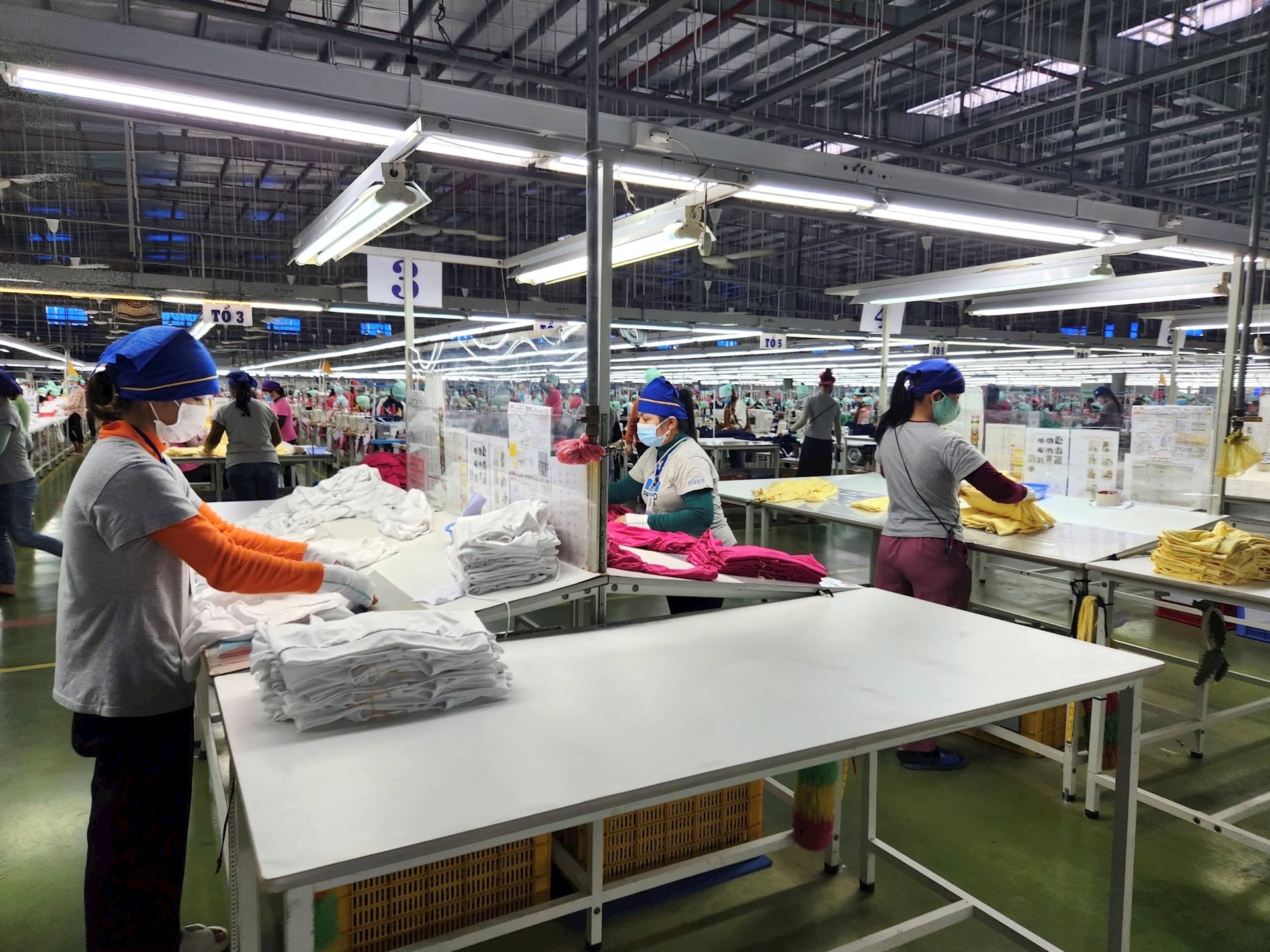
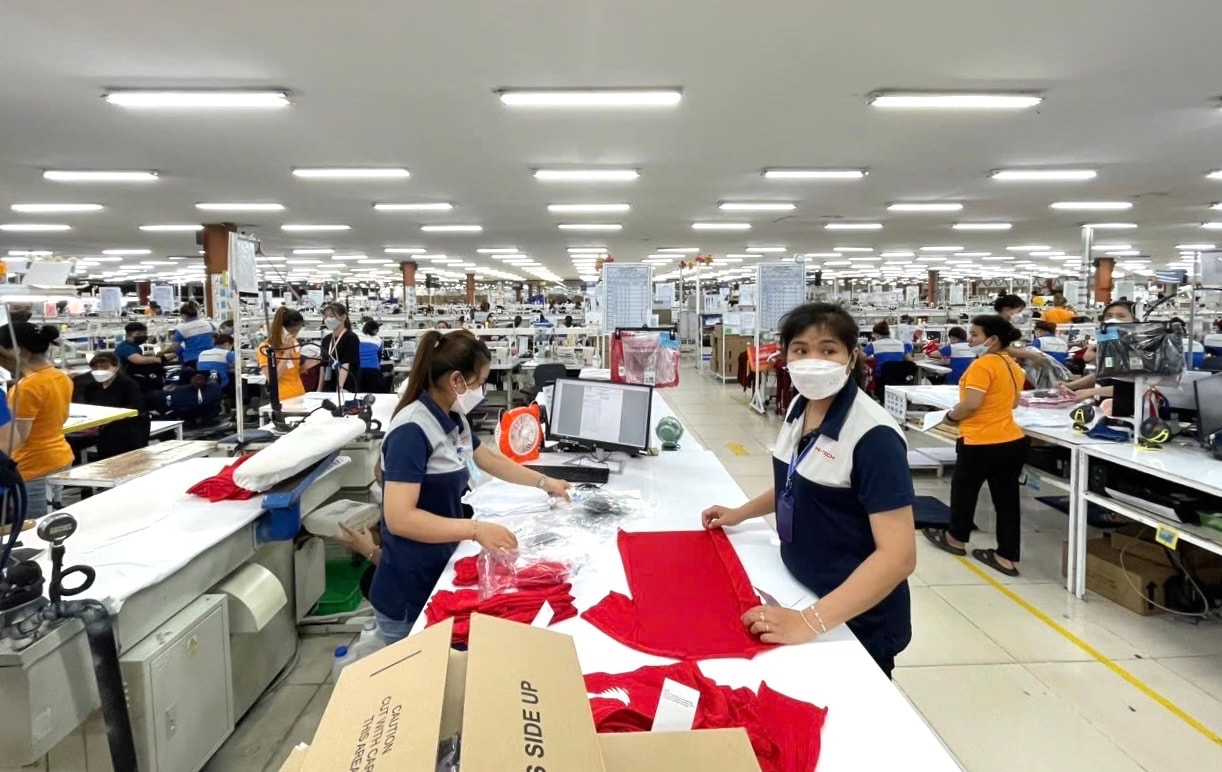
According to Mr. Duong Minh Duc, Director of the Department of Industry and Trade of Gia Lai province, Gia Lai has put 46 out of 99 industrial clusters into operation. The development of these clusters generates approximately 20% of the province's total industrial production value; accounts for 35% of the province's total export turnover; creates jobs for over 26,800 workers; and generates an average industrial production value of 30 billion VND per hectare of industrial land... This clearly demonstrates the driving role of industrial clusters in economic development. Another advantage of industrial clusters is the creation of production chains for related and specialized industries, especially in the supporting industries sector.
Focus on expansion
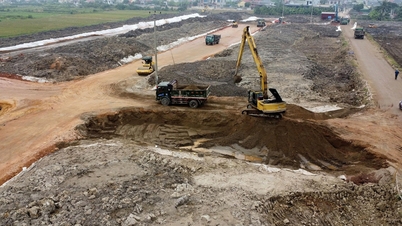
Ms. Le Thi Kim Phuong stated that Da Nang's industry and trade sector is focusing on completing the infrastructure of industrial clusters to serve production and urgently carrying out related procedures to bring the Cam Le and Hoa Lien industrial clusters into operation. They are also urging the acceleration of land clearance for the Hoa Khanh Nam industrial cluster to facilitate the selection of investors for the construction of the cluster's technical infrastructure; and monitoring and urging investors to expedite progress for the Hoa Nhon industrial cluster.
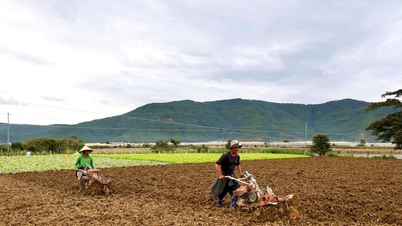
Suggesting solutions for industrial cluster development, Mr. Duong Minh Duc argued that industrial clusters should be planned with a reasonable area of about 50-75 hectares to exploit economies of scale and facilitate attracting investors to build the industrial cluster's technical infrastructure. At the same time, priority should be given to attracting specialized, smart, ecological industrial clusters, and industrial clusters linked to agricultural-industrial hubs.
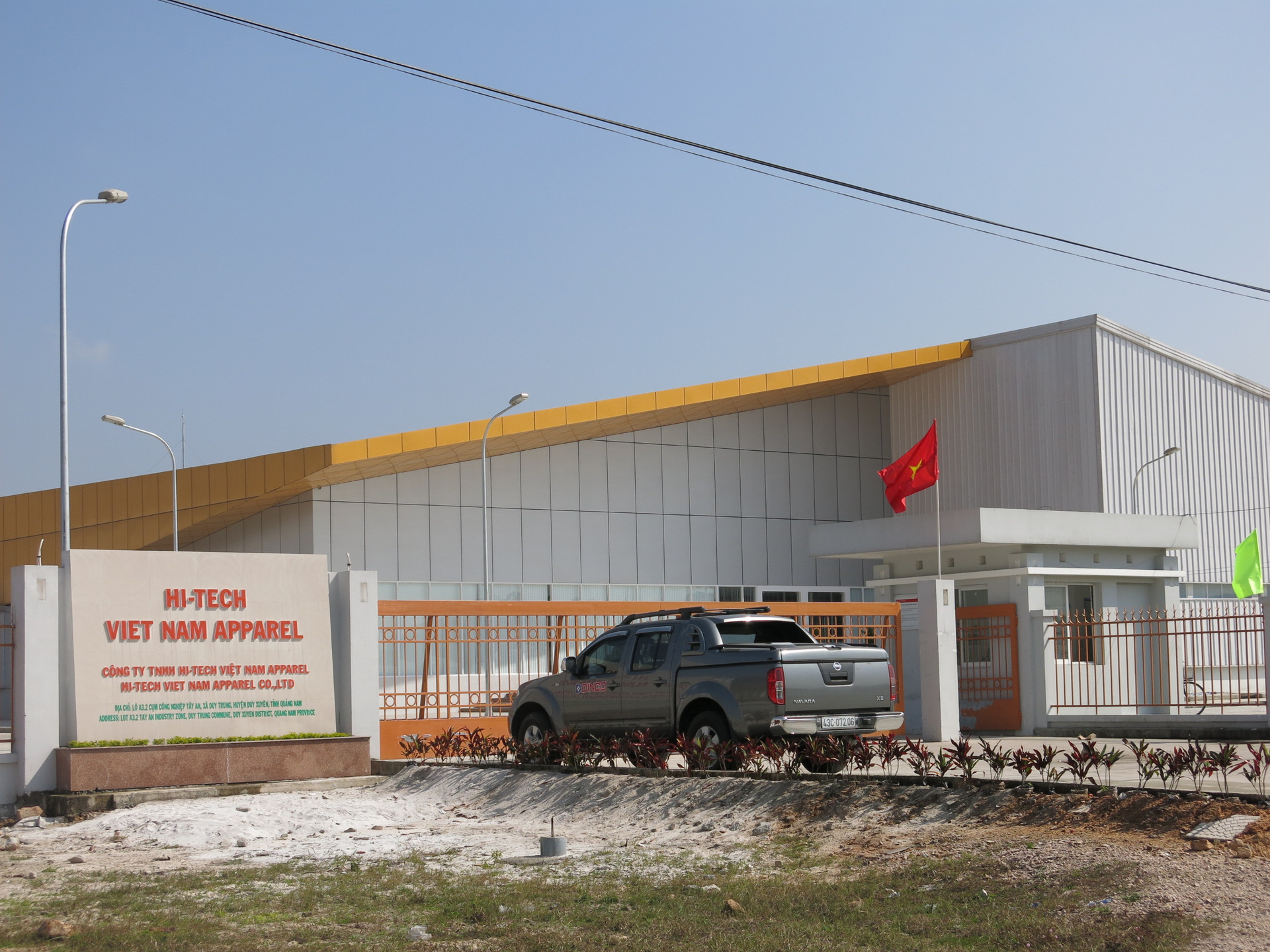
A current issue is that while the industrial cluster planning for provinces and cities in the Central and Central Highlands regions is basically complete, the percentage of industrial clusters with operational centralized wastewater treatment systems remains low, at only 24% (67 out of 279 industrial clusters). This indicates a significant need for investment in improving technical infrastructure, especially environmental infrastructure. Da Nang City, in particular, aims to have approximately 50% of its industrial clusters equipped with standardized centralized wastewater treatment systems by 2030.
According to Deputy Minister of Industry and Trade Nguyen Hoang Long, localities in the region need to continue implementing Government Decree No. 32/2024/ND-CP dated March 15, 2024, on the management and development of industrial clusters in provinces and cities. This includes reviewing and adjusting industrial cluster development plans to suit investment needs and sustainable industrial development orientations, focusing on attracting investment in synchronous infrastructure, attracting clean industry and supporting industry projects; and encouraging businesses to invest in local raw material sources to serve processing industries, thereby increasing competitiveness.
By 2026, the goal is to achieve a regional Industrial Production Index (IIP) of over 10%.
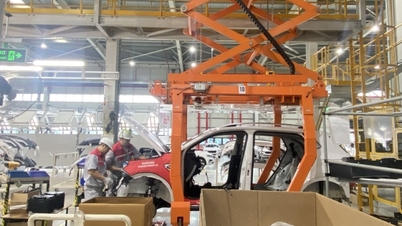
According to data compiled by the industry and trade sector in the Central and Central Highlands regions, the industrial production index (IIP) in 2025 for 6 out of 11 provinces and cities is expected to achieve double-digit growth, with Nghe An (17.5%), Thanh Hoa (15%), Quang Ngai (12.9%), Hue (13.5%), Dak Lak (12%), and Gia Lai (10%). Key industries such as mechanical engineering, automotive, energy, agricultural, forestry and aquatic product processing, construction materials, textiles, and electronics continue to make significant contributions to overall growth. The goal for the industry and trade sector in the region in 2026 is to bring the IIP index to over 10%.
Source: https://baodanang.vn/phat-huy-vai-role-cum-cong-nghiep-3314734.html



















































































Comment (0)