

Innovation and entrepreneurship are new drivers for sustainable growth and development.
The 9th Global Young Parliamentarians Conference, held from September 14-17, focused on three main themes: Digital Transformation; Innovation and Entrepreneurship; and Promoting Respect for Cultural Diversity for Sustainable Development.
Speaking at the thematic session on "Digital Transformation," delegate Pham Trong Nghia, a full-time member of the National Assembly's Social Affairs Committee, highlighted the rapidly changing and complex global socio -economic context, posing numerous challenges such as the disruption of global supply chains, the depletion of raw materials, the increasing number of businesses downsizing or permanently closing; the aging population, food shortages, resource pollution, and the control of artificial intelligence development... All these challenges require not just the efforts of an individual, a group, or a single nation, but a unified mindset and action from the entire world.
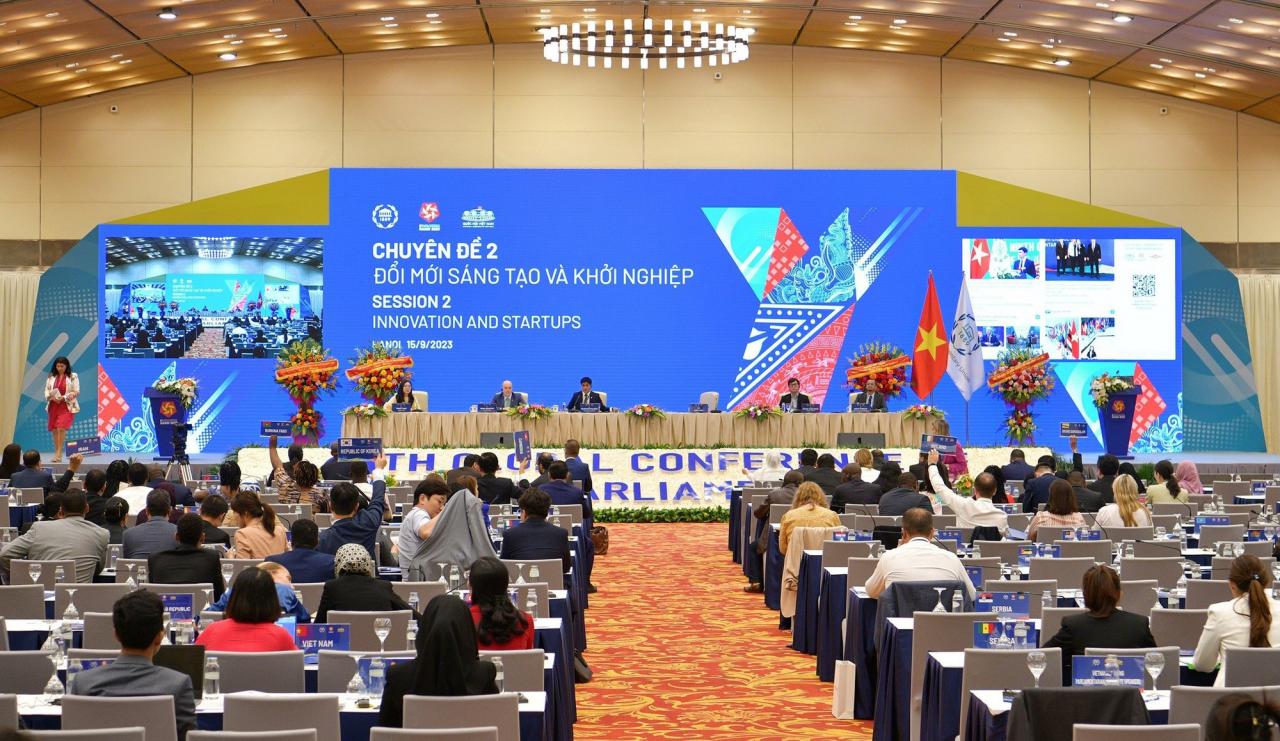
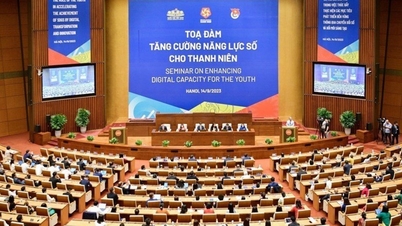
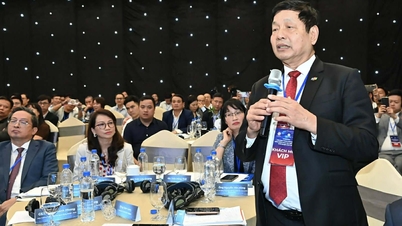
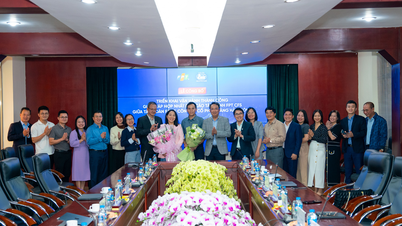
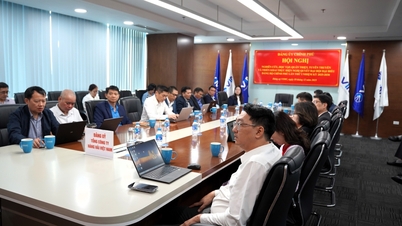
Overview of Session 2 of the 9th Global Young Parliamentarians Conference, themed "Innovation and Entrepreneurship".
In this context, on the one hand, science and technology and innovation policies create an environment that encourages the creation of new solutions and tools for human development and socio-economic development; on the other hand, they also create a suitable framework for balanced and sustainable development. Delegates emphasized that innovation and entrepreneurship play a crucial role in the current context, serving as a new driving force for sustainable growth and development.
In Vietnam, the number of innovative startups is currently increasing (approximately 3,000). Vietnam ranks 48th out of 132 countries and economies in the Global Innovation Index (GII), holding the 4th position in Southeast Asia; Vietnam's startup ecosystem ranks 54th globally and 10th in the Asia-Pacific region. Vietnam currently has more than 1,400 organizations capable of supporting startups, including 196 co-working spaces, 69 business incubators, and 28 business accelerators. The number of venture capital funds that consider Vietnam a target market or operate in Vietnam is currently 108, of which 23 funds have Vietnamese legal entities. These are testaments to a young, dynamic Vietnam with a spirit and determination for entrepreneurship and innovation that is recognized by the international community.
Many policies and guidelines have been issued to encourage innovation and entrepreneurship.
Representative Pham Trong Nghia stated that the development of innovation and entrepreneurship in Vietnam started strongly in 2016. The Vietnamese National Assembly has enacted new laws and amended and supplemented many laws such as: the Law on Technology Transfer, the Law on Supporting Small and Medium-Sized Enterprises, the Law on Investment, the Law on Intellectual Property... The Prime Minister issued the "National Innovation and Entrepreneurship Ecosystem Support Scheme until 2025". This clearly demonstrates the policy of encouraging innovation and entrepreneurship, attracting and effectively utilizing investment resources for science, technology and innovation.
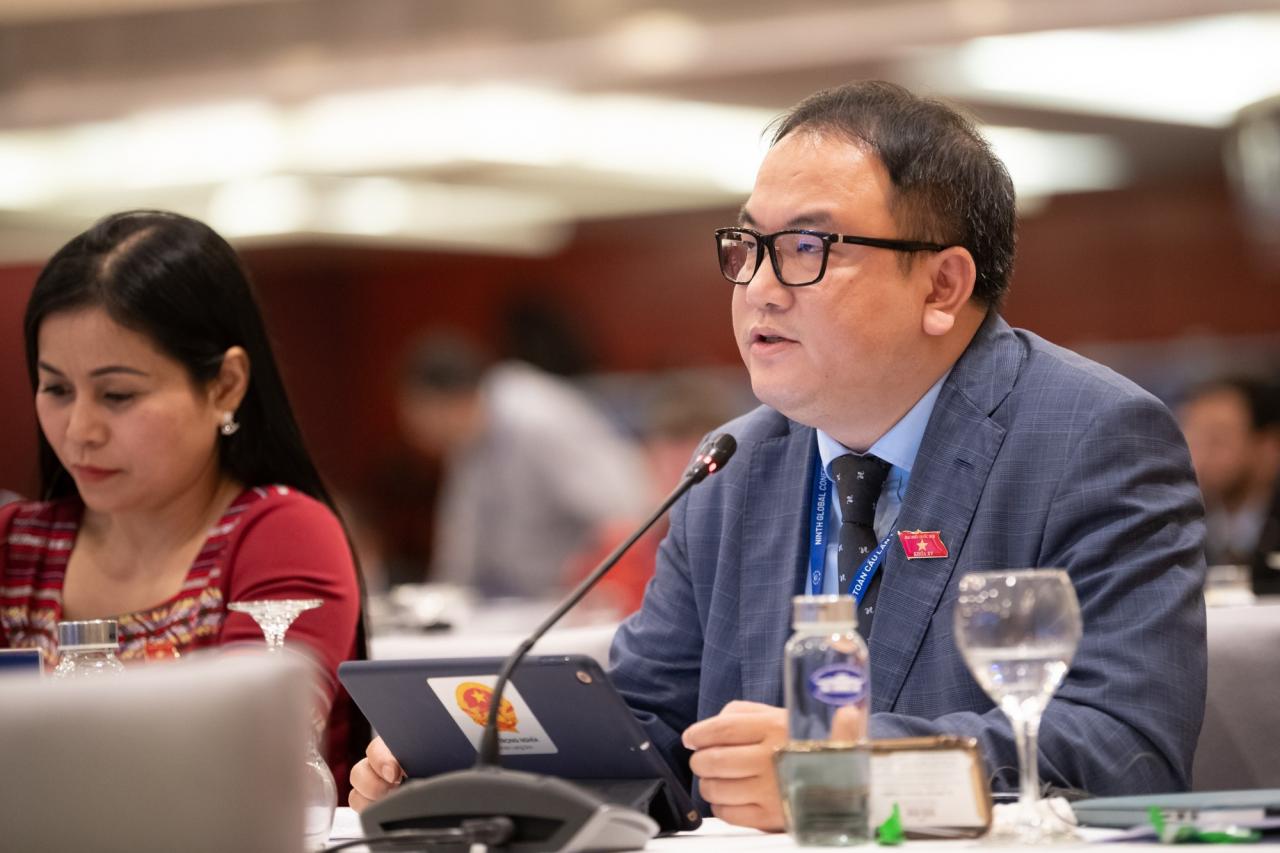
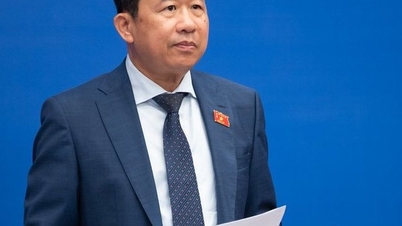
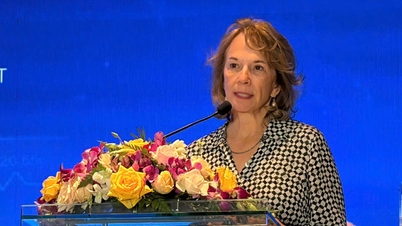
Representative Pham Trong Nghia, full-time member of the Social Affairs Committee of the National Assembly.
A system of innovation and startup centers has been and is being formed; with more than 20 provinces and cities developing projects and plans to establish and create models of innovation and startup centers. 60 out of 63 provinces and cities have implemented activities to build local innovation and startup ecosystems to exploit areas where Vietnam has strengths such as agriculture, education, and information technology.
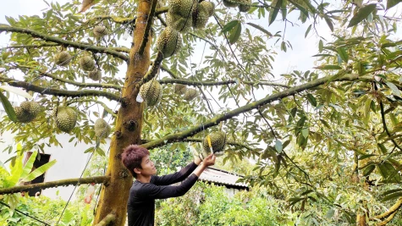
Vietnam is particularly focused on developing a modern, innovative, and creative agricultural sector, aiming to become one of the leading centers for supplying high-quality food. In 2022, with significant efforts in applying science and technology and innovation, the agricultural sector achieved impressive results: in crop production, rice output reached over 42.66 million tons, with exports of nearly 7.2 million tons (the highest in recent years), generating $3.49 billion in rice exports; seafood exports reached a record high of nearly $11 billion, the highest ever; in forestry, exports of forestry products reached $17 billion, with an estimated trade surplus of $14.1 billion. These figures demonstrate the abundant potential for innovation in the field of food technology (also known as Foodtech), a tool that actively contributes to achieving Sustainable Development Goals and addressing food security issues.
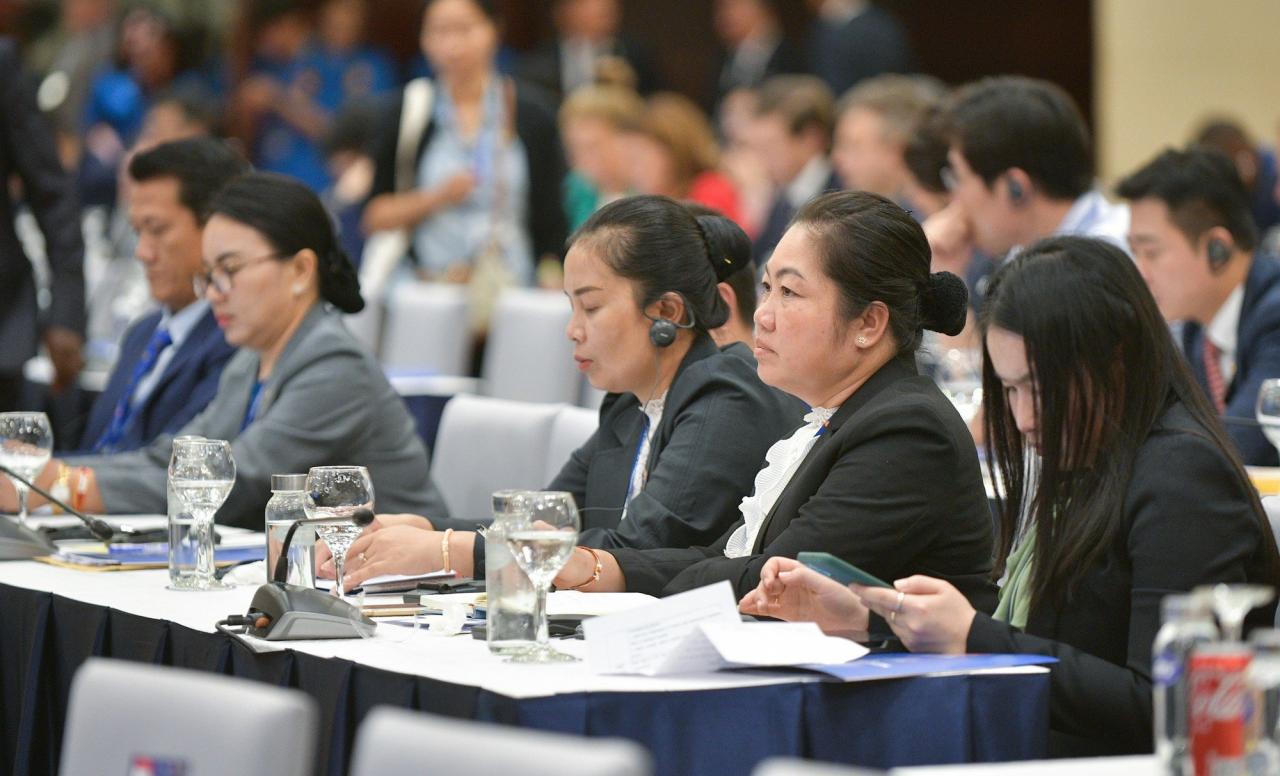
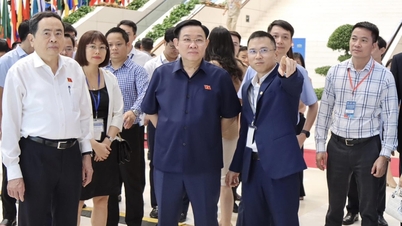
Conference delegates
The innovation and startup ecosystem in the agricultural and food technology sectors in Vietnam is also following global trends, with many innovative solutions and businesses, particularly in exploiting local resources, enhancing the value of agricultural products, and creating new products and services. In addition, we have observed a trend of large enterprises and corporations in Vietnam paying more attention to Environmental, Social, and Governance (ESG) standards, and becoming more deeply involved in innovation and entrepreneurship for sustainable development.
完善 legal system, creating a favorable legal framework for innovation.
As young parliamentarians representing legislative bodies worldwide, and working together to promote entrepreneurship and innovation globally, delegate Pham Trong Nghia put forward several specific proposals. Specifically, he suggested that parliaments should continue to build and improve the legal system, creating a favorable legal framework for innovation, transfer, application, and development of science and technology; support innovation and entrepreneurship models (sandbox); and, in particular, respect, encourage, and convey a mindset of partnership and support for stakeholders in innovation and entrepreneurship in the development and implementation of policies and laws. He proposed that IPU members consider establishing a global network of young parliamentarians on innovation to work alongside governments in perfecting the legal framework to better support sustainable development through innovation.
Develop initiatives, activities, and organizations with the capacity to connect and support innovation and entrepreneurship across multiple countries, encouraging and supporting projects and businesses that practice innovation and entrepreneurship. This will create a good training and practice environment for future human resources in science, technology, and innovation, aiming for sustainable development.
The core of innovation and entrepreneurship must be defined as people, especially the younger generation. Policies should aim to promote and encourage entrepreneurial and innovative activities among young people and students. Strengthening training and career guidance in the food technology sector is crucial to preparing a high-quality workforce to meet the industry's rapid development.
quochoi.vn




















![[Video] The craft of making Dong Ho folk paintings has been inscribed by UNESCO on the List of Crafts in Need of Urgent Safeguarding.](https://vphoto.vietnam.vn/thumb/402x226/vietnam/resource/IMAGE/2025/12/10/1765350246533_tranh-dong-ho-734-jpg.webp)


















































Comment (0)