

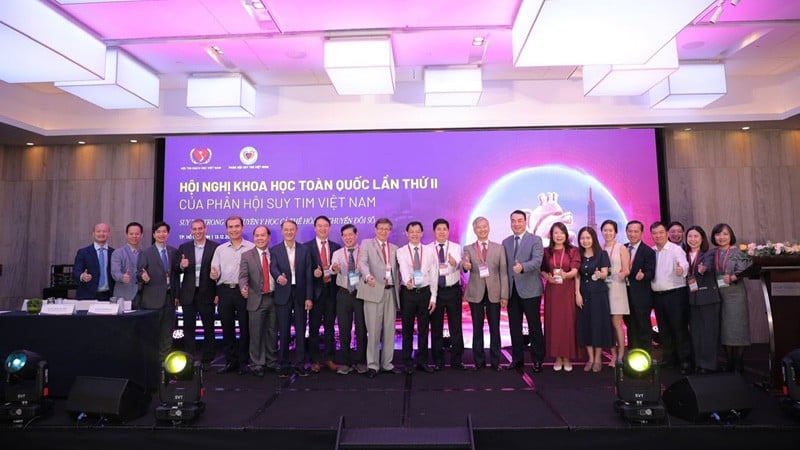
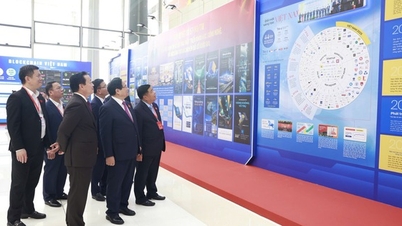
According to Professor, Doctor Do Doan Loi, Vice President of the Vietnam Cardiology Association and President of the Vietnam Heart Failure Sub-Association, the conference brought together leading experts in the fields of cardiology, metabolic diseases, and biomedical data science . This was an important forum to update the latest domestic and international advances in the diagnosis, treatment, and management of heart failure, and to share experiences in implementing modern treatment models in Vietnam.
At the conference, the organizing committee conducted 15 thematic scientific sessions and three satellite sessions, with nearly 120 selected reports from more than 100 speakers and experts from research, examination, and treatment units nationwide.
The content focuses on specialized areas such as: Epidemiology of heart failure and risk factors in Vietnam, updates on the disease context and burden of heart failure in the community; heart failure and comorbidities such as chronic kidney disease, obesity, diabetes, metabolic disorders - factors that complicate prognosis and require a multidisciplinary approach; HFpEF/HFrEF 2025 heart failure types - the latest updates on diagnostic criteria, risk stratification, and individualized treatment optimization; acute heart failure: early identification and management of the prognostic critical phase; optimal and individualized therapies based on phenotypic characteristics, risk stratification, and treatment response of each patient; cardiovascular devices and therapies for managing severe heart failure and arrhythmias in heart failure management...
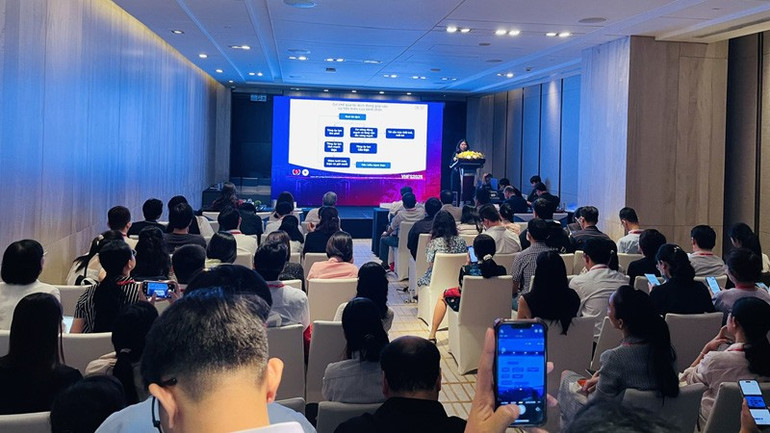
Professor, Doctor Do Doan Loi added that, in addition to the above-mentioned topics, the specialized courses also address molecular biology, genetics, and biomarkers, helping to gain a deeper understanding of the pathogenesis and support the prediction of heart failure risk due to coronary artery disease and optimized treatment strategies, especially in patients with complex lesions; the use of artificial intelligence (AI), big data, and digital transformation in heart failure management, including remote monitoring, event prediction, and clinical decision support; the application of AI and big data in heart failure prognosis; the development of a Vietnamese National Database on heart failure to improve the quality of diagnosis, treatment, and management of heart failure and to develop scientific research, training, and international cooperation; and an early warning system to reduce hospital admissions.
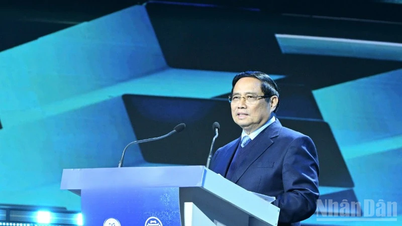
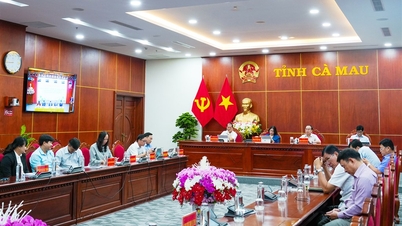
Speaking at the conference, Deputy Minister of Health Nguyen Tri Thuc highly appreciated the conference's theme, noting that it aligns perfectly with global trends and the healthcare sector's digital transformation initiative. He also strongly supported the proposal to build a national database on heart failure, expanding it beyond just a few dozen centers to include hundreds of hospitals, cardiovascular centers, and public and private clinics nationwide.
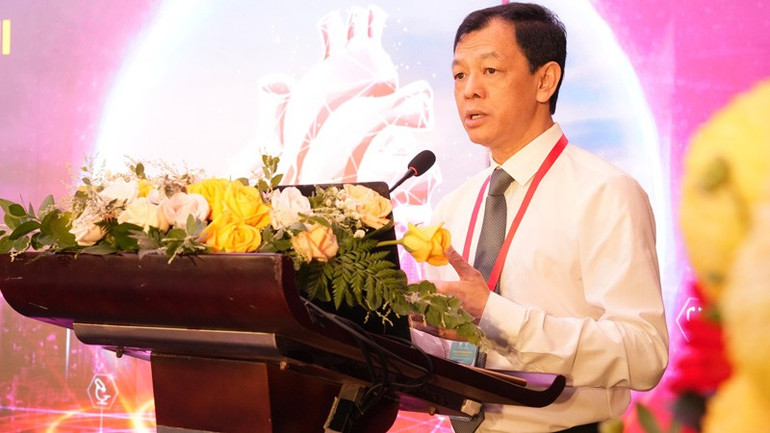
" The Ministry of Health is currently developing 12 specialized medical databases, aiming for comprehensive management from professional expertise to system operation. Based on scientific consensus from specialized conferences such as the heart failure conference, the Ministry of Health will consider issuing unified guidelines for the diagnosis and treatment of acute and chronic heart failure nationwide. In this regard, the Ministry of Health emphasizes the role of primary healthcare, especially doctors at health stations, in managing chronic diseases such as heart failure. Therefore, training, updating knowledge, and professional collaboration between the primary and specialized levels are considered key factors in improving the quality of patient care," Deputy Minister Nguyen Tri Thuc shared.
.
Source: https://nhandan.vn/de-cao-vai-role-cua-y-te-co-so-trong-quan-ly-benh-suy-tim-post930088.html















































































Comment (0)