A week before the Lunar New Year holiday, the Department of Physical Education and Sports received a reminder and criticism from the Ministry of Culture, Sports and Tourism for its slow handling of the controversy surrounding the National Gymnastics Team. This is a lingering blemish on Vietnamese sports that has persisted from the end of 2023 into the new year of 2024 and still shows no sign of ending.
However, this is not just a sad story stemming from mismanagement. From other perspectives, the story of athletes sharing prize money with coaches as an "unwritten rule" prompts reflection from those both inside and outside the sports industry. There, a fine line lies between sharing and embezzlement.
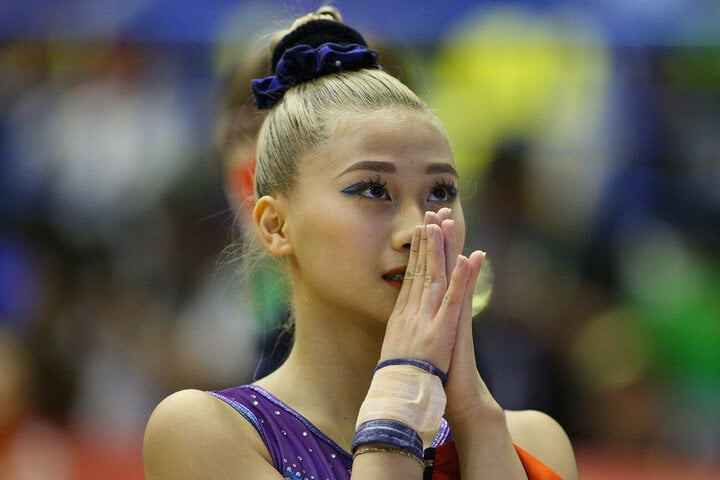
Athlete Pham Nhu Phuong accuses coach of "withholding prize money".
Speaking to VTC News, a coach recounted a disheartening experience of being excluded from the list of recipients of awards from his local organization during a ceremony honoring achievements. Besides the certificates and rewards stipulated by the state from his employing organization, this coach received no other recognition for his students' high achievements in international competitions, even though he himself was a member of the national team.
The athletes offered to donate some of their personal prize money to the coach who had trained them for many years, starting from their youth. However, the coach firmly refused.
Perhaps in many other sports, the so-called "unwritten rule" regarding how coaches and athletes share prize money is formed in a similar way. The work of coaches is often seen as a silent contribution, and it's understandable that when they are honored, they are not recognized as much as the main figures – the athletes.


Often, coaches don't demand a share of the money from their athletes – something both considered inappropriate and against regulations – but the students themselves want to share with their teachers. They choose to return gifts as a token of gratitude. This "unwritten rule" becomes a lighthearted story, and everyone feels comfortable with it.
In any sport, achieving success requires a whole system behind the athletes. This includes the coaching staff, leaders, support personnel, and even those "silent" individuals who act as sparring partners during training.
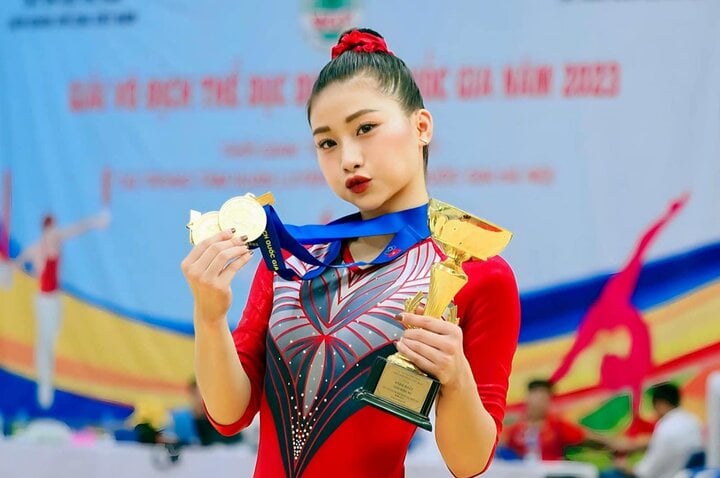
The story of athlete Pham Nhu Phuong has prompted the sports industry to reflect on the "unwritten rules" regarding the distribution of prize money.
Mr. T. (name changed) - a former communications officer for a professional football team - recounted the story of receiving a year-end bonus of... a few hundred thousand dong. Because the club had no other mechanism, the remaining members decided to pool their money and give it to Mr. T. as a thank you for "enduring the sun and rain to keep up with the players' training and match schedules."
In some other V.League clubs, the coaching staff and players have set their own rules to allocate a separate portion of the bonus money (given by the club's leadership and sponsors after each win) to thank the support staff and office workers. This is a voluntary fund.
There would be no controversy if that act of sharing hadn't been distorted. It's good that athletes want to thank their coaches, but there's nothing to criticize if they don't. However, the story takes a very different turn when coercion is involved. The line between "sharing" and "embezzlement" lies in the thoughts, feelings, and transparency of the money.



How can we prevent sharing from turning into exploitation?
There's only one way to resolve this: things shouldn't be just "understood," they should be clear from the start and transparency should be enhanced. Athletes have the right to choose not to follow these "unwritten rules." They – the rightful recipients of the prize money – must have the right to decide.
Mai Phuong
Source

![[Image] A look back at the capital's preparations for the century-long master plan.](https://vphoto.vietnam.vn/thumb/1200x675/vietnam/resource/IMAGE/2026/06/29/1782750453122_quy-hoach-100-nam-minh-duy-1-2118-jpg.webp)
![[Photo] General Secretary and President To Lam works with the Party Committee of the Government on the work of preventing and combating storms, floods, extreme natural disasters and climate change.](https://vphoto.vietnam.vn/thumb/1200x675/vietnam/resource/IMAGE/2026/06/29/1782729441945_a1-bnd-0385-9454-jpg.webp)