

The EVFTA has weathered many "headwinds" for both Vietnam and the European Union (EU), such as the Covid-19 pandemic and geopolitical changes.
 |
| To date, the EVFTA agreement has basically achieved its objectives in promoting overall relations between the two sides. (Source: VGP) |
On August 1, 2020, the Vietnam-EU Free Trade Agreement (EVFTA) officially came into effect. This is a new generation, high-standard, and comprehensive free trade agreement (FTA) that the EU has signed with a developing country in the Asia -Pacific region.
After four years of implementation (2020-2024), the EVFTA, along with Vietnam and the EU, has weathered many "headwinds," such as the Covid-19 pandemic severely impacting global supply chains and geopolitical changes. Nevertheless, the trade achievements during this period have become a highlight in the economic cooperation between the two sides.
To date, the EVFTA agreement has essentially achieved its objectives in promoting overall relations between the two sides. The EU has become Vietnam's fourth largest trading partner, and conversely, Vietnam has become the country with the largest market share among ASEAN countries exporting to the EU.
The greatest "glory"
According to the Multilateral Trade Policy Department (Ministry of Industry and Trade), among the new generation FTAs that Vietnam has participated in, the EVFTA is the agreement that has yielded the most positive results.
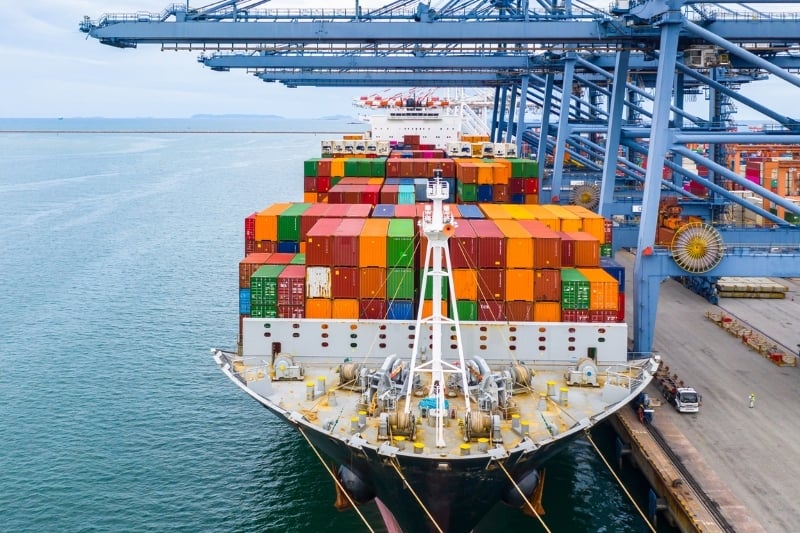
Four years after the EVFTA came into effect, trade has been seen as a major "highlight" between the two sides. In those four years, Vietnam's export turnover to the 27-member bloc is estimated to have reached approximately $200 billion, representing a growth of 12% to 15%.
In July 2024 alone, Vietnam's trade surplus with the EU was estimated at US$20.1 billion, an increase of 19.4% compared to the same period in 2023; exports increased by 15.8%; and imports increased by 8.7%. The 27-member bloc is among Vietnam's top 6 largest export and import markets.
The latest figures from the General Department of Customs show that in the first half of 2024, exports to most key markets in the EU increased compared to the same period in 2023.
Of these, the Netherlands was the largest export market, reaching over $6.14 billion, accounting for 24.88% of total goods exports to the EU, an increase of 27.12% compared to the same period in 2023. This was followed by Germany with nearly $3.82 billion, accounting for 15.46%, an increase of 3.27%; and Italy with nearly $2.53 billion, accounting for 10.23%, an increase of 9.23%…
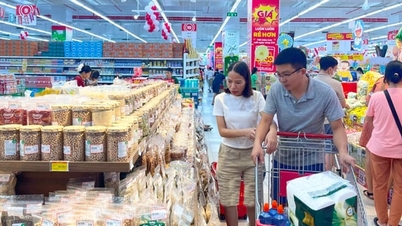
Conversely, thanks to the EVFTA "highway," Vietnamese consumers have increasing opportunities to access a diverse range of high-quality goods from Europe at more reasonable prices. Import tariffs for many products from Europe into Vietnam are gradually decreasing to 0% as committed under the Agreement.
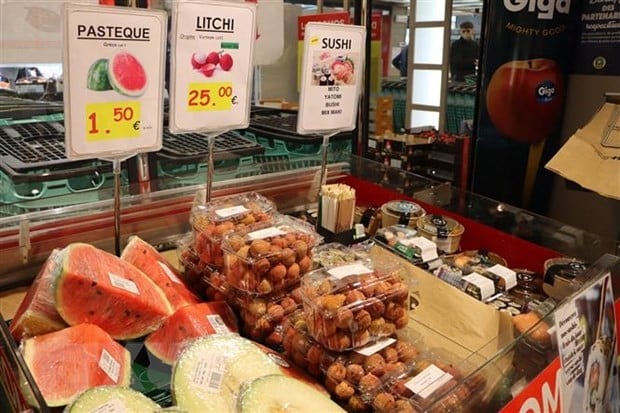 |
| Vietnamese lychees are on display at the Carrefour Tongres supermarket in Brussels. (Source: VNA) |
More than just commercial benefits...
With the EVFTA, Vietnam becomes one of only two ASEAN countries (along with Singapore) to have a free trade agreement with the EU.
Beyond commercial benefits, the Agreement contributes to strengthening Vietnam's position as an attractive investment destination for European countries, helping to create a breakthrough in foreign direct investment (FDI) in Vietnam.
The Vietnam-EU Investment Protection Agreement (EVIPA), signed concurrently with the EVFTA, is still in the ratification process and has not yet been implemented, but FDI flows from the EU into Vietnam have accelerated significantly in recent years.
According to the Ministry of Planning and Investment, as of August 20, 2021, the EU had 2,240 active projects with a total registered capital of US$22.25 billion, accounting for 5.55% of the total registered FDI in Vietnam. The average project size of EU projects in Vietnam is US$9.9 million/project, lower than the overall average project size of US$11.7 million/project.
The EVFTA has contributed to the EU rising to sixth place among the largest FDI investors in Vietnam, with 28 billion Euros invested in 2,450 projects.
Notably, Vietnam has gained the trust of EU businesses in its economy and attracted over 800 million euros in investment in the first nine months of 2023 amidst a global decline in FDI.
By the end of the first half of 2024, the Netherlands was the largest investor among EU countries in Vietnam, with $14.56 billion for 441 projects.
Looking further ahead, with the Vietnamese government's increasingly open and comprehensive business policies, European businesses are showing growing confidence in the economy and investment environment of this Southeast Asian country.
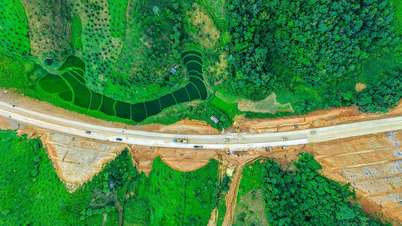
 |
| On the EVFTA "highway," both Vietnam and the EU still have many issues that need improvement. (Illustrative image. Source: Moit.gov) |
Let's overcome difficulties together!
Despite reaping many "sweet fruits," it cannot be denied that both Vietnam and the EU still have many issues to improve along the EVFTA "highway." For example, the export rate remains low, with Vietnamese goods accounting for only over 2% of the EU market. The utilization rate of preferential treatment by businesses is only slightly over 20%.
Mr. Luong Hoang Thai, Director of the Multilateral Trade Policy Department, also acknowledged that businesses face many difficulties in accessing the EU market due to numerous stringent standards related to product quality.
Furthermore, apart from foreign-invested enterprises, most Vietnamese businesses have not yet built their own brands or developed suitable strategies to enhance their brand recognition in the EU market. Some businesses have not fully and clearly understood the opportunities and advantages that the EVFTA offers. These limitations affect the ability of Vietnamese businesses to take advantage of the EVFTA's benefits to develop and expand their markets in Europe.
Meanwhile, the 27-member bloc is developing numerous new labor and environmental regulations to meet the growing demands of consumers. This process will have an impact on goods imported into the EU.
"Furthermore, the agreement will only be successful if Vietnam and the EU establish new supply chains and foster closer ties between businesses on both sides. EVIPA is a component of EVFTA, which was later separated for separate ratification, but to date, some EU countries are still in the process of completing domestic procedures and have not yet been able to implement it," Mr. Luong Hoang Thai stated.
Tran Ngoc Quan, Vietnam's Trade Counselor in Belgium and the EU, noted that the 27-member bloc is currently undergoing a strong transformation with strict regulations related to combating climate change, green transition, and deforestation.
To overcome the aforementioned challenges, Mr. Luong Hoang Thai proposed solutions such as:
Firstly, Vietnam is determined to continue improving its business environment through amendments and additions to domestic legal regulations and institutional reforms to build a transparent, favorable business environment that conforms to international standards and practices.
Secondly, maintain and expand activities to promote and disseminate information about the EVFTA through various forms such as organizing seminars, workshops, and disseminating information through books, magazines, publications, and electronic information websites to enhance businesses' understanding and awareness of the EVFTA.
Thirdly, Vietnam is cooperating with the EU to help businesses meet new EU regulations on labor, environment, and food safety and hygiene.
Fourth, the key point is the need to support businesses, including small and medium-sized enterprises, in improving technology and enhancing competitiveness.
Sharing the same view, Deputy Director of the Import-Export Department (Ministry of Industry and Trade) Nguyen Cam Trang recommended that businesses should proactively plan production, business, and delivery; proactively innovate production and business methods, innovate technology, and create high-quality products that better meet the requirements of the EU market.
As the EVFTA enters its fifth year of implementation, difficulties and challenges still lie ahead, awaiting the efforts of both governments and businesses to overcome them. Simultaneously, there remains significant room for both sides to fully utilize the benefits and reap the rewards of this historic agreement.
Source: https://baoquocte.vn/nhin-lai-4-nam-thuc-thi-evfta-duong-con-dai-hay-cung-nhau-buoc-tiep-282289.html

![[Photo] Prime Minister Pham Minh Chinh attends the Conference summarizing and implementing tasks of the judicial sector.](/_next/image?url=https%3A%2F%2Fvphoto.vietnam.vn%2Fthumb%2F1200x675%2Fvietnam%2Fresource%2FIMAGE%2F2025%2F12%2F13%2F1765616082148_dsc-5565-jpg.webp&w=3840&q=75)







































































Comment (0)