

In many cases, eye twitching is only transient and ends soon after. However, if eye twitching occurs frequently and continuously, it may be a sign that the body is deficient in nutrients.
Eye twitching, also known as blepharospasm, occurs when the muscles around the eye contract involuntarily. Although it affects the eye, the health problem it signals is not related to the eye itself. The cause may be a deficiency in a crucial nutrient, magnesium, according to the health website Healthline (USA).
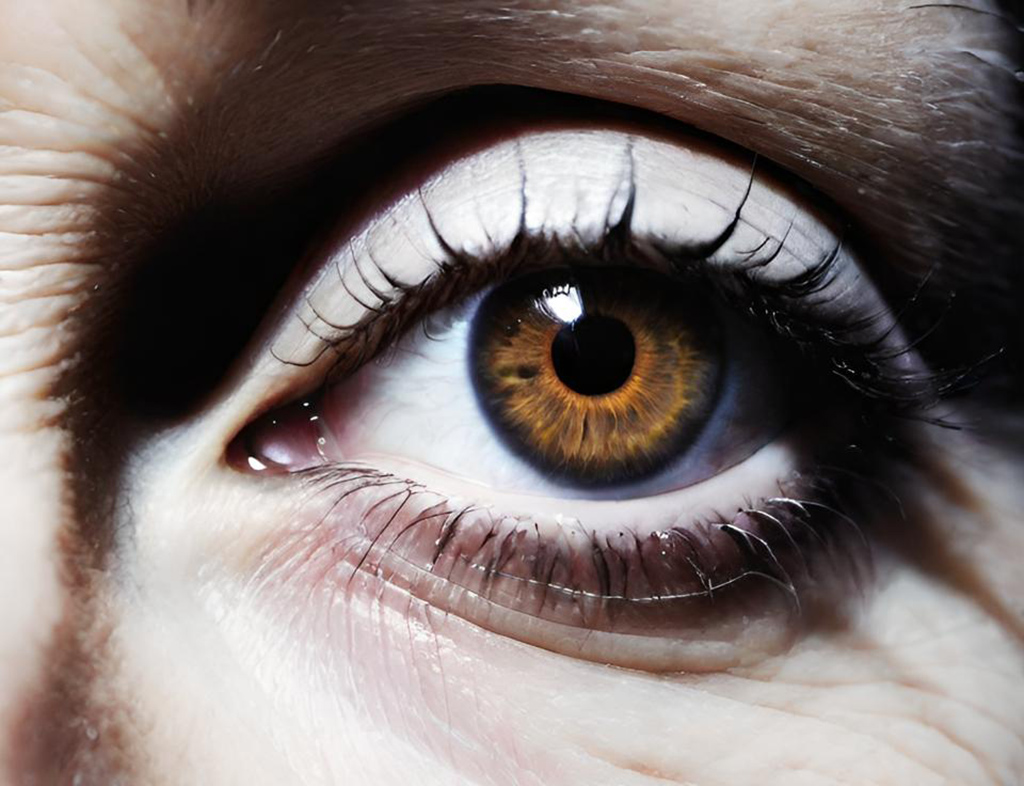
Nutritional deficiencies can cause eyelid twitching.
Magnesium deficiency causes eye twitching
Magnesium is an essential mineral for the functioning of muscles, bones, blood vessels, and the heart. It also helps regulate blood sugar. A magnesium deficiency can prevent the body from functioning optimally, leading to issues such as fatigue, muscle cramps, and difficulty managing chronic inflammatory conditions.
A study published in the journal Nutrients shows that magnesium deficiency can increase muscle spasms and cramps in older adults. Even those with severe magnesium deficiency may experience persistent muscle spasms in multiple parts of their body.
The eyelids are composed of muscles, tendons, and ligaments. Therefore, magnesium deficiency also affects the eyelids, causing them to twitch. Long-term magnesium deficiency can lead to recurrent episodes of eyelid twitching.
Although persistent eyelid twitching is a sign of magnesium deficiency, it's difficult for a person to know exactly how much magnesium they need to supplement. A blood test can help a doctor determine this precisely. However, this is sometimes not necessary. Supplementing with the recommended amount of magnesium will help the eyelid twitching disappear.
There are several ways to supplement magnesium. The first method, commonly used for those with magnesium deficiency, is to take magnesium supplements or medications. The second method is to eat magnesium-rich foods, such as nuts, beans, whole grains, salmon, leafy green vegetables, and bananas.
In fact, there are cases where eyelid twitching persists even after adequate magnesium intake. This could be due to excessive caffeine consumption, high stress levels, eye strain, or exposure to pollutants, according to Healthline .
Source: https://thanhnien.vn/giat-mat-lien-tuc-canh-bao-co-the-dang-thieu-chat-gi-185241207122611289.htm































![[Photo] Urgently help people soon have a place to live and stabilize their lives](/_next/image?url=https%3A%2F%2Fvphoto.vietnam.vn%2Fthumb%2F1200x675%2Fvietnam%2Fresource%2FIMAGE%2F2025%2F12%2F09%2F1765248230297_c-jpg.webp&w=3840&q=75)

































































Comment (0)