

Treatment with medication, laser, or surgery to lower intraocular pressure, and regular eye exams are key to early detection and preventing irreversible vision loss.
Root cause
Glaucoma, also known as Mesentery or Cataract, is a group of eye diseases that cause lifelong damage to the optic nerve. According to Dr. Nguyen Huu Dung, Director of Binh Tam Eye Hospital, Thanh Hoa, Glaucoma is the leading cause of permanent blindness in the world for people over 60 years old and is a major challenge in ophthalmology due to its silent progression.
Glaucoma occurs when the optic nerve, the structure that carries visual information from the eye to the brain, is damaged. The main cause of this condition is increased pressure within the eyeball (intraocular pressure). This pressure increases when the balance between the production and drainage of aqueous humor (fluid inside the eye) is disrupted. The buildup of aqueous humor puts pressure on the optic nerve, causing damage and gradual loss of vision.
Classification and origin of disease
Dr. Nguyen Huu Dung emphasized that clearly identifying the cause helps guide treatment:
Primary glaucoma: Formed by pressure buildup in the eye for no known specific cause. The most common is open-angle glaucoma, where the drainage system (trabecular meshwork) becomes gradually blocked.
Secondary glaucoma: Is a complication of other diseases. Diseases such as diabetes (causing neovascular glaucoma), untreated central retinal vein occlusion, mature cataracts, uveitis, eye trauma or long-term use of corticosteroids can all cause secondary glaucoma.
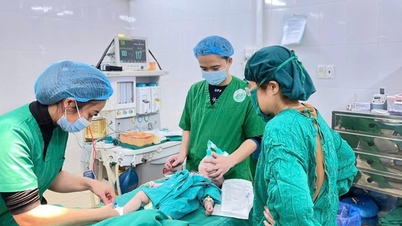
Congenital glaucoma : Children are born with a defect in the anterior chamber angle that slows or prevents the drainage of aqueous humor.
Symptoms by stage
Most people with open-angle glaucoma have no obvious symptoms in the early stages, causing patients to often come to the doctor when their vision has partially disappeared.
"Open-angle glaucoma is usually painless and does not cause vision changes at first. The main sign is usually loss of peripheral vision. At this point, the damage has already occurred and cannot be restored," Dr. Dung warned.
However, with acute angle-closure glaucoma, the symptoms are very clear and are an emergency:
- Severe eye pain and headache along with the painful eye
- Red and cloudy eyes.
- Sudden loss of vision, seeing halos around lights.
- Nausea and even vomiting.
- Patients do not respond or respond slowly to conventional pain relievers
With congenital glaucoma, signs such as cloudy eyes, frequent blinking, excessive tearing or sensitivity to light in children need special attention from parents.
Advanced diagnosis and treatment
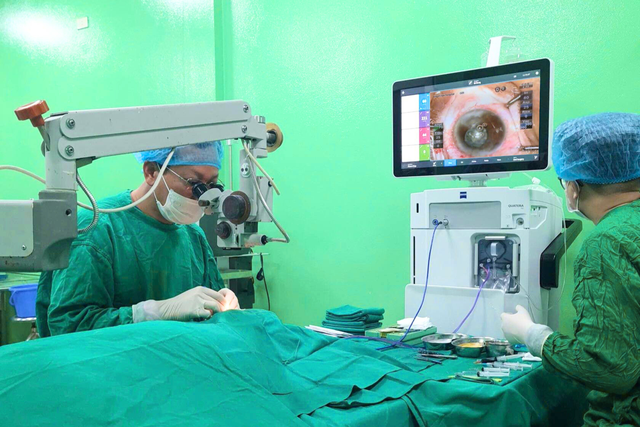
At Binh Tam Eye Hospital, modern techniques are applied along with a team of highly trained doctors, always a reliable address for patients.
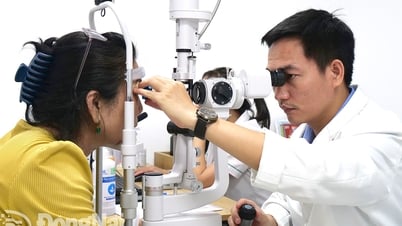
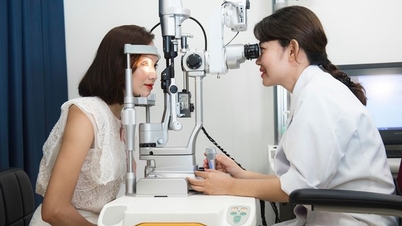
Diagnosing glaucoma requires a comprehensive eye examination and specialized tests. Dr. Nguyen Huu Dung and his team of doctors at Binh Tam Eye Hospital apply modern techniques to develop individualized treatment plans.
Accurate diagnosis
High intraocular pressure does not necessarily mean glaucoma, and vice versa. Therefore, diagnosis requires a combination of methods:
Tonometry (Measurement of pressure in the eye).
Dilated eye exam: Direct observation of the optic nerve.
Non-fluorescent fundus color photography
Optical coherence tomography (OCT): A noninvasive technique that provides detailed assessment of optic nerve damage and disease progression.
Modern treatment methods
The core goal of glaucoma treatment is to lower intraocular pressure to prevent progressive damage to the optic nerve while increasing the supply of nutrients to the eye. Damage that has occurred cannot be reversed, so timely treatment is crucial.
1. Drug treatment:
Eye drops are the first and most common treatment, aiming to reduce aqueous humor production or increase its drainage. Patients may be prescribed one or a combination of eye drops depending on the stage and progression of the disease.
Doctor Dung advised: "Patients need to strictly follow the dosage instructions. After instilling the drops, close your eyes for 1-2 minutes so that the medicine can penetrate the eyes better."
Oral medications (usually carbonic anhydrase inhibitors) are prescribed when eye drops are not effective enough to reduce fluid production in the eye, however these medications should not be used long term because of systemic side effects.
2. Surgery and Laser Therapy:
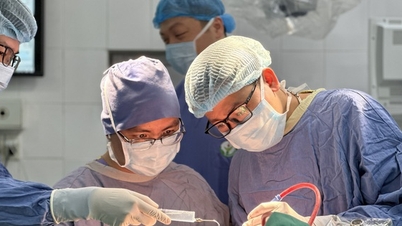
When medications fail to control eye pressure, surgical intervention is necessary:
Laser Therapy: Includes trabeculoplasty or iridotomy, which helps improve aqueous drainage.
Fistula Surgery: (Trabeculectomy) creates a direct drainage route from inside the eyeball to the outside.
Minimally invasive glaucoma surgery (MIGS): Advanced, less risky procedures, often combined with cataract surgery, help drain excess fluid.
Dr. Dung said: "MIGS is an important step forward, helping patients recover more quickly after surgery, especially when combining glaucoma treatment with other diseases such as cataracts."
The importance of disease prevention and management
Glaucoma tends to be hereditary (up to 50% of primary glaucoma cases have a family history of the disease). Therefore, people with a family history of the disease need to be screened more often.
"Glaucoma is hereditary. If a blood relative has the disease, your risk can increase nine times. Knowing your family history and having regular check-ups are proactive measures of protection," Dr. Dung recommends.

Dr. Nguyen Huu Dung, Director of Binh Tam Eye Hospital, an ophthalmologist with over 20 years of experience, has been awarded a Certificate of Merit by the Prime Minister for his contributions to the fight against blindness. Under the leadership of Dr. Dung, the hospital has made great strides in both expertise and strategic investment orientation, creating momentum for continued success.
According to Dr. Nguyen Huu Dung, Director of Binh Tam Eye Hospital, anyone over 40 years old, or with risk factors (diabetes, family history, previous eye injuries), needs to have regular comprehensive eye examinations at reputable facilities to promptly detect the disease at the asymptomatic stage. Use eye drops as prescribed, even if you feel your vision is normal, because interrupting treatment can cause the disease to progress rapidly. Wear eye protection when playing sports or doing work with a high risk of injury.
"Glaucoma, especially open-angle glaucoma, is an incurable disease, but treatment and regular check-ups can help slow or prevent vision loss. Patients need to see glaucoma as a condition that needs to be managed for life, through close cooperation with ophthalmologists to protect their "windows to the soul", Dr. Dung emphasized.
Khanh Linh
Source: https://suckhoedoisong.vn/glacom-benh-ly-than-kinh-nguy-hiem-phat-hien-som-va-chien-luoc-dieu-tri-tu-chuyen-gia-169251203090855647.htm



![[Photo] Parade to celebrate the 50th anniversary of Laos' National Day](/_next/image?url=https%3A%2F%2Fvphoto.vietnam.vn%2Fthumb%2F1200x675%2Fvietnam%2Fresource%2FIMAGE%2F2025%2F12%2F02%2F1764691918289_ndo_br_0-jpg.webp&w=3840&q=75)
![[Photo] Worshiping the Tuyet Son statue - a nearly 400-year-old treasure at Keo Pagoda](/_next/image?url=https%3A%2F%2Fvphoto.vietnam.vn%2Fthumb%2F1200x675%2Fvietnam%2Fresource%2FIMAGE%2F2025%2F12%2F02%2F1764679323086_ndo_br_tempimageomw0hi-4884-jpg.webp&w=3840&q=75)
















































































Comment (0)