

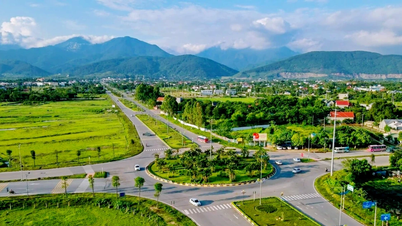
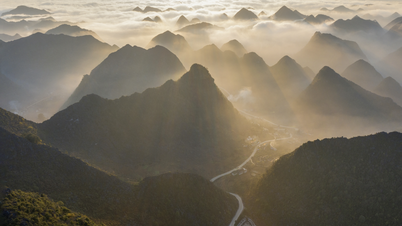
The Northern Midlands and Mountains region is of particular importance in terms of politics , economics, society, national defense, and security. It serves as the northern gateway to the country and plays a decisive role in the energy, water resources, and ecological environment of the entire Northern region.
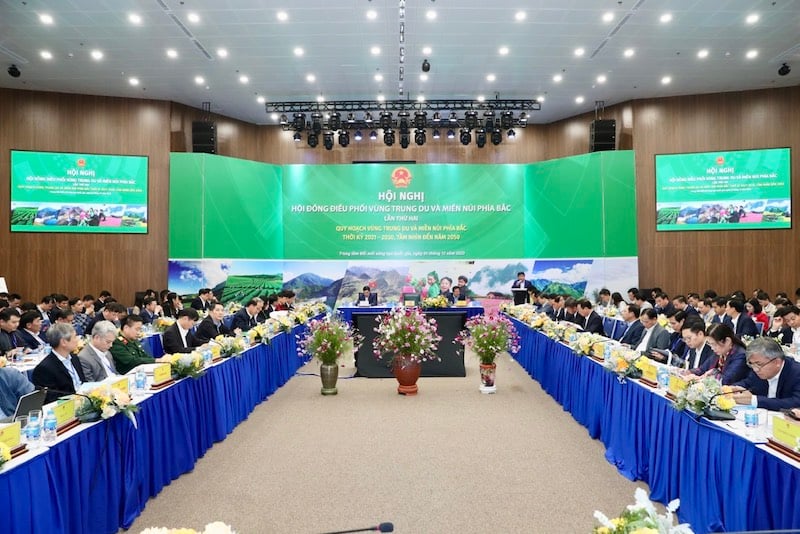
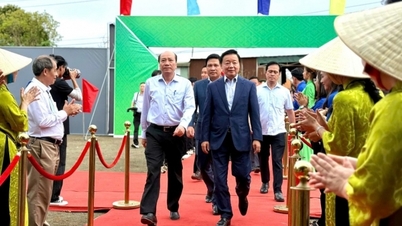
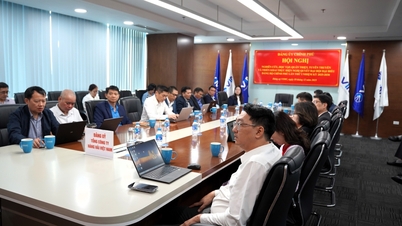
At the second meeting of the Northern Midlands and Mountainous Region Coordination Council held on December 1st, Minister of Planning and Investment Nguyen Chi Dung emphasized that the planning for the Northern Midlands and Mountainous region is a concrete step in implementing the National Master Plan, reflecting the major and fundamental orientations of national sectoral plans regarding the organization of development space. This will create new driving forces, potentials, and development spaces for the nation and the region, specifically manifested within the spatial scope of each locality.
"Opportunities include ethnic diversity, viewing this diversity as an advantage in the creative economy; trends in environmentally friendly development, green transformation, circular economy, and carbon credits; the shift of supply chains to Vietnam; the potential to attract investment in new industries due to upgraded partnerships; domestic and international tourism trends; as well as mechanisms and policies from the central government to promote infrastructure for development," the minister pointed out.
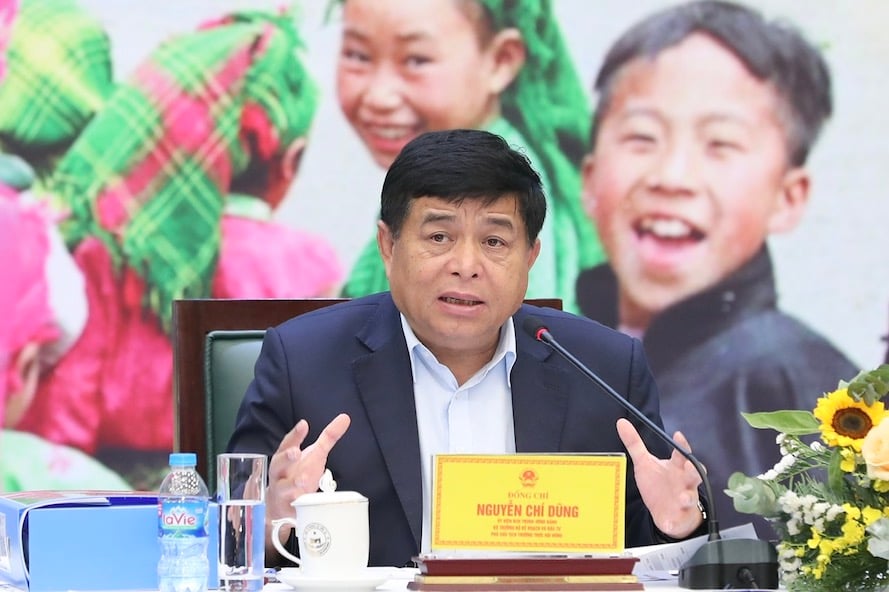
Mr. Nguyen Do Dung, representing the planning consultancy unit, assessed the Northern Midlands and mountainous region as a colorful picture, but with disparities in growth between regions. The three main bottlenecks currently are limited intra-regional and inter-regional linkages, large disparities in intra-regional development, and low quality of human resources.
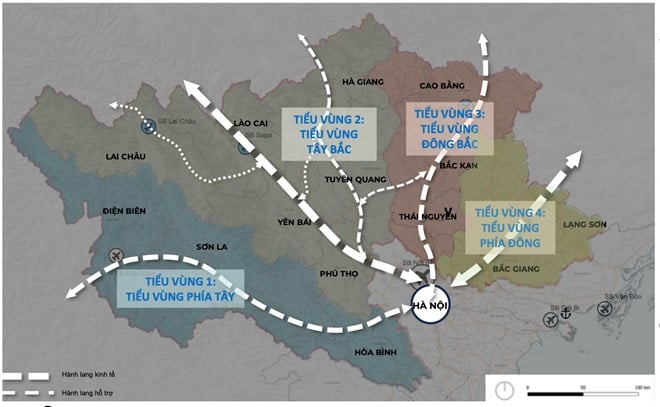
Based on his research, Mr. Nguyen Do Dung proposed the formation of four sub-regions to jointly develop socio-economic activities and share investments. This would increase coordination among localities for shared development, ensuring social welfare, developing shared infrastructure, protecting natural resources, and responding to natural disasters.
Specifically, sub-region 1 - the western sub-region (Dien Bien, Son La, Hoa Binh) will be a green growth area linked to sustainable agriculture, ecotourism, and clean energy. Hoa Binh will be the growth pole, and Son La will be the center for agricultural processing and social services.
Sub-region 2 - the Northwest sub-region (Lai Chau, Lao Cai, Ha Giang, Tuyen Quang, Yen Bai, Phu Tho) will be a major tourism area, a hub for economic and cultural exchange with Yunnan and the southwestern provinces (China). The two growth poles will be in Lao Cai and Phu Tho.
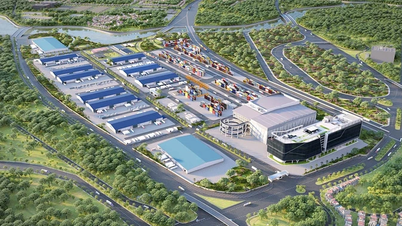
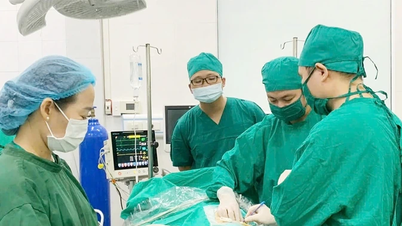
Sub-region 3 - the Northeast sub-region (Bac Kan, Thai Nguyen, Bac Giang, Cao Bang) is home to the region's industrial, educational, and medical centers, as well as preserving history and cultural heritage with potential for developing heritage tourism.
Subregion 4 - the Eastern subregion (Lang Son, Bac Giang) is a region with significant growth, an industrial center, and also boasts one of the most important international border crossings, playing a crucial role in connecting economic and cultural trade with Guangxi and other southern provinces of China.
Source




















![[Video] The craft of making Dong Ho folk paintings has been inscribed by UNESCO on the List of Crafts in Need of Urgent Safeguarding.](https://vphoto.vietnam.vn/thumb/402x226/vietnam/resource/IMAGE/2025/12/10/1765350246533_tranh-dong-ho-734-jpg.webp)











































Comment (0)