When concluding those policy decisions, one thing is very clear: institutions must lead the way, and take a sufficiently significant step ahead, to avoid hindering development. In this context, the draft resolutions discussed at this session of the National Assembly concerning localities in dynamic regions ( Hanoi , Da Nang) or the draft Resolution amending and supplementing some articles of Resolution No. 98/2023/QH15 on piloting some specific mechanisms and policies for the development of Ho Chi Minh City (Resolution 98) are not mechanisms exclusive to any one locality, but are part of the reform process that this term's National Assembly is undertaking.
This involves boldly decentralizing power, granting authority coupled with tasks, responsibilities, and checks and balances; unlocking resources without loosening discipline; and promoting development without deviating from the interests of the people and the nation. More broadly, the National Assembly is suggesting and offering opportunities for the entire country to operate a new development model.
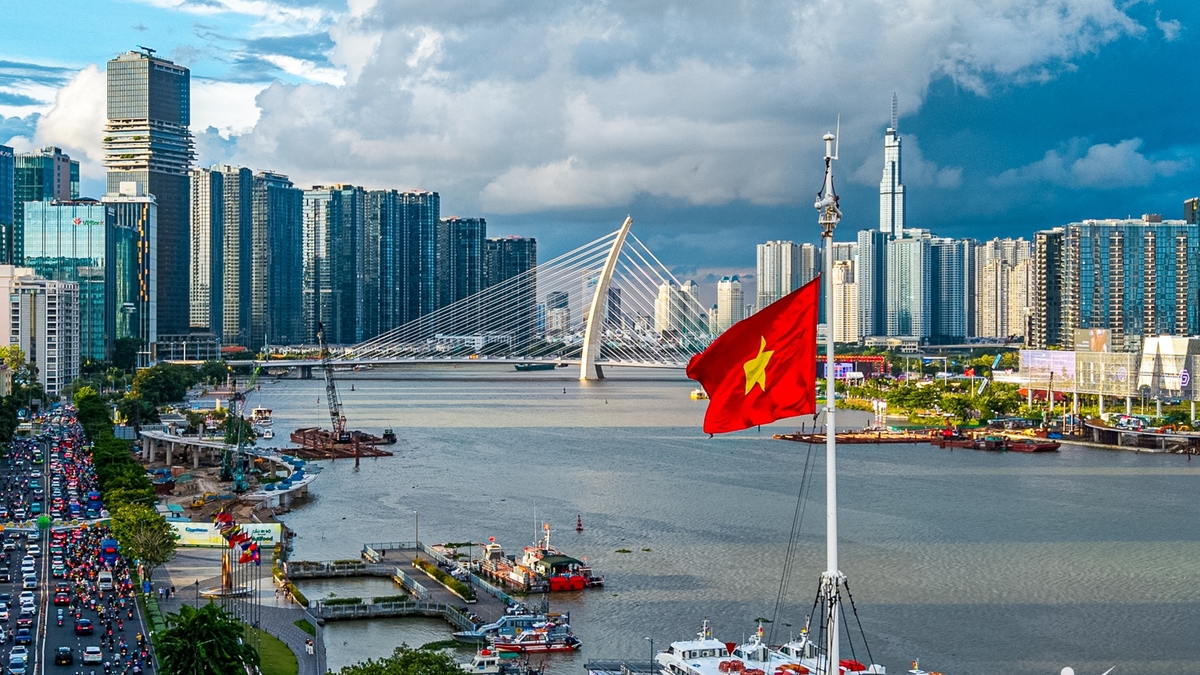
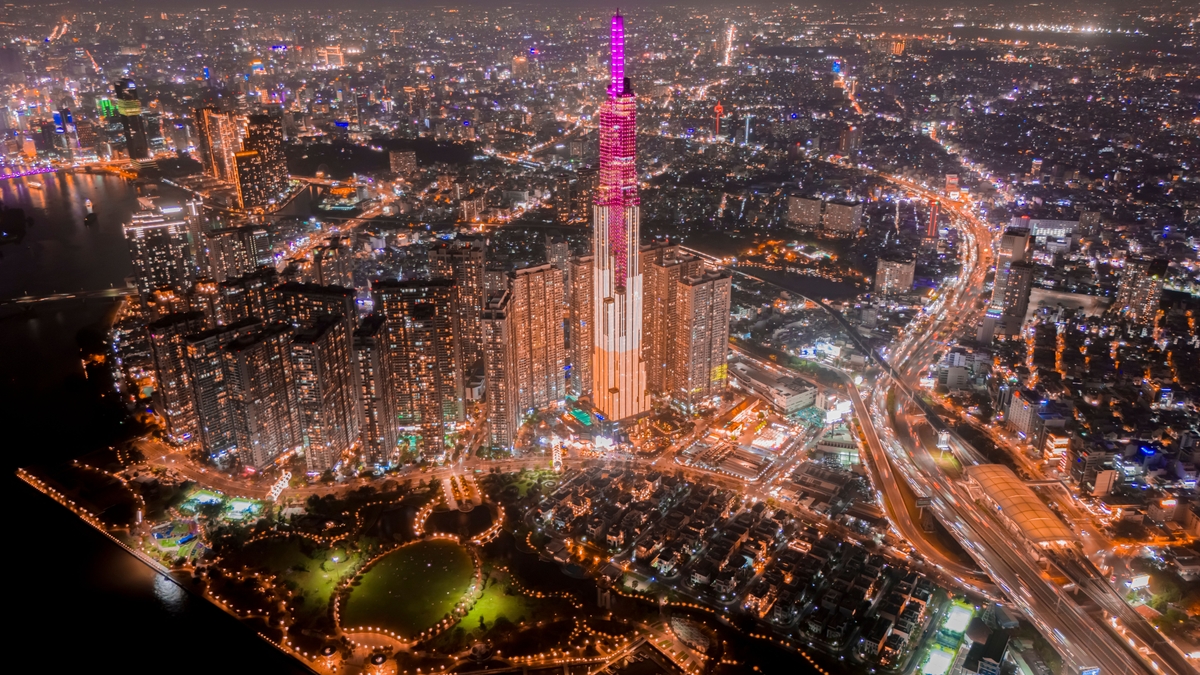
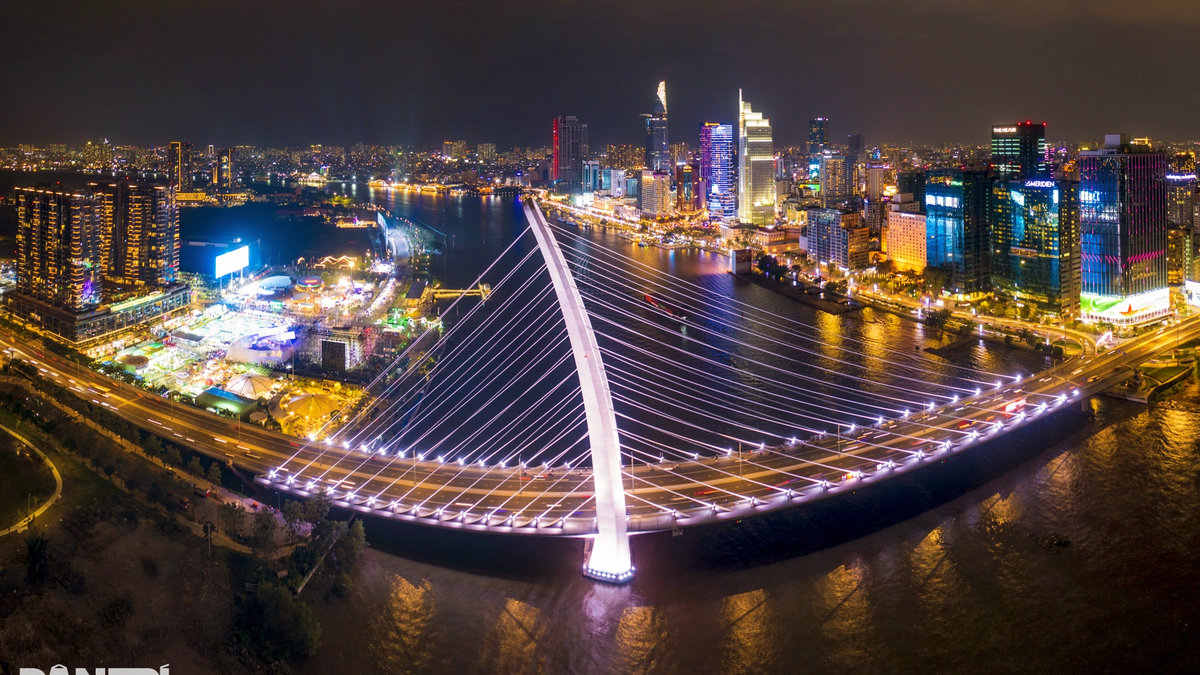
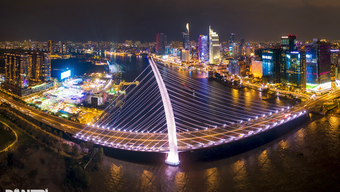
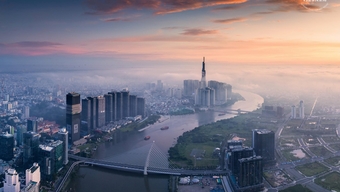
It can be said that few places feel the need for institutional reform as clearly as Ho Chi Minh City, with over 14 million inhabitants; where any bottleneck, from land issues and planning to procedures, will immediately impact production, employment, business sentiment, and the lives of the people. However, Resolution 98 is not just a special mechanism, but a test of the implementation capacity of the system. Empowering Ho Chi Minh City is not about allowing it to stand outside or act differently from the law, but about ensuring that the law is implemented more quickly, accurately, and with fewer wasted opportunities, because Ho Chi Minh City has long been the place where the law is implemented most quickly and clearly.
An improved procedure today can lead to thousands of administrative decisions being made faster tomorrow. Removing an obstacle can pave the way for entire chains of projects, capital flows, and job opportunities for the people. The Party has repeatedly emphasized that laws must originate from life and return to serve life. Ho Chi Minh City, with its complexity, is the place where the National Assembly can gauge the vitality of laws, both their reasonable aspects and those that need amendment.



In that sense, Resolution 98 not only helps the city overcome existing bottlenecks and difficulties, but also helps the National Assembly improve the institutional framework and legal system in a substantive way, using data, experience, and lessons from practice. This is also how we build a modern rule of law state, with clear decentralization of control and clear accountability.
If the mechanisms are strengthened sufficiently, Ho Chi Minh City will operate efficiently and open up a huge market for goods, services, agricultural products, and supporting industries from many provinces and cities; it will create jobs for millions of workers from all over the country, and at the same time create new competitiveness for the entire Southeast, Central Highlands, and Mekong Delta regions. Conversely, if the city slows down, the dynamic region and the nation will also find it difficult to accelerate.
Therefore, empowering the city is not about giving more, but about giving the country another engine of growth. A nation that wants to be strong cannot rely on just a few industries; it must rely on a development space capable of leading the way, and Ho Chi Minh City is one such space.
Looking at the longer term, it can be said that the amended and supplemented Resolution 98 is an important practical preparatory step for the National Assembly to move towards building a law for future megacities. This is because the development of a megacity not only determines the future of a locality but also shapes the future of the entire economy .



Ho Chi Minh City receives this revised resolution as a task assigned, and the city understands that this responsibility cannot be answered with promises. Empowerment is the delegation of responsibility, and responsibility can only be meaningful when it is met with concrete results in the lives of the people. Ho Chi Minh City is not asking to be the first, but the city is ready to be the first if it is what the country needs and the National Assembly permits it.
Source: https://www.sggp.org.vn/thanh-pho-san-sang-di-truoc-post828004.html