

Institutions for Innovation – A Parliament of Action and Creation
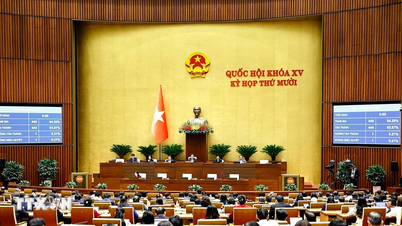
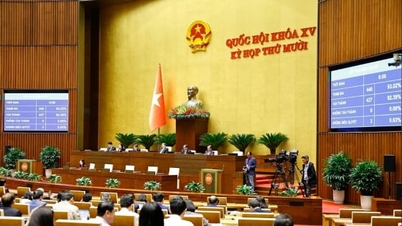
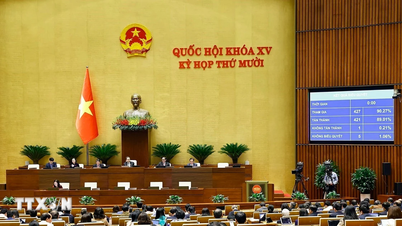
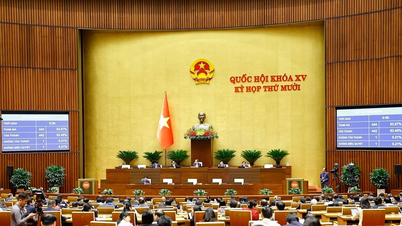
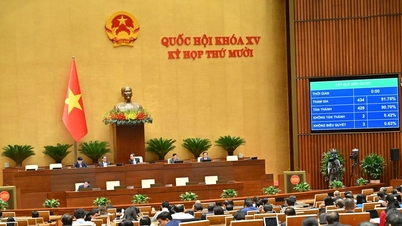
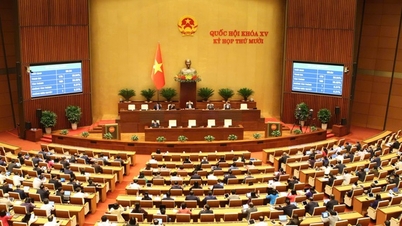
Looking back at the 15th National Assembly's term, one thing is very clear: this was the term with the strongest spirit of institutional reform in many years. With the Covid-19 pandemic over, the country needed not only socio -economic recovery, but also a new governance model, laws capable of guiding development in the new context, and open institutions that would allow businesses, communities, and citizens to proactively create space for development. And the 15th National Assembly began its journey of institutional reform with rare speed and depth.
The first highlight is the change in the local governance model: reorganizing the administrative units to 34 provinces and cities; establishing a two-tiered local government model; streamlining the apparatus; clearly defining responsibilities and functions between the central and local governments; and expanding the mechanisms of decentralization, delegation of power, and autonomy. This is not just a change in administrative boundaries, but a transformation of the State's operational model, to bring the apparatus closer to the people, reduce costs, accelerate work processing, promote local innovation, improve the quality of public services, and change the way the State interacts with the people.
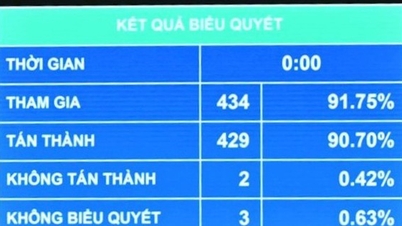
Reforming the administrative apparatus is not a simple decision. There were lengthy discussions and in-depth debates among delegates, experts, ministries, and localities regarding the two-tiered local government model, its authority, responsibilities, resources, data, planning, supervision, and the protection of citizens' rights… But it was precisely this sense of responsibility that led to a high level of consensus on the policy – because everyone understood that the old model could not be continued when the demands of development had changed. Modern society must operate on data, transparency, accountability, and faster, more efficient governance mechanisms instead of cumbersome organizational layers.
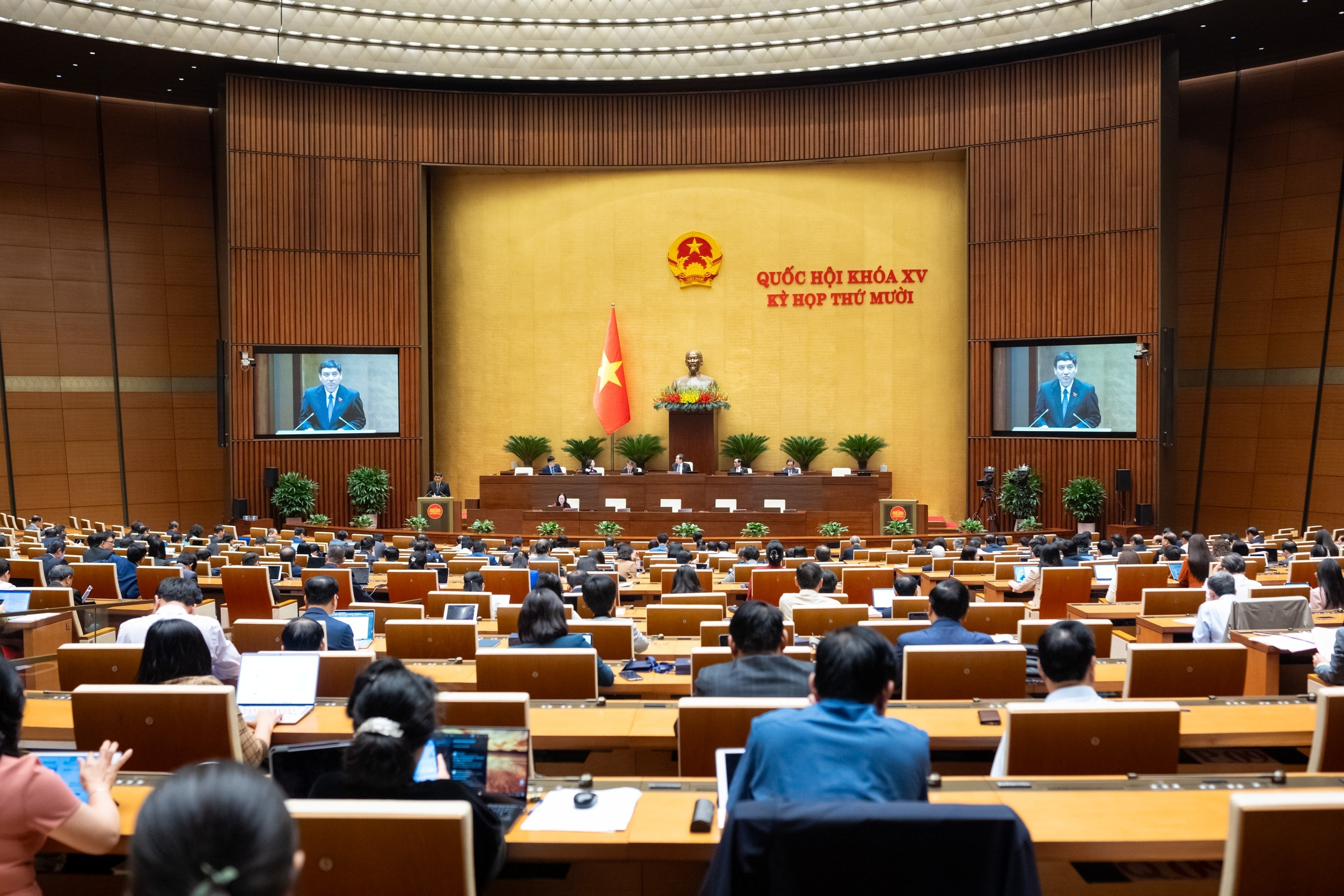
Furthermore, this term has witnessed many key legal innovations: the autonomy mechanism of public service units, the mechanism for ordering public services, the reform of public investment procedures, digital transformation in state management, population data governance, digital finance, electronic identification, online public services, and the creation of shared digital infrastructure… These changes not only remove bottlenecks but also create a foundation for smart national governance, where citizens' access to state services becomes faster, more transparent, less costly, and more humane.
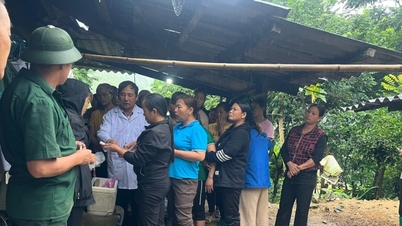
In particular, the National Assembly's oversight during this term has been stronger, more multi-layered, and closer to real life. The National Assembly has overseen strategic issues such as administrative reform, financial autonomy, the labor market, and resource decentralization, as well as specific social issues like health insurance, vocational education , social security policies, support for vulnerable groups, land management, handling of temporary housing after natural disasters, urban environment, and national target programs. These oversight activities lasted for months, involving on-site visits, listening to the people, monitoring the accountability of local authorities, and demanding policy adjustments based on practical experience. Along with legislation, oversight has created the image of a National Assembly that is closely connected to the lives of the people.
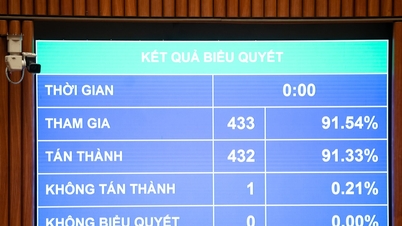
The laws passed during this term not only amend technical aspects but also the philosophy of development: from management to creation; from a system of granting and receiving to accountability; from licensing to standards; from procedures to data; from bureaucracy to results that serve the people. And if we look closely at the laws passed in the final days of the Tenth Session, a common spirit becomes clear: laws must create space for development, autonomy, creativity, and happiness – not just a framework of control.
Culture and people become central to development policy.
The most profound impact of the term lies not in individual laws, but in the shift in thinking regarding culture, people, and quality of life. For the first time, culture was placed at the center of development – not as embellishment for reports, but as the foundation of a sustainable, humane, and long-term development model.
The National Target Program on Cultural Development for the period 2025-2035 is a historic milestone. What is valuable is that the National Assembly has changed the perception of "cultural rights." The right to access culture, the right to create, the right to enjoy art, the right to protect heritage, the right to build community spaces, the right to mental health care… have been concretized. When cultural rights are guaranteed, human happiness becomes an important measure of policy – not just economic growth.
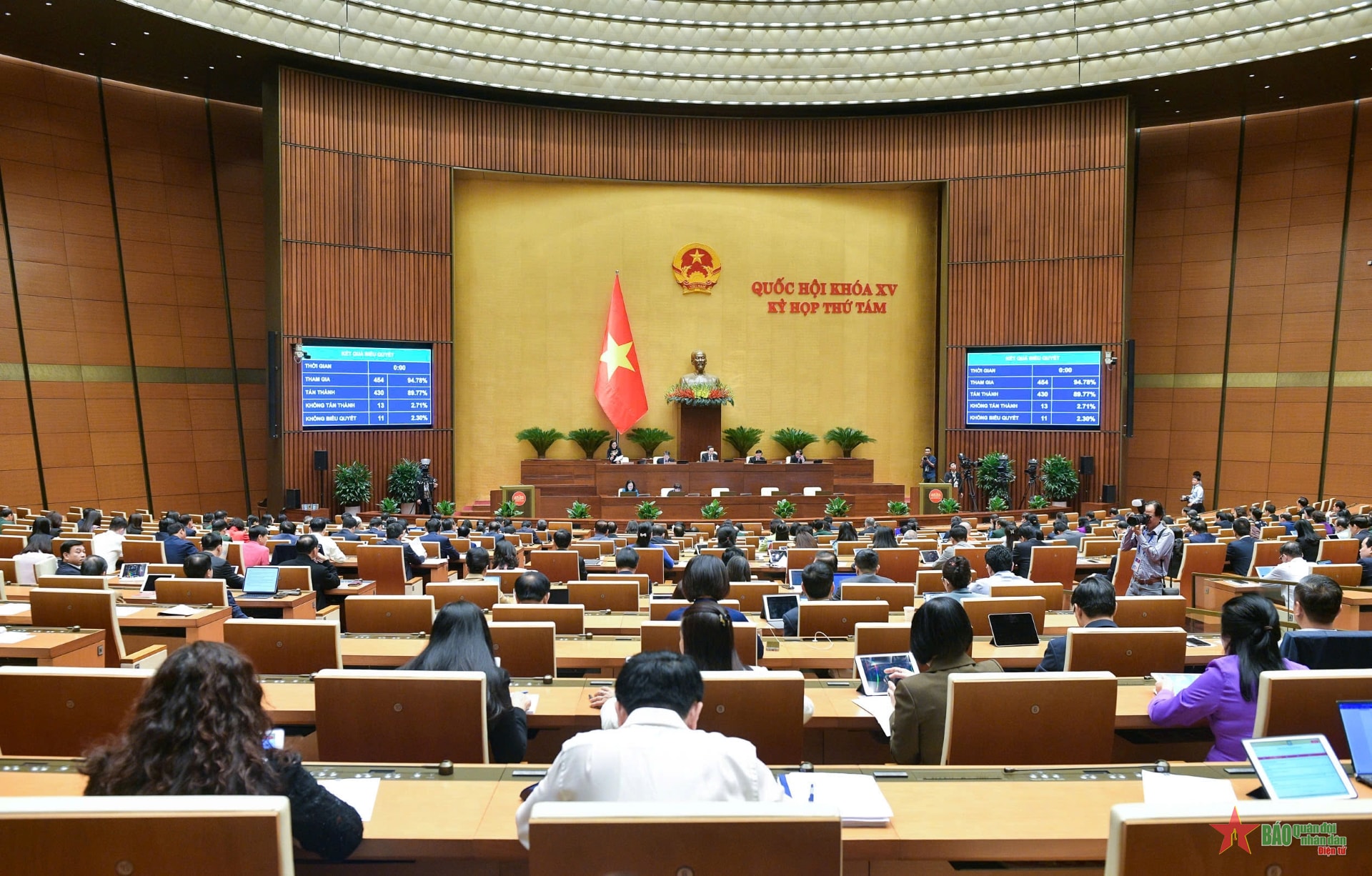
The concept of a "happy city – a cultural city" is also very new. A livable city is one where everyone can access culture, creativity, experiences, connections, lifelong learning, and feel safe and respected. This is the modern approach to development.
Looking at the transformations of Hanoi, Ho Chi Minh City, Hoi An, and Da Lat – UNESCO Creative Cities – it's clear that culture has become an urban resource, an identity, a brand, an economic driving force, and a quality of life. Music festivals, living heritage spaces, community art activities, cultural tours, film events, design and creative centers… all demonstrate that culture not only preserves but also nurtures the competitiveness of cities.
It can be said that the 15th National Assembly term laid the foundation for a major perspective: strong institutions, a thriving culture, creative people, and a happy community must be the new measures of Vietnam's development.
Preparing for a new phase of the National Assembly.
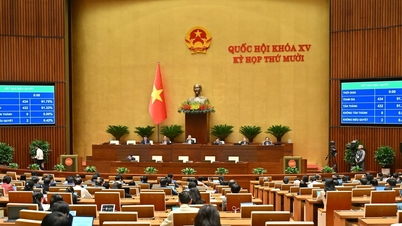
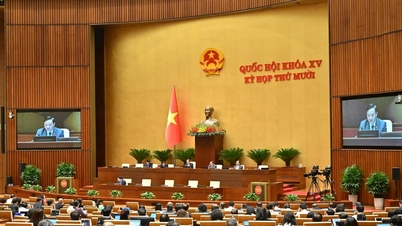
As the Tenth Session concluded, I felt very strongly that the greatest legacy of the 15th National Assembly's term was not the list of laws, but the spirit of institutional reform that went hand in hand with the people.
We have changed the way laws are made, the way oversight is conducted, the way discussions take place, the way voter petitions are responded to, the approach to resources, the organizational structure, and the way policy effectiveness is evaluated. We have strongly addressed bottlenecks that previous terms failed to tackle, such as: decentralization and delegation of power, the two-tiered local government model, autonomy mechanisms, innovation in public services, data governance, information transparency, accountability, creative economic management, cultural markets, and happy urban organizations.
But the legacy of this term is not the completion, but the beginning of a new institutional model. The next National Assembly will continue this journey of reform – but with greater demands, faster pace, stronger enforcement accountability, deeper oversight capacity, and broader public participation.
If laws are merely formulated but not implemented, the power of reform will diminish. Therefore, the next term needs to focus on implementation: accountability mechanisms, interconnected oversight mechanisms, public data, accountability of leaders, independent evaluation, stronger administrative reforms, more flexible socialization of public services, and ensuring that all policies reach every citizen, every community, and every vulnerable group.
I believe that, in the coming period, the highest measure of development will be the change in people's lives: faster, fairer, and more transparent public services; more livable cities; happier people; more flourishing culture; smarter data; a stronger voice for the people; more dynamic innovation; better preservation of heritage; greater empowerment of youth; and better care for the community's spiritual well-being...
And above all, the next National Assembly needs to ask itself: does the law create happiness? Because a modern nation is not measured solely by GDP, but also by satisfaction, trust, cohesion, creativity, civility, and quality of life.
The 15th National Assembly has completed a beautiful journey – a journey of institutional reform, partnership, transparency, accountability, listening, and aspiration for development. Late-night working sessions, inspection trips to remote villages, sincere interactions with constituents, and insightful and transformative discussions have demonstrated that the National Assembly not only makes laws but also lives within the lives of the people.
And so, as the final session concludes, a new journey is unfolding: the journey of strong institutions - strong culture - happy people - creative communities - a nation rising to new heights. These are the most beautiful, profound, and enduring values of the 15th National Assembly's term.
Source: https://daibieunhandan.vn/quoc-hoi-khoa-xv-doi-moi-the-che-dong-hanh-voi-nhan-dan-va-mo-duong-cho-ky-nguyen-moi-10399911.html




![[Photo] Explore the US Navy's USS Robert Smalls warship](/_next/image?url=https%3A%2F%2Fvphoto.vietnam.vn%2Fthumb%2F1200x675%2Fvietnam%2Fresource%2FIMAGE%2F2025%2F12%2F10%2F1765341533272_11212121-8303-jpg.webp&w=3840&q=75)



















![[Video] The craft of making Dong Ho folk paintings has been inscribed by UNESCO on the List of Crafts in Need of Urgent Safeguarding.](https://vphoto.vietnam.vn/thumb/402x226/vietnam/resource/IMAGE/2025/12/10/1765350246533_tranh-dong-ho-734-jpg.webp)




















































Comment (0)