

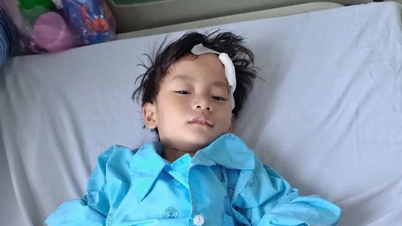
Seeing her 8-month-old son showing signs of fever, Ms. T. (Tay Mo, Hanoi ) rushed to take him to the doctor. The results determined that the baby had a viral fever and was instructed to take care of him at home. However, only 3 days later, the baby's condition did not improve but got worse.
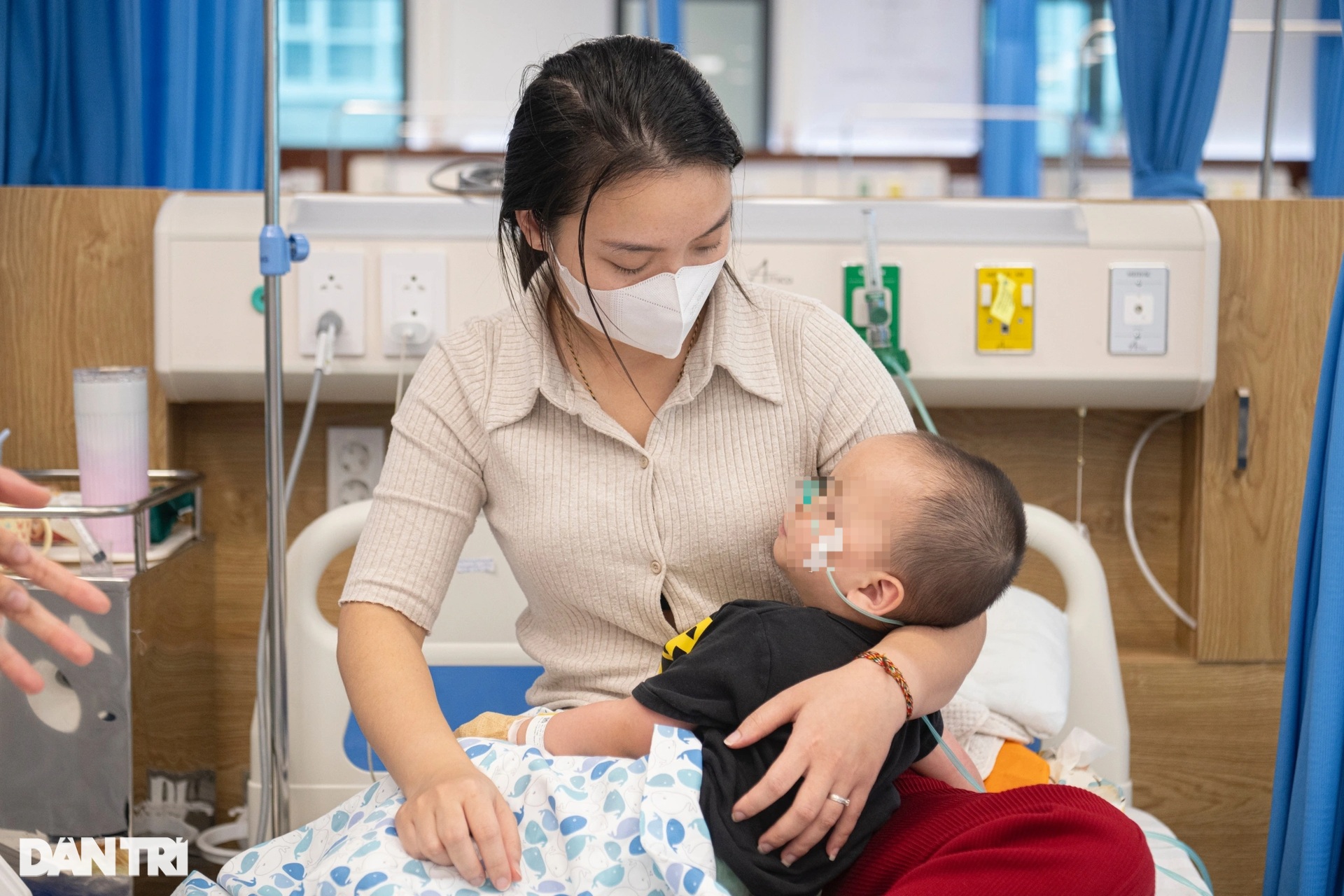
"My child had a high fever, red and swollen eyes, difficulty breathing, his stomach was heaving up and down, and there were many red spots. I was so scared that I took him to the hospital immediately," Ms. T. shared.
At Hanoi Children's Hospital, the child was diagnosed with measles and was immediately transferred to the measles isolation treatment area.
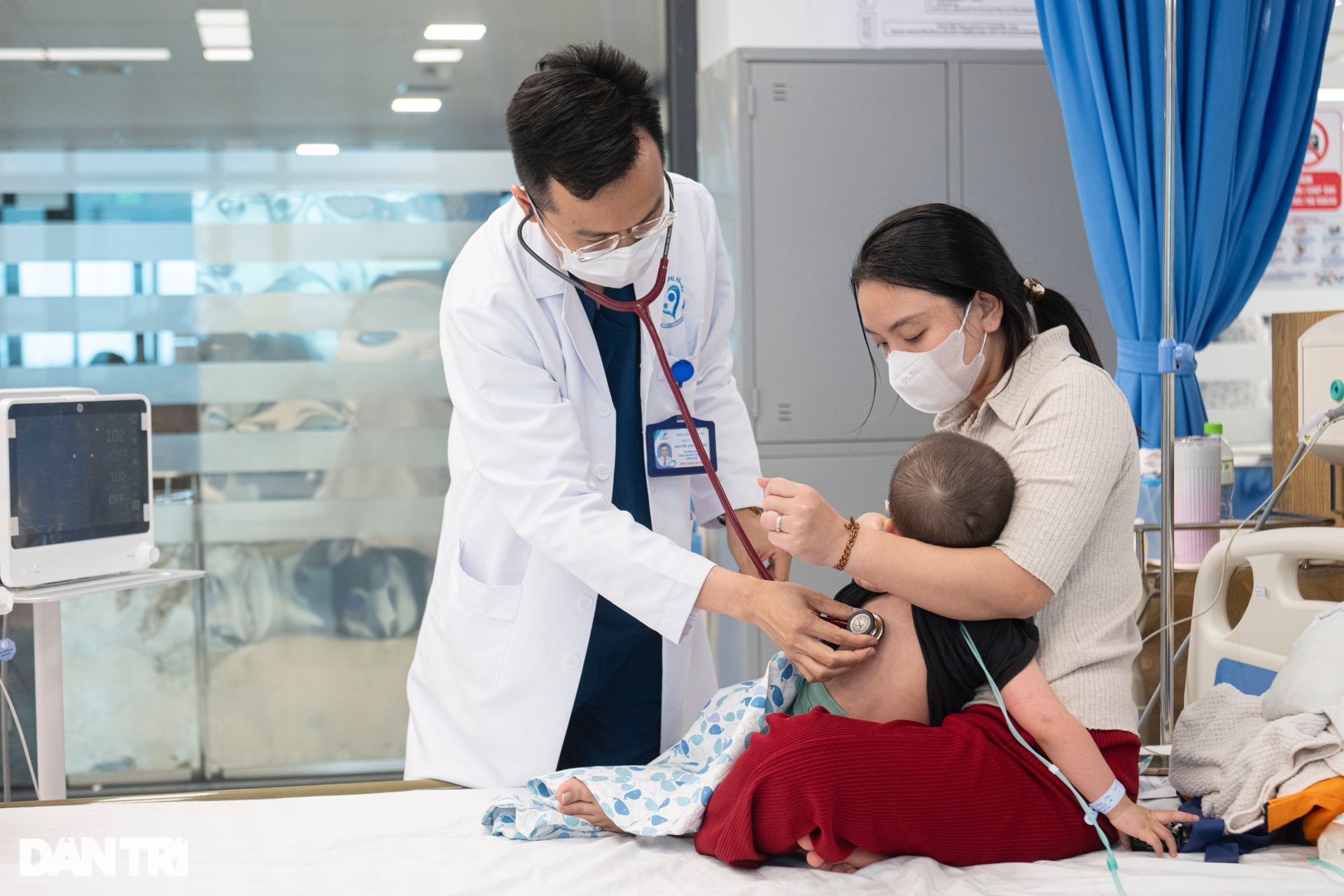
According to Master, Doctor Nguyen Van Truong - Head of the Intensive Care and Anti-Poison Department, Hanoi Children's Hospital - at the time of admission, the child was in respiratory failure. Doctors and nurses immediately provided oxygen support for the child as well as applied a measles treatment regimen.
After 4 days of treatment, the baby is progressing well, has been weaned off oxygen, and is expected to be discharged in the next 2 days.

According to Dr. Do Thi Thuy Nga - Deputy Director of Hanoi Children's Hospital - recently, the number of children with measles coming to the hospital for examination and treatment has increased sharply.
"Since its establishment (October 2024) up to now, we have received more than 300 cases of pediatric patients diagnosed with measles, of which more than 200 cases had to be hospitalized for inpatient treatment," Ms. Thuy Nga informed.
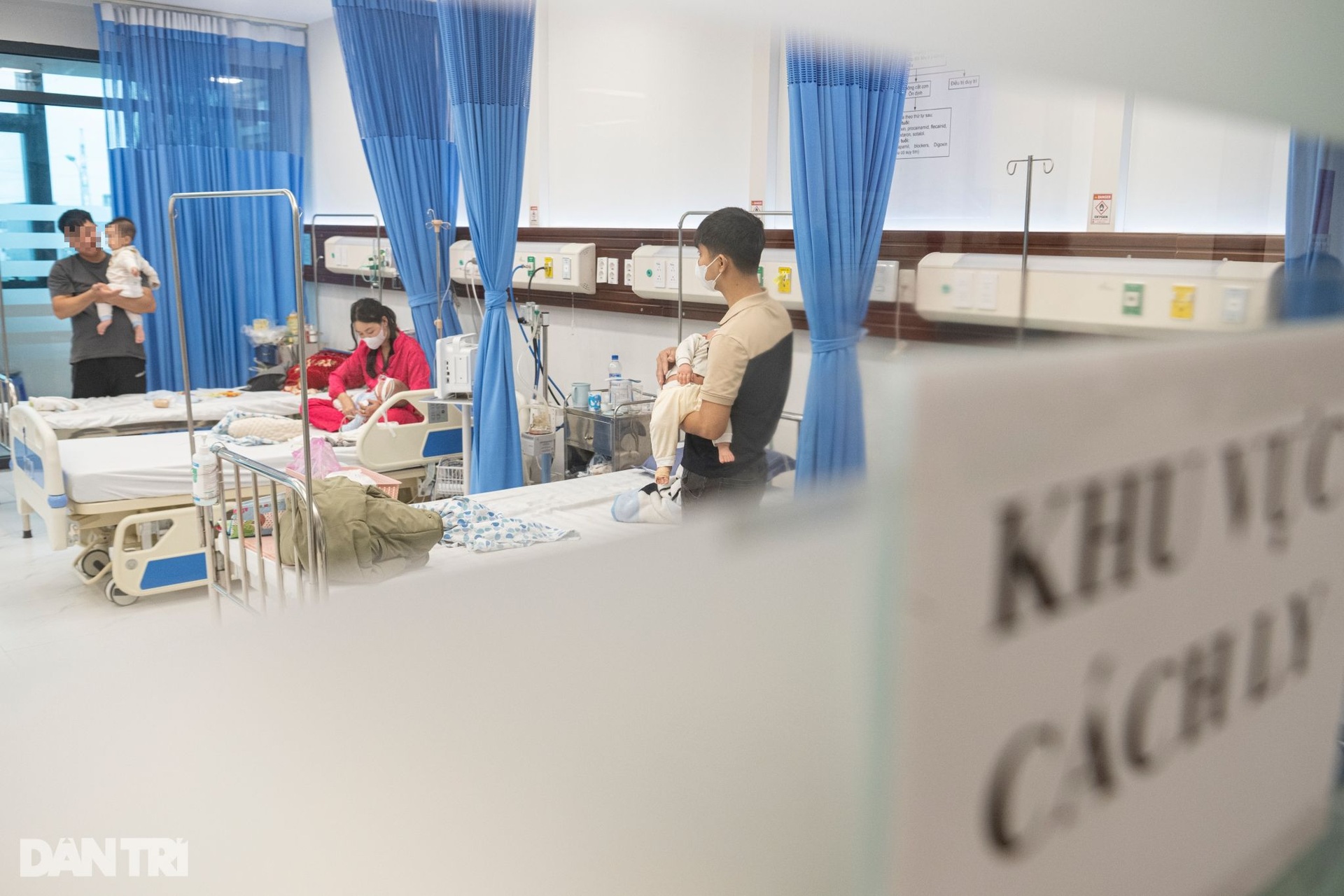
Children with measles who are hospitalized mostly suffer from complications of pneumonia, some with severe pneumonia, respiratory failure and needing ventilators. In addition, a small number of children suffer from encephalitis or complications of multi-organ inflammation and sepsis.
According to Ms. Nga, most children with measles who had to be hospitalized had not been vaccinated or had not been fully vaccinated.
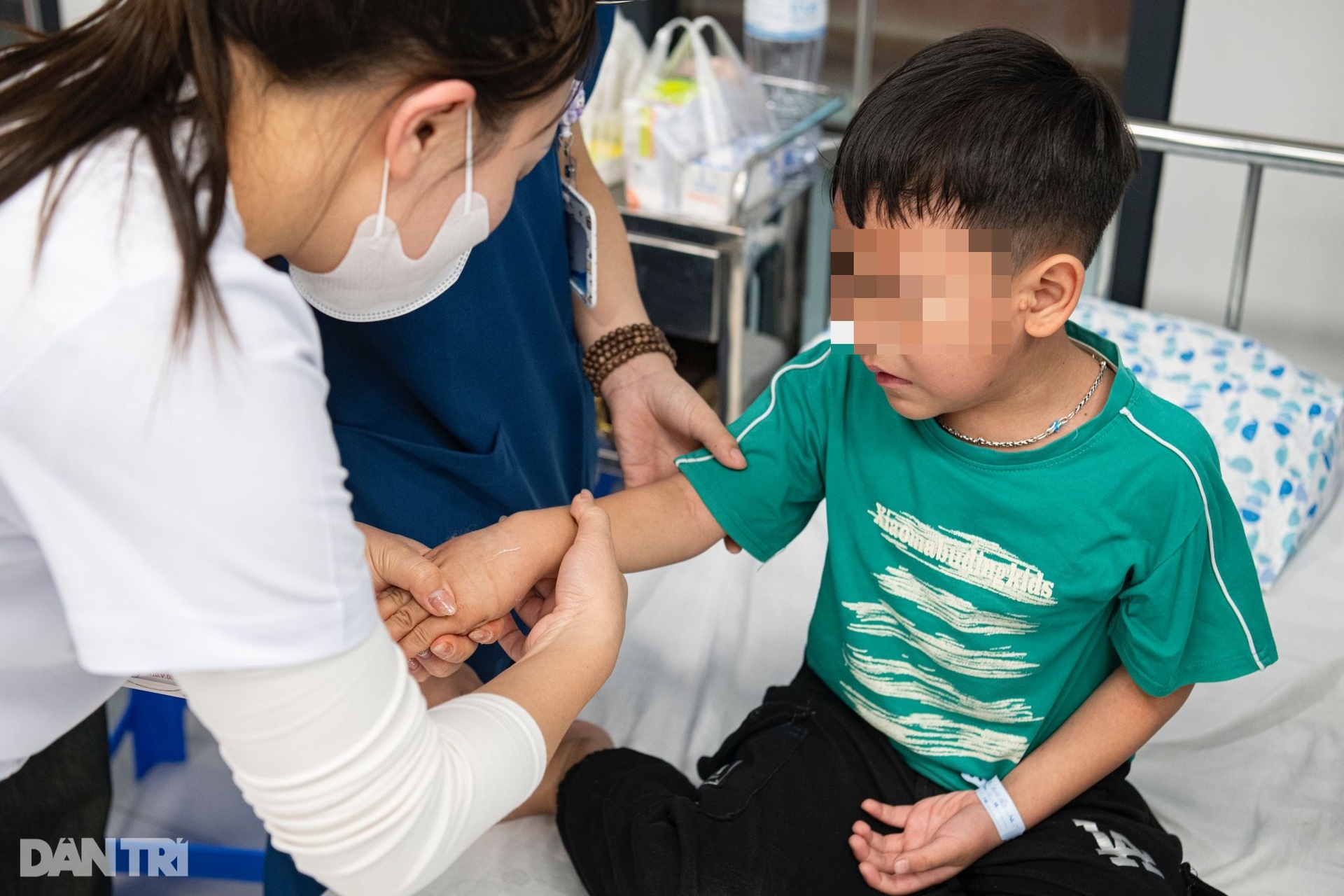
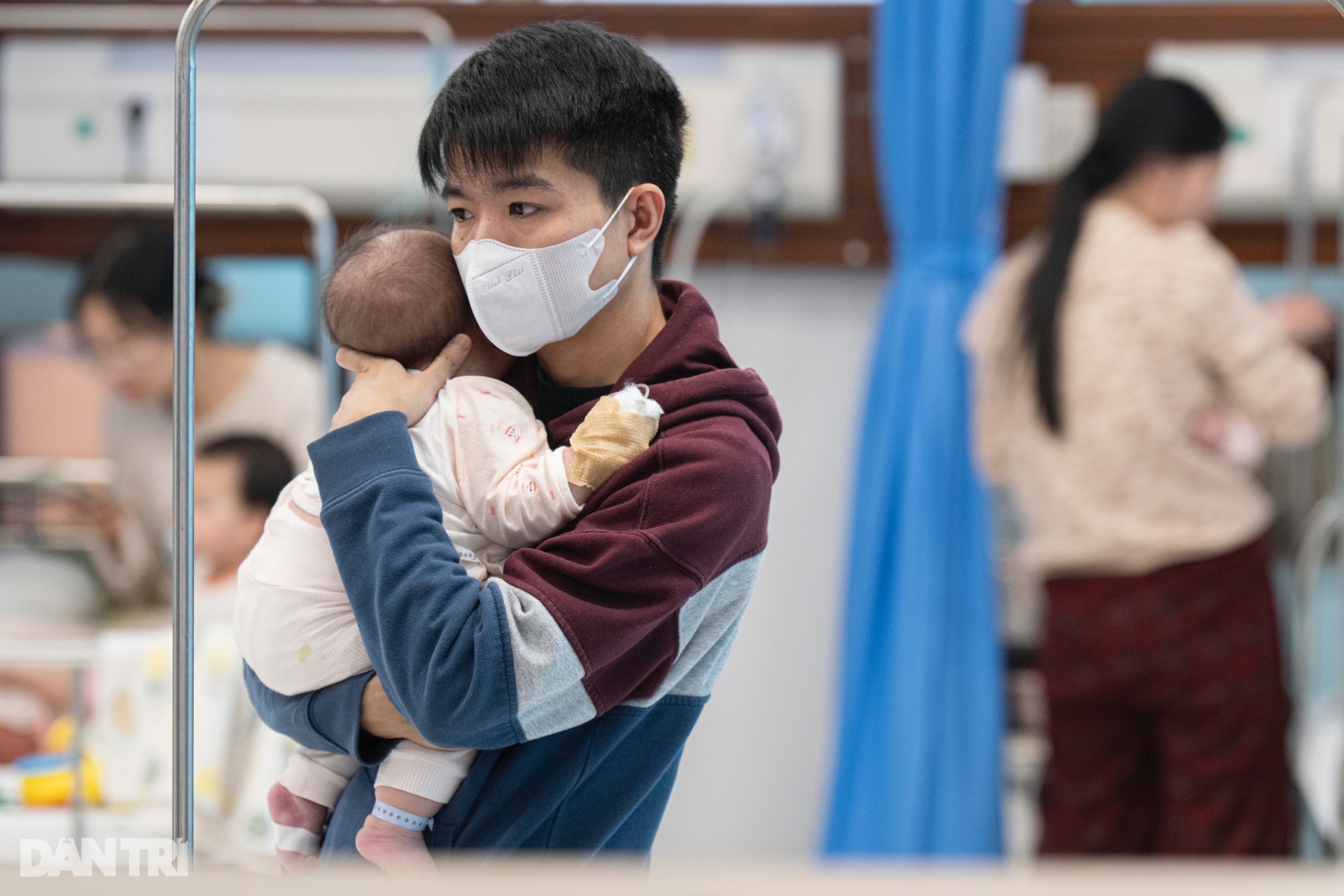
Children with measles are of many ages, but the group of children under one year old has a much higher rate of hospitalization.
Children who come to Hanoi Children's Hospital for examination and have suspicious signs such as high fever, rash, kopilk spots in the mouth... will be assigned to a screening test. If the result is positive, they will be sent to the measles treatment unit.
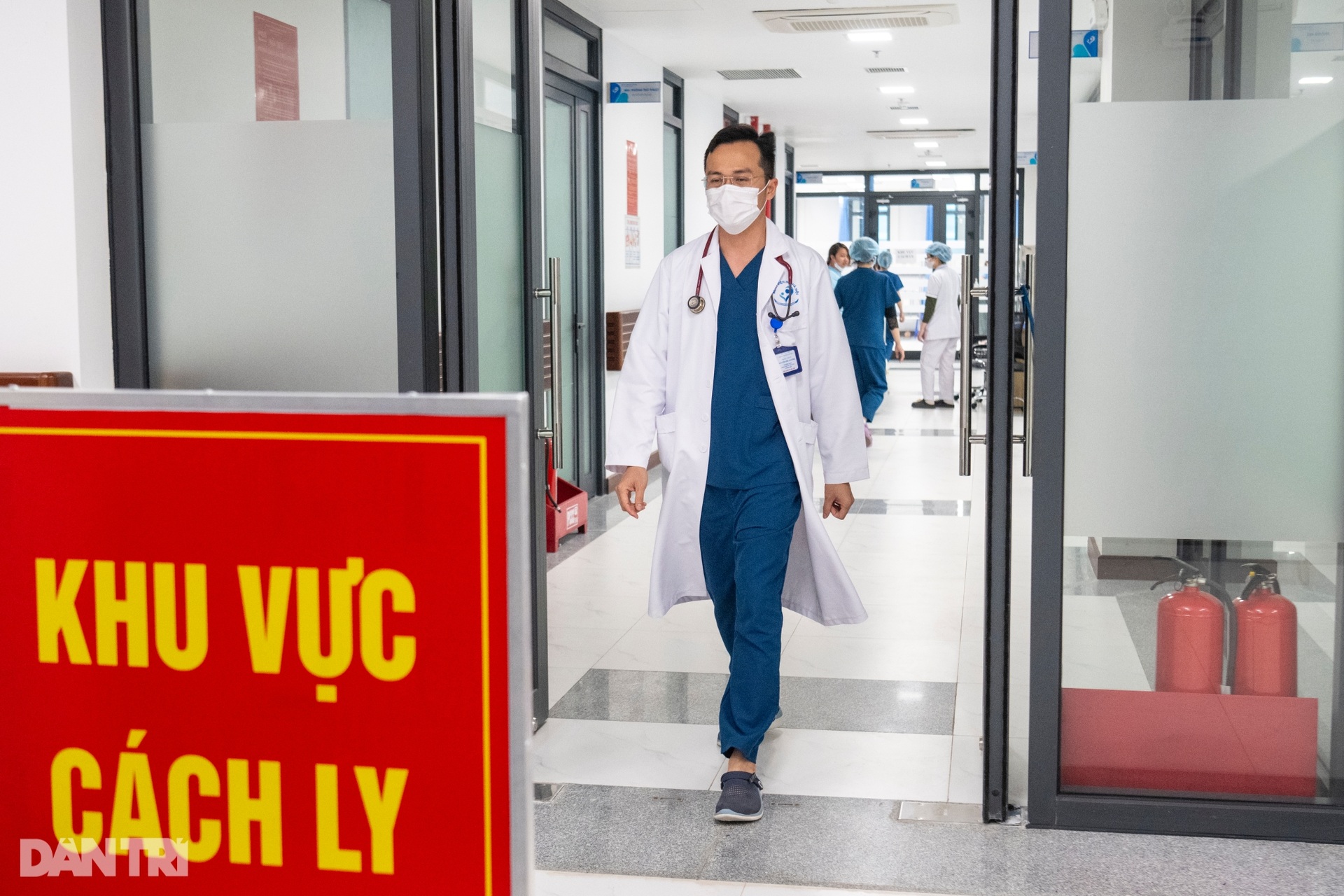
Hanoi Children's Hospital has arranged a separate measles treatment unit on the 4th floor, isolated from other treatment areas.
This area is treating about 30 children with measles, of which about 10 children are in serious condition and require oxygen therapy or non-invasive CPAP ventilation.
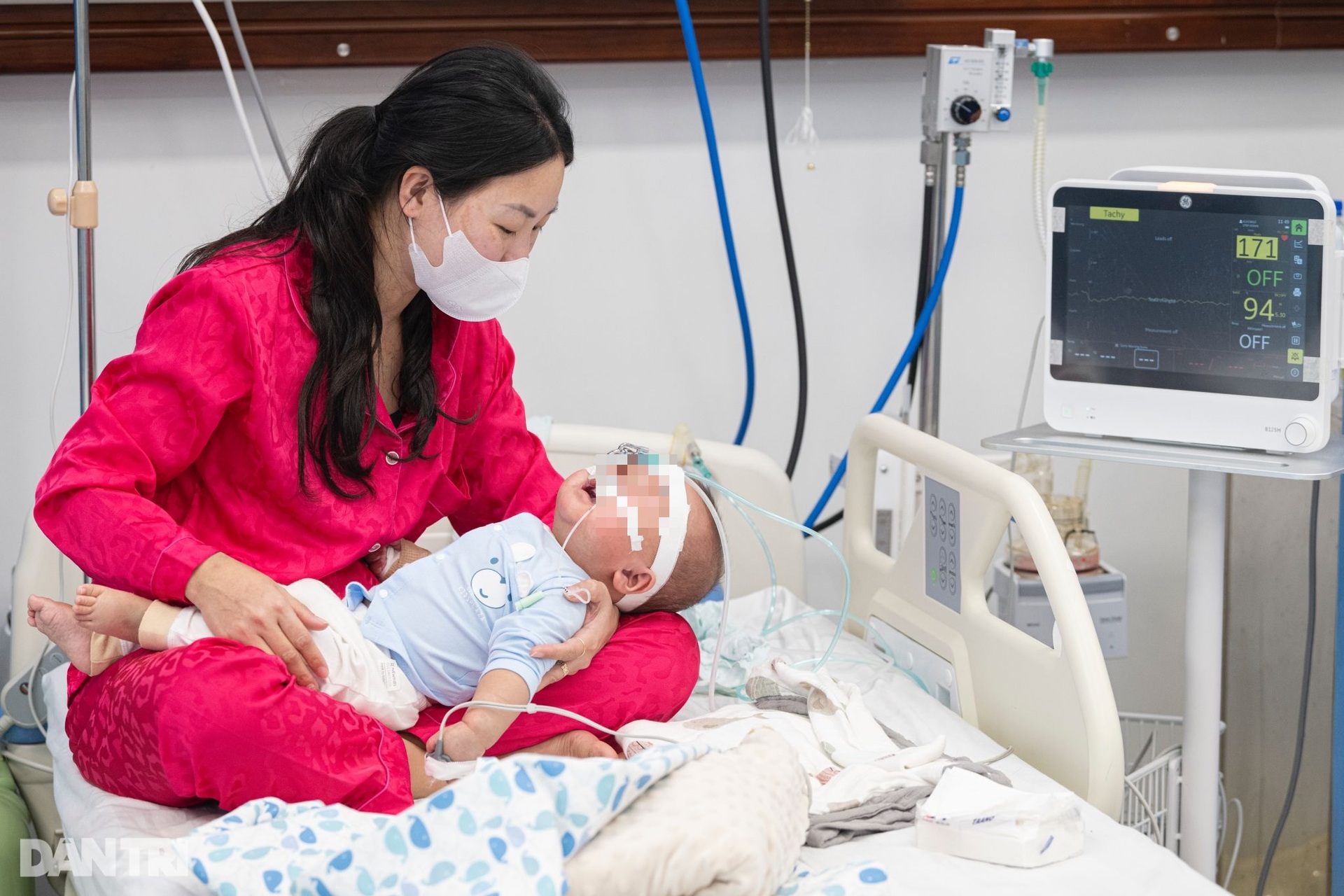
Patient H. is only 4 months old and is the most severe case being treated at this unit. According to Dr. Truong, the child was admitted to the hospital on March 18 in a state of respiratory failure, high fever, red rash, lots of eye discharge, mouth ulcers, and cough.
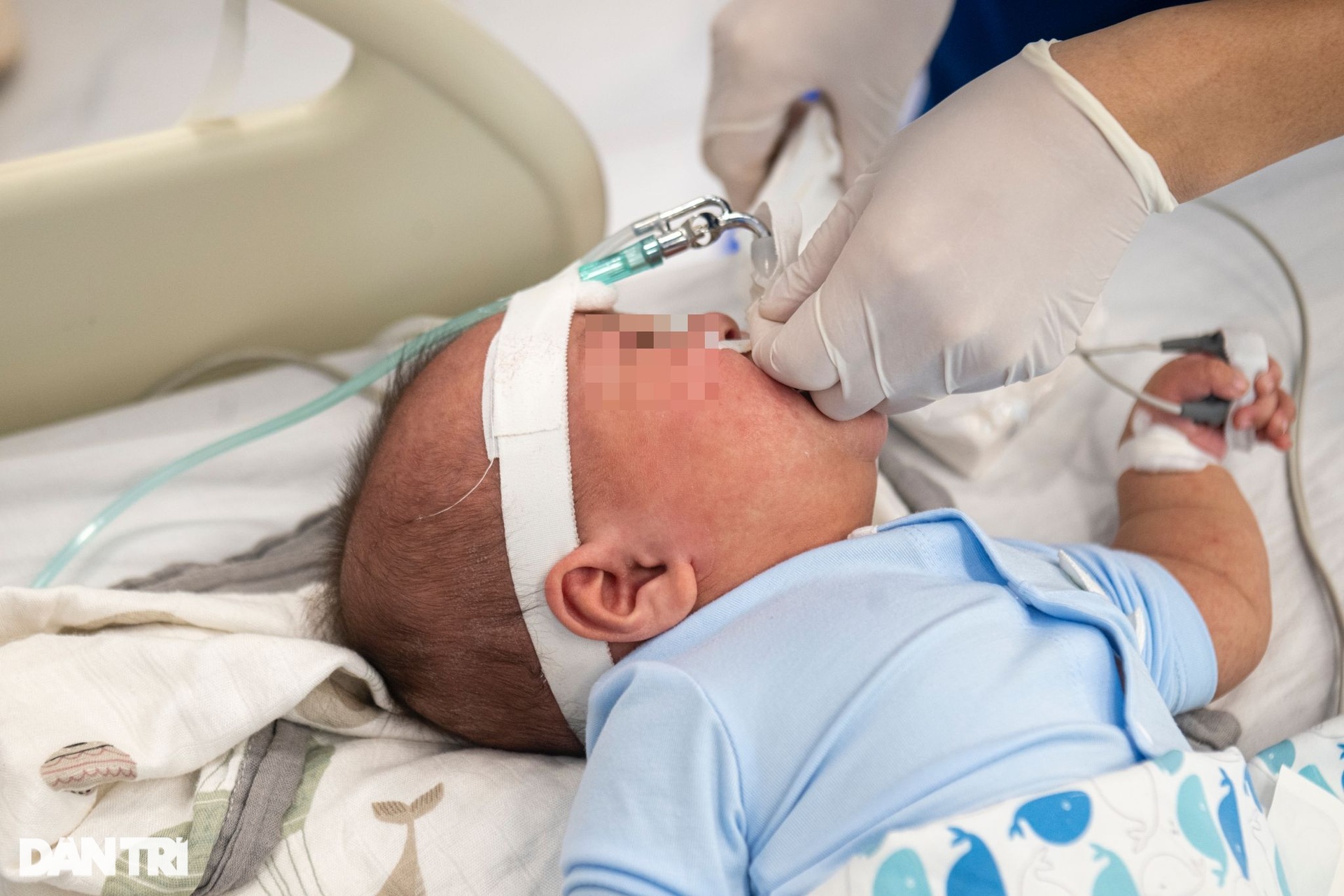
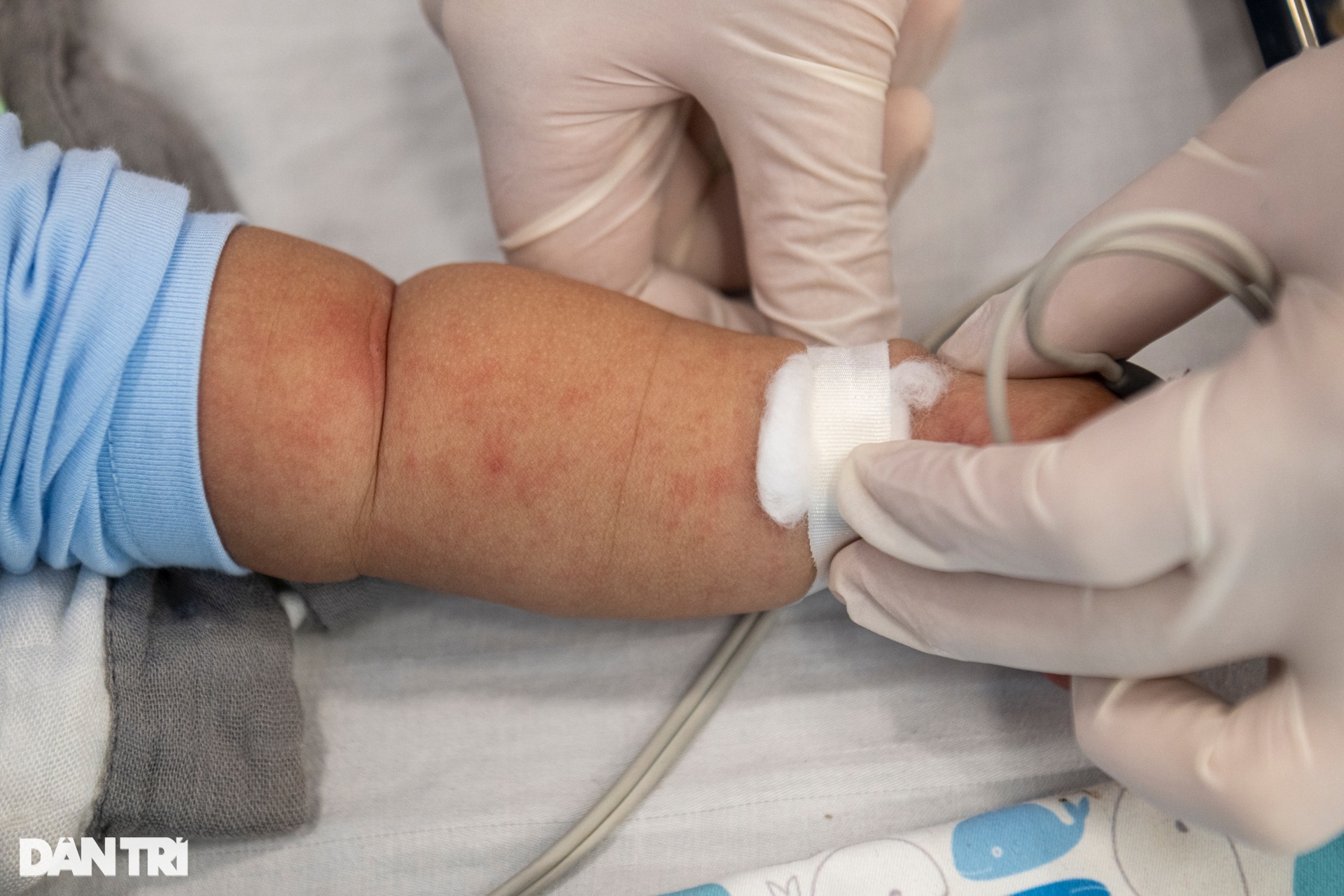
"The patient did not respond to regular oxygen therapy, so we had to use a non-invasive ventilator to breathe. Currently, the patient is being treated with a regimen for severe measles patients that includes passive antibody support, antibiotics to treat infections, and many other supportive treatments such as vitamin A, digestive enzymes, and expectorants," Dr. Truong analyzed.
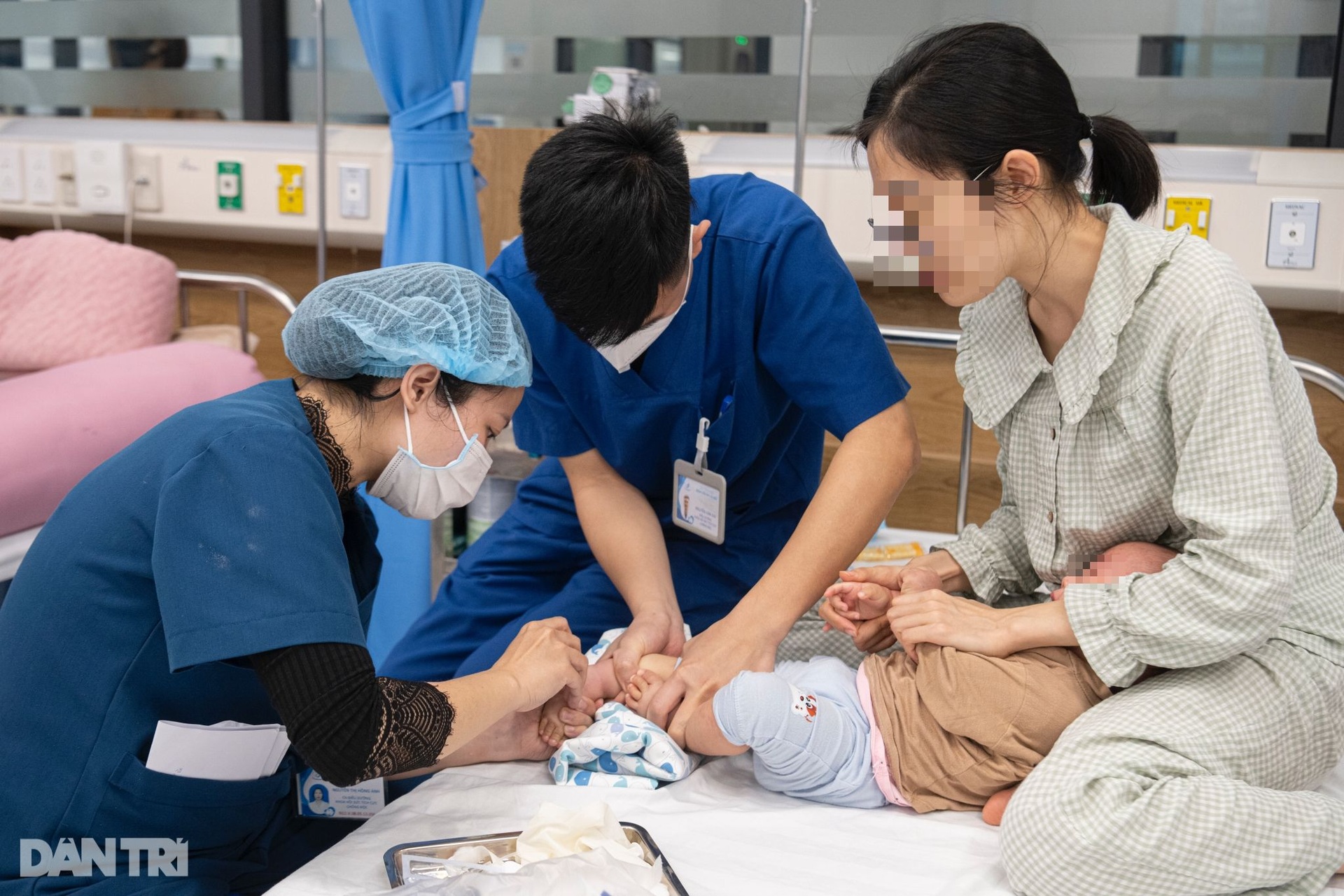
In addition, according to Dr. Truong, for severe measles patients, combining non-drug care and treatment methods such as percussion, active sputum suction, care for pneumonia, conjunctivitis, sore throat, nutritional supplements... is extremely important.
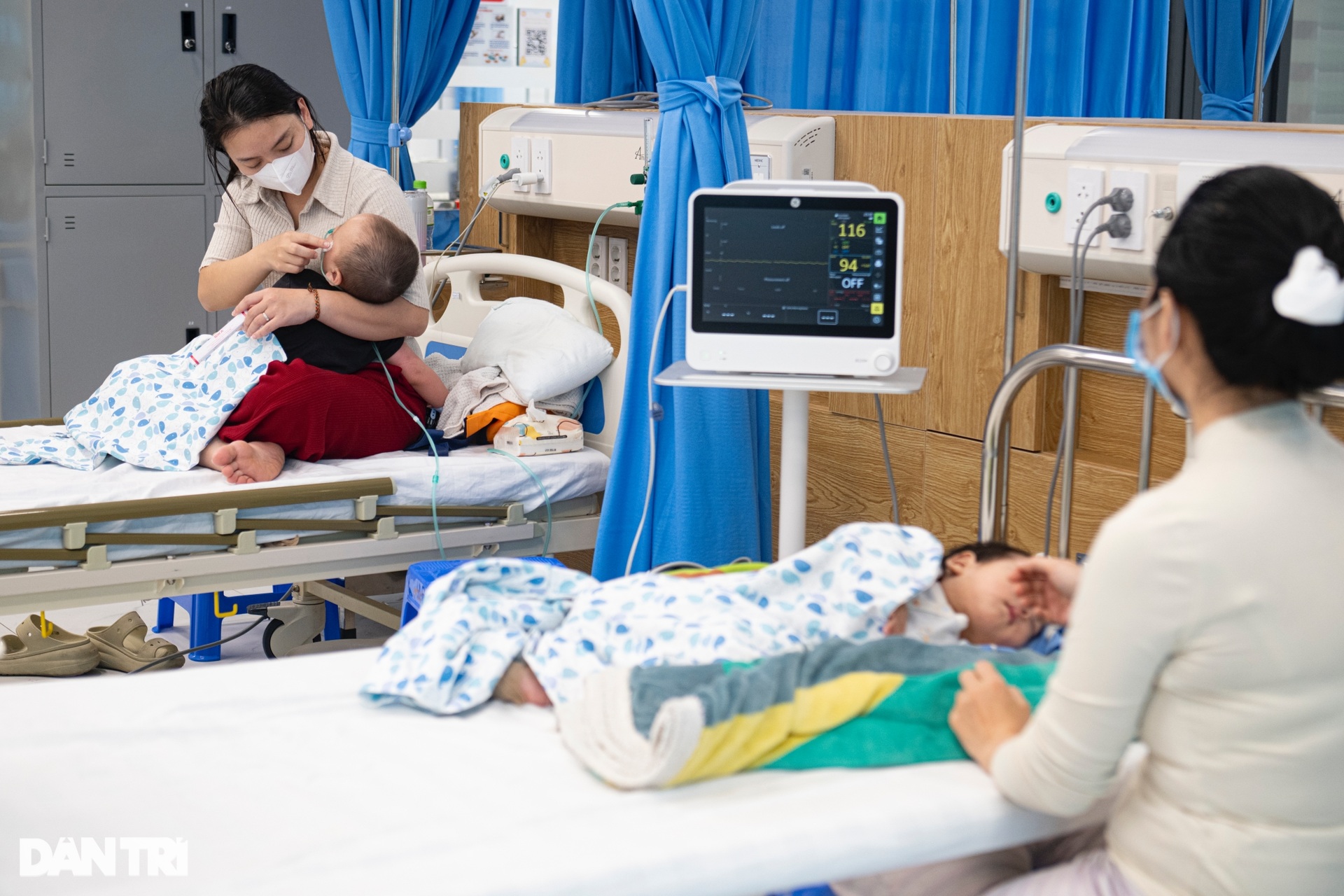
Since the beginning of the year, this unit has also successfully treated many children with measles who have underlying medical conditions such as premature birth, chronic lung disease, and genetic diseases (spinal muscular atrophy, congenital hemolytic anemia).
According to Ms. Thuy Nga, to deal with the complicated measles situation, the most important solution is vaccination to create community immunity.
In addition, other supportive measures such as wearing masks, washing hands in daily activities, and limiting going to crowded places will help increase disease prevention value.


![[Photo] National Assembly Chairman Tran Thanh Man attends the VinFuture 2025 Award Ceremony](/_next/image?url=https%3A%2F%2Fvphoto.vietnam.vn%2Fthumb%2F1200x675%2Fvietnam%2Fresource%2FIMAGE%2F2025%2F12%2F05%2F1764951162416_2628509768338816493-6995-jpg.webp&w=3840&q=75)
![[Photo] 60th Anniversary of the Founding of the Vietnam Association of Photographic Artists](/_next/image?url=https%3A%2F%2Fvphoto.vietnam.vn%2Fthumb%2F1200x675%2Fvietnam%2Fresource%2FIMAGE%2F2025%2F12%2F05%2F1764935864512_a1-bnd-0841-9740-jpg.webp&w=3840&q=75)






















































































Comment (0)