

Since the 1990s, the Korean government has begun to strongly develop the cultural industry, including the film industry, K-pop, video games, cuisine ...
As these sectors contributed greatly to the economy and had spillovers, Korea politicized the sector and introduced the concept of "lifestyle economy " .
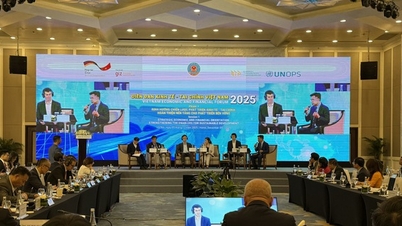
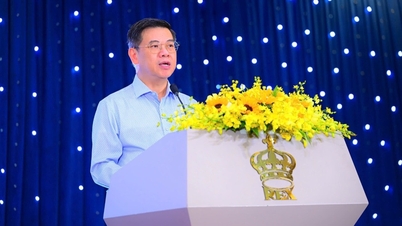
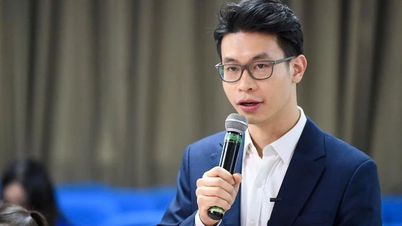
The above information was given by Mr. Park Sang Mo, Head of Event and Culture Organization Department (Korean Cultural Center in Vietnam), at the workshop "Lifestyle Economy - New growth driver of Ho Chi Minh City" organized by Tuoi Tre newspaper in coordination with the Department of Industry and Trade of Ho Chi Minh City on December 5.
According to the speaker, the Korean government does not let these industries develop separately but plans and integrates them into national development policies. Specifically, Korea has a specialized agency in charge of managing and developing content, coordinating support for businesses from ideas to exports.
The country also allocates a budget to support units operating in the lifestyle economic sector, from creation to product completion and release to the market.
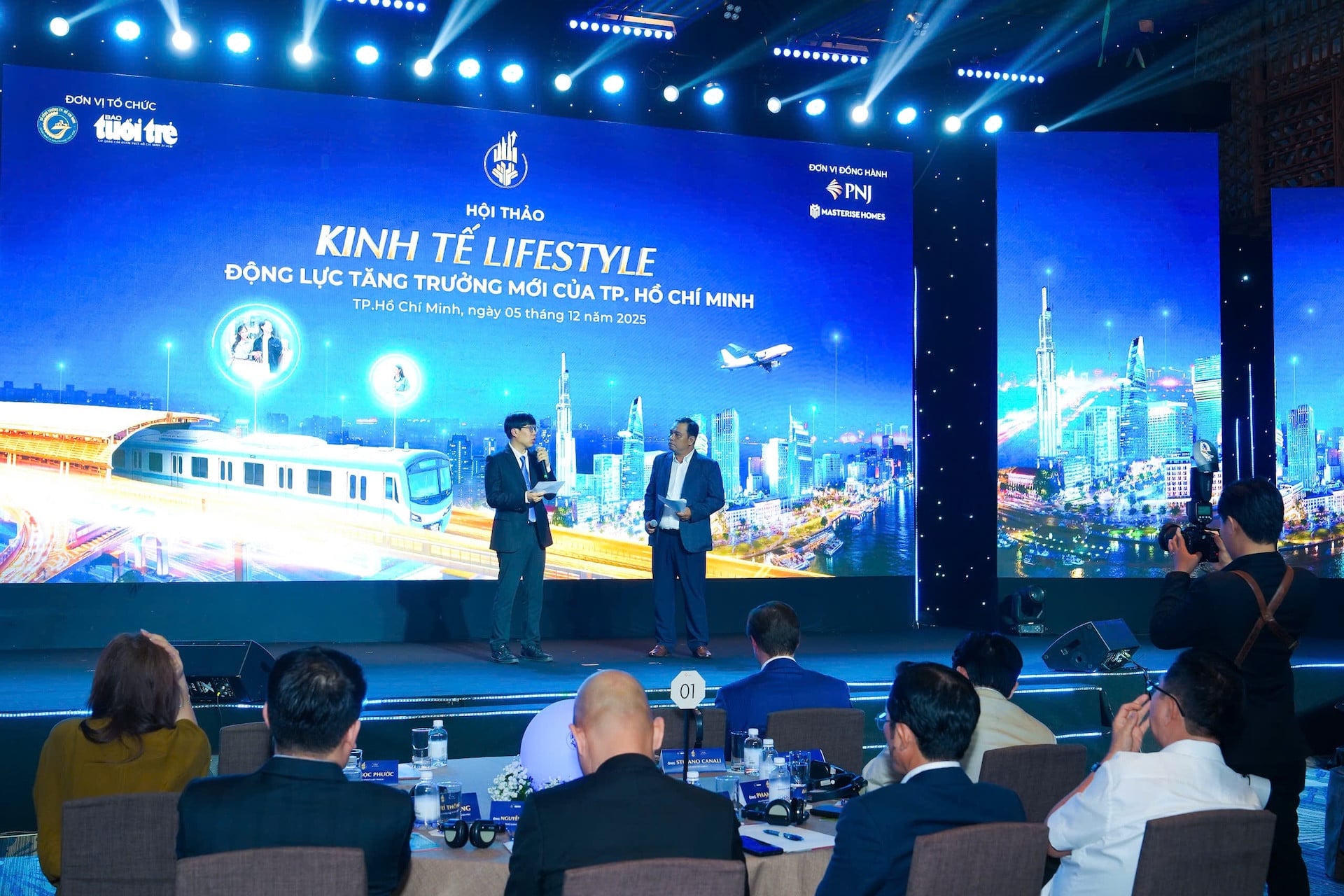
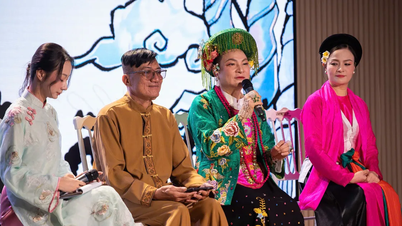
Korean speaker talks about how to develop a lifestyle economy. Photo: BTC
Thanks to the development of the lifestyle economy, the interest and demand of consumers outside Korea for products promoted through movies, music, etc. have also increased. Thanks to that, Korea has become one of the leading cosmetic exporting countries in the world.
The Korea Customs Service estimates that the country's cosmetics exports will reach $8.52 billion in the first three quarters of 2025, up 15.4% year-on-year. It is expected to grow even stronger in the final quarter of the year, expected to break the record of $10.2 billion set in 2024.
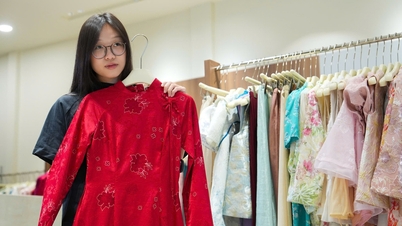
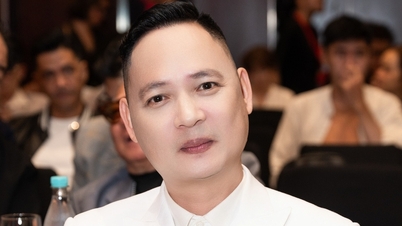
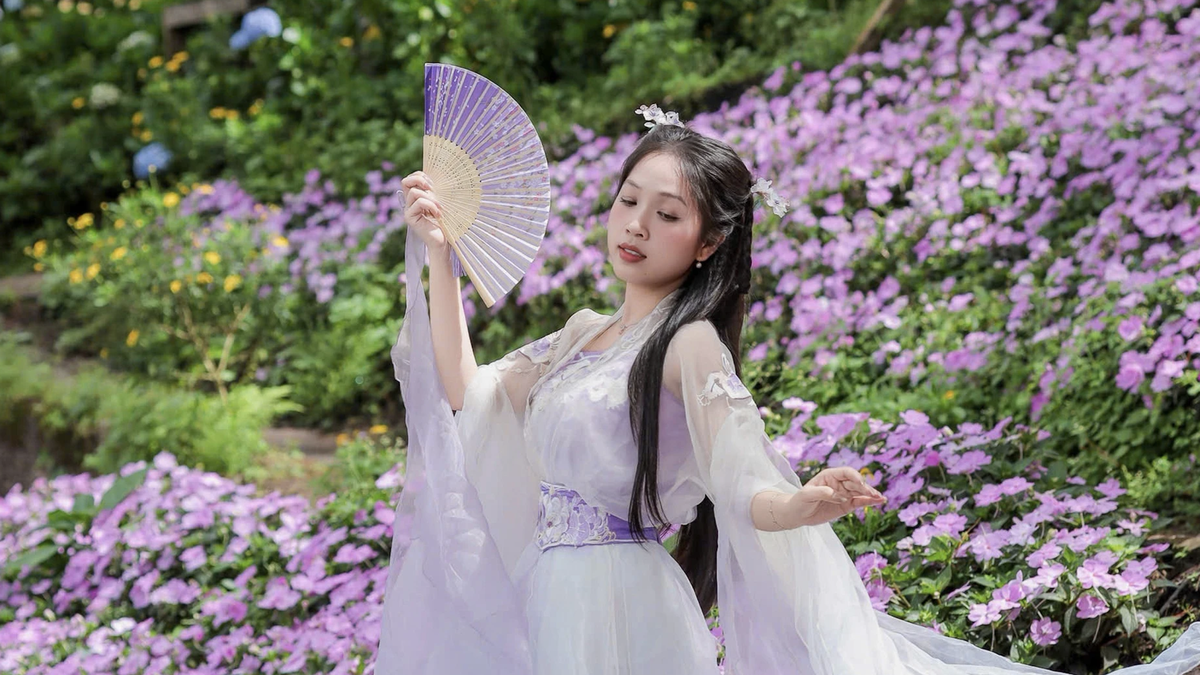
Also talking about the lifestyle economy, Mr. Ninh Trung Tan, Founder of HANITA, cited the business of renting Hanbok (traditional Korean costumes) at tourist destinations.
Accordingly, the rental price of Hanbok can be up to 70,000 won/time (more than 1.2 million VND). For the whole year, the total rental price of this costume in Korea can be up to several hundred million to 1 billion won, not to mention the huge amount of exported records.
Associate Professor Dinh Tien Minh, Senior Lecturer, Head of Marketing Department - Faculty of International Business & Marketing, UEH Business School (Ho Chi Minh City University of Economics), believes that lifestyle economy is one of the potential development directions for large cities. Consumers not only buy experiences, but also buy products/services to shape and affirm their "identity". At this time, personalized products and services are aimed at preferences, needs for experiences, aesthetics and life values.
Thus, according to Mr. Minh, lifestyle economy is contributing to diversifying the economy. Consumers buy a product not only because of its function but also because of its image or "brand personality" that suits their lifestyle.
"Apple doesn't just sell phones, it sells a different, innovative lifestyle; it's about customer experience," he said.
In Vietnam, Mr. Le Tri Thong, General Director of Phu Nhuan Jewelry Joint Stock Company (PNJ), mentioned Techcombank as a typical case. This bank not only sells financial products but also coordinates to organize cultural and artistic programs to increase brand awareness and approach customers in a lifestyle direction.
Similarly, many consumer brands have changed the way they communicate. Instead of promoting their image with the concepts of "removing stains", "brightening"... like before, OMO today talks about the story of planting trees, green values, and doing good deeds.
"Companies are going far beyond their basic functions. Businesses are moving up the ladder along with the maturity of consumers," he said, adding that Vietnam has the potential to develop a lifestyle economy.
"We are at a time of generational transition, the number of middle-class customers, young customers have very different purchasing behavior compared to the previous generation. On the other hand, the growth rate of the middle class is very fast, purchasing power is increasing, so Vietnam can confidently enter the lifestyle economy," Mr. Thong emphasized.
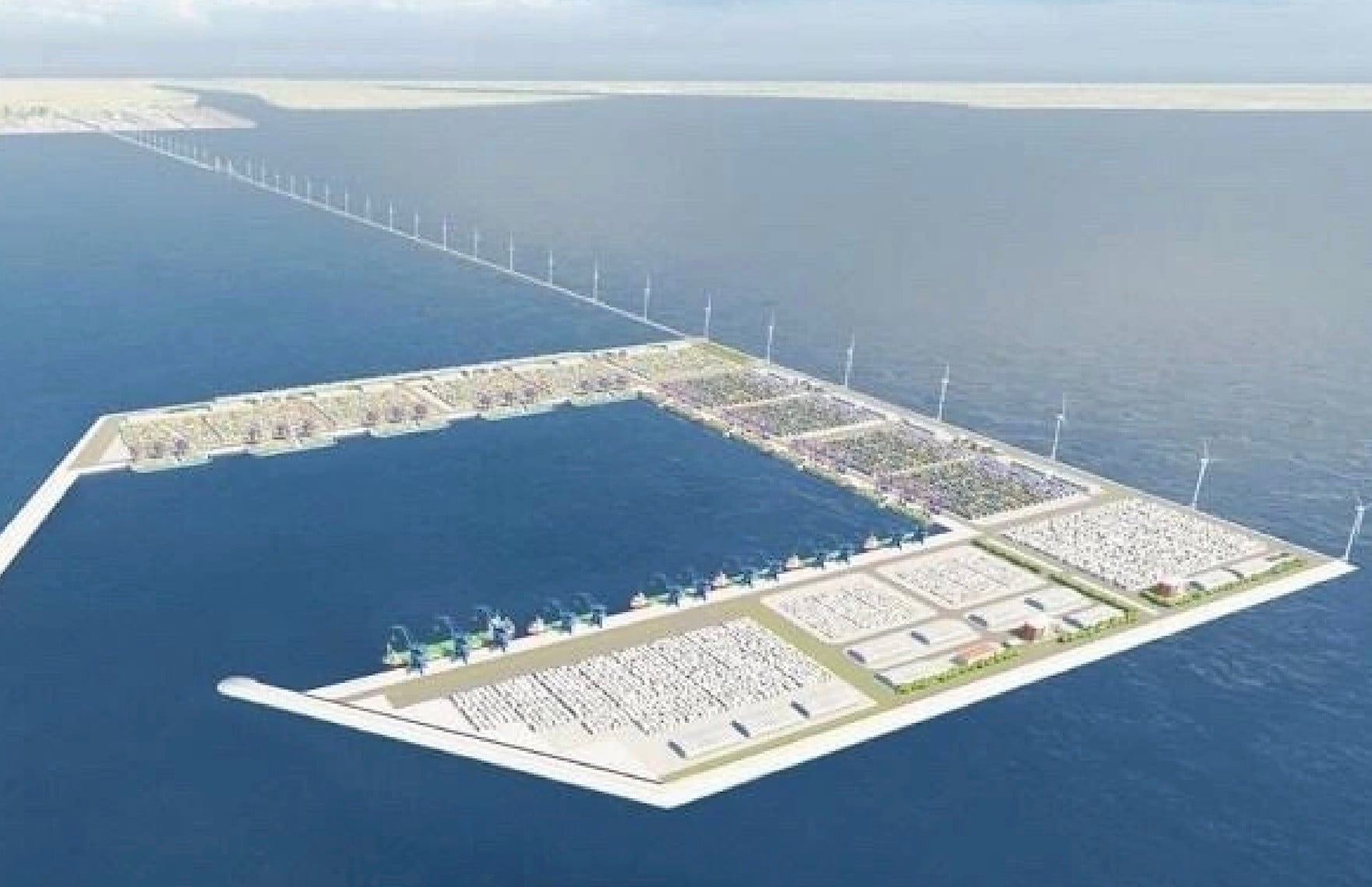
If only considering the economy, the efficiency of the billion-dollar Tran De super port needs to be considered. Although the estimated investment amount is up to billions of USD, the pure economic efficiency of the Tran De super port is still a matter of discussion.
Source: https://vietnamnet.vn/han-quoc-kiem-ty-usd-tu-kinh-te-phong-cach-song-viet-nam-bat-dau-nhap-cuoc-2469906.html
![[Photo] National Assembly Chairman Tran Thanh Man attends the VinFuture 2025 Award Ceremony](/_next/image?url=https%3A%2F%2Fvphoto.vietnam.vn%2Fthumb%2F1200x675%2Fvietnam%2Fresource%2FIMAGE%2F2025%2F12%2F05%2F1764951162416_2628509768338816493-6995-jpg.webp&w=3840&q=75)

![[Photo] 60th Anniversary of the Founding of the Vietnam Association of Photographic Artists](/_next/image?url=https%3A%2F%2Fvphoto.vietnam.vn%2Fthumb%2F1200x675%2Fvietnam%2Fresource%2FIMAGE%2F2025%2F12%2F05%2F1764935864512_a1-bnd-0841-9740-jpg.webp&w=3840&q=75)


























































Comment (0)