

Having spent nearly 40 years teaching, Mr. Do Trung Lai (retired), a former math teacher at Tan Chau High School (Tan Chau Town, An Giang Province), said that at school age, students inevitably experience impulsiveness and conflicts. When students violate discipline, the first thing a teacher needs to do is talk to them, empathize, and understand the reasons why they made mistakes, why conflicts escalated to fighting, etc. The challenge for a teacher is understanding the thoughts and feelings of their students. To teach students well, one must understand them. Because not all students have the privilege of having both parents, or being born and raised in families with material comforts and abundant love.
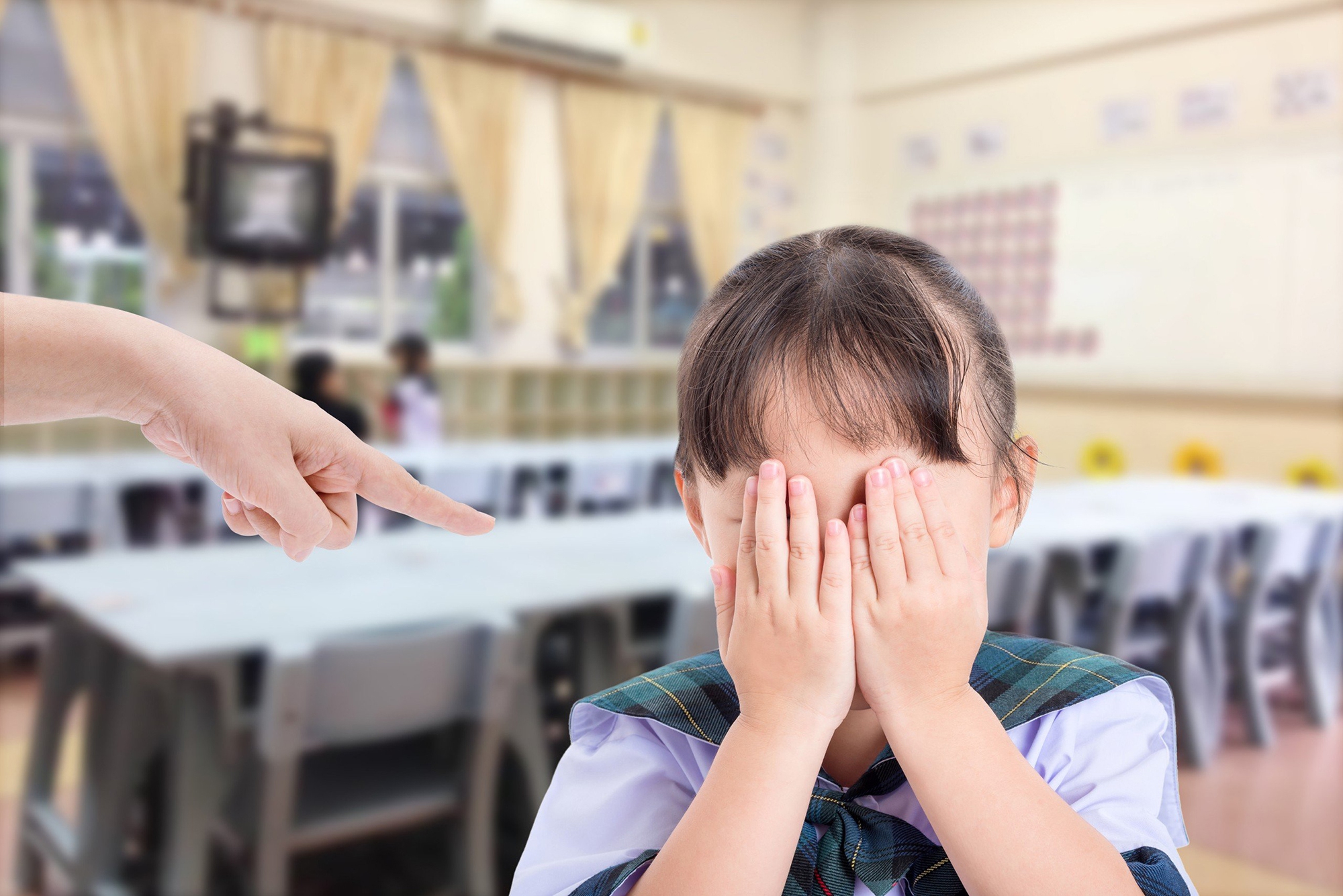
Schools are students' second homes, so disciplinary measures should be geared towards human values and achieving educational goals.
However, according to Mr. Lai, suspending students from school and forcing them to stay home is clearly not a good approach. At home, with no one to supervise or remind them, where will they go and what will they do? Could they be led astray by bad company, and wouldn't they just repeat their mistakes?
According to teacher Do Trung Lai, a reasonable and compassionate way to discipline students is to still allow them to attend school, even if they are not allowed in the classroom with their classmates. However, the student who violated the rules can still access the library and study room. They can read books, write down their thoughts and feelings, explain why they made the mistake, and express their hopes and desires. Alternatively, teachers can provide them with good books to read, have them write down the lessons they have learned from them, and engage in further conversations with them.
According to Mr. Lai, the education sector is currently building happy schools that care about students' emotions. Discipline based on love, as described above, can help students overcome feelings of inferiority and self-doubt, gradually leading them to become better people.
According to Mr. Pham Thanh Tuan, a teacher of civics at Dien Hong Secondary and High School (District 10, Ho Chi Minh City) and a member of the civics subject council of the Ho Chi Minh City Department of Education and Training, legally, suspending students from school for a limited period is not wrong, as per the Ministry of Education and Training's circular. However, that's the legal aspect; from a moral standpoint, if students are absent from school for one, two, or even longer weeks, they will lose knowledge. Furthermore, their parents are busy working outside the home and have no one to supervise them. If the children are not allowed to attend school, they might be drawn into social vices during this time…
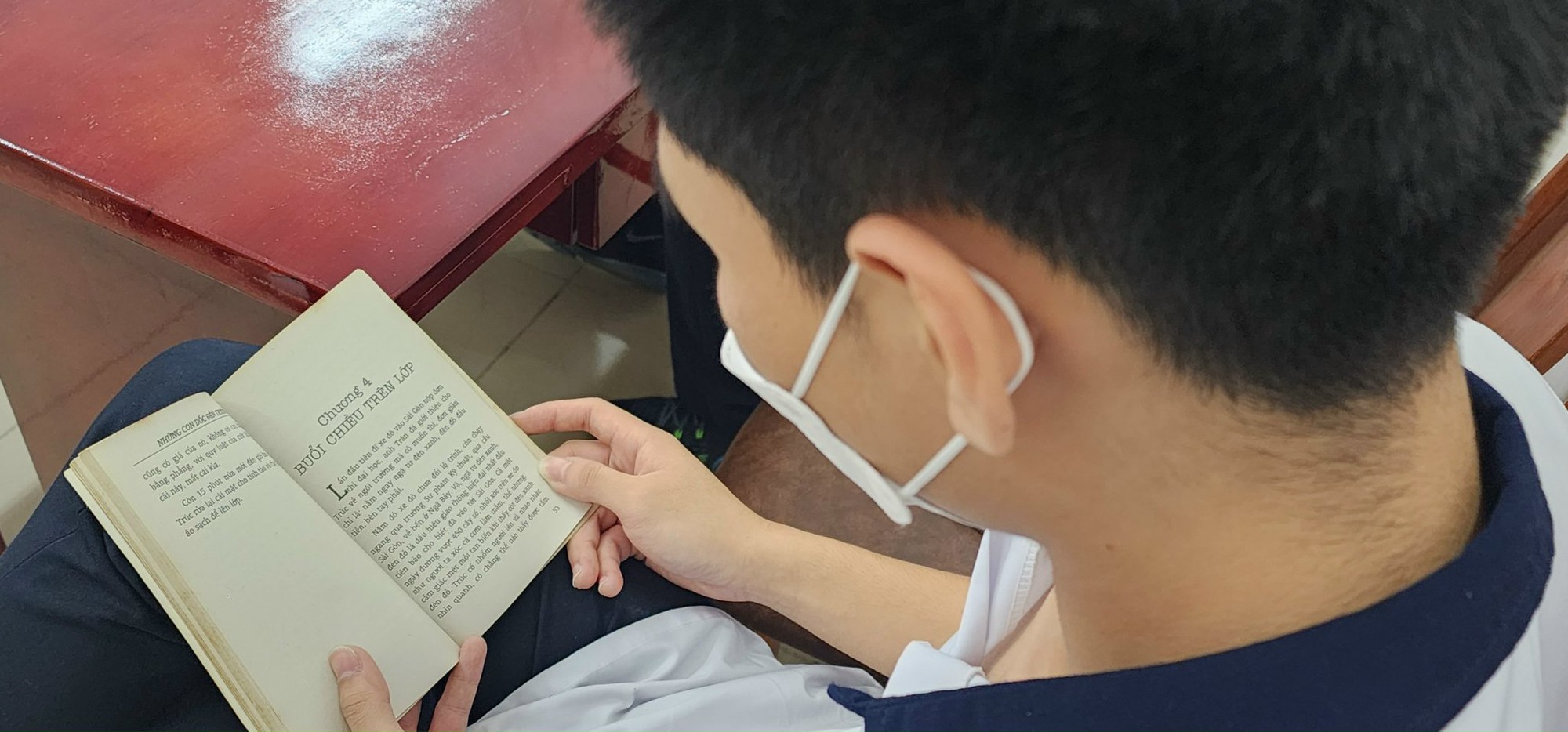
Reading books, writing reflections, or participating in community service activities... are some of the positive discipline solutions many schools are now pursuing.
According to Master's degree holder Le Van Nam, a teacher at Tran Van Giau High School (Binh Thanh District, Ho Chi Minh City), the learning environment is where students develop knowledge, skills, and values in life. In this process, disciplining students to ensure compliance with school regulations is crucial. Adherence to discipline is indispensable, but it needs to be implemented consistently, humanely, and with educational goals in mind. One of the goals of discipline is to help students understand and change their behavior.
"Instead of suspending classes, teachers, schools, and parents should talk to the students. The community needs to give them the opportunity to talk about the situation, the reasons why they engaged in violent or disruptive behavior… Then, adults should offer advice to help them understand the consequences of their actions and how they can change for the better," shared Master's degree holder Le Van Nam.
Source link





























































































Comment (0)