

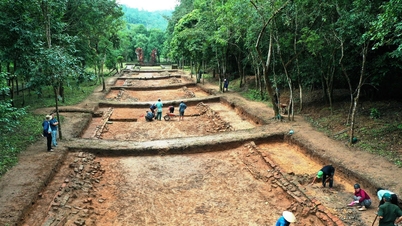
This event was organized following preliminary results from the archaeological excavation of the Truong Luy historical site in Gia Lai province, which lasted more than a month (from May 23 to June 30), carried out by the Gia Lai Provincial Museum in collaboration with the Southern Vietnam Institute of Social Sciences .
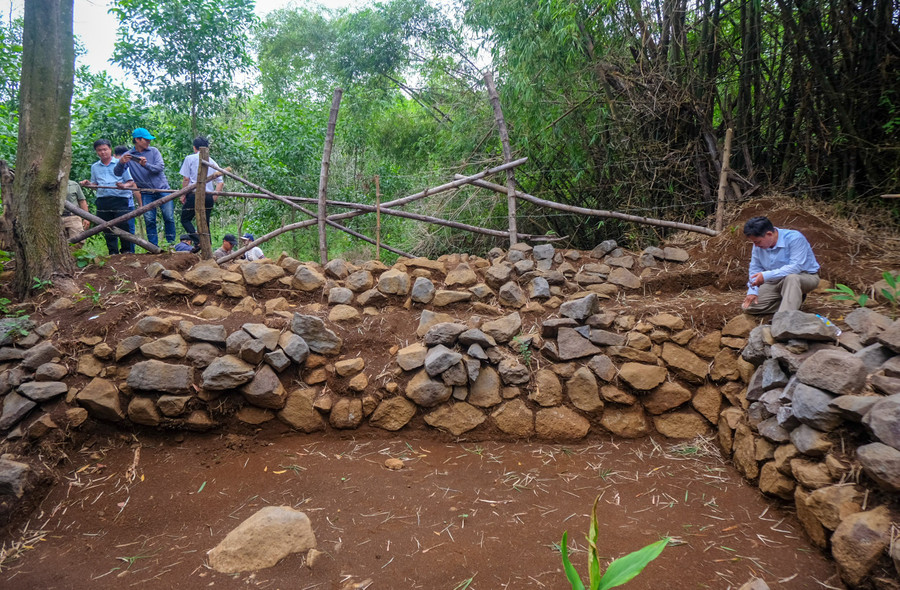
The archaeological excavation covered a total area of 200 m2 at three sites within the Trường Lũy historical complex located in Gia Lai province, including: H4 Fort (Hamlet 4, An Lão commune), Dông Hầm Fort (Hamlet 5, An Lão commune), and An Quang Fort (Hamlet 2, An Hòa commune). The excavation provided important data, clarifying the construction techniques and structure of the rampart system and the forts.
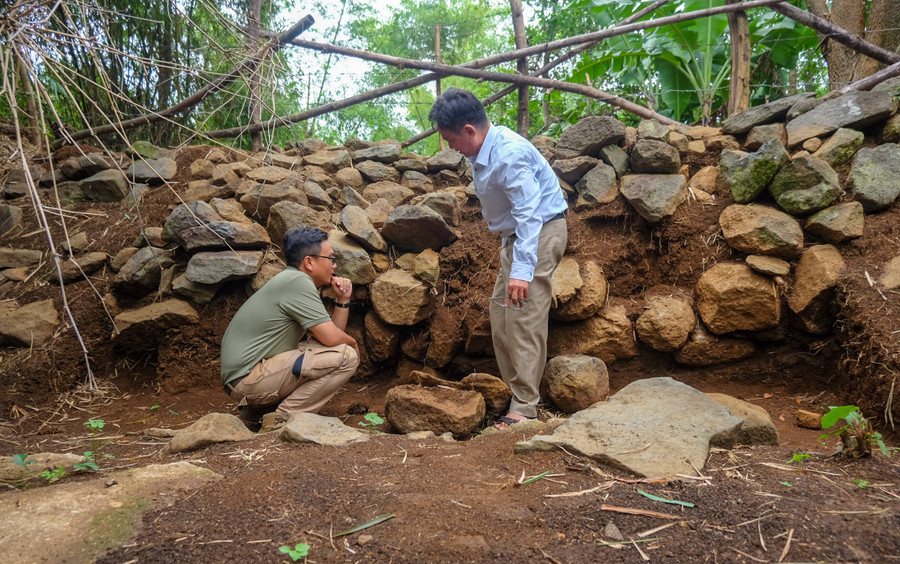
One of the most notable discoveries is the remains of guard posts at Dong Ham and H4 forts. These guard posts have a rounded structure and share many similarities with the guard post architecture previously found at Thu fort – a larger fort in the same system. This similarity is evident in the tightly organized defensive space, including corridors for soldiers, an outer moat system, and sturdy ramparts.
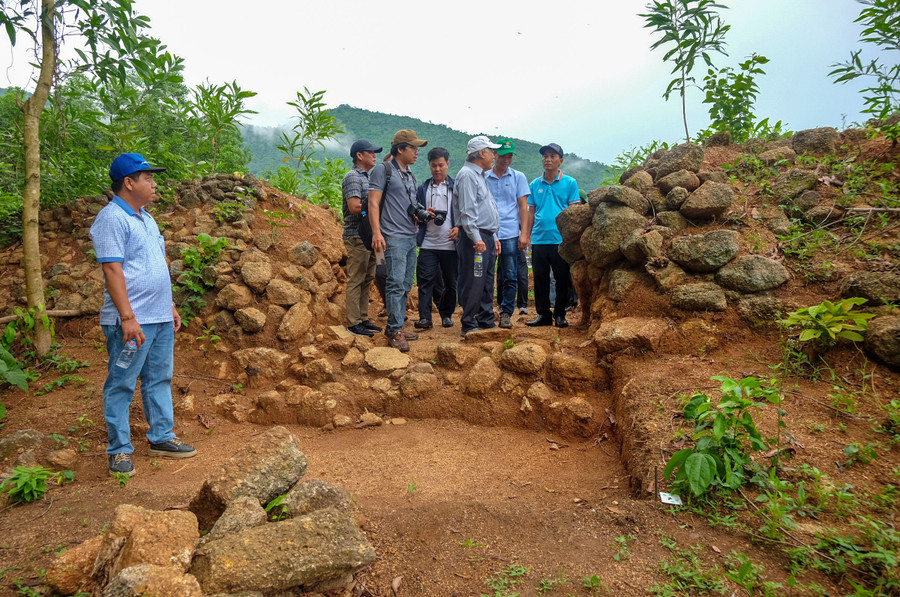
These findings further reinforce the hypothesis that the construction of the Great Wall and the network of forts/garrisons were not isolated projects, but part of a large-scale, organized master plan directly coordinated and supervised by the central government of the Nguyen dynasty.
The strategic purpose of the Trường Lũy rampart was to control and manage the crucial border region between the Kinh community in the lowlands and the ethnic minorities in the mountainous areas.
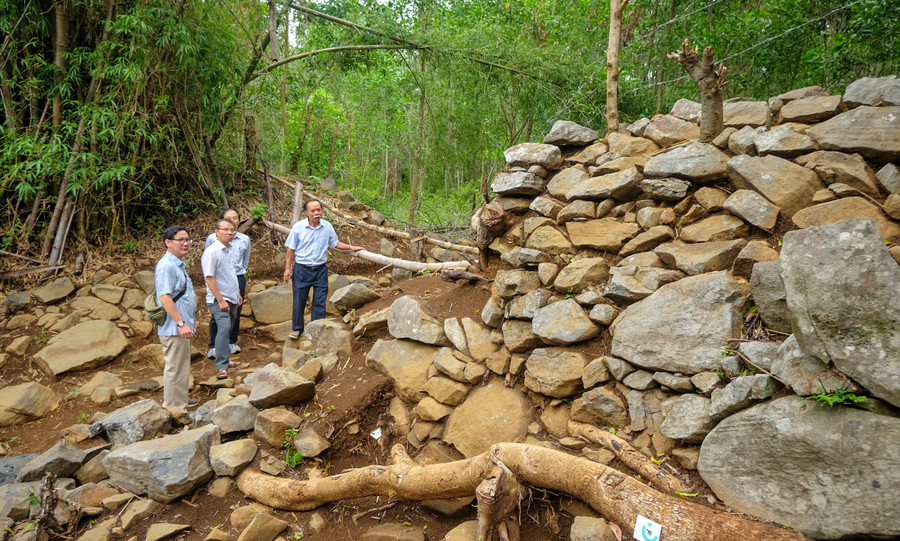
The results from the field trip, combined with archaeological reports, will provide a solid scientific basis for organizing a scientific conference on the theme "Research on the Value and Conservation Orientation of the Truong Luy Fortress in Gia Lai Province," scheduled to take place on August 25th at the Hai Au Hotel (Quy Nhon Nam Ward). The conference will present strategic directions, specific and feasible solutions for preserving and promoting the value of the Truong Luy Fortress – a unique defensive structure and a precious cultural heritage of Gia Lai province in particular, and Vietnam in general.
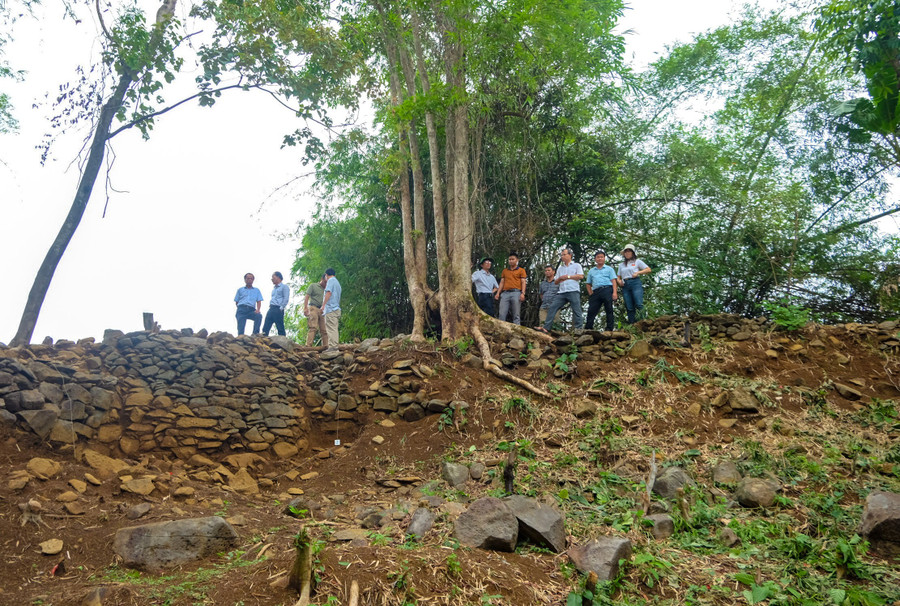
According to many scientific documents, Truong Luy is a mountain fortress dating back to the Nguyen Lords' era, but its construction was carried out on the largest scale during the Nguyen Dynasty, with the purpose of preventing attacks from the Man people (hence Truong Luy is also known as Tinh Man Truong Luy, Man Tran Luy, or Man Binh Luy); protecting the main road or mountain road, along with the population of the plains and mountainous areas.
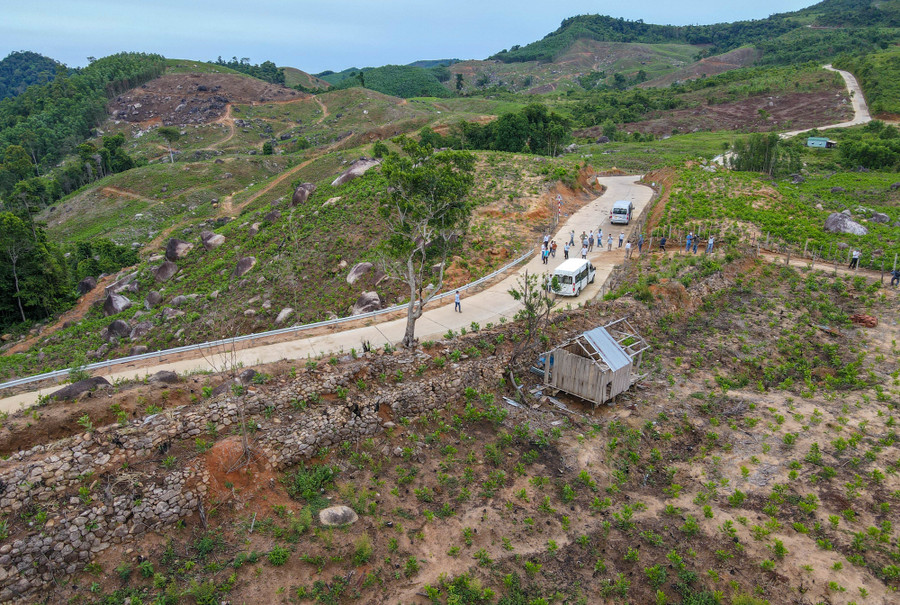
Modern scientific research indicates that the Trường Lũy defensive wall system is approximately 127.4 km long, stretching from Quảng Ngãi province to Gia Lai province. Of this, the section within Gia Lai province is over 14.4 km long, situated at an altitude of 400-800 meters above sea level, extending from Hoài Nhơn Bắc ward to An Lão and An Hòa communes. Along the entire Gia Lai section of the wall, there are 19 forts spaced 500-1000 meters apart; each fort has four watchtowers, each guarded by 10 soldiers.
Source: https://baogialai.com.vn/khao-sat-thuc-dia-di-tich-truong-luy-tinh-gia-lai-post564632.html

![[Photo] Two flights successfully landed and took off at Long Thanh Airport.](/_next/image?url=https%3A%2F%2Fvphoto.vietnam.vn%2Fthumb%2F1200x675%2Fvietnam%2Fresource%2FIMAGE%2F2025%2F12%2F15%2F1765808718882_ndo_br_img-8897-resize-5807-jpg.webp&w=3840&q=75)
























































































Comment (0)