


AI as a “digitalizer” - preserving heritage from oblivion
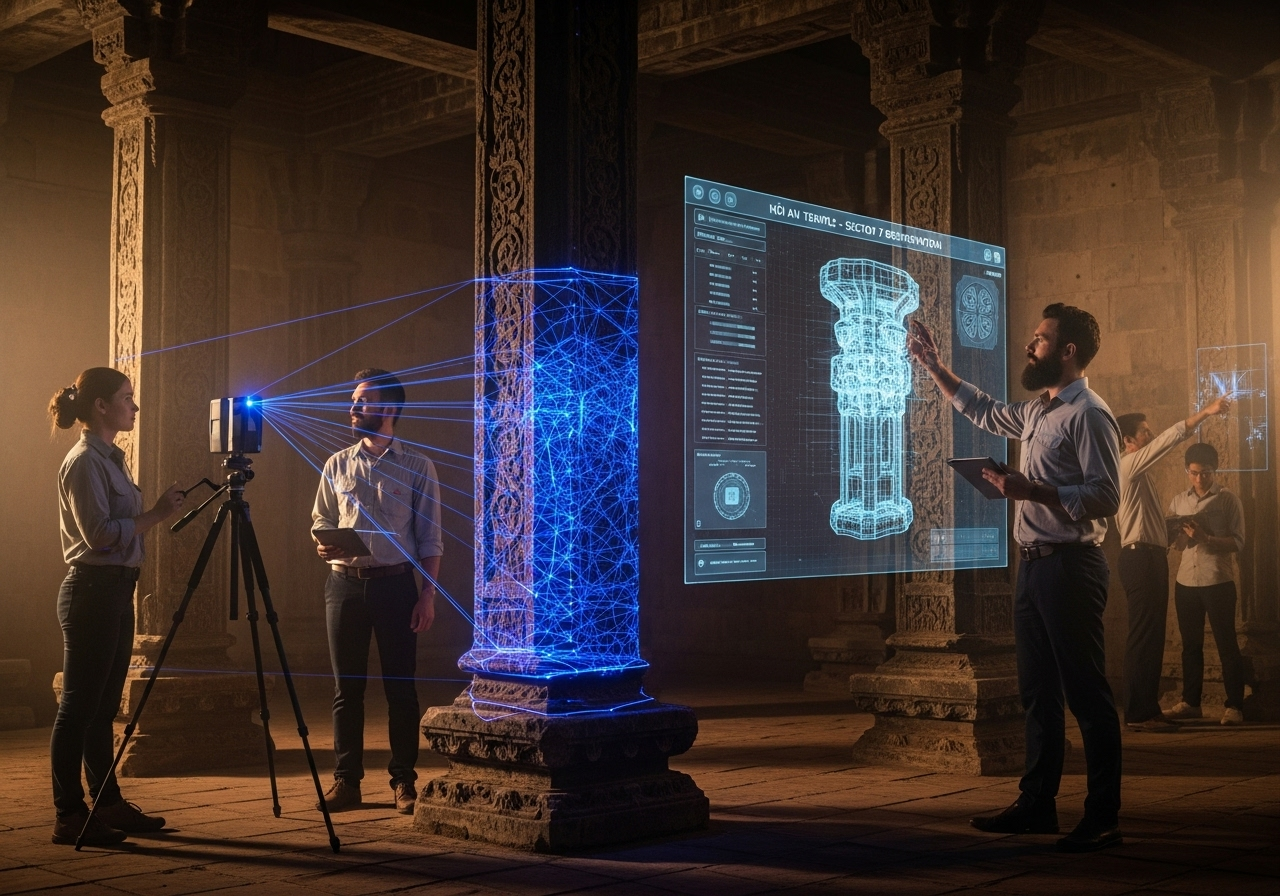
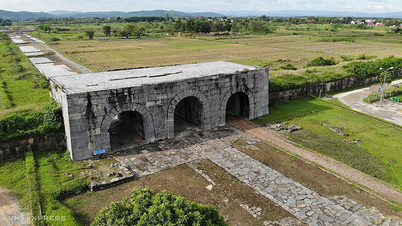
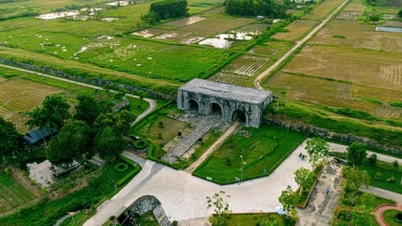
If in the past, preserving heritage images was mainly through photography, sketching or manual modeling, now AI combined with 3D scanning technology allows to reproduce the details of each brick and pattern. In the world , the CyArk project has applied this technology to preserve many famous relics such as Angkor Wat (Cambodia), Notre Dame Cathedral (France). In Vietnam, Co Loa citadel was scanned using LIDAR (forest-penetrating laser) technology, the data was then analyzed by AI, helping to discover more valuable archaeological traces, proving the culture more than 2,000 years ago.

AI as an “ancient language translator” - decoding ancient texts
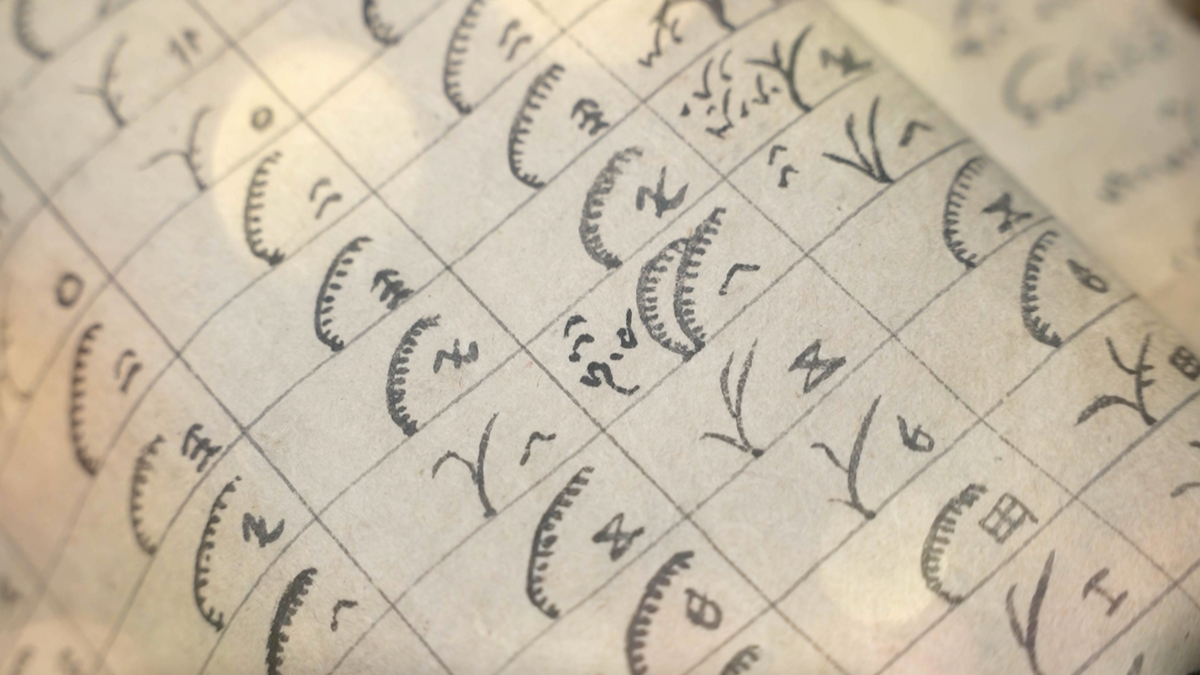
Many ancient documents with difficult-to-reference scripts such as Nom and Han often cause difficulties for research. AI is opening up new directions in decoding and digitizing these documents. Previously, Google used AI to decode the Dead Sea Scrolls. In Vietnam, the Han Nom Institute has tested AI to recognize Nom script, thereby converting ancient handwriting into digital text, contributing to bringing the treasure trove of steles, poetry, and genealogies closer to the community.
AI as a “virtual tour guide” - bringing heritage closer to the public
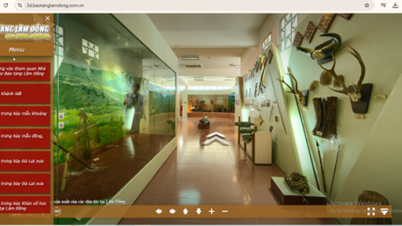
Smart museums around the world have applied virtual reality (VR), augmented reality (AR) and chatbot technology to serve visitors remotely. The British Museum (UK) is an example, allowing the public to experience exhibitions right at home.
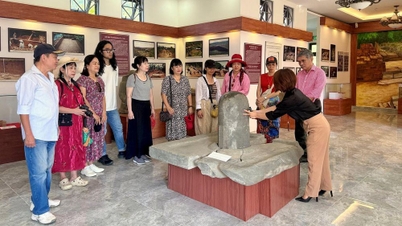
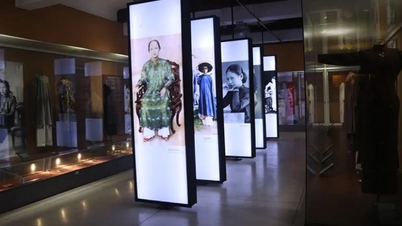
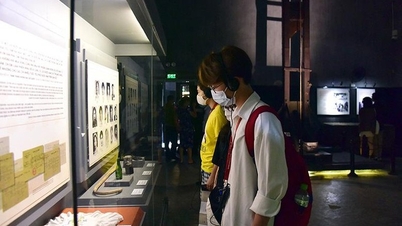
In Vietnam, the National Museum of History has deployed AR/VR applications, supporting visitors to explore artifacts from many angles, accompanied by virtual explanations using AI. Notably, from March 2025, Da Nang Museum officially opened with a new look, displaying more than 3,000 artifacts. The highlight is the intelligent robot Luna - capable of multilingual communication, guiding and introducing topics to visitors. The museum also uses 3D Mapping technology, 3D movies and modern projection forms, making the tour an intuitive and vivid experience.

The challenges posed
Besides the benefits, the application of AI in heritage conservation also faces some challenges:
+ Data sources are incomplete and inaccurate;
+ Risk of errors in decoding and interpreting cultural context;
+ Copyright and ethical issues when reproducing images, sounds, and artifacts;
+ Risk of following trends, losing the original value of heritage.
Solutions for AI and heritage to “coexist peacefully ”
For AI to truly become a useful tool in heritage conservation, it is necessary to:
+ Seriously invest in digitalization, ensuring data is complete, accurate and has cultural context;
+ Strengthen connections between cultural and historical experts and technology teams;
+ Building a clear legal corridor on copyright and data usage rights;
+ Promote propaganda work and raise public awareness about the supporting role of AI in heritage conservation.
AI can scan 3D, translate Nom script, restore ancient paintings or recreate relics, but all are just “extended hands” of humans. The soul of heritage still lies in the hearts of those who preserve and love it. If we know how to utilize AI skillfully, the young generation will not only learn history through books, but can also “touch” heritage in a new, vivid way. And thus, heritage will not only be preserved, but also revived and spread more strongly in today’s life.
According to https://dost.danang.gov.vn
Source: https://baotanghochiminh.vn/khi-ai-tro-thanh-nguoi-giu-hon-di-san.htm

![[Photo] Parade to celebrate the 50th anniversary of Laos' National Day](/_next/image?url=https%3A%2F%2Fvphoto.vietnam.vn%2Fthumb%2F1200x675%2Fvietnam%2Fresource%2FIMAGE%2F2025%2F12%2F02%2F1764691918289_ndo_br_0-jpg.webp&w=3840&q=75)

![[Photo] Worshiping the Tuyet Son statue - a nearly 400-year-old treasure at Keo Pagoda](/_next/image?url=https%3A%2F%2Fvphoto.vietnam.vn%2Fthumb%2F1200x675%2Fvietnam%2Fresource%2FIMAGE%2F2025%2F12%2F02%2F1764679323086_ndo_br_tempimageomw0hi-4884-jpg.webp&w=3840&q=75)













































































Comment (0)