

Lesson 1: Vietnam emerges in the global supply chain.
The adjustment of US tariff policies on goods from China is driving a strong shift of capital and supply chains to Southeast Asia. In this context, Vietnam is becoming a strategic destination thanks to its advantageous location, cost-effectiveness, and network of FTAs (free trade agreements), opening up opportunities to attract investment and expand manufacturing markets.
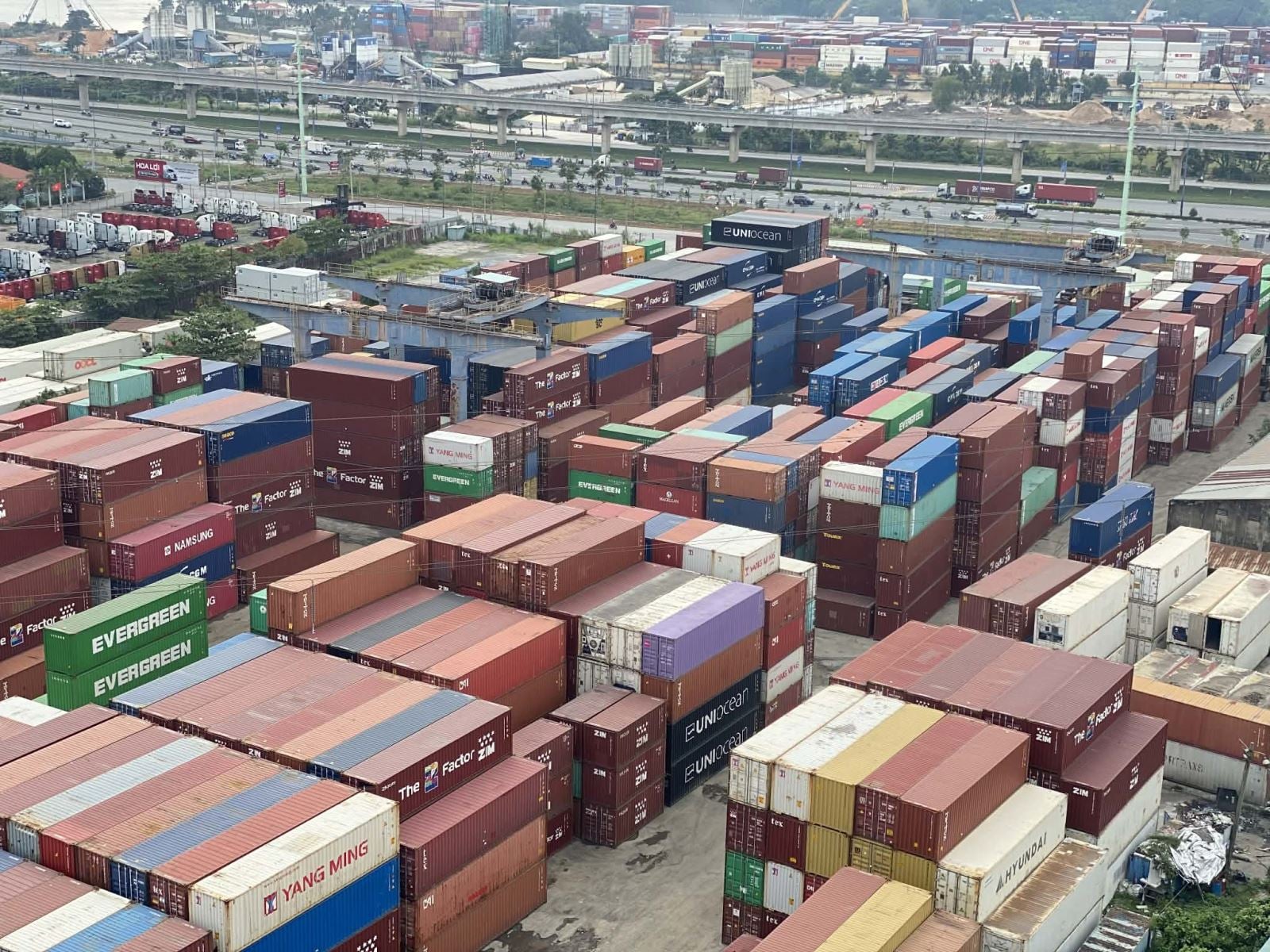
Impact of US tariffs
The US increase in tariffs on goods from China and many Asian economies has triggered the largest wave of supply chain adjustments in decades. The new tariff packages not only target high-tech industries but also extend to consumer goods, equipment, components, and raw materials – sectors previously less affected. This has significantly increased export costs for Chinese businesses, forcing international corporations to reconsider their global operational strategies.
According to Wells Fargo Supply Chain Finance, over the past 10 years, the percentage of suppliers from China, Hong Kong, and South Korea in the US supply chain has fallen from 90% to 50%. This decline reflects a profound restructuring process: Supply chains are shifting from a centralized to a decentralized model, from reliance on a single source to diversification of production locations to mitigate geopolitical risks.
In this context, Southeast Asia has emerged as a major beneficiary region. Vietnam, in particular, is considered a preferred destination due to its proximity to China, the world's largest manufacturing hub, and its rapid connectivity to regional supply chains.
Data from the Project 44 logistics platform shows that trade from China to South Asia and the Pacific has increased sharply, with Vietnam experiencing a 23% surge. This is one of the highest growth rates in the region, reflecting a clear shift toward Vietnam in both transportation and manufacturing allocation.
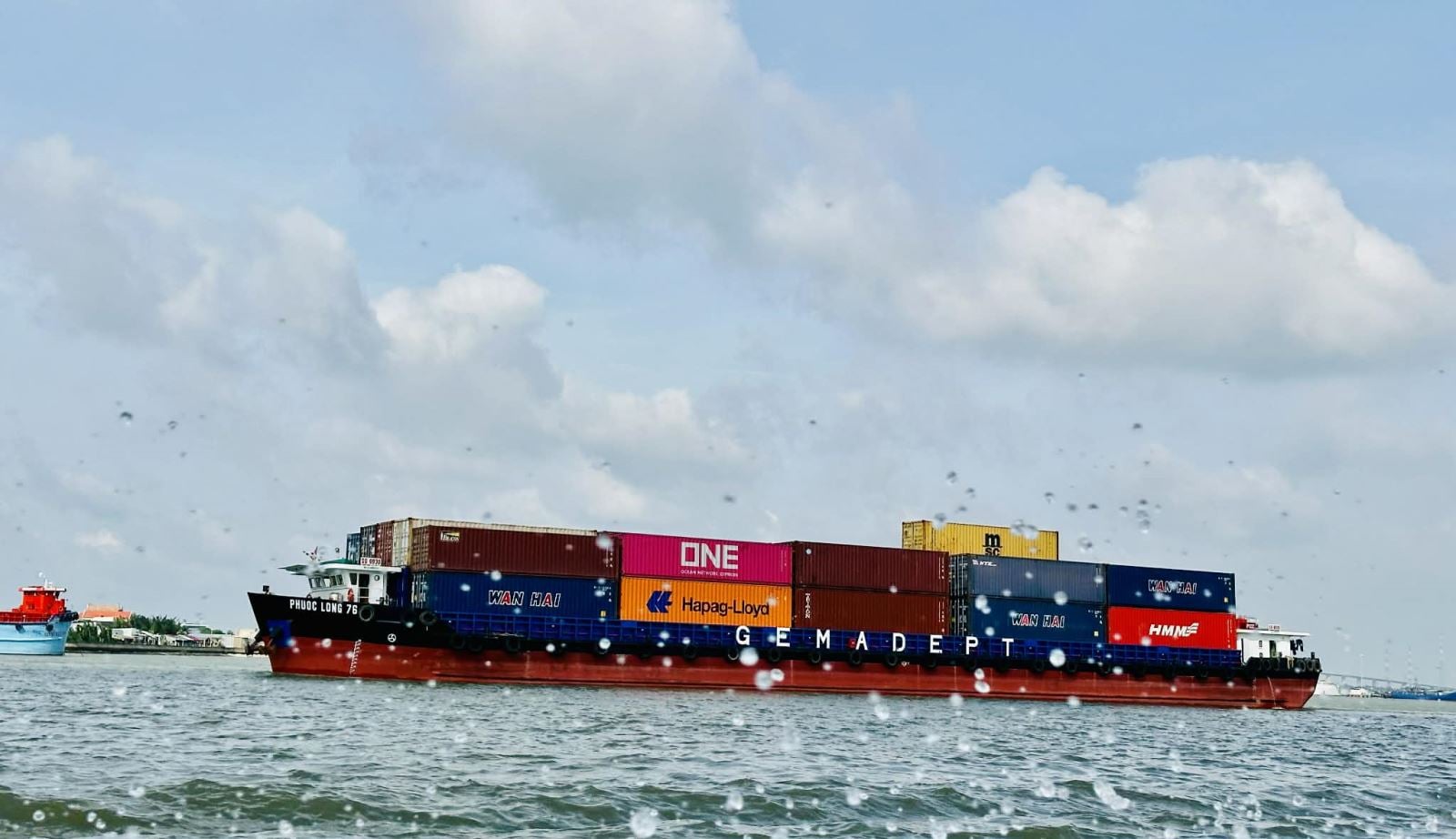
Economists assess that the US tariff policy has created a "domino effect": Chinese businesses have to shift some of their production overseas to maintain their ability to export to the US, while businesses in the US, Europe, and Asia need to find more stable sources of supply to reduce their dependence on China. Vietnam meets both needs, possessing advantages in costs and labor, a comprehensive FTA system covering a wide market, and maintaining a stable economic policy.
Although Vietnam is among the countries with a large trade surplus with the US, the 20% tariff imposed on Vietnamese goods has not significantly reduced Vietnam's attractiveness to investors. However, large corporations in the electronics, components, fast-moving consumer goods, and textile industries continue to expand their capacity, viewing Vietnam as a production location to offset risks from rising costs in China and increasingly stringent trade controls.
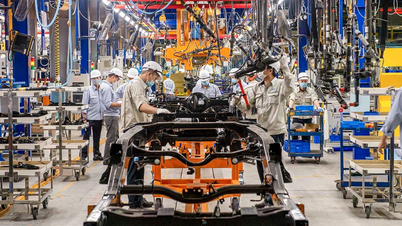
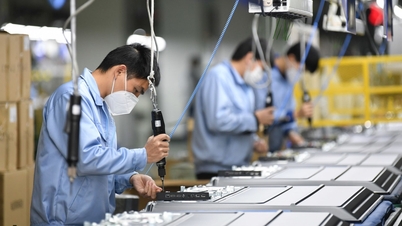
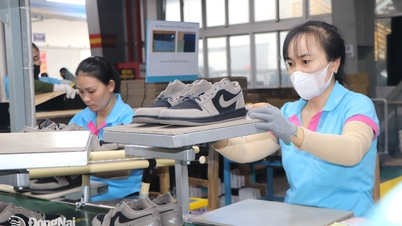
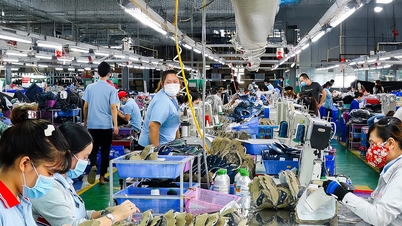
Vietnam also benefits from the development trend of multi-hub production models. In this model, China remains the central supplier of components and materials, while Vietnam handles assembly, finishing, and value-added processing. This helps businesses save costs while avoiding trade risks.
Overall, US tariffs have not only created a wave of factory relocation but also changed market strategies, supply chain structures, and FDI flows. Vietnam is in the right place at the right time to welcome this wave.
Vietnam benefits from a double advantage.
According to economic experts, Vietnam is currently benefiting from two major trends: the shift of production to China+1 and the demand for expanding consumer markets from international businesses. More than just a "substitute factory," Vietnam is becoming an attractive consumer market thanks to its nearly 100 million inhabitants, a growing middle class, and increasing spending on consumer goods and technology.
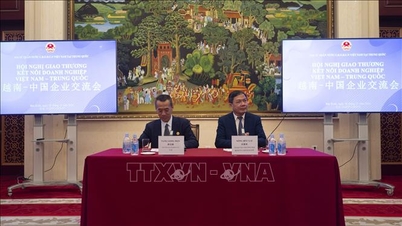
A notable point is the shift in market thinking among Chinese businesses. Previously, most Chinese brands focused on exporting to the US and Europe, paying little attention to the Southeast Asian market. Now, with US tariffs driving up costs, they see Vietnam as a potential destination to maintain export growth and expand domestic consumption.
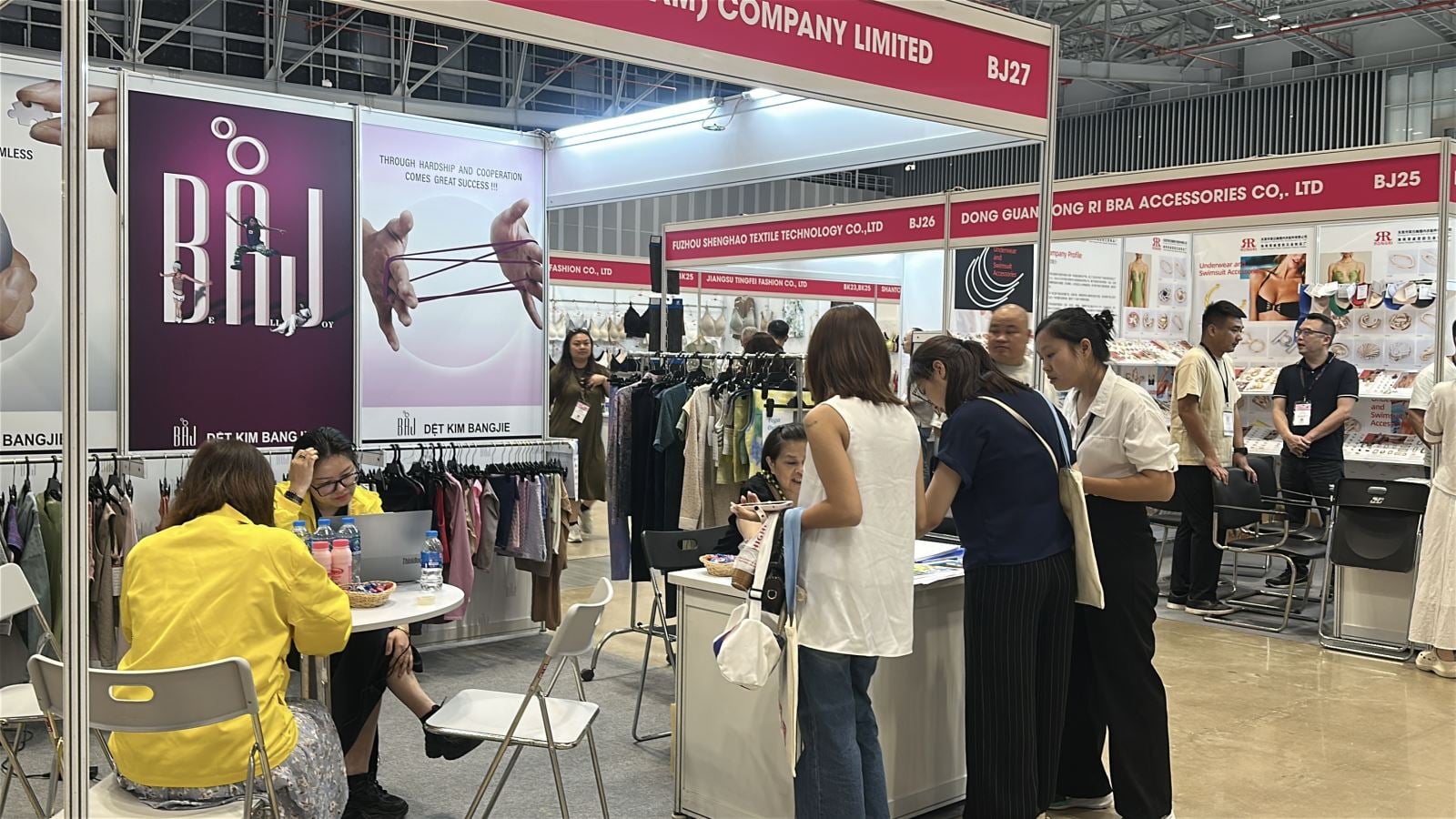
According to Shopee Vietnam, many large Chinese brands are proactively exploring the process of bringing goods into Vietnam through official channels. Mr. Tran Tuan Anh, CEO of Shopee Vietnam, stated that their primary concern is compliance with Vietnamese law. Notably, these are the same brands that Shopee initially invited to collaborate with, but they declined because they focused solely on the US and EU markets. Now, with the changing circumstances, they are returning to propose cooperation.
"In the near future, many high-quality, reasonably priced Chinese domestic brands will flood the Vietnamese market, moving away from the image of cheap, low-quality goods as before. However, this will also create immense competitive pressure for Vietnamese businesses," Mr. Tuan Anh emphasized.
The shift of Chinese brands shows that Vietnam is becoming a key market in regional strategy. At the same time, FDI flows from Japan, South Korea, Singapore, Taiwan, and other countries continue to increase, focusing on electronics, components, consumer goods, energy, and supporting industries. International businesses consider Vietnam not just an assembly point but a crucial link in Asia's new manufacturing structure.
This dual benefit opens up significant opportunities for Vietnam to increase its role in the global value chain. However, to fully capitalize on this, Vietnam needs to continue improving its logistics infrastructure, human resources, and supporting industries – factors that determine its ability to retain long-term capital flows.
Lesson 2: The domestic market enters a new competitive phase.
Source: https://baotintuc.vn/kinh-te/lan-song-chuyen-dich-dau-tu-bai-1-viet-nam-noi-len-trong-chuoi-cung-ung-toan-cau-20251208165055031.htm


















































































Comment (0)