

Chinese goods are flooding the market.
Along with the shift in supply chains, the Vietnamese domestic market is witnessing a strong wave of expansion by Chinese brands. Their increasingly concentrated presence in retail, cosmetics, toys, fashion , F&B, household goods, and lifestyle products is creating new competition, especially in large shopping malls.
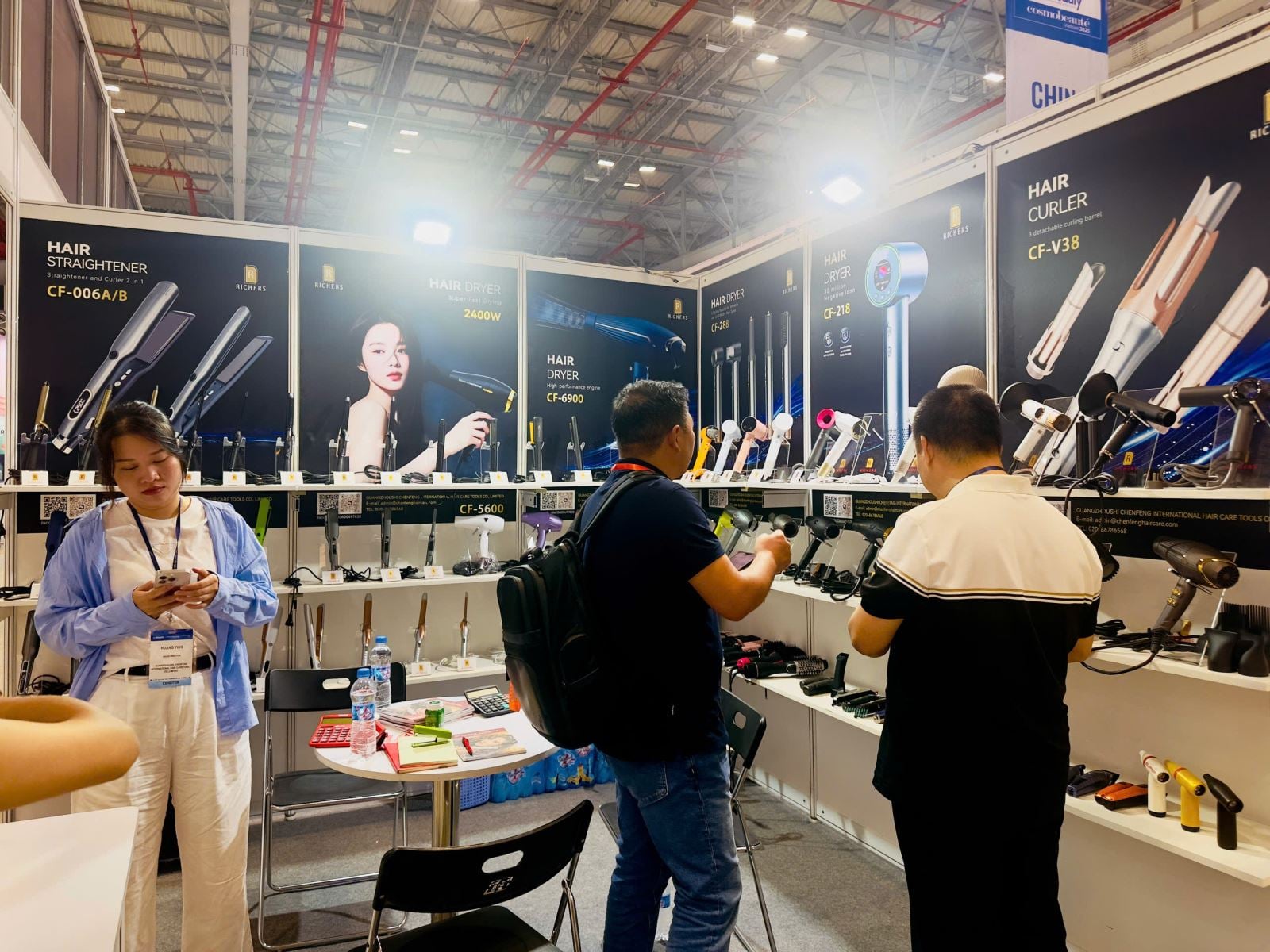
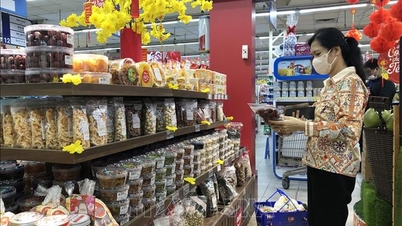
In the retail and food & beverage (F&B) sector, chains like KKV, Popmart, Colorist, Mixue, Haidilao, etc., are expanding rapidly with a high rate of store coverage and a strategy of selecting prime locations. Ho Chi Minh City and Hanoi are their priority markets due to high consumer density and the modern shopping habits of young people.
According to CBRE Vietnam, current consumer trends lean towards a "shopping experience" model. Chinese brands are quick to adapt and implement eye-catching store models with many entertainment elements, constantly launching trendy products, helping them quickly create brand awareness and attract young people.
Not only limited to retail chains, officially imported Chinese goods are expected to increase sharply in the final months of 2025. According to the General Department of Customs, by the end of October 2025, import turnover from China reached over 150 billion USD, an increase of over 25% compared to the same period. By November 2025, this figure is estimated to reach 167.5 billion USD, accounting for more than 40% of Vietnam's total import turnover. Many product groups are experiencing strong growth, such as machinery, equipment, electronic components, chemicals, plastics, textile and footwear raw materials and accessories, and consumer goods.
One notable point is that the trade deficit with China after 11 months has exceeded $100 billion, reflecting the significant role of this market in the domestic supply chain and demonstrating the increasingly deep dependence on Chinese goods.
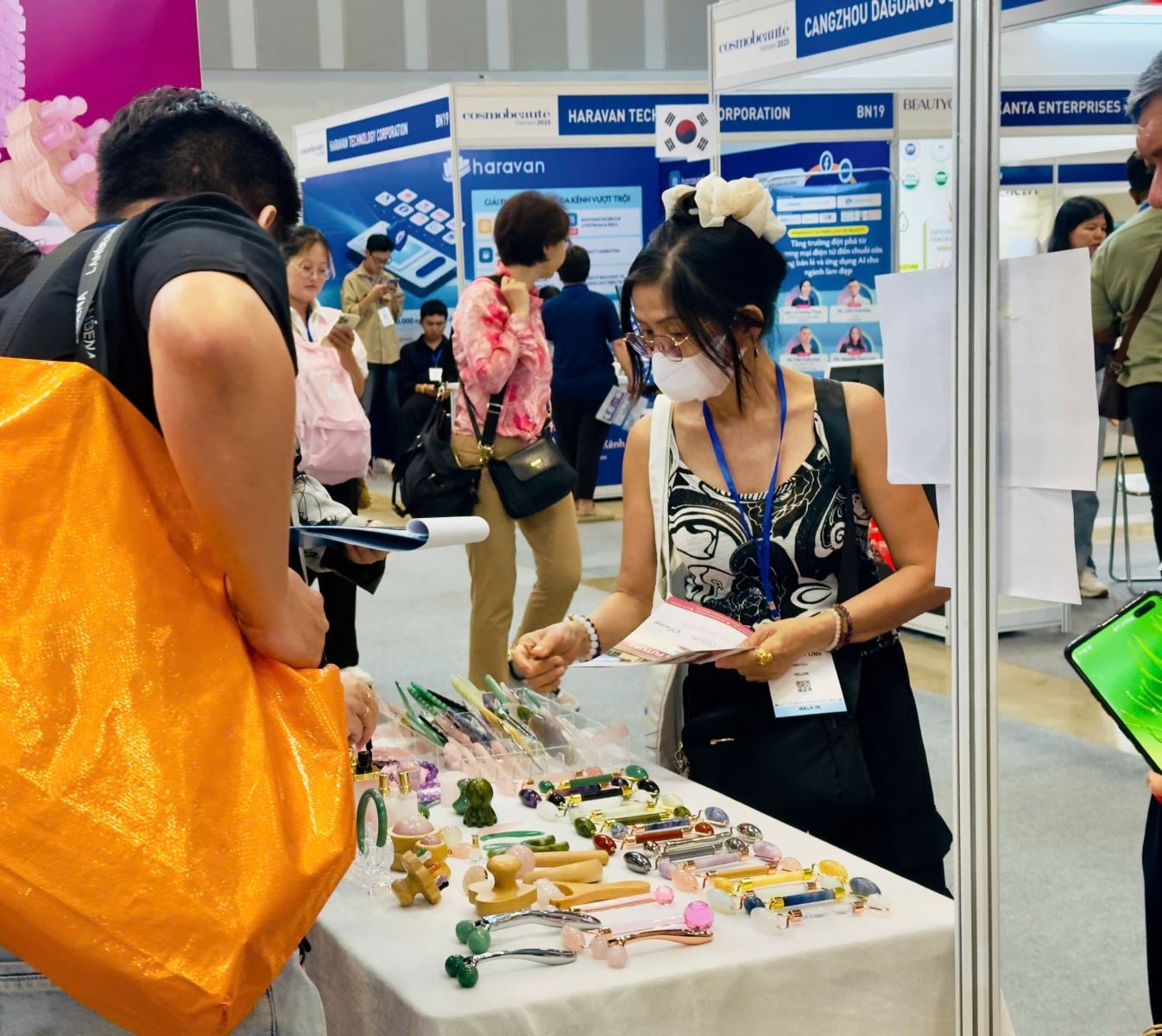
Simultaneously, from October to December 2025, a series of trade promotion exhibitions in Ho Chi Minh City witnessed an overwhelming participation of Chinese businesses. At Vietnam Expo HCMC 2025, the Chinese pavilion accounted for a large proportion of the international exhibitors. At the IGHE 2025 Home Appliances and Gifts Exhibition, with over 500 booths, Chinese businesses held a significant share. At the VHHE 2025 Hardware and Hand Tools Exhibition, many categories of industrial machinery and equipment were almost entirely dominated by Chinese companies.
According to organizers, the number of Chinese businesses registering to participate in exhibitions in Vietnam has increased 1.5 to 2 times compared to previous years, indicating that the Vietnamese market is becoming an important trade and consumption destination in their regional strategy.
Competitive pressure to gain market share
The influx of Chinese goods and brands has led to a more intense competitive phase in Vietnam's domestic market. In many segments such as fashion, cosmetics, footwear, F&B, household goods, and small appliances, Vietnamese businesses are facing significant pressure in terms of price, speed of new product introductions, and customer experience.
A representative from Vina Giày stated that the biggest pressure comes from Chinese goods, which are cheaper, more visually appealing, and change designs quickly. Simply surviving the post-pandemic period is difficult, and now domestic businesses have to compete with brands that have strong manufacturing foundations built over decades.
KIDO Group has also observed a similar trend. In the last six months alone, the company has worked with nearly 20 trade promotion delegations from China, demonstrating a significant level of interest in the Vietnamese market. To respond, KIDO is accelerating investment in digital transformation and applying AI to its sales system to optimize costs and increase market coverage efficiency. This is preparation for a long-term battle.
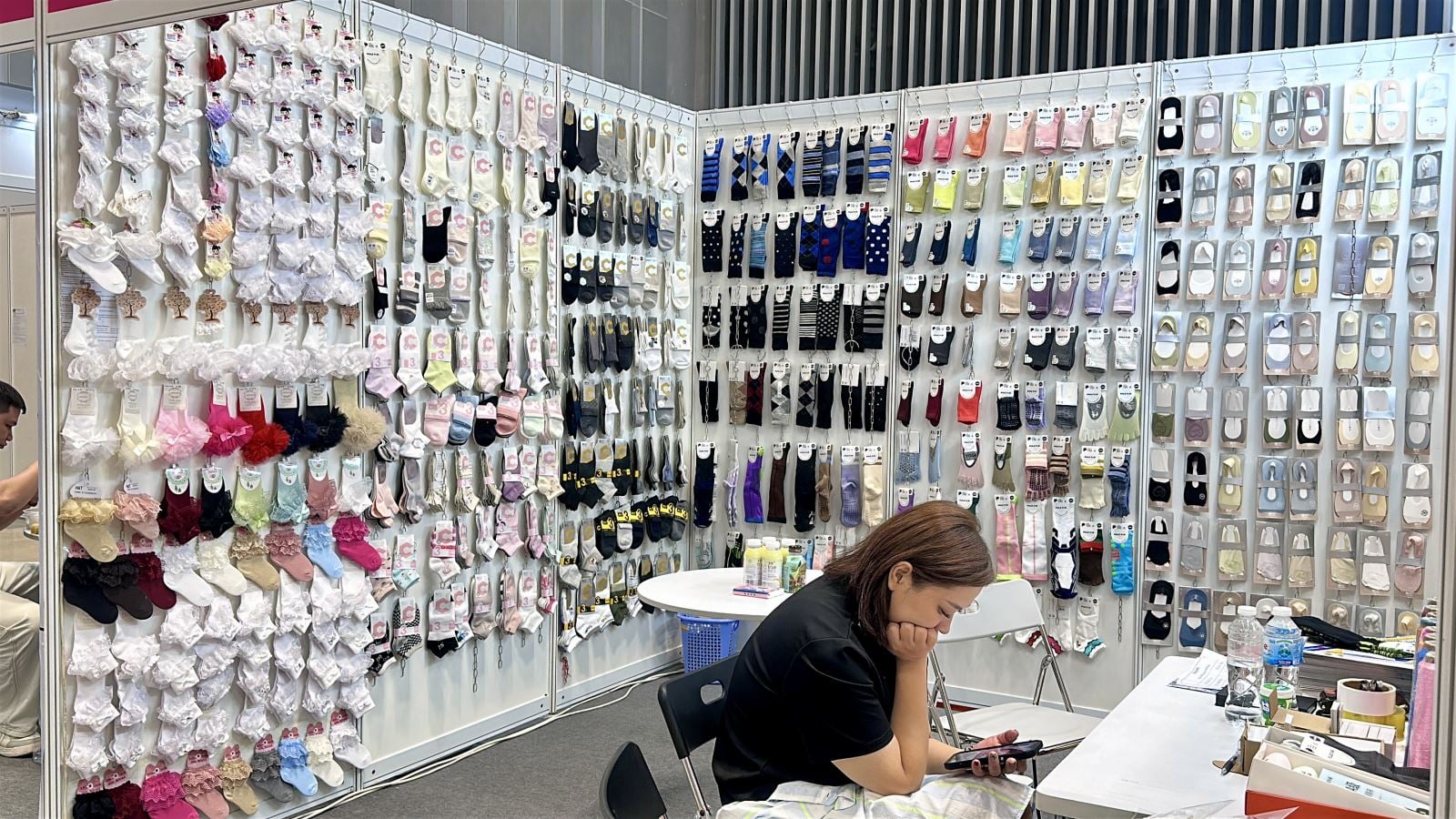
Competition isn't just about low prices. Chinese brands are shifting towards positioning themselves as high-quality, attractively designed products with a well-structured branding strategy. Many of their products no longer carry the "cheap - low quality" image of the past, but instead target the mid-range segment, a group where Vietnamese businesses currently hold a large market share.
Notably, the Gen Z consumer wave is changing the market structure. A retail expert quoted by CBRE stated: “The competition is no longer about the number of stores, but about the ability to create experiences. Whoever captures Gen Z will win the market.” This explains why many Chinese brands are investing heavily in store design, trendy products, influencer marketing, and integrated entertainment-shopping models.
In the import landscape, the level of dependence on Chinese goods also adds pressure. With official imports increasing at double-digit rates, without appropriate management measures, Vietnamese businesses will find it difficult to maintain market share domestically. Economic experts warn that tightening management of cross-border trade, especially small-scale trade via e-commerce platforms, is necessary to ensure fair competition.
The period from 2025 to 2026 is predicted to be the most vibrant time in Vietnam's domestic market in many years, with a mix of opportunities from FDI inflows and challenges from domestic competition. Economic experts recommend that Vietnamese businesses must innovate their business models, improve product quality, invest in branding, and increase their self-reliance to protect their market share in the context of increasingly fierce competition.
Source: https://baotintuc.vn/kinh-te/lan-song-chuyen-dich-dau-tu-bai-cuoi-thi-truong-noi-dia-buoc-vao-cuoc-canh-tranh-moi-20251208165215006.htm
![[Image] Vietnam's colorful journey of innovation](/_next/image?url=https%3A%2F%2Fvphoto.vietnam.vn%2Fthumb%2F1200x675%2Fvietnam%2Fresource%2FIMAGE%2F2025%2F12%2F14%2F1765703036409_image-1.jpeg&w=3840&q=75)



























































![[Image] Vietnam's colorful journey of innovation](https://vphoto.vietnam.vn/thumb/402x226/vietnam/resource/IMAGE/2025/12/14/1765703036409_image-1.jpeg)






























Comment (0)