

Recently, respiratory illnesses have been on the rise. The elderly, young children, and those with chronic diseases are particularly vulnerable. So what can people do to prevent respiratory illnesses?
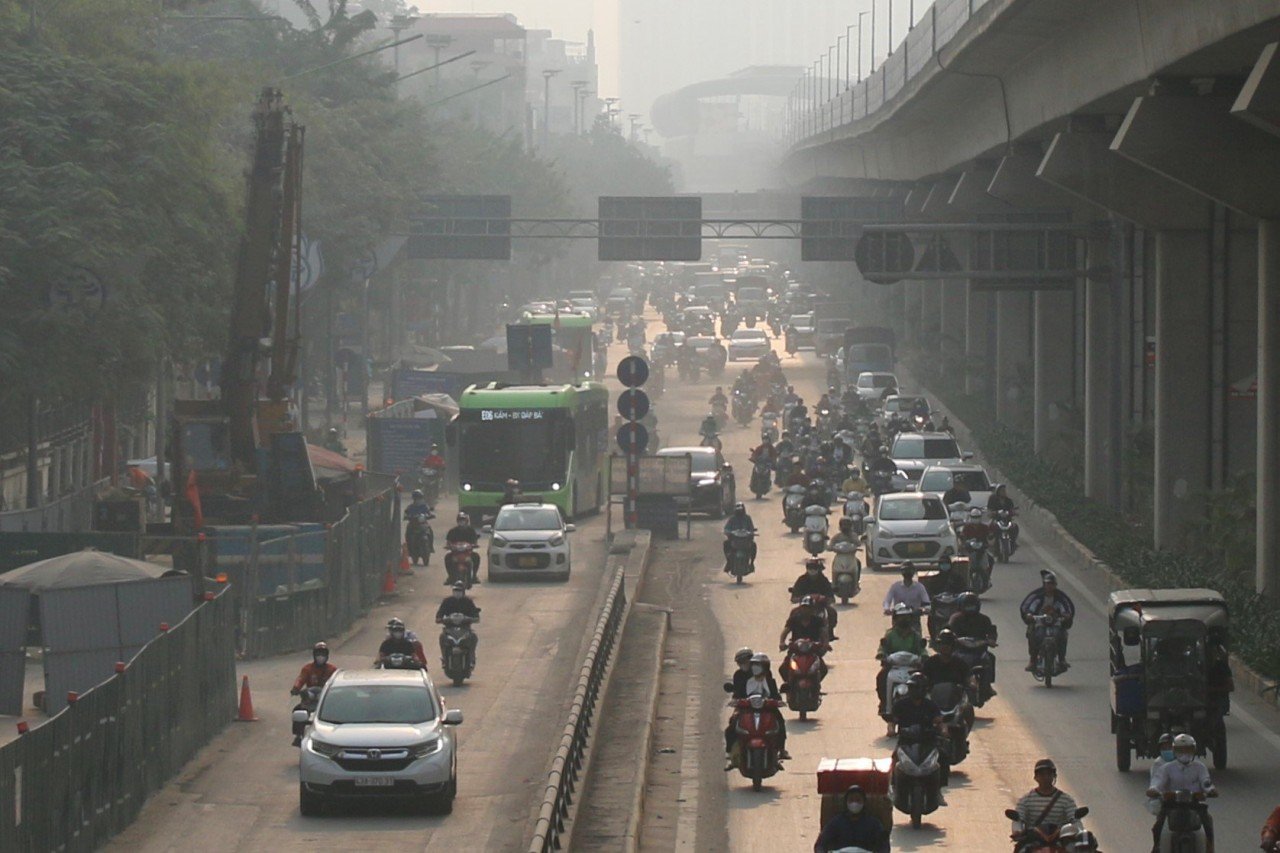 |
| Air pollution is one of the reasons for the rapid increase in respiratory diseases. |
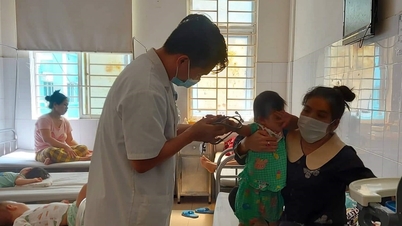
According to MSc. Dr. Vu Thi Diu, Deputy Head of the Respiratory Internal Medicine Department, 19-8 Hospital, cold weather combined with air pollution is the cause of the increase in respiratory diseases. Some common respiratory diseases during this time include influenza, pneumonia, tonsillitis, rhinitis, runny nose, allergic sinusitis, etc.
When suffering from respiratory illnesses, patients may experience symptoms such as: sneezing; runny nose; fever; cough with phlegm or coughing up blood; in some severe cases, chest pain or even difficulty breathing.
Preventing respiratory diseases
Prevention can help reduce the risk of respiratory illnesses or prevent worsening in people with pre-existing conditions. To prevent respiratory illnesses, people can proactively take the following measures.
- Wear a mask when going outside: Due to the increasingly high air pollution levels, people need to protect themselves when exposed to the outdoor environment.
When going outside, it's best to wear a mask, preferably an N95 or N99, as these types of masks can filter fine dust. At home, people should use air purifiers and ensure good ventilation.
Diet plays a crucial role in boosting the body's immunity. You should supplement and enhance your daily diet with nutritious foods. Additionally, you can increase your intake of vitamins and minerals through various foods or by taking micronutrient supplements such as zinc, vitamin C, and probiotics.
Some foods that are good for the respiratory system and boost immunity include: broccoli, oranges, apples, green vegetables, eggs, milk… In addition, don't forget to drink at least 2 liters of water every day.
Drinking enough water helps ensure adequate hydration, promotes efficient metabolism, boosts immunity, and reduces the risk of certain illnesses, including respiratory diseases.
- Cleanse your nose and throat daily , and wash your hands and feet with soap/antibacterial water after returning home from outside.
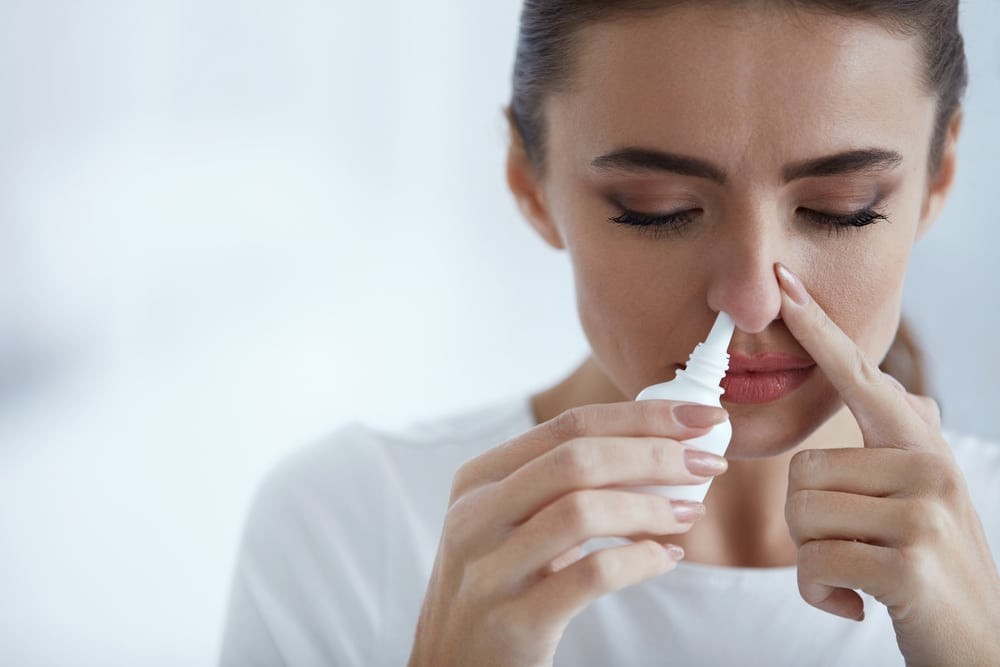 |
| People should wash their noses, throats, and hands and feet daily to reduce the risk of respiratory illnesses. |
- Maintain a balanced exercise and rest schedule , get enough sleep, and avoid stress and fatigue. Frequent stress and fatigue can negatively impact the body's immune system.
Therefore, people need to maintain regular exercise to boost their immune system; some breathing exercises are also very good for the respiratory system. Furthermore, exercise is also a way to reduce tension and stress.
- Avoid getting cold : During seasonal changes, avoid sudden exposure to cold temperatures, such as taking cold showers or going outside without keeping warm. You need to keep your body warm, especially your neck, chest, feet, and hands.
For cases with transient symptoms such as sneezing and runny nose, common cold and flu medications can be used, or folk remedies like lemon, kumquat, and honey can be employed to alleviate the symptoms.
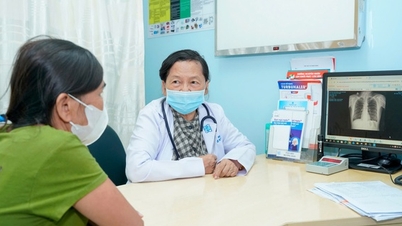
However, in cases with dangerous symptoms such as persistent high fever, shortness of breath, prolonged cough, coughing up blood, etc., it is necessary to go to a medical facility for examination and treatment immediately. Similarly, people with symptoms of upper respiratory tract infections or underlying medical conditions should also seek medical attention to avoid serious complications.
Source
































![[Video] The craft of making Dong Ho folk paintings has been inscribed by UNESCO on the List of Crafts in Need of Urgent Safeguarding.](https://vphoto.vietnam.vn/thumb/402x226/vietnam/resource/IMAGE/2025/12/10/1765350246533_tranh-dong-ho-734-jpg.webp)



























































Comment (0)