

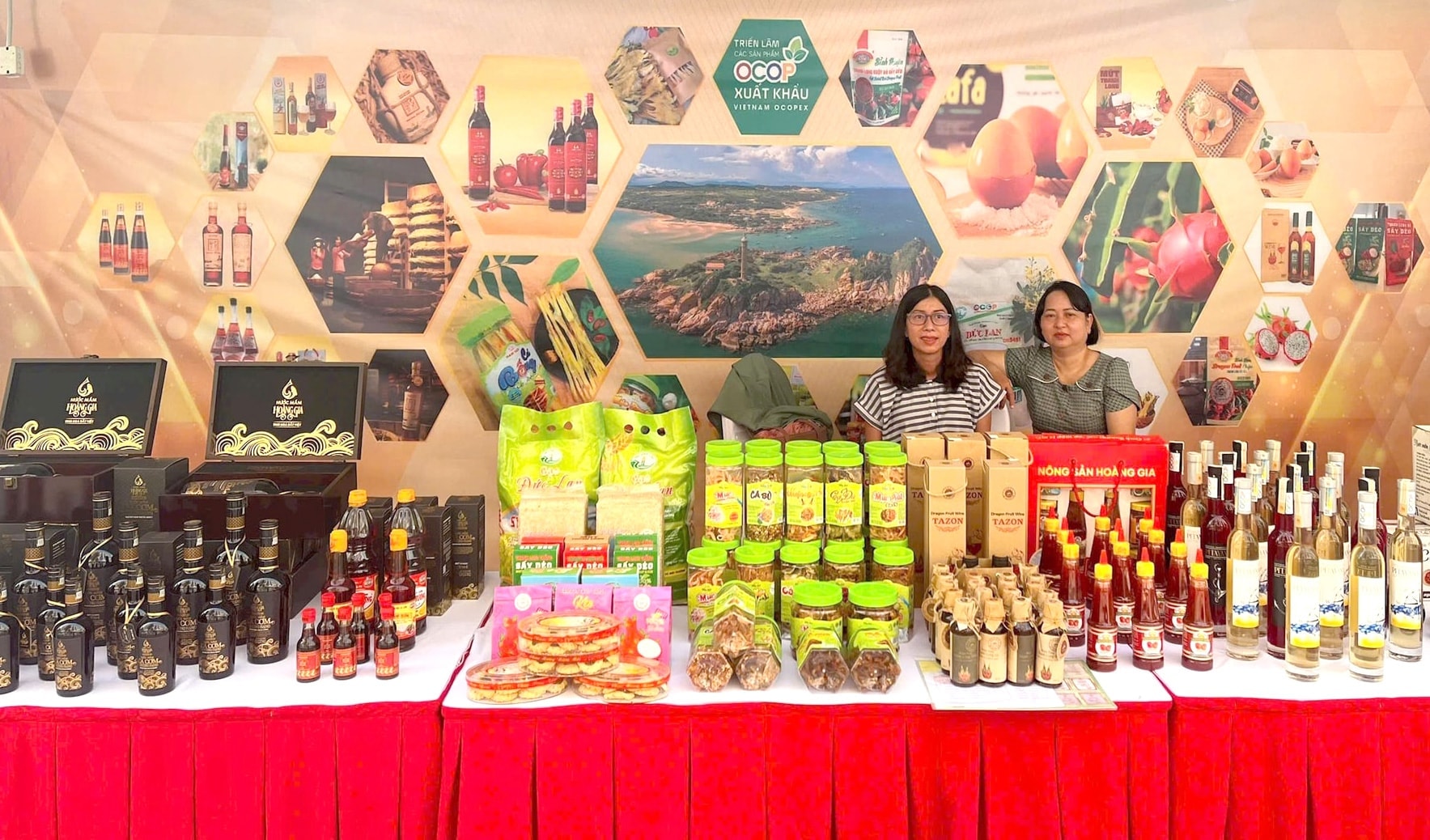
However, thanks to the efforts of all levels, sectors, and localities, focused leadership, guidance, and implementation have yielded positive results.
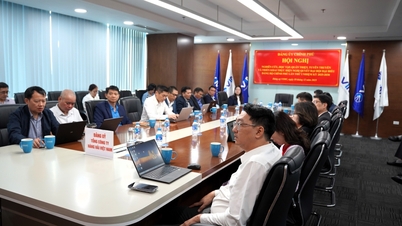
Accordingly, the province's economy continued to grow, with a positive shift in economic structure. State budget revenue increased by 17% compared to the central government's projected target, and budget expenditures ensured funding for key tasks. Investment attraction and business registration showed many positive developments. Investment in key inter-regional transportation infrastructure received significant attention. Notably, the province completed the program to eliminate temporary and dilapidated housing as directed by the Prime Minister. The material and spiritual lives of the people improved, national defense and security continued to be maintained, and social order and safety were ensured. Party building and the political system have been decisively directed, completing the plan for rearranging and reorganizing administrative units at all levels and building a two-tiered local government model in the province… The Lam Dong Provincial Party Committee stated that although many results have been achieved, there are still some limitations and difficulties, namely: economic growth is not commensurate with the province's potential and position, 4 out of 11 key indicators did not meet the set plan, the progress of implementing some key projects and works is still slow, especially in compensation and land clearance, therefore the disbursement of public investment capital is still low, and the lives of a segment of the population, especially in remote areas, remain difficult. The differences in geography, history, and culture when merging the three provinces create obstacles in management, administration, and task implementation. The process of reorganizing the organizational structure and operation has sometimes encountered difficulties in certain places…
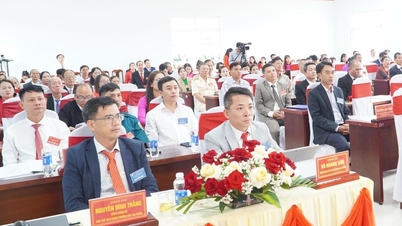
The current reality shows that Lam Dong province still faces many difficulties and challenges, but it also benefits from the merger of provinces, which has opened up new development opportunities, creating many potentials and advantages, and serving as a basis for promoting rapid and sustainable development. At the first meeting of the Provincial Party Committee's Executive Board, term 2025-2030, held on December 5, 2025, the Provincial Party Committee identified the theme for 2026 as: "Strengthening discipline, innovation, proactive adaptation, and breakthrough development." Accordingly, the province's goals are: achieving a double-digit GRDP growth rate (10%); striving for a GRDP per capita of 124 million VND/person; achieving a total social investment of over 134,000 billion VND; and striving for a 100% disbursement rate of public investment capital. The goals include: striving to increase state budget revenue by at least 10% compared to 2025; achieving a national standard rate for public schools exceeding 70%; having 7.7 doctors per 10,000 people and 23.4 hospital beds per 10,000 people; achieving a universal health insurance coverage rate exceeding 95%; reducing the multidimensional poverty rate by 1-1.5% annually, with a 2-3% reduction in the multidimensional poverty rate among ethnic minorities; ensuring 95% of urban solid waste collection and treatment meets standards and regulations; ensuring 75% of rural solid waste collection and treatment meets standards and regulations; achieving a forest cover rate exceeding 46.78%; and striving to recruit at least 3% of new party members compared to the total number of party members.
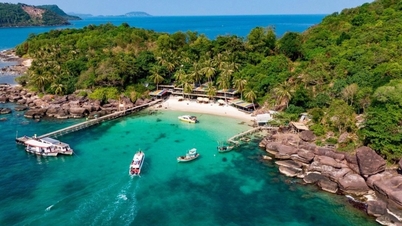
To achieve the set goals, the Provincial Party Committee stated that it has outlined numerous tasks and solutions in the socio- economic , security, and defense sectors. Particular attention has been paid to accelerating the restructuring of the agricultural sector, linked with innovation in growth models, strengthening trade promotion, diversifying export markets for agricultural products, and strongly shifting from informal to formal exports. Solutions to promote industrial production, especially the manufacturing, processing, and distribution of electricity, have also been implemented. Simultaneously, priority has been given to developing bauxite mining, alumina processing, aluminum smelting and processing of aluminum products, and titanium mining and processing. Proactively promote investment in industrial zones and clusters to increase occupancy rates, focusing on attracting infrastructure investors to Phu Binh Industrial Zone, and attracting secondary investment in Nhan Co, Ham Kiem I, Ham Kiem II, Tan Duc, and Tam Thang Industrial Zones. Develop new, high-quality, and competitive tourism products based on the outstanding advantages of the local natural resources, culture, and heritage, closely integrating ecotourism, beach tourism, lake tourism, and forest tourism to enhance the length of stay, spending, and satisfaction of tourists. Continue to implement the night-time economy model in the province. Accelerate the application of digital transformation in the province's tourism industry. Continue to comprehensively develop science and technology in all fields, focusing on applied scientific research that strongly impacts the requirements for application in production, people's lives, and socio-economic development in accordance with the province's potential and conditions. Supporting businesses in technological innovation, encouraging the establishment of science and technology enterprises, and promoting cooperation in scientific research and technological development…
Source: https://baolamdong.vn/de-tang-truong-grdp-nam-2026-dat-2-con-so-409487.html
























![[Video] The craft of making Dong Ho folk paintings has been inscribed by UNESCO on the List of Crafts in Need of Urgent Safeguarding.](https://vphoto.vietnam.vn/thumb/402x226/vietnam/resource/IMAGE/2025/12/10/1765350246533_tranh-dong-ho-734-jpg.webp)













































Comment (0)