

M&A in Vietnam is entering a period of "true valuation - true value".
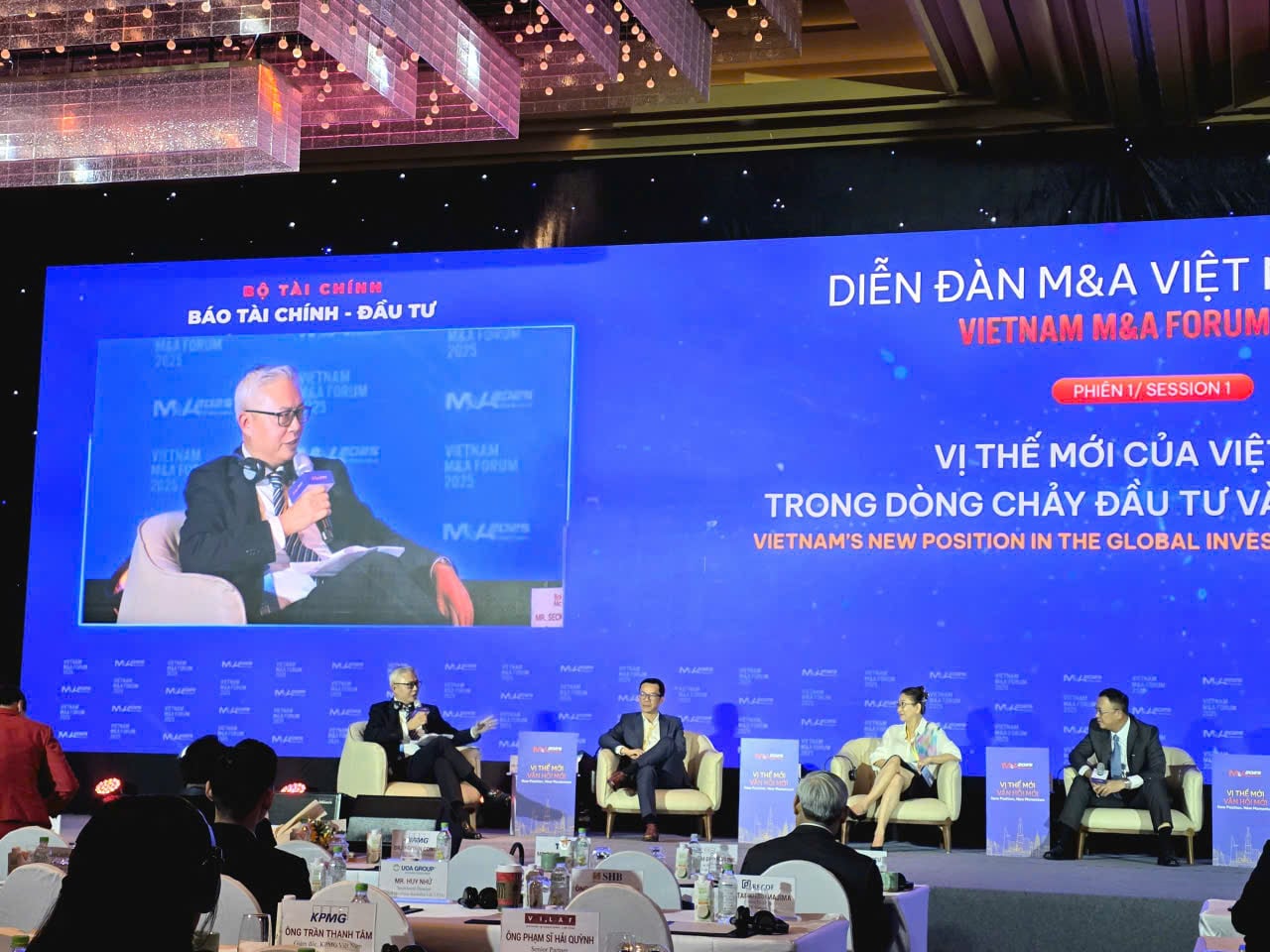
According to Mr. Tamotsu Majima, Senior Director of RECOF Corporation (Japan), most Japanese businesses still maintain a cautious and long-term approach when participating in M&A in Vietnam. They prioritize spending time researching the market, analyzing business models, profit margins, and risks before making a decision. The process takes longer, but in return, the quality of the transaction is guaranteed at a high level.
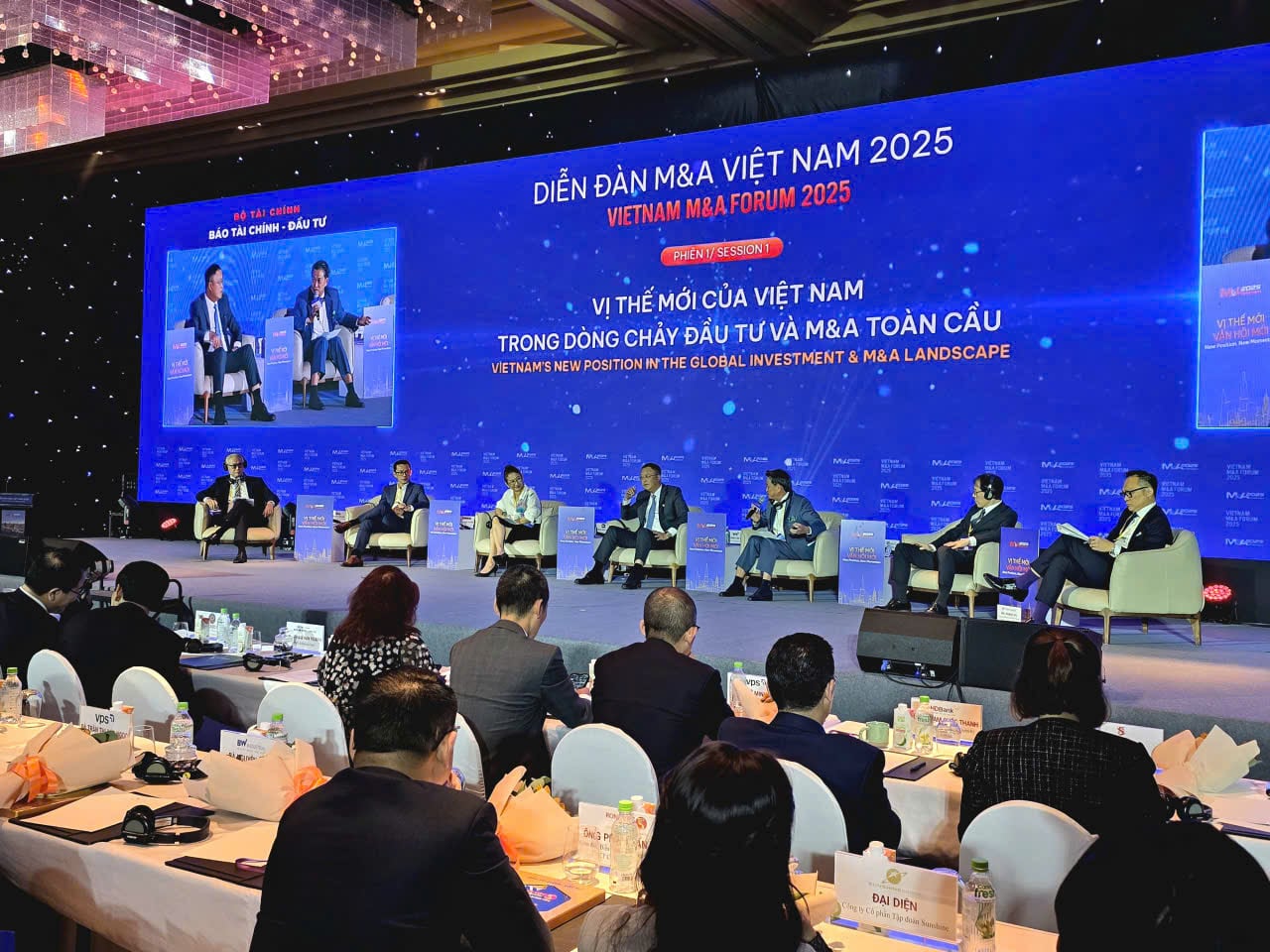
This approach clearly reflects the philosophy of Japanese investors: not seeking "quick deals," but prioritizing strategic fit and long-term commitment. The Kokuyo acquisition of Thien Long for over 27.6 billion yen is a prime example. Japanese companies choose to invest in strong brands, a solid foundation, and a leading position to expand their ecosystem in Southeast Asia, aligning with their positioning of the Vietnamese market as a regional growth engine.
According to Mr. Majima, Vietnam's appeal lies not only in its growth but also in its ability to create regional synergy, as many Japanese businesses view Vietnam as a "strategic piece" in the Southeast Asian value chain.
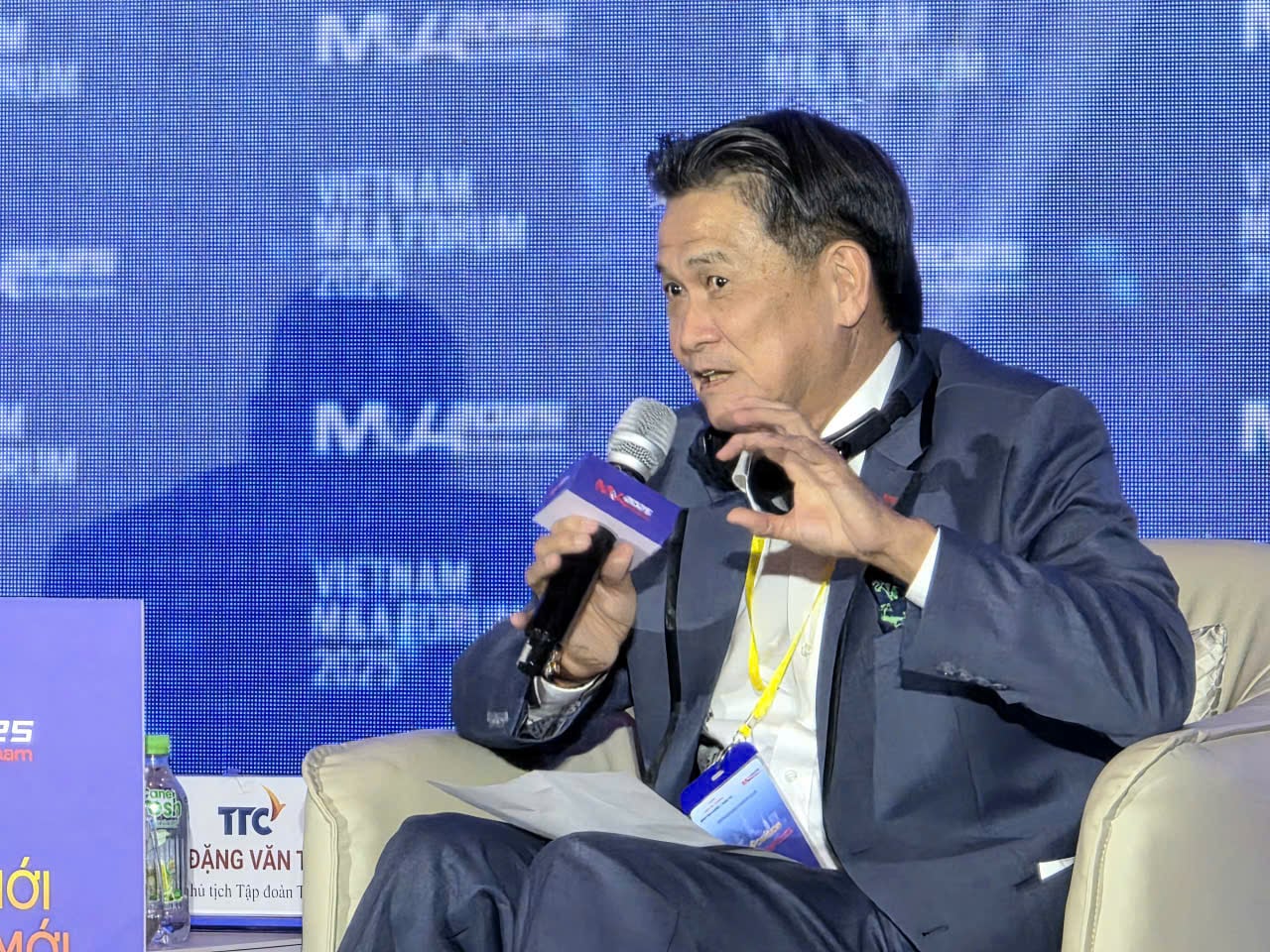
While foreign investors tend to be cautious, domestic businesses view M&A as a tool for rapid expansion, overcoming difficult cycles, or creating new competitive advantages. Mr. Dang Van Thanh, Chairman of TTC, believes that M&A is a market principle and Vietnamese businesses must always be ready to welcome foreign capital, as well as proactively seek opportunities to acquire other businesses to expand their operations.
Mr. Thanh stated that TTC had previously carried out a series of major transactions in the sugar industry, such as acquiring Bourbon Tay Ninh , Bien Hoa Sugar, and HAGL Sugar, helping to build a large-scale raw material supply base.
According to Mr. Thanh, M&A shouldn't only happen when the market is favorable. In many cases, businesses should choose the right time to buy or sell to optimize shareholder benefits. "If conditions are unfavorable, businesses should also consider M&A to protect their value," he emphasized.
Notably, TTC also pointed out that many Vietnamese businesses have begun to focus on ESG and green transformation, factors that are increasingly important in the eyes of international investors.
Unlike TTC, GELEX builds its M&A strategy on strengthening its ecosystem. According to Mr. Nguyen Hoang Long, Deputy General Director of GELEX, the group only selects deals that truly complement its infrastructure, industrial production, and industrial real estate segments.
GELEX prioritizes leading or market-leading businesses that align with its long-term development vision. Simultaneously, the group employs a dual strategy: M&A alongside selective IPOs. The purpose of issuing shares is not short-term divestment but rather to expand financial scale and increase control over businesses entering their growth phase.
From GELEX's perspective, the post-M&A phase is just as important as the transaction itself: Businesses must restructure, integrate, and operate efficiently to turn the deal into real growth.
Despite their different starting points, all three perspectives point to a common trend: M&A will decrease in quantity but increase in quality; focusing on businesses with high transparency, clear business models, and the ability to generate stable cash flow. This also signals that Vietnam is entering a new M&A cycle that is more strategic, professional, and closely linked to the long-term development goals of businesses.
Domestic businesses take the initiative, while large corporations optimize their ecosystems.
Besides the commonalities, businesses also pointed out distinct differences that accurately reflect how the M&A market operates. According to Mr. Tamotsu Majima, Japanese companies that RECOF advises always view Vietnam as a strategic market, but they set very high standards: They must thoroughly understand the business model, make reasonable valuation assessments, and be able to forecast growth potential.
The reason for the lengthy M&A process is that they are unwilling to accept the risks of low valuations or lack of transparency. RECOF data shows that Vietnam currently has only 2,000 Japanese businesses operating, significantly fewer than Thailand (6,000), indicating significant room for growth. This also demonstrates that Japanese investors seek "strategic pieces," not chasing short-term trends.
Meanwhile, Mr. Dang Van Thanh's perspective is more pragmatic. He emphasizes that Vietnamese businesses must dare to buy and sell at the right time. Because M&A is a strategy for market expansion and an opportunity to raise management standards and attract foreign capital. TTC has proven this with a series of large deals, helping to restructure the sugar industry and expand the group's ecosystem.
Mr. Thanh also noted that entrepreneurs must know how to "buy the future," accept opportunity costs, and aim for a win-win strategy with international partners.
GELEX presents another case: M&A linked to long-term competitive advantage; prioritizing sectors where GELEX has the potential to lead, such as industry and infrastructure, combined with an IPO to expand resources.
The group believes that energy is high-risk and therefore not its current focus; instead, infrastructure and industrial real estate are the pillars of growth. GELEX also emphasizes that post-M&A factors are decisive for value, including restructuring, data digitization, and maintaining high governance standards.
The picture above shows that foreign investors are cautious but willing to spend heavily on good assets. Meanwhile, Vietnamese businesses are increasingly proactive in mergers and acquisitions, and large corporations are focusing their strategies on building sustainable ecosystems.
All of this converges into a clear trend: Vietnam is entering a phase of high-quality M&A, fewer but more sophisticated, where businesses must possess genuine capabilities, transparency, and a real strategy to seize opportunities.
Source: https://baotintuc.vn/thi-truong-tien-te/ma-viet-nam-doi-vai-nha-dau-tu-ngoai-tim-gia-tri-doanh-nghiep-noi-tim-suc-bat-20251209215920222.htm

![[Photo] Closing Ceremony of the 10th Session of the 15th National Assembly](/_next/image?url=https%3A%2F%2Fvphoto.vietnam.vn%2Fthumb%2F1200x675%2Fvietnam%2Fresource%2FIMAGE%2F2025%2F12%2F11%2F1765448959967_image-1437-jpg.webp&w=3840&q=75)

![[Photo] Prime Minister Pham Minh Chinh holds a phone call with the CEO of Russia's Rosatom Corporation.](/_next/image?url=https%3A%2F%2Fvphoto.vietnam.vn%2Fthumb%2F1200x675%2Fvietnam%2Fresource%2FIMAGE%2F2025%2F12%2F11%2F1765464552365_dsc-5295-jpg.webp&w=3840&q=75)




































![[OFFICIAL] MISA GROUP ANNOUNCES ITS PIONEERING BRAND POSITIONING IN BUILDING AGENTIC AI FOR BUSINESSES, HOUSEHOLDS, AND THE GOVERNMENT](https://vphoto.vietnam.vn/thumb/402x226/vietnam/resource/IMAGE/2025/12/11/1765444754256_agentic-ai_postfb-scaled.png)










































Comment (0)