

Comprehensive reform of training activities.
Dr. Trinh Thi Xim, Vice Principal of the Central College of Pedagogy, affirmed: Early childhood education is a foundational level in the national education system, playing a crucial role in the comprehensive formation and development of human personality.
The quality of preschool education depends primarily on the teaching staff – those who directly nurture, care for, and educate children. They are the core force that transforms the goals of childcare and education into reality, determining the quality and effectiveness of education.
According to Dr. Trinh Thi Xim, cultivating ethical qualities and professional competence in early childhood education students is a central task of teacher training colleges. Students need not only to be equipped with scientific knowledge, pedagogical skills, and the ability to adapt to new technologies, but also to possess professional ethics, compassion, and a sense of responsibility.
The Central College of Pedagogy, as a college-level training institution for preschool teachers, constantly strives to innovate the content, methods, and forms of teaching, while also updating its training programs. This fosters the comprehensive development of professional competence and moral character in its students, meeting the requirements of a modern, humane, and internationally integrated preschool education system.
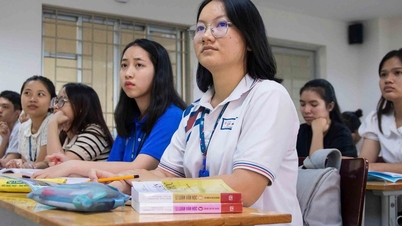
According to Dr. Trinh Thi Xim, the Central College of Pedagogy regularly updates and innovates its training programs and teaching methods; it also organizes Youth Union activities and extracurricular activities to allow students to experience and hone their professional skills and qualities.
The training program focuses on cultivating essential professional competencies while developing individual skills to meet the diverse demands of early childhood education practice. The specialized topics and specializations apply advanced educational methods and child development theories, helping students master professional knowledge and practical skills.
The school also focuses on developing students' digital skills, creativity, and collaboration abilities. Courses such as General Law, Public Administration and Sectoral Management, General Education, Early Childhood Education, Life Skills Education for Preschoolers, and the Early Childhood Teacher Profession… not only equip students with general knowledge about law, the State, and the education sector, but also contribute to the formation and development of ethical qualities and professional skills, preparing a solid foundation for students entering the early childhood education profession.
According to Dr. Dang Lan Phuong ( Hanoi Metropolitan University), recognizing the crucial role of training preschool teachers, the State has issued many important legal documents and projects in recent years to innovate the content, curriculum, and methods of teacher training.
One of the key tasks of the Project on Training and Professional Development of Preschool Teachers and Educational Management Staff for the period 2018-2025, approved by Decision No. 33/QD-TTg dated January 8, 2019 of the Prime Minister, is to "innovate the training of preschool teachers and improve the quality of professional development for preschool teachers and educational management staff."
Furthermore, Circular No. 26/2018/TT-BGDĐT promulgating the Professional Standards for Preschool Teachers provides a legal basis for training institutions to orient their programs and learning outcomes to suit practical realities. Circular No. 17/2021/TT-BGDĐT on the standards for training programs at various levels of higher education also clearly stipulates that programs should be designed with a focus on developing learners' competencies and strengthening the connection between training and professional practice. This serves as an important basis for teacher training colleges to innovate in preschool teacher training.

Existing problems
However, in practice, the training of preschool teachers in many schools still reveals many limitations, especially in the innovation of curriculum, content, and teaching methods to meet the requirements of fundamental and comprehensive reform of education and training.
Dr. Dang Lan Phuong stated that at some teacher training colleges and universities, the training programs still focus heavily on transmitting theoretical knowledge and are academically rigorous; the time allocated for practical training and professional internships is limited. Many applied courses that focus on developing pedagogical skills and educational activity organization skills have not been given sufficient attention or updated to reflect the development of professional competencies.
Furthermore, the link between teacher training colleges and practical early childhood education institutions is weak and lacks a systematic approach. The teaching staff for early childhood education at some training institutions lacks continuity and has not received regular training in modern teaching methods, especially competency-based, experiential learning and the application of digital technology in training.
The aforementioned shortcomings highlight the urgent need for comprehensive reform of training programs, methods, forms, and content, in order to improve the quality of preschool teachers.
Speaking at the scientific conference "Developing Early Childhood Education in the New Era," Professor Pham Hong Quang, Chairman of the Council of Professors in the field of Educational Sciences, presented the results of the assessment by 5 Vietnamese educational quality accreditation centers for the period 2021-2025 on 11 standards for early childhood education training programs at 21 universities.
The results show that the development of early childhood education programs still has many shortcomings related to objectives and learning outcomes, program structure and content, as well as the assessment of student learning outcomes.
According to the assessment results, the proportion of practical and internship modules in preschool teacher training programs is still low. The number of lecturers specializing in preschool education is small; some lecturers in charge of modules on child education methods lack practical experience in child psychology and learning methods, leading to general, unintegrated instruction that discourages learning through play.
Some instructors lack practical experience in early childhood education institutions, including outstanding students retained or instructors from basic subjects who have transferred to teaching. Meanwhile, the unique nature of early childhood education is its high degree of integration; care and education content need to be closely interwoven, requiring instructors to have extensive practical experience.
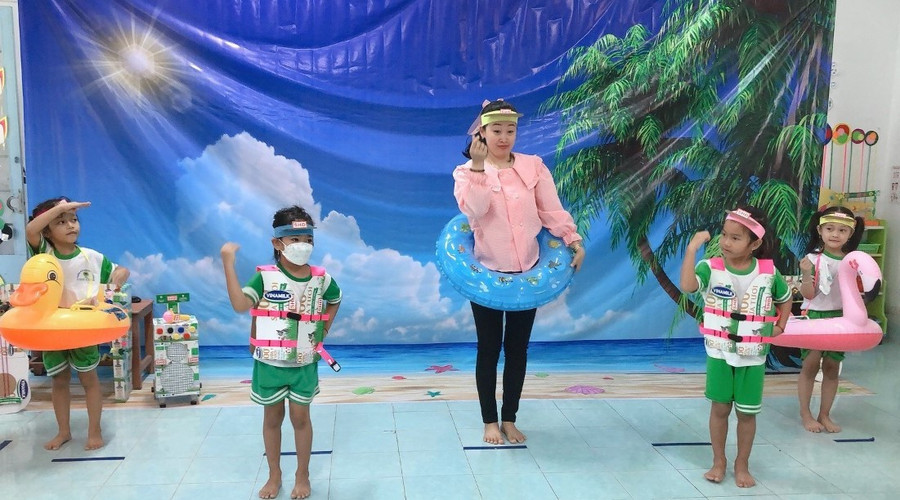
Connecting with practice and integration
Regarding solutions to improve the quality of training, one of the points emphasized by Professor Pham Hong Quang is that the practical training time in preschool teacher training programs should reach at least 50%. The recruitment of preschool teachers and educational staff should focus on indicators of emotional intelligence, skills, and a sense of responsibility; and a dismissal mechanism should be applied to those who do not meet the output standards.
Besides teacher training, Professor Pham Hong Quang proposed diversifying professions in the field of early childhood education, such as support staff, nutrition education experts, support for children with special needs, English language, arts, etc., in order to specialize jobs at the facilities.
This approach not only improves the quality of childcare and education but also reduces the pressure of teacher shortages. He also suggested that each preschool should have at least two support staff members who are professionally trained in healthcare, psychology, and nutrition.
Dr. Bui Hong Quan, Head of the Department of Early Childhood Education at Ho Chi Minh City University of Education, believes that training institutions need to build an ecosystem that combines training, research, and support for early childhood teachers.
At the same time, strengthening links with local authorities to implement targeted training programs is crucial to providing human resources for disadvantaged areas. Coordinating research and applying international early childhood education models, adapted to local characteristics, is also an important solution to improve the quality of early childhood education in the new context.
Dr. Bui Hong Quan also emphasized the need to develop a high-quality, internationally-standardized university-level preschool teacher training program. The university should organize regular training for lecturers on modern trends and methods in preschool education, while also promoting scientific research and the application of technology in training, in order to provide high-quality human resources to meet practical needs.
Dr. Tran Thi Minh Hue, Head of the Department of Early Childhood Education at the University of Education, Thai Nguyen University, affirmed that improving the quality of both the input and output of early childhood education teachers must stem from enhancing the capacity of teacher training colleges.
Accordingly, firstly, it is necessary to upgrade and modernize key teacher training colleges, while simultaneously investing in the development of training facilities in remote and disadvantaged areas by investing in synchronized technical infrastructure and expanding development space. The focus should be on upgrading facilities, laboratories, practice rooms, and practical preschools to meet regional and international standards.
At the same time, it is necessary to establish centers of excellence in training and research at early childhood education teacher training institutions. This is a strategic investment aimed at improving the capacity of teacher training colleges, gradually meeting national, regional, and international standards.
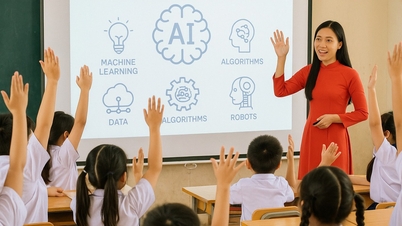
Secondly, modernizing the training programs for preschool teachers and educational administrators according to international standards is an urgent requirement. The training programs need to ensure they meet national and regional standards for pedagogical competence, deeply integrate knowledge of child psychology, digital technology, artificial intelligence (AI), and school management, while closely linking practical training, research, and innovation.
Clearly defining the pedagogical competencies that students need to develop – linked to the characteristics of the profession in the context of modern early childhood education and Industry 5.0 – is crucial. The focus should include humanistic qualities, professional standards, digital pedagogical competencies, child-nurturing and educational skills, cross-cultural communication abilities, creativity, and critical thinking.
This competency system will help early childhood education students prepare to apply digital technology and artificial intelligence in innovating educational methods, while effectively performing professional tasks in the context of modern education.
Preschool teachers need systematic and thorough training in teacher training colleges. This workforce must be equipped with sufficient professional competence and personal qualities, as well as a correct understanding of the profession, to meet the increasingly high demands of society and fully fulfill the mission of a teacher in preschool education institutions. - Dr. Trinh Thi Xim.
Source: https://giaoducthoidai.vn/mam-non-trong-tam-doi-moi-giao-duc-dao-tao-giao-vien-trong-boi-canh-moi-post760223.html









































































Comment (0)