

Cholesterol is a waxy fat that plays a vital role in the production of hormones, healthy cells, and vitamin D. Although the liver produces enough cholesterol, certain foods can raise cholesterol levels in the body.
High cholesterol is an extremely dangerous condition that can lead to problems such as diabetes, high blood pressure, and an increased risk of heart disease and stroke. However, in addition to medication, some natural foods can also help lower cholesterol after about 3 months. Note that these foods are not a substitute for medication.
Oats
The high content of soluble fiber in oats makes them an ideal food for lowering excess cholesterol in the blood. When you eat oats, oat bran, red beans, apples, or pears, your body absorbs soluble fiber which helps reduce "bad" cholesterol (LDL).
Studies show that consuming 5-10 grams of soluble fiber daily can significantly lower LDL levels. A typical serving of oatmeal provides about 3-4 grams of fiber. If you don't like the bland taste of oatmeal, you can combine it with bananas or berries to enhance the flavor and add more fiber.
|
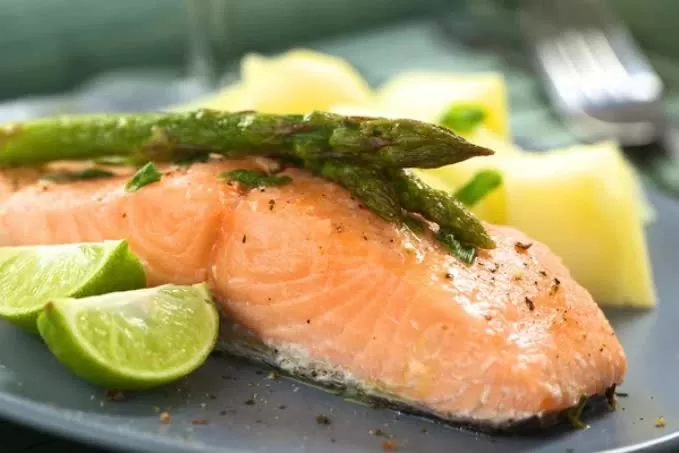
Fatty fish and omega-3 fatty acids
Not all fats are bad. Good fats are found in fish such as salmon, mackerel, tuna, and trout. Eating these types of fish two to three times a week will support cardiovascular health.
Omega-3 fatty acids help lower triglycerides, a cause of heart disease, while also increasing HDL cholesterol levels (also known as good cholesterol), which helps lower blood pressure. Omega-3 fatty acids are found in four main food sources: fish, walnuts, flaxseed, and canola oil. If you are a vegetarian, you may consider using supplements, but you should consult your doctor first.
Nuts
Eating a small handful of almonds or walnuts every day can significantly reduce "bad" cholesterol (LDL) levels in the blood. The combination of healthy fats, fiber, and plant sterols in nuts helps improve overall cholesterol levels.
Many studies show that eating about 50-60g of nuts per day (equivalent to a small handful) can reduce LDL levels by about 5%. In addition, vitamin E and antioxidants in nuts also effectively support cardiovascular protection.
You can use nuts as a convenient snack, or sprinkle them on cereal, yogurt, or salads to increase their nutritional value. However, you should only consume them in moderation, as nuts are also high in calories.
Foods made from soybeans
Soybeans are found in many familiar dishes such as tofu, soy milk, boiled soybeans, or dried soybean products. They are a rich source of plant-based protein and help reduce "bad" cholesterol (LDL) levels in the blood. This benefit comes from phytoestrogens – natural compounds in soybeans that help the body process and metabolize cholesterol more effectively.
|
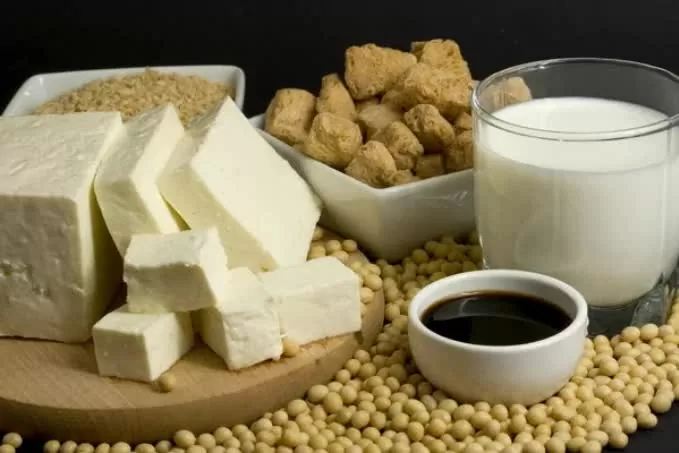
Replacing meat or dairy products with soy-based foods in your daily diet can significantly lower cholesterol levels in just a few months, while still ensuring adequate nutrition for your body.
Foods containing plant sterols and stanols
The human body can naturally produce small amounts of plant sterols and stanols—compounds also found in fruits, vegetables, nuts, and seeds. These substances work in the gut, preventing the body from absorbing cholesterol from food.
Numerous studies have shown that supplementing with about 2 grams of plant sterols or stanols daily can help reduce "bad" cholesterol (LDL) levels by up to 10%.
Source: https://baoquocte.vn/muon-giam-nhanh-cholesterol-hay-thu-5-thuc-pham-sau-331497.html
![[Photo] Prime Minister Pham Minh Chinh attends the Conference summarizing and implementing tasks of the judicial sector.](/_next/image?url=https%3A%2F%2Fvphoto.vietnam.vn%2Fthumb%2F1200x675%2Fvietnam%2Fresource%2FIMAGE%2F2025%2F12%2F13%2F1765616082148_dsc-5565-jpg.webp&w=3840&q=75)



























































































Comment (0)