

Driving force for the growth of the new rural areas.
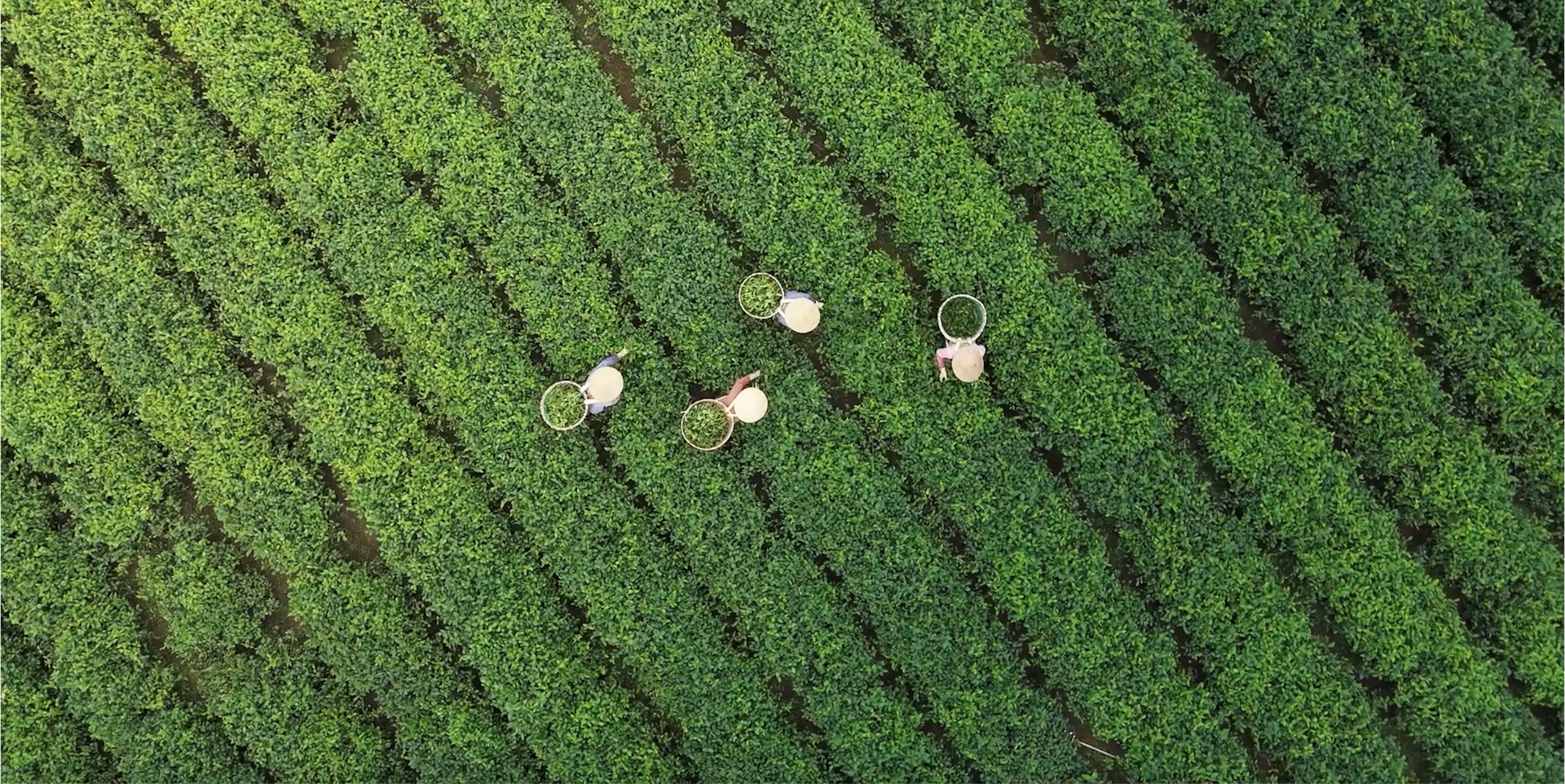
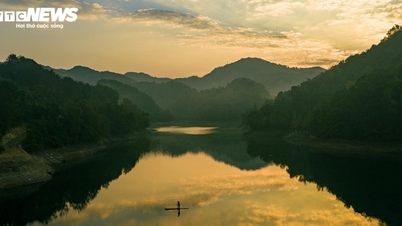
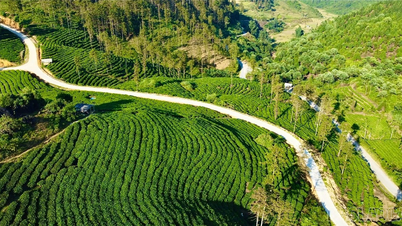
Lam Dong province currently has over 25,000 hectares of tea plantations, mainly concentrated in Bao Loc, Di Linh, and Cau Dat (Xuan Truong ward - Da Lat). These areas have formed large-scale tea growing regions, playing a crucial role in the agricultural structure of the province and the country as a whole.
This is not only an advantage in terms of natural conditions, climate, and soil, but also a sustainable livelihood closely linked to the lives of tens of thousands of farming households in the highlands.
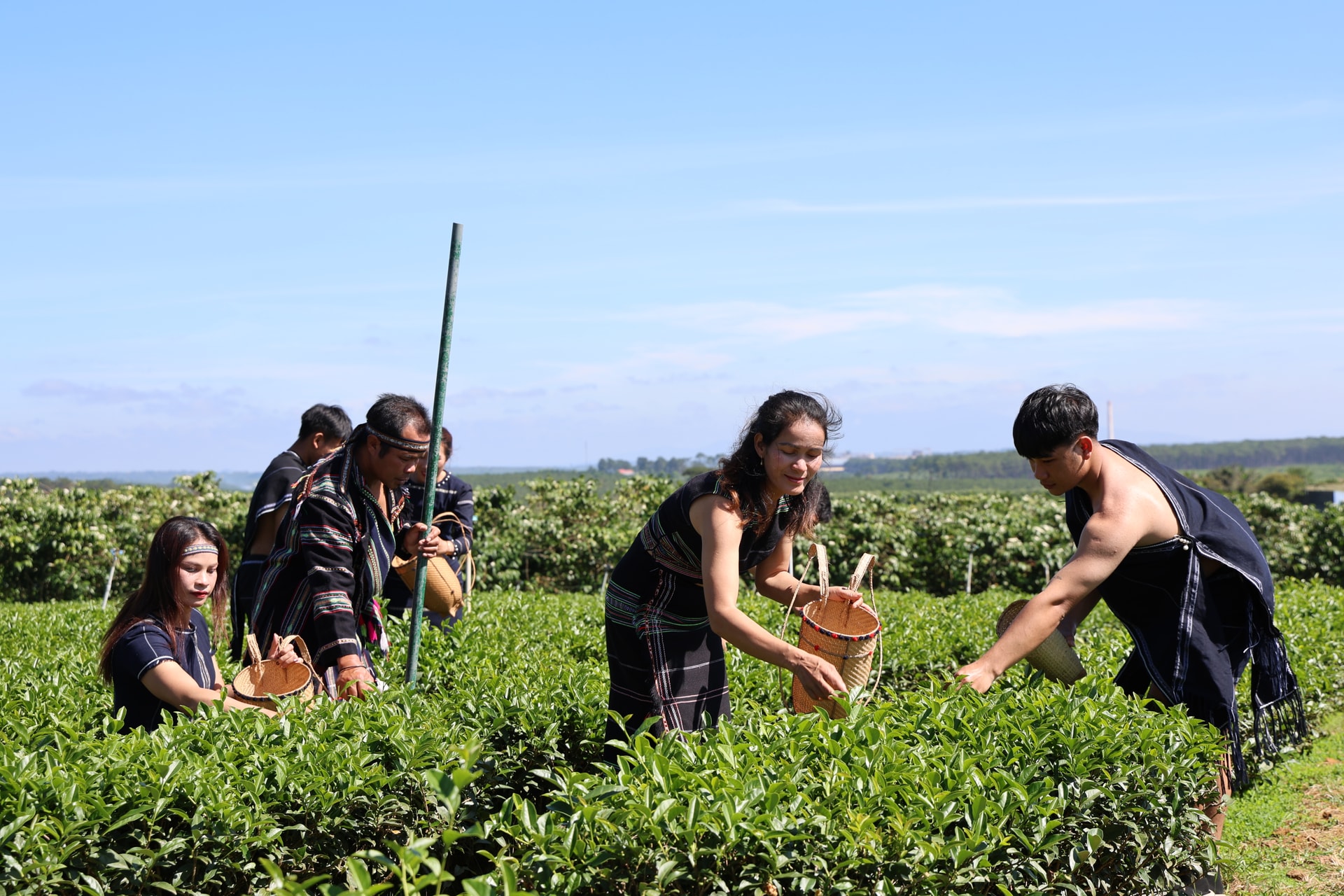
In line with the policy of restructuring the agricultural sector towards increasing added value and sustainable development, in recent years, Lam Dong province has strongly shifted from "production agriculture" to "value-added agriculture".
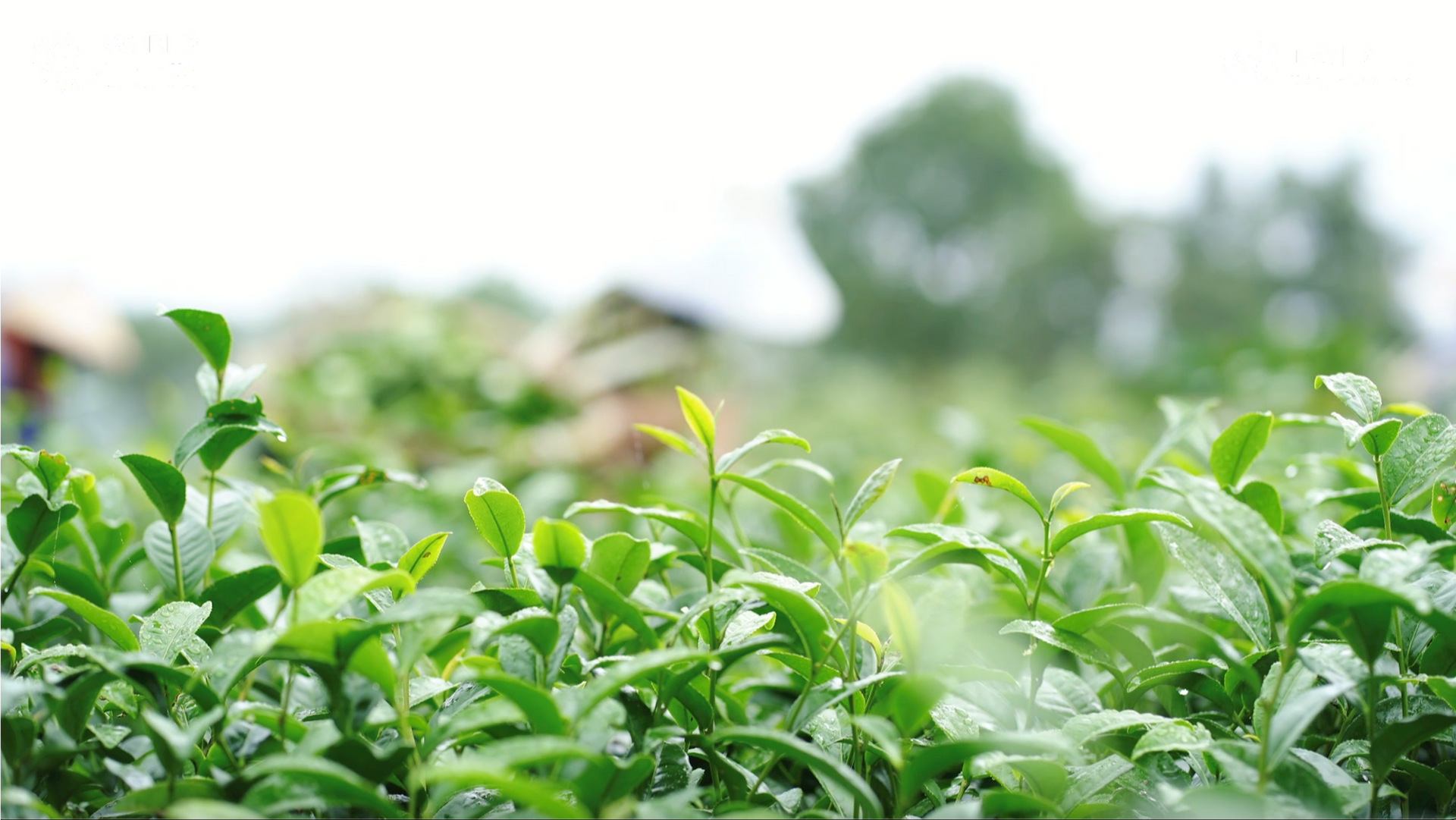
In this context, tea cultivation has been identified as one of the key sectors, reorganized towards organic farming, application of high technology, standardization of VietGAP processes, and the formation of a linked chain from production to consumption.
Building on this foundation, many localities have gradually expanded their development space, transforming tea hills into economic and cultural spaces linked to green tourism.
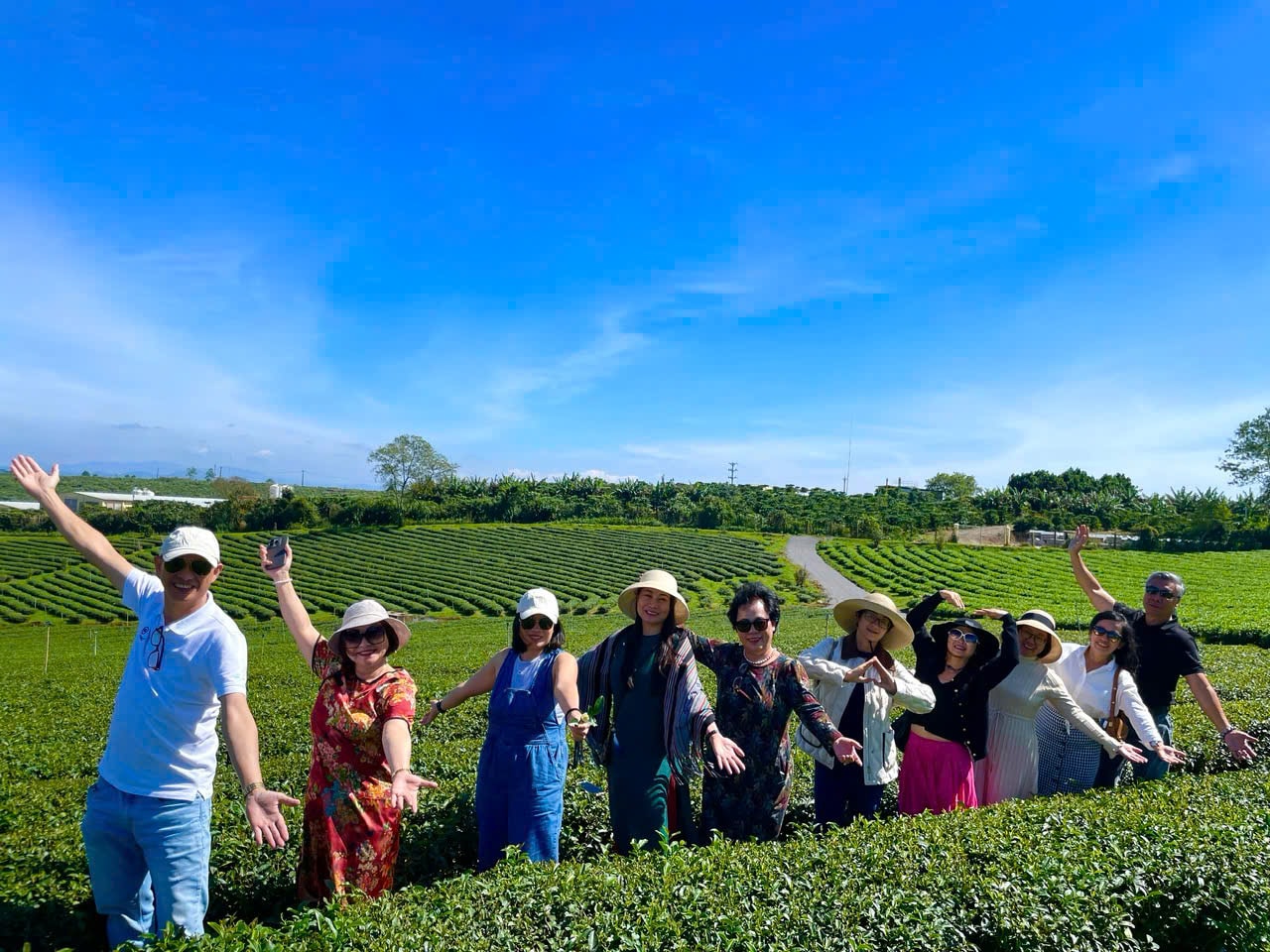
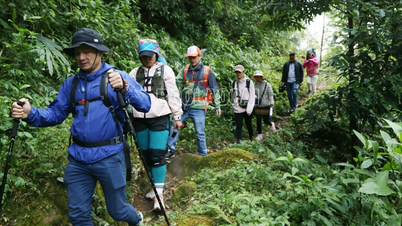
Today, tea hills are no longer just places for producing agricultural products, but are being exploited as a distinctive tourism product. Activities such as visiting the tea plantations, experiencing tea picking, learning about the processing process, tasting tea, and exploring the highland tea culture have contributed to increasing the value of agricultural land; at the same time, enhancing the image of Lam Dong's rural areas in a green, ecological, and culturally rich direction.
This development brings tangible benefits to the people. Income is improved thanks to the combination of agricultural production with tourism services; job opportunities are expanded; and the labor structure shifts towards gradually reducing dependence on purely agricultural production.
These are the core contents of building advanced new rural areas and model new rural areas; in which, the ultimate goal is to improve the quality of life of the people. To date, tea is not only a key crop but has also become a cultural symbol of the highland region.

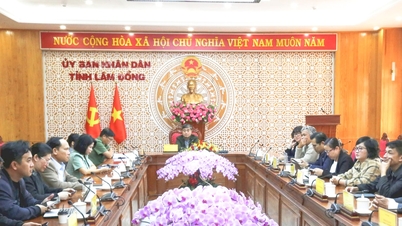
From a networking and promotional perspective, the 2025 Tea Festival has further affirmed the role of the tea industry in rural economic development. Within the framework of the festival's activities, Mr. Dinh Van Tuan, Vice Chairman of the Lam Dong Provincial People's Committee, emphasized: “The 2025 Tea Festival facilitates connections between producers, distributors, and consumers, opening up opportunities for the development of a global supply chain. At the same time, it is also a journey for visitors to experience the green tea region, meet artisans, and explore the depth of Vietnamese tea culture.”
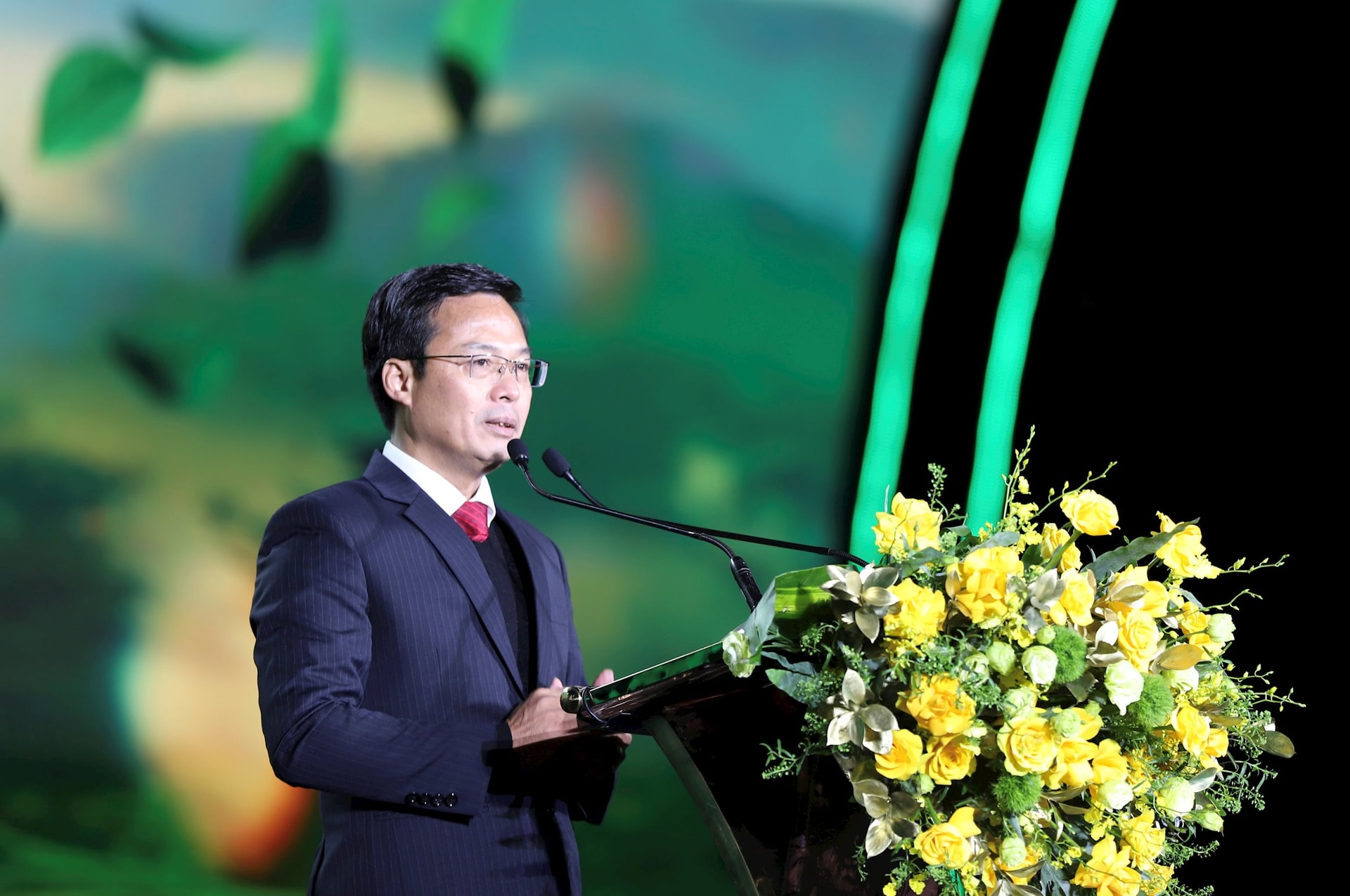
From this practical experience, it can be affirmed that developing green tourism from tea hills has formed a dual livelihood model, both enhancing the economic value of tea plants and enriching rural cultural and environmental resources.
This is a suitable and effective approach, making a significant contribution to helping tea-growing localities in Lam Dong successfully achieve the goal of building advanced new rural areas, moving towards model new rural areas, and developing sustainably on the foundation of local values.
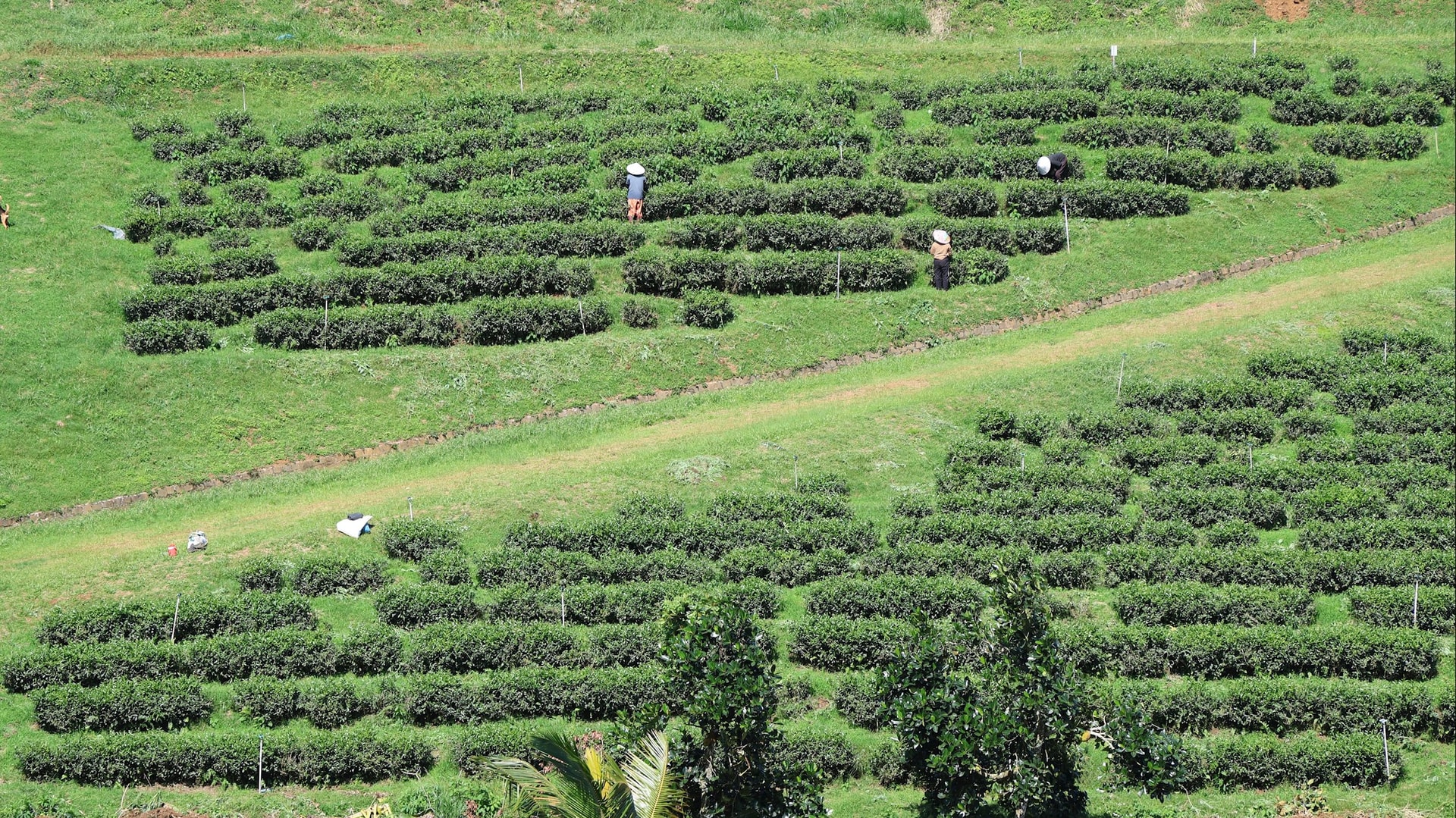
Aiming to become the national center for agricultural tourism and tea culture.
Drawing from indigenous values nurtured over generations, Lam Dong is gradually transforming its traditional agricultural space into a multi-valued rural economic space, contributing to improving people's lives, perfecting the rural landscape, and affirming the right direction in the new development phase.
However, to effectively exploit this potential, the key issue is to continue promoting the application of science and technology in agricultural production, improving the quality of services associated with rural areas, focusing on training local human resources, and developing distinctive products based on local values.
When agricultural, tourism, and cultural elements are synchronously connected, the Lam Dong tea-growing region will form a green, sustainable rural economic ecosystem, directly contributing to the fulfillment of the criteria of the National Target Program for building new rural areas.
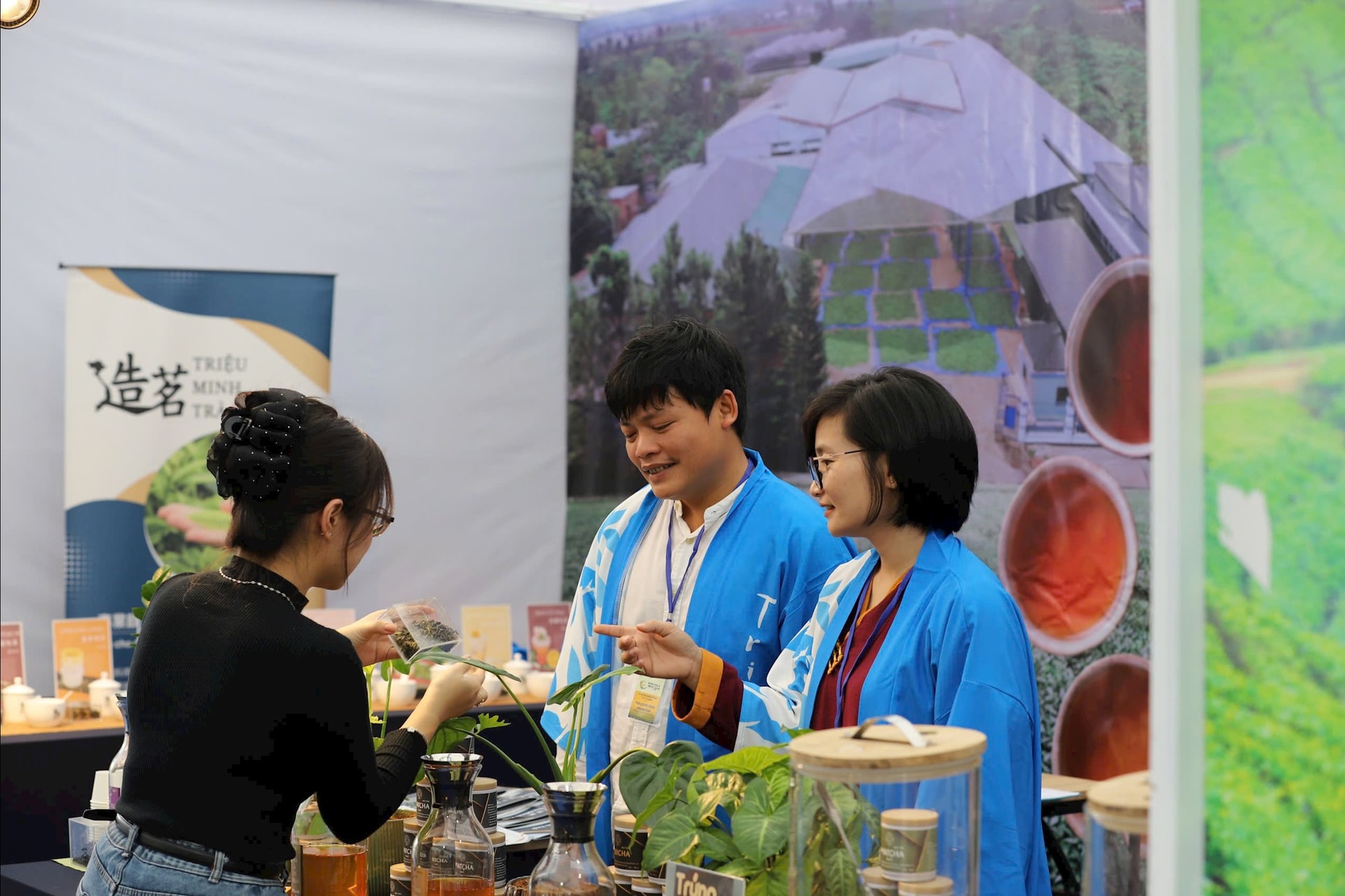
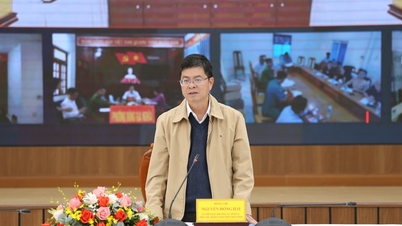
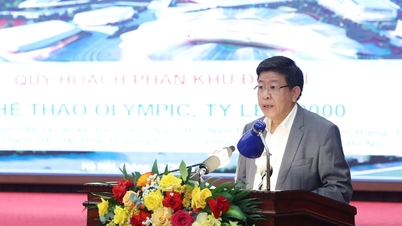
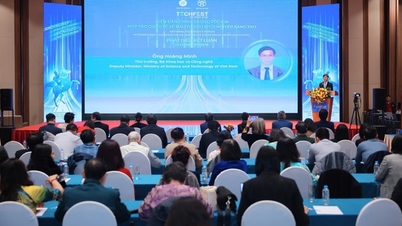
Speaking at the National Green Tourism Forum (December 2025), Nguyen Lan Ngoc, Deputy Director of the Department of Culture, Sports and Tourism of Lam Dong province, said that the province's orientation for developing green tourism is inseparable from the goal of building new rural areas.
Accordingly, Lam Dong aims to become a green ecological space by 2030, with tourism models focusing on relaxation, healthcare, and sports integrated into rural areas.
Developing experiential tourism in tea hills, from organic farming and tea picking to tea tasting in an ecological setting, not only contributes to diversifying tourism products but also enhances the value of agricultural products, creates sustainable livelihoods for rural people, and protects the environment while preserving local cultural identity.
Ms. Nguyen Lan Ngoc, Deputy Director of the Department of Culture, Sports and Tourism of Lam Dong province.
In practice, developing green tourism from tea hills is not simply a trend, but is becoming an important solution in the roadmap for building sustainable new rural areas.
Source: https://baolamdong.vn/lam-dong-phat-develop-green-tourism-from-the-side-of-the-canal-410079.html


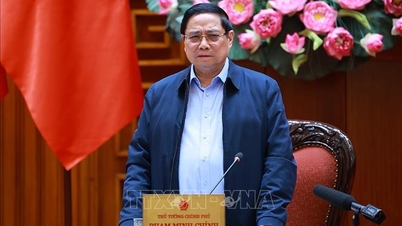
![[Photo] Prime Minister Pham Minh Chinh attends the Conference summarizing and implementing tasks of the judicial sector.](/_next/image?url=https%3A%2F%2Fvphoto.vietnam.vn%2Fthumb%2F1200x675%2Fvietnam%2Fresource%2FIMAGE%2F2025%2F12%2F13%2F1765616082148_dsc-5565-jpg.webp&w=3840&q=75)









































































Comment (0)