

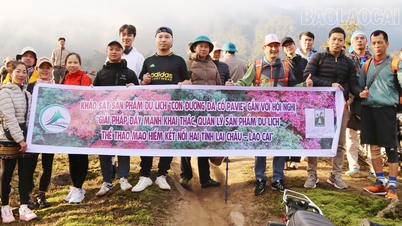
The survey team included representatives from the Department of Culture, Sports and Tourism of Lao Cai province and Lai Chau province; the Standing Committee of the Party Committee and People's Committee of Den Sang commune, Lao Cai province, and Sin Suoi Ho commune, Lai Chau province; and several travel companies in Lao Cai and Lai Chau provinces.
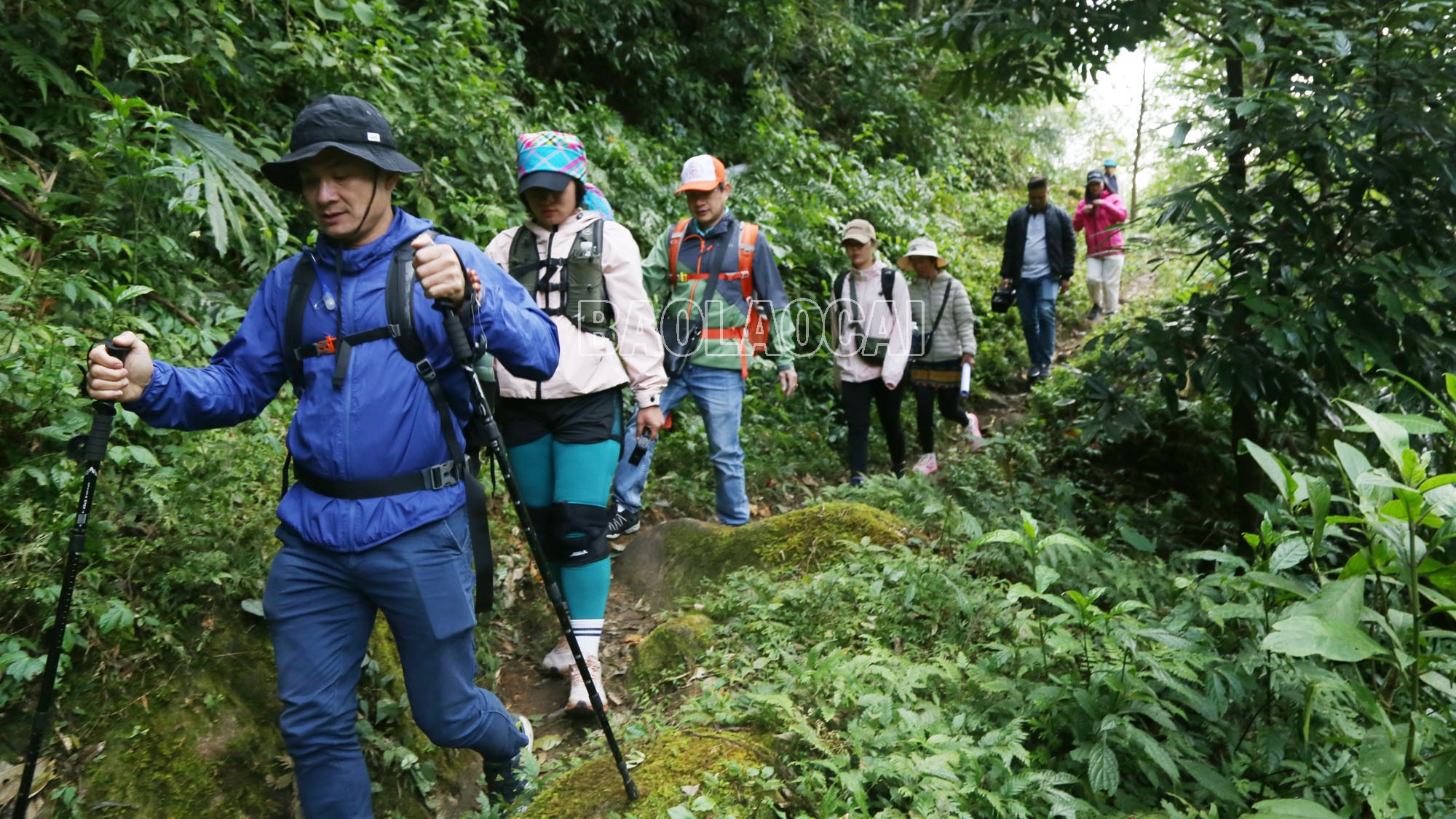
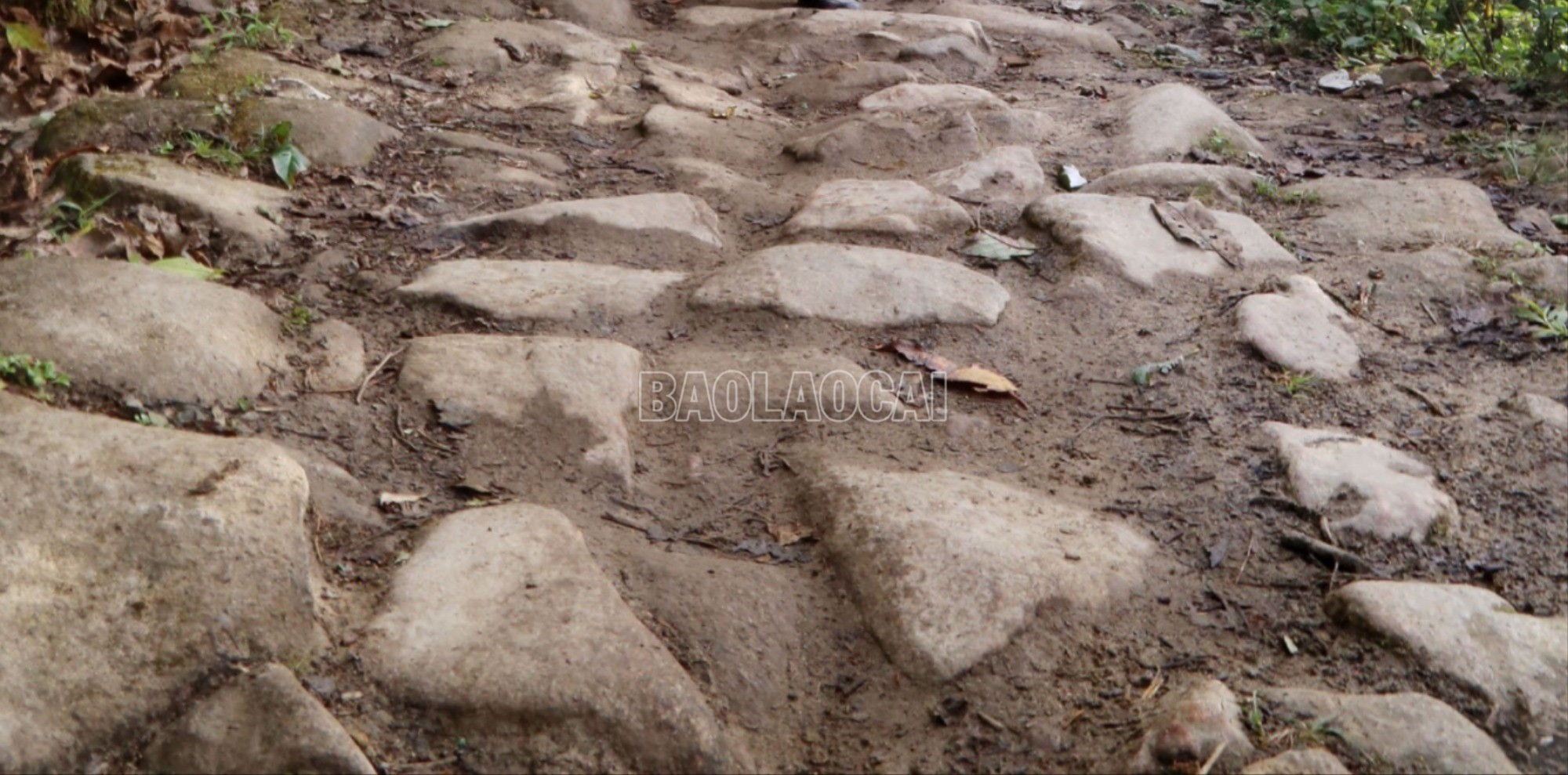
The ancient Pavie stone road is located in Den Sang commune, Lao Cai province and Sin Suoi Ho commune, Lai Chau province. The road was built in the 1920s. Governor Auguste Jean-Marie Pavie surveyed and supervised the construction of this road to transport goods and agricultural products between the northwestern provinces of Vietnam; therefore, the road is named Pavie.
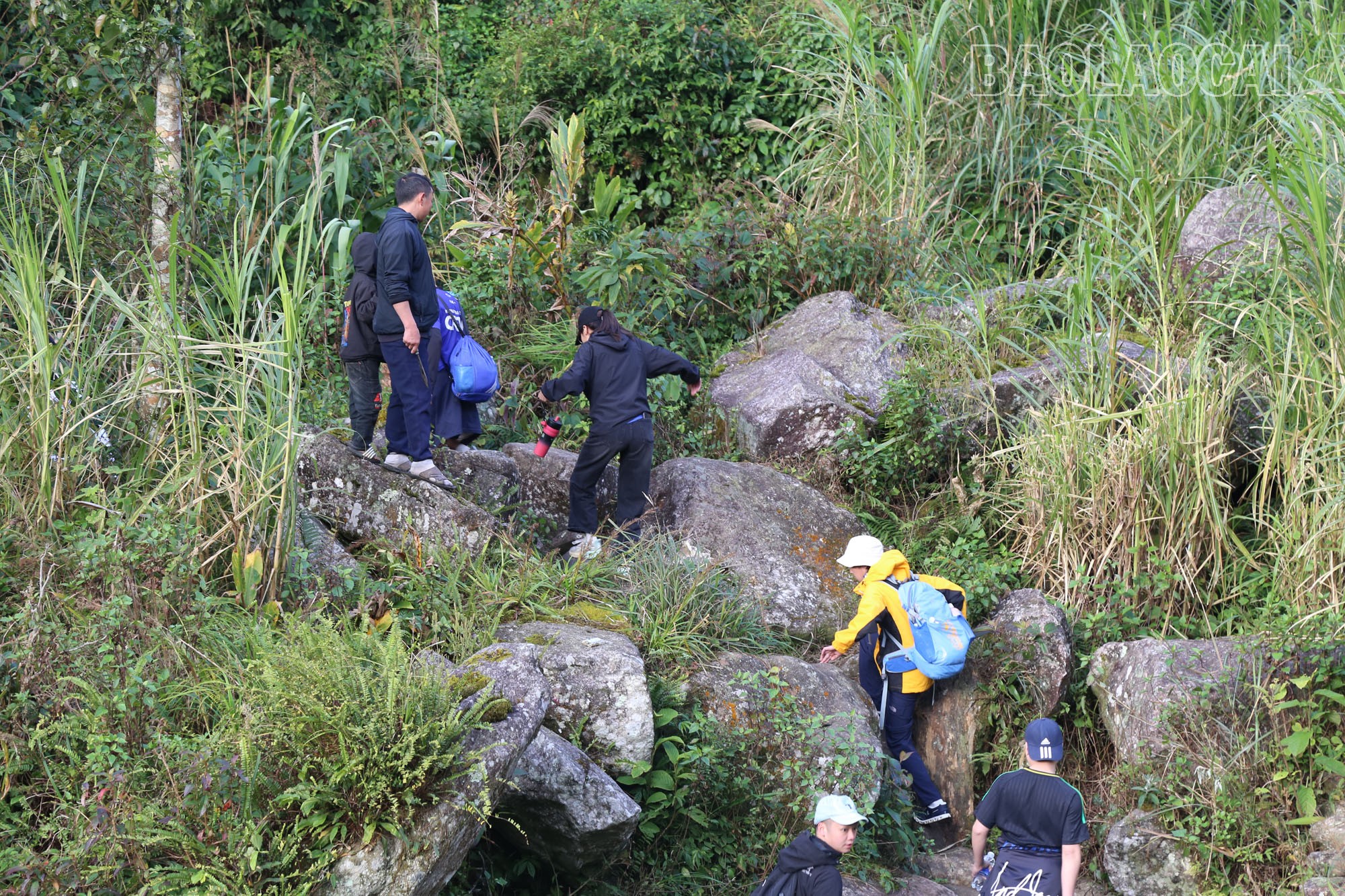
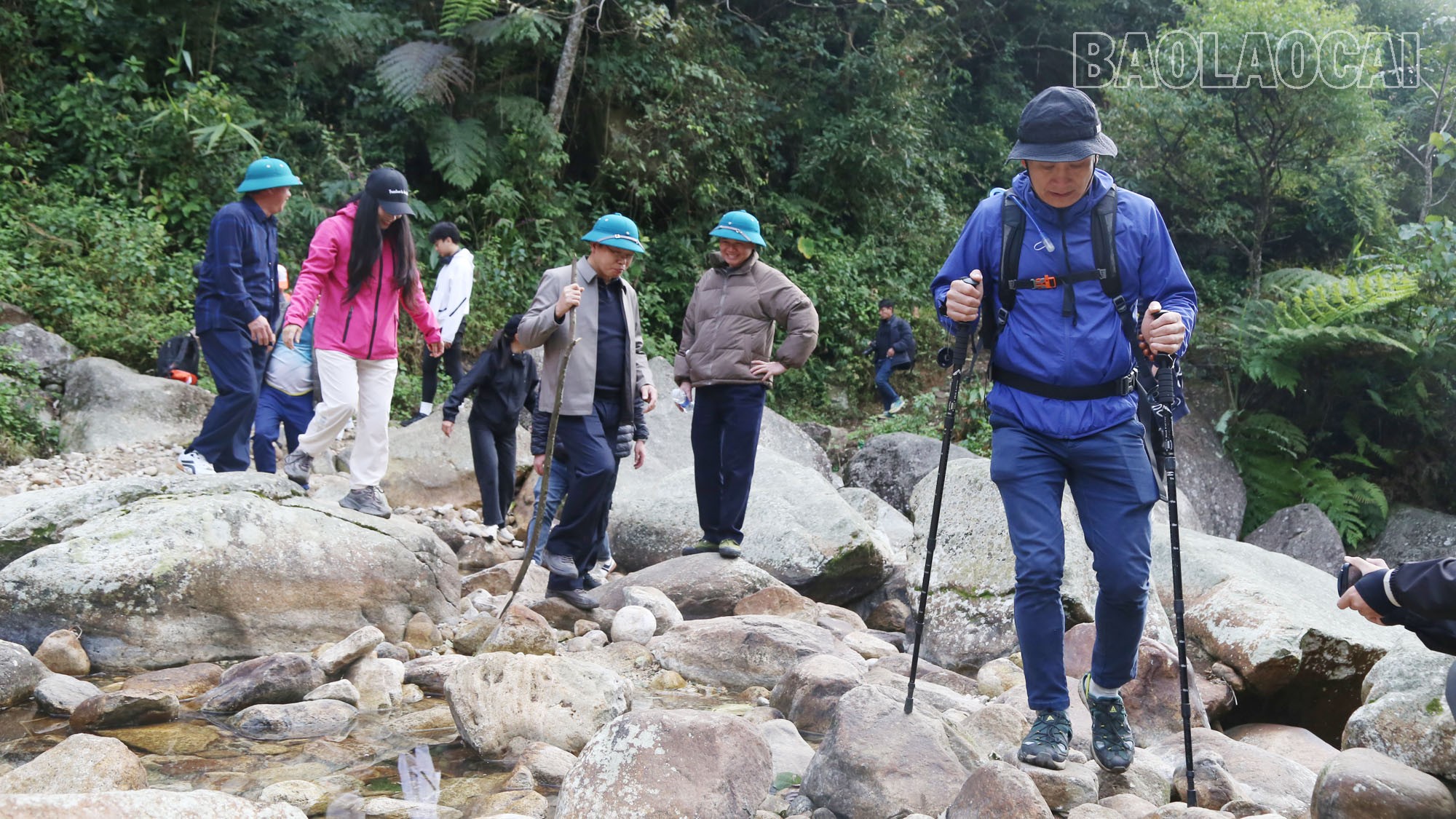
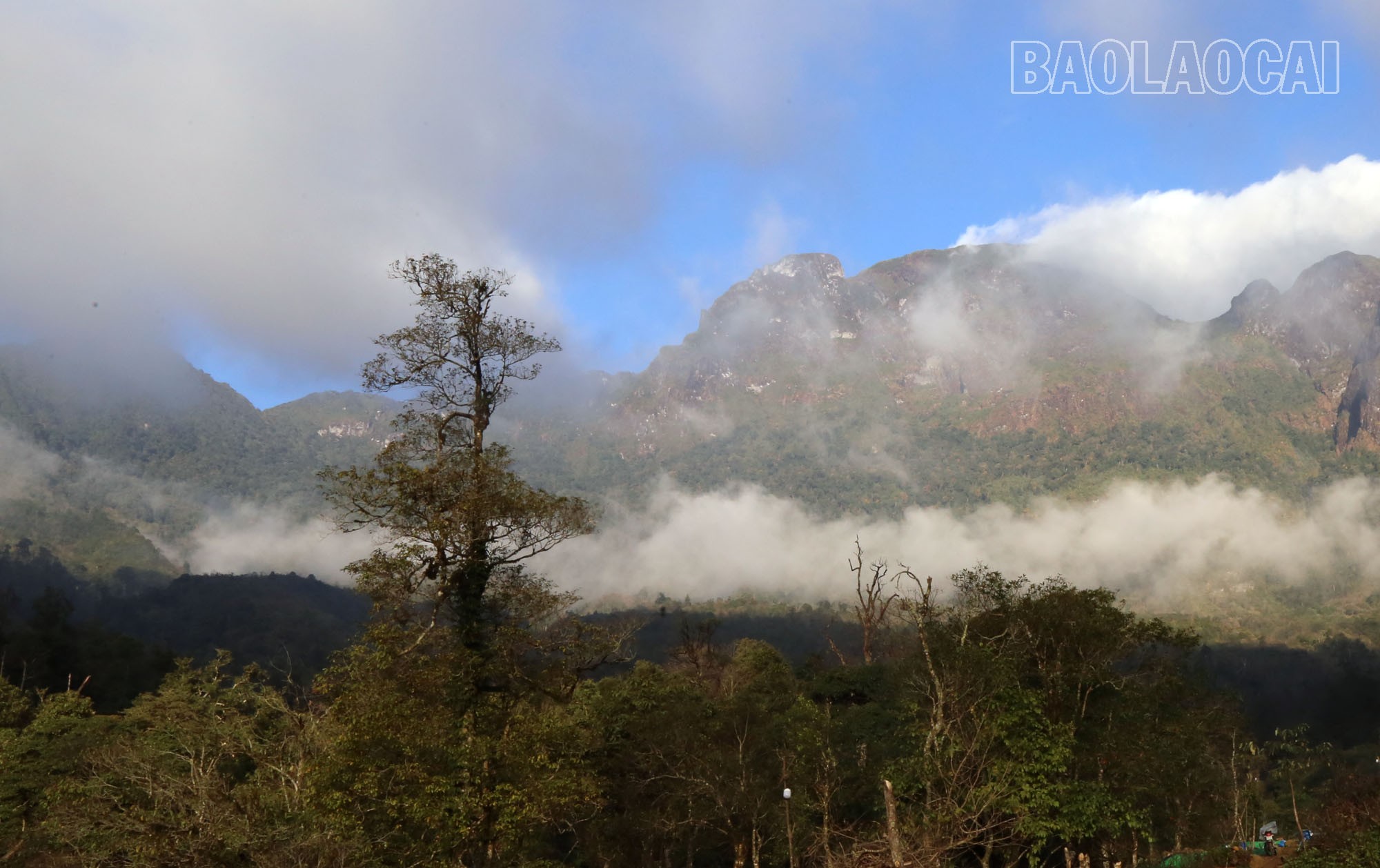
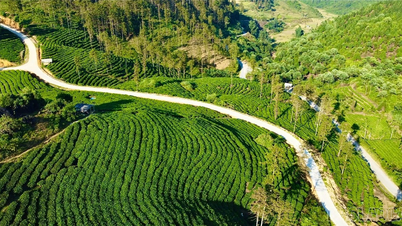
The ancient Pavie stone road is about 3 meters wide and over 20 kilometers long, winding through complex terrain. Mount Nhiu Co San, where the stone road crosses, is one of the highest and most beautiful mountains in Northwest Vietnam, with a rich ecosystem of flora and fauna. Therefore, for tourists, exploring the ancient Pavie stone road is not only about learning about its historical value but also about experiencing its unique natural landscape.
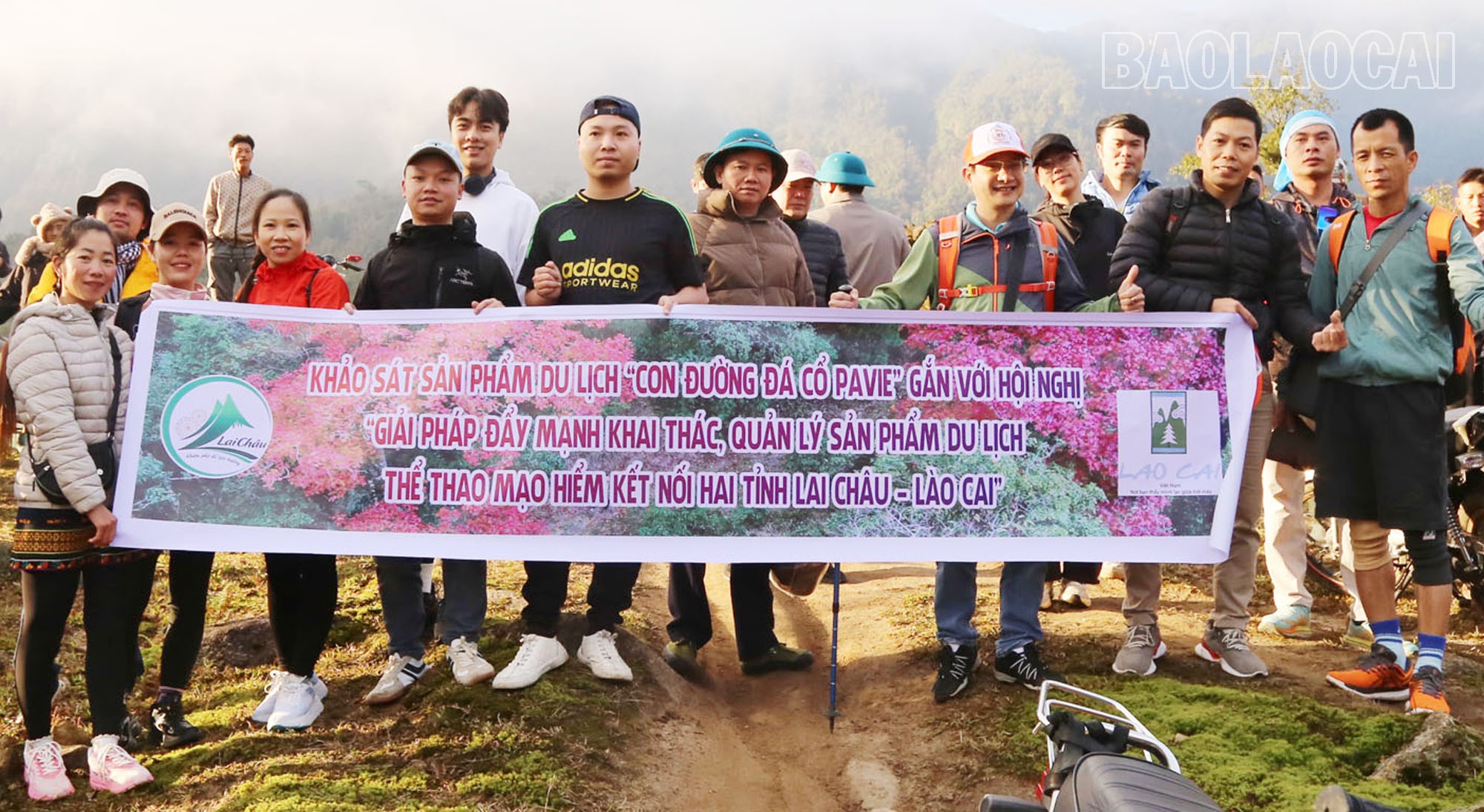
The joint survey program between Lao Cai and Lai Chau provinces demonstrates consensus and determination in preserving heritage and sustainably exploiting tourism potential.
In the future, based on the survey results, travel agencies will develop specific tours aimed at effectively exploiting the value of the ancient Pavie stone road, gradually forming an attractive destination for tourists. This will contribute to promoting economic development and improving the lives of people in the two communes of Den Sang and Sin Suoi Ho.
Source: https://baolaocai.vn/lao-cai-va-lai-chau-phoi-hop-khao-sat-duong-da-co-pavie-post888862.html

























































































Comment (0)