

The contributions mainly focused on people-to-people diplomacy, cultural and educational exchanges, and cooperation in human resource training.
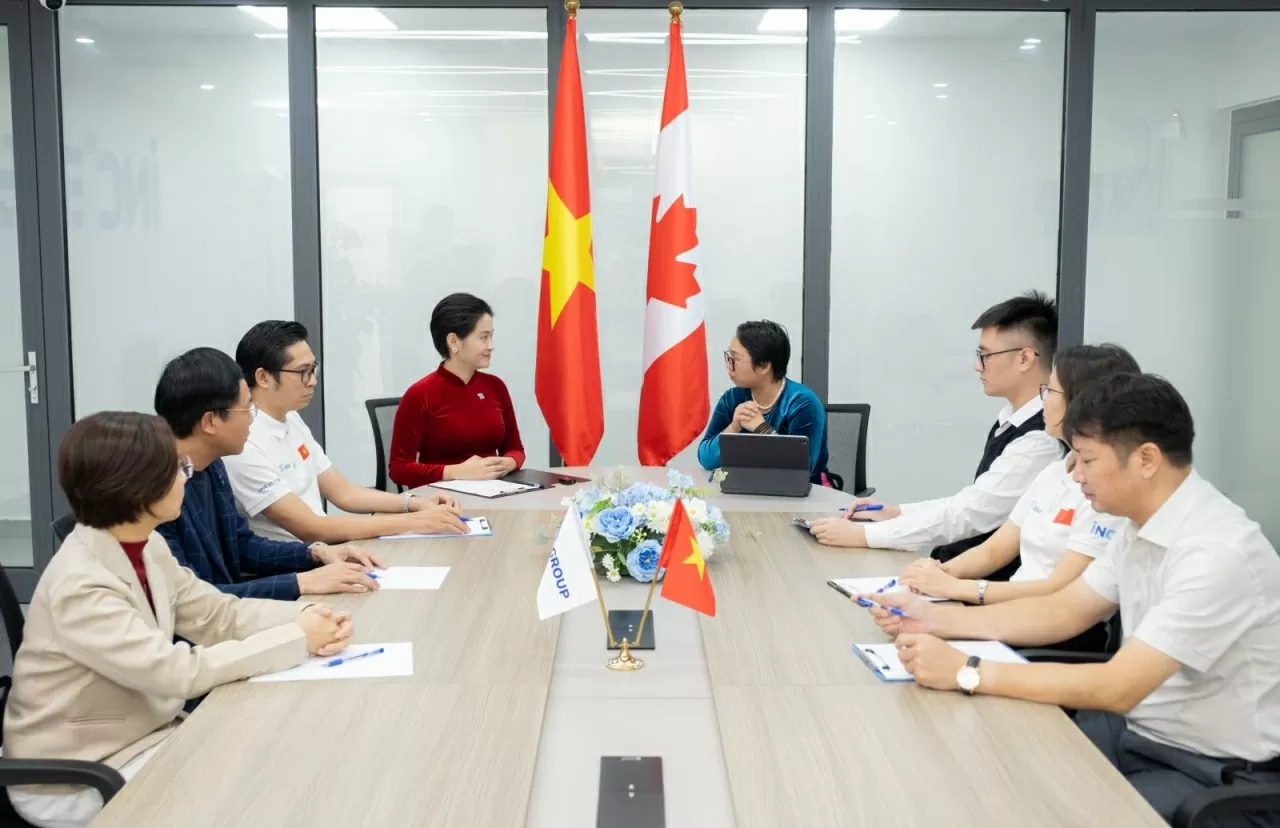 |
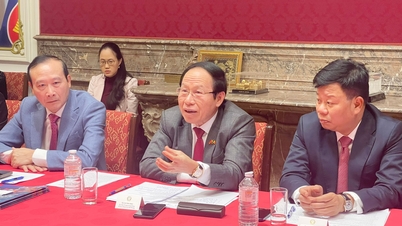
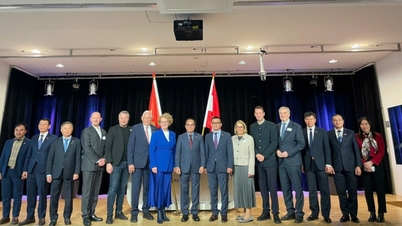
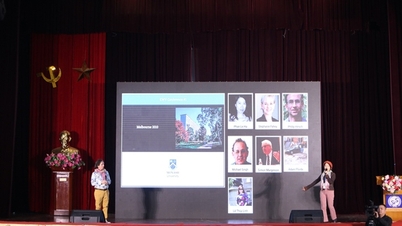
| Delegates attending the seminar. (Source: VNA) |
The CVCEC's submission to the relevant authorities emphasizes the importance of elevating people-to-people diplomacy, cultural diplomacy , and education. These are considered pillars of Vietnam's soft power in the new era.
CVCEC founding director Phan Thi Quynh Trang stated that people-to-people diplomacy, culture, and education are pillars of Vietnam's soft power in the new era.
Ms. Quynh Trang affirmed that it is a channel to expand international relations, spread Vietnamese identity, mobilize overseas Vietnamese intellectuals, and create international consensus for development goals until 2035, with a vision to 2045.
CVCEC also proposed the establishment of a National Program on Diplomacy of Vietnamese Intellectuals Abroad to mobilize the resources of Vietnamese experts abroad to contribute to policy planning, research, education, and cultural exchange.
According to Ms. Trang, the community of Vietnamese experts, intellectuals, and entrepreneurs abroad is a strategic resource, but it has not been systematically mobilized.
A national program would help connect knowledge and technology, enhance cultural and educational exchange, and contribute to policy-making.
Currently, this Council is implementing many successful models in Canada, such as collaborating with the Toronto City Department of Education to expand the Vietnamese language teaching program; partnering with universities in teacher training; organizing the September 2nd Flag-Raising Ceremony and other international-scale cultural and academic programs.
This result demonstrates that the model of intellectual diplomacy and cultural diplomacy can be fully replicated in Vietnamese communities around the world .
CVCEC also boldly proposed piloting a Vietnamese Cultural and Educational Center in North America to focus cultural activities and academic exchanges, while strengthening Vietnam's presence in this vast space.
Ms. Trang believes that North America has a very large Vietnamese community and a strong need to preserve its culture. This would be a center for international academic and educational exchange, helping to centralize cultural activities and Vietnamese language education, creating a symbol representing Vietnam, and increasing the country's presence in the region.
Source: https://baoquocte.vn/nguoi-viet-o-canada-chia-se-tam-huyet-huong-ve-dai-hoi-xiv-cua-dang-336976.html




















![[Photo] Prime Minister Pham Minh Chinh holds a phone call with the CEO of Russia's Rosatom Corporation.](/_next/image?url=https%3A%2F%2Fvphoto.vietnam.vn%2Fthumb%2F1200x675%2Fvietnam%2Fresource%2FIMAGE%2F2025%2F12%2F11%2F1765464552365_dsc-5295-jpg.webp&w=3840&q=75)












































Comment (0)