

From a surprise trip in my twenties
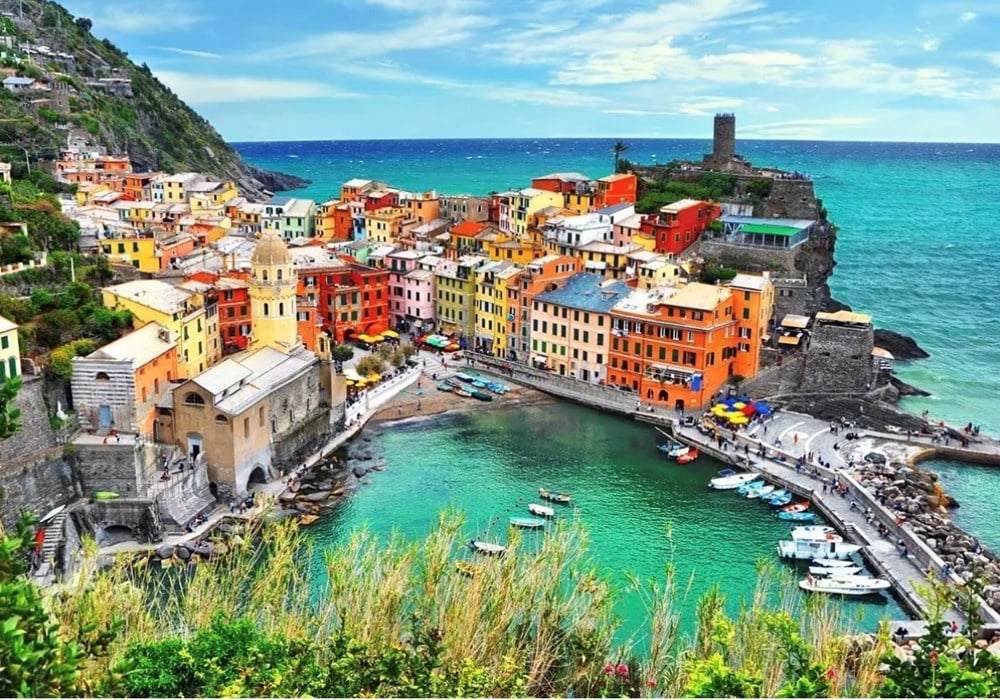
Kuper's first World Cup was in 1990, when he was still a student. The opportunity came by chance: a friend knew someone who worked for the tournament's sponsor and had some extra tickets. With just a few words of persuasion, they immediately turned the idea into action, hopped in a car, drove to Dover, and then crossed into Italy by ferry. They slept in a crowded train carriage, crossed the border in the middle of the night, and were lucky to escape the suspicion of two customs officers...
That trip was just to watch football. But it inadvertently marked the beginning of a lifelong series of experiences, opening up for Kuper a sense of freedom, boldness, and a strange familiarity with cities he had never set foot in before.
Four years later, when the 1994 World Cup was held in the United States, Kuper was already a reporter for the Financial Times, spending most of his time writing about finance and currency. But football seemed to always find a way to intrude into his life.
In Boston, where Kuper lived, he went to a bar to watch the game. It wasn't just a gathering place for American football fans; it was also a meeting point for the immigrant community from all continents. Amidst the cheers, he encountered a feeling no finance book could provide: an instant connection between strangers, a common language that needed no translation.
The 1998 World Cup in France and a turning point that changed my life.
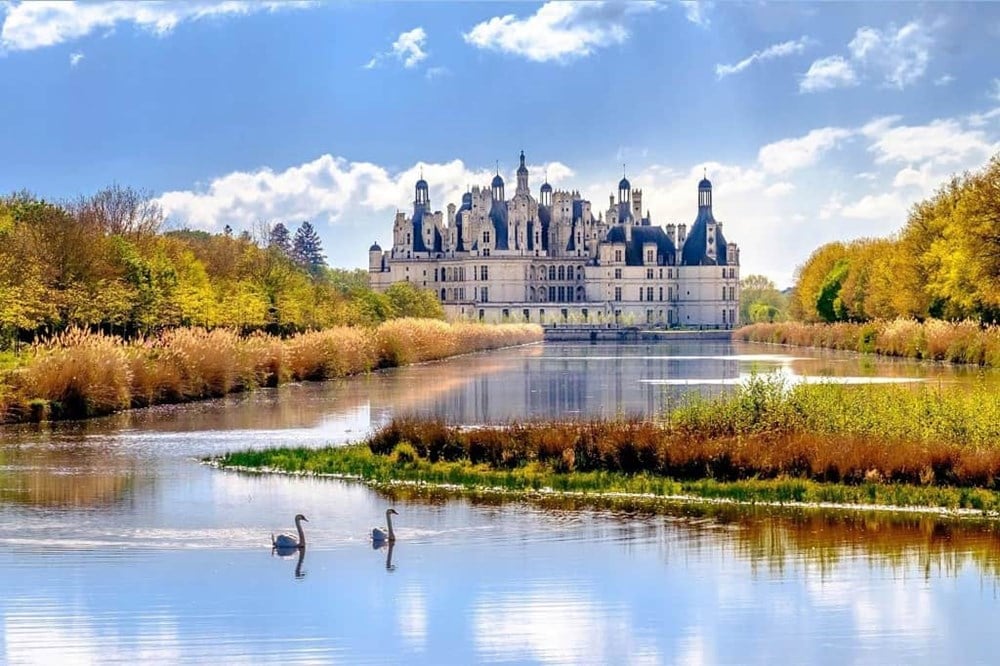
Of all the World Cups Simon Kuper has been through, the 1998 World Cup in France is an unforgettable milestone because it completely changed his life. The image he cherishes most vividly isn't the host nation's victory, but rather a midday meal in the sun in the garden of the Colombe d'Or restaurant in Saint-Paul-de-Vence, alongside his younger colleagues.
The French landscape unfolded as beautifully as imagined by those who had fallen in love with the country through literature, painting, and film: golden light, stone walls, green gardens, and dishes that were both simple and refined...
He traveled from Marseille to Lyon, enjoying bouillabaisse or andouillette as a way to "savor" the local culture. His workdays revolving around matches, interspersed with afternoons wandering through the city, helped him realize the feeling he wanted to live for: to travel, to write, to immerse himself in the world.
Just days after the tournament ended, back at the Financial Times office in London, he sat writing his currency report in his formal suit and found everything unusually cramped. So, he quit his job and decided to move to Paris – where he still lives today. Looking back, he acknowledges that the 1998 World Cup not only changed his career but also his life.
Parallel worlds in World Cups
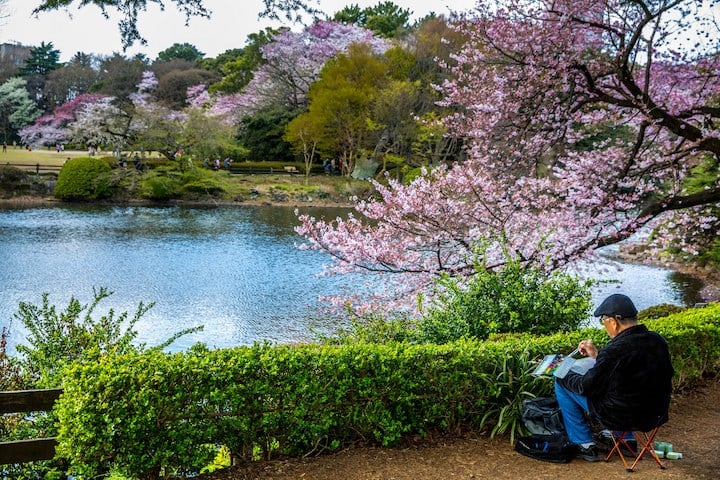
Leading up to the 2002 Japan-Korea World Cup, Kuper embarked on a frantically fast-paced season. He was constantly on the move, traveling from city to city, sometimes getting off trains without knowing exactly where he was. During the day, he toiled on the field, and at night he rushed to the press center to meet deadlines for submitting his articles.
But he also managed to discover a different side of Japan, as local friends took him out to eat in the small streets. These were subtle moments that helped him understand that every World Cup always has two worlds: a fast-paced world of journalists and a profound world of local culture if one takes the time to stop and explore.
Arriving in Germany for the 2006 World Cup, in the city where he had lived as a young man, Kuper was truly surprised to return to his old neighborhood in Berlin. Previously, it had been a dull, quiet area where neighbors rarely exchanged greetings. But during the World Cup, everything changed: flags hung in windows, children played and ran in the streets, and strangers struck up conversations as if they were old friends.
The festive atmosphere made Kuper have to check the street sign again to make sure he was in the right place. And he understood that the World Cup not only transforms a nation's image on television but can also revitalize an entire ordinary neighborhood.
Brazil 2014: When the World Cup unfolded the most beautiful part of the world.
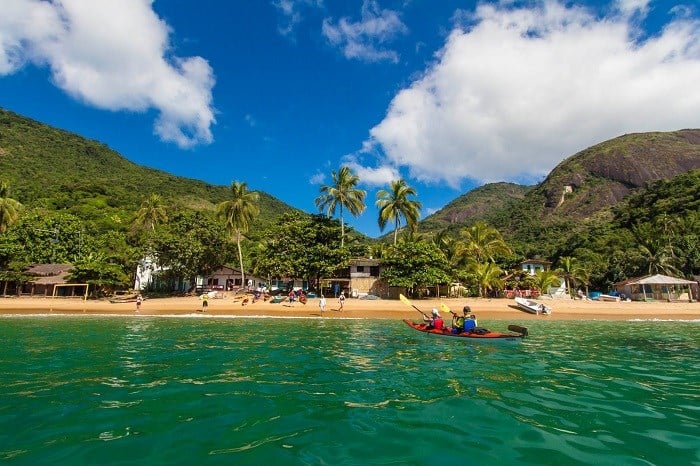
If there was one World Cup that stirred Kuper's emotions the most, it was Brazil 2014. One afternoon, floating in a swimming pool in Brasília after the Netherlands' victory over Mexico, he heard birds singing against the blue sky and saw his friends splashing in the water beside him. In that moment, he thought: "Perhaps this is the most beautiful World Cup I've ever experienced."
Morning strolls on Rio beaches, washing feet in the sand, and sipping coconut water at a small bar before returning to the frantic pace of work—all of this creates the perfect picture of football and life. For him, Brazil is an explosion of emotion, a generosity of people, and a tropical beauty that makes the World Cup something almost sacred.
South Africa 2010: A memory that doesn't belong to football.

Among Kuper's memories, the 2010 World Cup in South Africa is the only one associated with family. It was there that he visited his 92-year-old grandmother, who knew she didn't have long to live. She said that if she were to pass away during the World Cup, a simple funeral would suffice. On the day he was preparing to board his flight back to Europe (the same day as the final), he joked, "If you're going, there are still ten hours to make it to the World Cup." She laughed and told him not to be sad. A few months later, his grandmother passed away.
For Kuper, this was the only World Cup that left him with a deep sense of sadness, but it also reminded him that journeys, whether connected to football or not, are always intertwined with each person's real life.
Qatar 2022: A miniature world inside a train carriage.
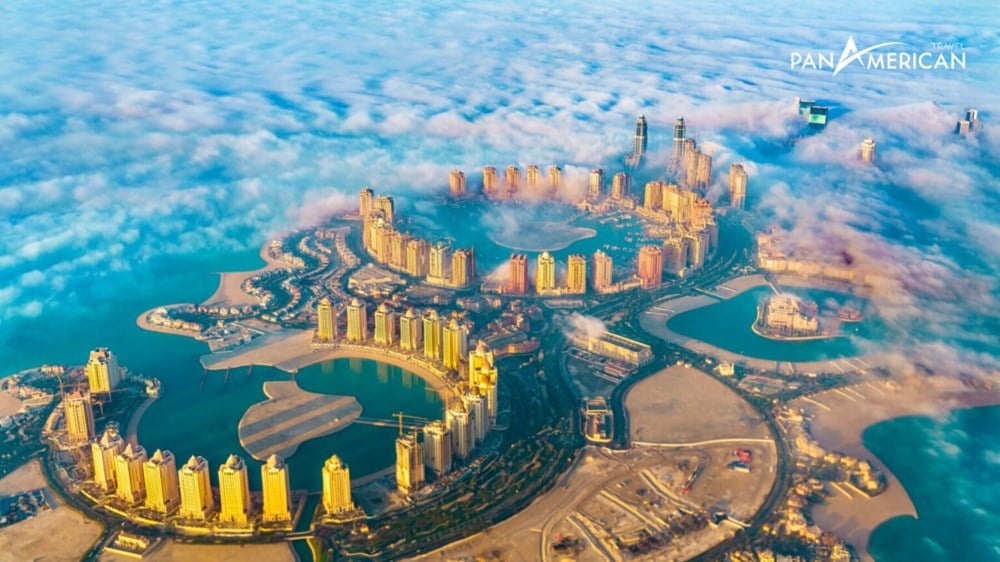
By his ninth tournament (Qatar 2022), Kuper noticed that today's World Cup is very different from the one in the 1990s. But one thing remains the same: the small moments along the way.
In Doha, each metro ride becomes a “temporary state,” where Asians stand alongside Africans, European fans sing loudly next to a silent Middle Eastern family. The smell of sweat, the loud music at 1 a.m. after a defeat, the snippets of conversation between strangers—all combine to create a vivid picture that no stadium can replicate…
Looking back on nine World Cups across four continents, Kuper realized that, for him, the World Cup was a special kind of travelogue: not a planned journey, but a series of unexpected events. It gave him a reason to travel, to observe, to understand that the world is vast yet can be contained within a train ride or a bar.
And that explains why, even though his job and life have changed, Kuper still believes that every four years, he will pack his bags and hit the road again. Because for him, the World Cup has always been a way to see the world, and to reflect on himself.
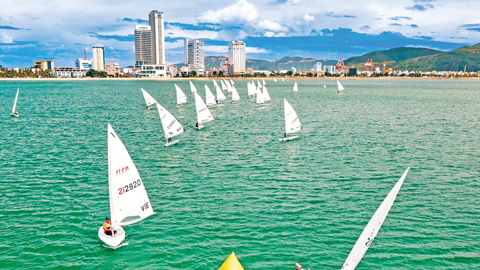
Sports go hand in hand with tourism.
Source: https://baovanhoa.vn/the-thao/nhat-ky-cua-cay-but-ky-cuu-simon-kuper-186076.html



















































Comment (0)